










What to Wear in Tokyo
Tokyo looks like a city of trains, but you'll walk far more than you expect. Stations are enormous, transfers run through long underground corridors, and the best neighbourhoods are explored on foot. Fifteen to twenty thousand steps is a normal day. Comfortable shoes are the one thing you can't fix once you're here.
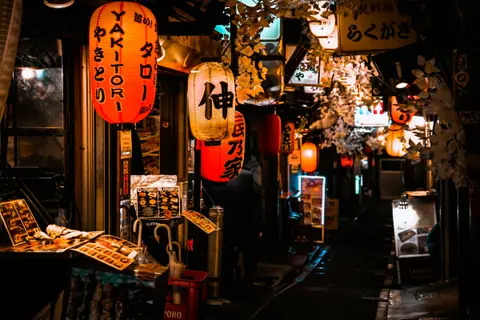
Choose shoes you can take off quickly, too. Some izakaya (Japanese pubs) have tatami seating, fitting rooms ask you to step out of your shoes, and so do ryokan and some temple halls. And wear socks without holes.
Tokyoites dress neatly, in plain colours and good fabrics, and even casual clothes look pressed. Nobody expects visitors to match that. Beachwear and very revealing clothes stand out in the city, though, and a clean, simple outfit fits everywhere from a sushi counter to a shrine.
Summer is the hard season. The humidity from July to September is heavy, so linen and loose cotton beat synthetic sportswear. Locals carry a small hand towel, partly for sweat and partly because many public toilets have no paper towels. Trains and shops are strongly air-conditioned, which is why a thin layer earns its place even in August. In winter the opposite happens: dry cold outside, warm trains inside. Wear a coat you can open or take off, rather than lots of thick jumpers.
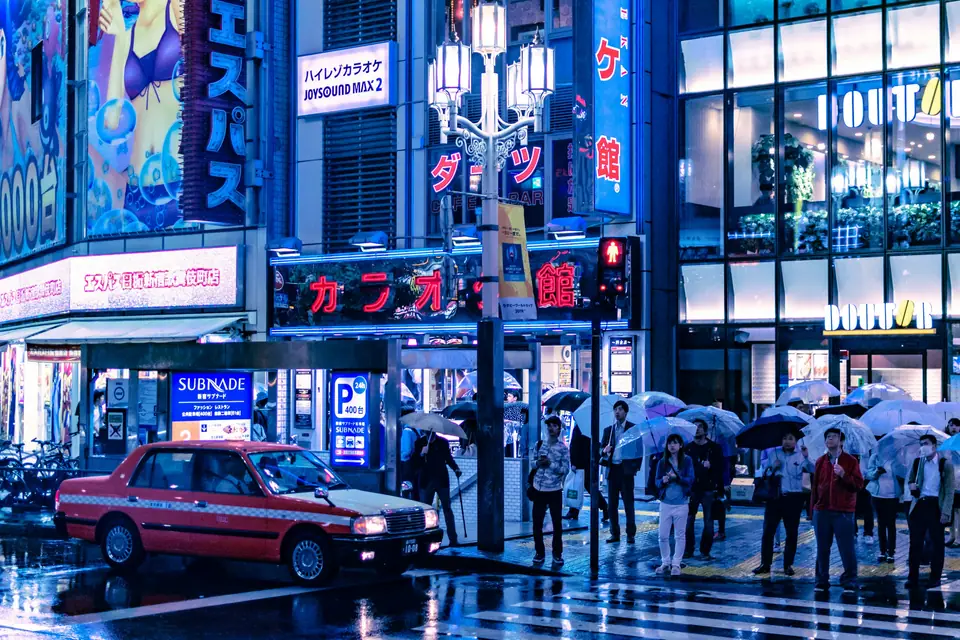
Rain is common from June into autumn. If you're caught out, every convenience store sells clear plastic umbrellas, and most shops have umbrella stands or plastic sleeves at the door.
One rule surprises many visitors. Many onsen, sento (public baths), gyms and pools still refuse entry to people with visible tattoos. Some allow small ones covered with a skin-coloured patch, and a growing number are tattoo-friendly. Check before you go.
Packing list
- Worn-in walking shoes that slip on and off
- Plain socks without holes
- A light layer for air-conditioned trains
- A small hand towel and a folding fan from June to September
- A warm coat that opens easily, from December to February
- A compact umbrella
- A coin purse, as Japan uses a lot of coins
- Tattoo cover patches if you plan to visit a bath
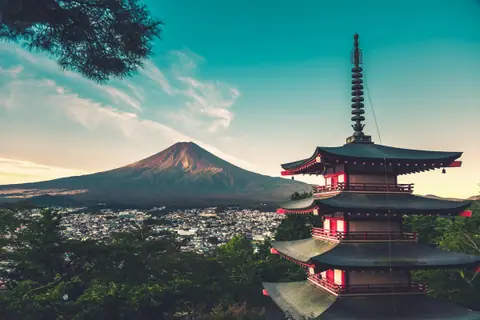
For day trips into the mountains, bring more. Hakone and Nikko are several degrees cooler than the city, and our day trips guide covers what Fuji needs. The best time to visit guide has the weather month by month.