Tokyo Travel Guide: What to Know Before You Go
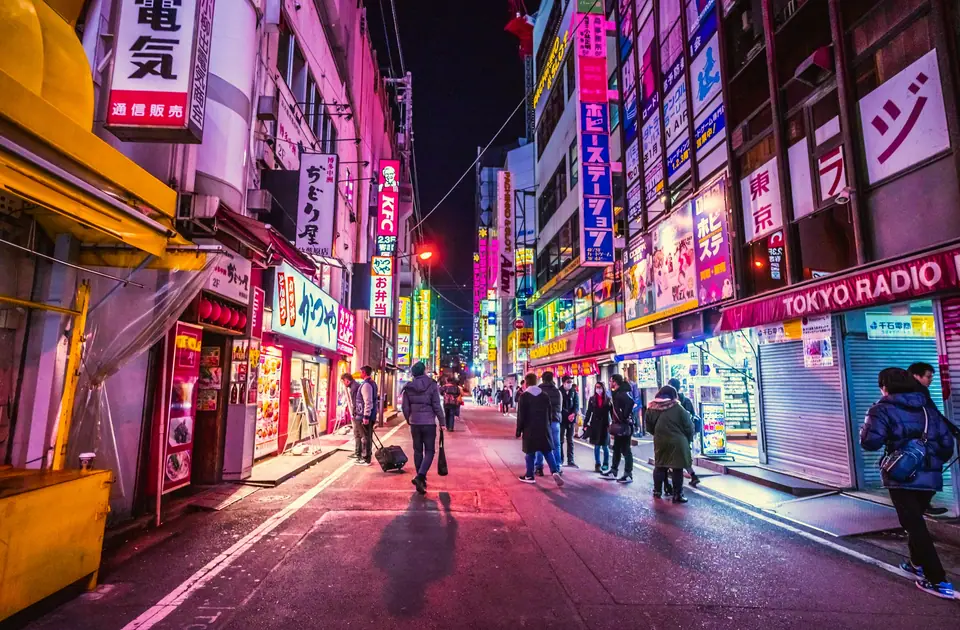
The first surprise in Tokyo is the size. Greater Tokyo is home to around 37 million people, and on a map it looks impossible. It isn't, because nobody experiences it as one city. You'll spend each day in two or three neighbourhoods, and the trains will carry you between them faster than you can find your ticket.
How the city is laid out
The JR Yamanote line runs in a loop around central Tokyo, and most of what visitors come for sits on it or just inside it. Shinjuku, Shibuya and Harajuku are on the west side. Tokyo Station, Ginza and the Imperial Palace are in the middle and east. Ueno and Akihabara are to the north-east, with Asakusa a short subway ride beyond them. Addresses are hard to read even for locals, so navigate by station and exit number, and let your map app do the rest.
How many days
Three full days covers the essentials. Four or five lets you slow down and add a day trip. Tokyo also works well at the start or end of a longer Japan trip, since you'll probably fly in or out here anyway. Our 3-day itinerary shows how we'd group the areas.
Money
Cards and phone payments are now accepted in most hotels, shops, chains and taxis. Small restaurants, ticket-machine ramen shops, shrines and some older bars still want cash. ATMs in 7-Eleven stores and post offices take foreign cards. An IC card such as Suica or PASMO pays for trains, buses, vending machines and convenience stores, and our getting there guide explains which one visitors can get now.
Etiquette
Trains are quiet. Keep your phone on silent, don't take calls, and wear your backpack on your front in rush hour. On escalators, Tokyo stands on the left. Queue where the lines are painted on the platform. Don't eat while walking through busy streets, and carry your rubbish, because public bins are rare. Tipping isn't expected anywhere.
Taxes
Japan's departure tax, the International Tourist Tax, tripled in July 2026 and is normally included in your air ticket. Hotels add a small Tokyo accommodation tax per person per night. From 1 November 2026, tax-free shopping changes: you pay full price in the shop and the consumption tax is refunded when customs checks the goods as you leave, so keep purchases together in your hand luggage.
Small practical things
Plugs are the flat two-pin type at 100V, the same as the US. Tap water is safe to drink. Toilets in stations and convenience stores are free and clean. Tokyo is one of the safest big cities in the world, but the touts in Kabukicho and Roppongi are the exception: never follow one into a bar.