Photo by Fikri Rasyid on Unsplash
How to Get to Tokyo: Haneda, Narita, Trains & IC Cards
How to choose the fastest train from Haneda or Narita, pick the right Suica or PASMO card, and use the subway and Shinkansen.
Before booking your airport transfer, check the three-letter code on your flight confirmation. Tokyo Haneda Airport (HND) sits on the bay shore inside Ota Ward just 15 kilometres south of Tokyo Station. Narita International Airport (NRT) lies 60 kilometres east in Chiba Prefecture. Both airports connect directly to central Tokyo by punctual rail lines. Matching your train to the neighbourhood in our where to stay in Tokyo guide saves cumbersome underground transfers with luggage.
From Narita Airport (NRT) to central Tokyo: Skyliner vs Narita Express
Narita Airport has underground railway stations beneath both Terminal 1 and Terminal 2/3, served by two competing railways (private Keisei Electric Railway and JR East) plus highway coaches:
- Keisei Skyliner (Nippori & Ueno) / JR Narita Express N'EX (Tokyo, Shibuya & Shinjuku): The all-reserved Keisei Skyliner reaches Nippori in 36 minutes and Keisei-Ueno in 41 minutes. It is the fastest choice for Asakusa, Ueno, and northeastern hotels. The all-reserved JR Narita Express (N'EX) takes 53 minutes to Tokyo Station. It then continues without a transfer to Shinagawa, Shibuya, and Shinjuku in about 75 minutes, making N'EX ideal for west-side bases.
- Keisei Access Express (Commuter Train) / Low-Cost Airport Bus (TYO-NRT): For Asakusa, Nihombashi, or Higashi-Ginza, the orange-stripe Keisei Sky Access Express requires no seat supplement. Simply tap your Suica or PASMO card at the gate. Trains run straight onto the Toei Asakusa Subway Line in roughly 55 minutes. Outside the terminals, the low-cost TYO-NRT coach runs every 15 to 20 minutes to Tokyo Station (Yaesu Exit) in about 65 minutes. Full-service Airport Limousine Buses also deliver bags directly to major Shinjuku, Shibuya, and Ginza hotels.
From Haneda Airport (HND) to central Tokyo: Keikyu vs Monorail
Because Haneda sits inside the metropolitan boundary, rail transfers into the city take less than half an hour:
- Keikyu Airport Line / Tokyo Monorail: The Keikyu Line links Haneda to Shinagawa Station in 11 minutes for the JR Yamanote loop. Direct through-trains continue along the Toei Asakusa Subway Line to Shimbashi, Higashi-Ginza, Nihombashi, and Asakusa. The elevated Tokyo Monorail glides across the bay to Hamamatsucho Station in 13 minutes. There you make a rapid transfer onto the JR Yamanote Line toward Tokyo Station and Ueno. Both lines accept Suica and PASMO taps.
- Late-Night Haneda Arrivals and Flat-Rate Taxis: Tokyo trains stop running around midnight and resume at dawn. Flights landing at Haneda late at night should use the official taxi ranks or late-night limousine buses. Licensed Tokyo taxis offer fixed zone fares from Haneda to each of the 23 wards, plus expressway tolls and a 20 percent late-night surcharge. Most Tokyo cabs accept IC cards and major credit cards on their rear headrest screens.
Suica, Welcome Suica, and PASMO: which IC card to get
After the global semiconductor shortage ended, physical registered and unregistered Suica and PASMO cards returned to regular sale in March 2025, joined by dedicated tourist versions:
- Apple Wallet Suica / Welcome Suica Mobile App: If you carry an iPhone or Apple Watch, open Apple Wallet and add a Suica or PASMO before leaving home. You can also download JR East's Welcome Suica Mobile app, launched in March 2025 and valid for 180 days. Express Transit mode lets you tap your phone straight through ticket gates without waking the screen.
- Physical Welcome Suica / Standard Green Suica or Tourist PASMO: Travellers using Android phones bought outside Japan should pick up a physical red-and-white Welcome Suica at JR East airport machines. It requires no deposit and remains valid for 28 days. Standard green Suica cards and Tourist PASMO cards are also sold at airport rail counters. Load yen cash onto physical IC cards at any station ticket machine or 7-Eleven ATM.
Tokyo Subway Ticket (24/48/72-Hour) vs IC card pay-as-you-go
Central Tokyo is served by two separate subway operators (Tokyo Metro with 9 lines and Toei Subway with 4 lines) plus above-ground JR East trains (including the Yamanote loop and Chuo Line):
- Tokyo Subway Ticket (24, 48, or 72 Hours) / Suica or PASMO Pay-As-You-Go: Sold to foreign visitors, the Tokyo Subway Ticket covers all 13 Tokyo Metro and Toei Subway lines for 24, 48, or 72 hours. It pays off if you take more than four subway rides per day. However, it does not cover JR lines (such as the Yamanote Line or Chuo Line) or private suburban railways. Every visitor still needs an IC card for cross-operator hops and convenience store purchases.
- National JR Pass vs Regional JR Tokyo Wide Pass: Never buy a nationwide Japan Rail Pass just for a stay in Tokyo and a return trip to Kyoto. Individual Shinkansen tickets cost substantially less. Instead, if you plan regional day trips from Tokyo to Nikko, Kawaguchiko (Mount Fuji), or Karuizawa, the 3-day JR Tokyo Wide Pass delivers strong value.
Shinkansen bullet trains and Visit Japan Web arrival rules
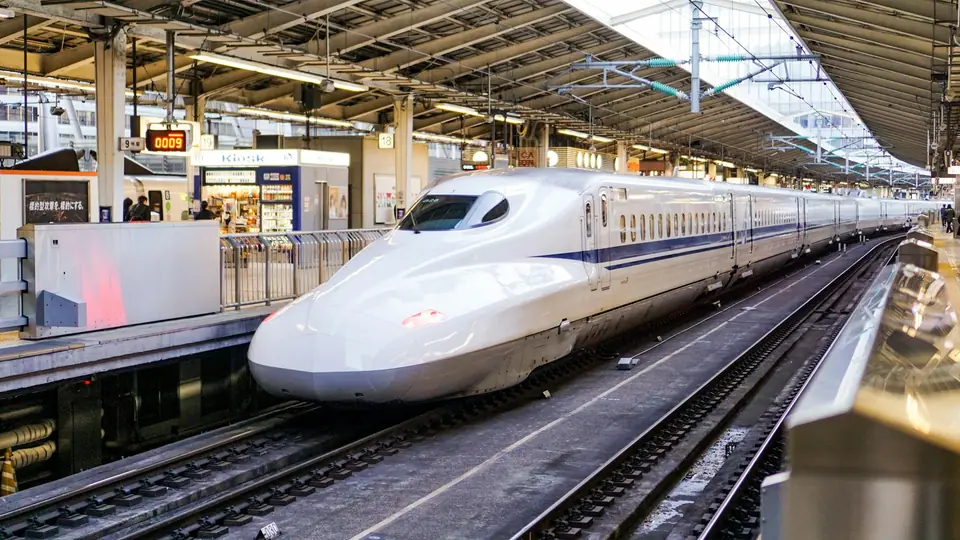
When departing Tokyo by Tokaido Shinkansen toward Nagoya, Kyoto, or Shin-Osaka, you can board at either Tokyo Station or Shinagawa Station (7 minutes south on the Yamanote Line, with simpler concourses). For northbound Tohoku, Joetsu, and Hokuriku Shinkansen trains toward Nikko, Sendai, Niigata, or Kanazawa, board at Tokyo Station or Ueno Station. Note the strict luggage rule on Tokaido, Sanyo, and Kyushu Shinkansen trains. Suitcases with total dimensions (length plus width plus height) between 160 and 250 centimetres require reserving a seat with an oversized baggage area (tokudai nimotsu supēsu tsuki zaseki) at no extra surcharge. Smaller bags up to 160 centimetres fit neatly on the overhead rack above your seat. Before flying to Haneda or Narita, complete your online immigration and customs declaration on the official government Visit Japan Web portal to generate a QR code for airport kiosks. Japan's planned electronic travel authorisation system (JESTA) is scheduled around fiscal 2028. Visa-exempt visitors currently enter with their passport and free Visit Japan Web registration. Remember to keep your physical IC card or phone handy until you tap out at your final exit barrier. Check our Tokyo travel guide for tax-free shopping updates.
Where it is
- 1Tokyo
- Tokyo Haneda International Airport (HND) · about 19 km from Tokyo in a straight line
- Directions in Google Maps
Stations and taxi ranks: OpenStreetMap. Airports: OurAirports. Distances are in a straight line.
Traveller tips
Real advice from people who have been to Tokyo. Every tip is read by our team before it goes live.
No tips yet. Been here? Yours could be the first.
Thank you! Your tip will appear here after a quick review.
More in Tokyo
Continue exploring Tokyo with related neighbourhood, food, and planning guides