Geneva
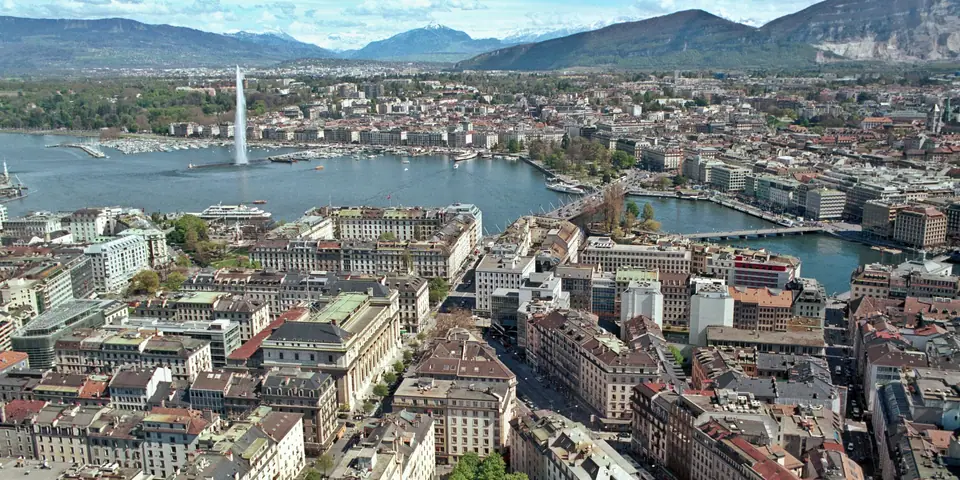
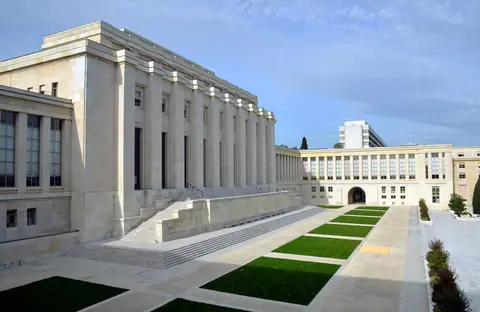
Framed by the Jura ridge and the Savoy Alps where the emerald Rhône flows out of Lake Geneva, Switzerland's French-speaking diplomatic hub pairs the hilltop Vieille Ville of St. Pierre Cathedral with the 140-metre Jet d'Eau, the Palais des Nations, CERN's particle physics campus in Meyrin, and the 18th-century Sardinian streets of Carouge.
Quick decisions
Overview
Set at the southwestern tip of Lake Geneva (Lac Léman) where the clear waters of the lake exit into the Rhône at an average surface elevation of 372 metres, Geneva is the second-most populous city in Switzerland after Zurich and the largest city of French-speaking Romandy. While the municipal territory of the Ville de Genève covers just 16 square kilometres with 203,856 residents in January 2021, its cross-border Grand Genève agglomeration spans 1,996 square kilometres across the cantons of Geneva and Vaud and the French departments of Ain and Haute-Savoie, home to 1,046,168 inhabitants. Framed by the wooded crest of the Jura chain to the northwest and the limestone cliffs of Mont Salève and the Savoy Alps to the south and east, the city occupies a compact natural basin where water, stone quays, and mountain horizons shape daily movement.
Fortified by the Celtic Allobroges before falling to the Roman Republic in 121 BC, the hilltop settlement became a bishopric in the 4th century AD and adopted the Protestant Reformation in 1535 to 1536, when John Calvin turned the city into a centre of Reformed theology and founded the Academy of Geneva in 1559. After repelling the Savoyard night attack of 11 to 12 December 1602 (commemorated each December during L'Escalade) and joining the Swiss Confederation on 19 May 1815, Geneva evolved into a global diplomatic hub hosting the Palais des Nations, the International Committee of the Red Cross, and the CERN particle physics laboratory in Meyrin. Start with our Geneva travel guide and our overview of things to do in Geneva.
Getting there
Getting to and around Geneva is remarkably fast because Geneva Airport (GVA) in Cointrin lies only 4 kilometres northwest of the city centre along the Swiss-French border. Every long-distance SBB InterCity and InterRegio train terminating at the underground airport station stops at Gare de Genève-Cornavin, Switzerland's third-busiest railway station with 156,000 weekday passengers across eight through-platforms, while high-speed TGV Lyria services and regional French trains use dedicated border platforms.
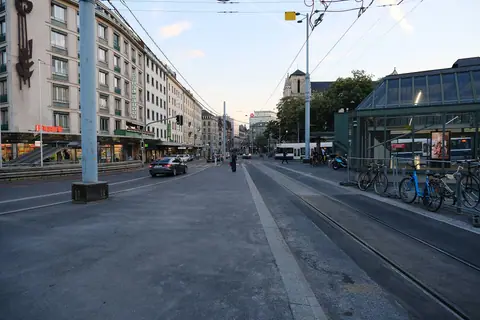
Inside the city, Transports publics genevois (TPG) operates five tram lines spanning 55.91 kilometres and six trolleybus lines, complemented by four yellow-and-red Mouettes Genevoises water bus routes across the Rade and the seven-line, 230-kilometre Léman Express commuter rail network opened via the underground CEVA tunnel on 15 December 2019. A single Unireso Zone 10 ticket covers trams, urban buses, harbour ferries, and regional trains within the canton, allowing visitors to move effortlessly between the airport, the Old Town hill, and the diplomatic quarter.
Where to stay
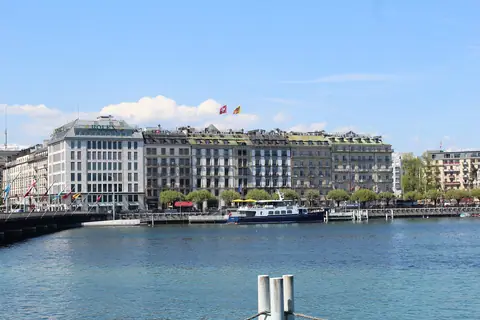
Choosing where to stay in Geneva comes down to which side of the lake and the Rhône fits your daily pace and arrival plans. Right-bank Quai du Mont-Blanc and Quai des Bergues place you beside Belle Époque lakefront promenades, Île Rousseau, and the Bains des Pâquis pier, within a short walk of Gare de Genève-Cornavin and its direct airport trains. Just behind the waterfront quays, the lively streets of Les Pâquis bring together neighbourhood restaurants, casual cafés, and three Mouettes water taxi landings.
On the left bank, the pedestrian lanes of the Vieille Ville rise around St. Pierre Cathedral and Place du Bourg-de-Four, offering quiet evenings among historic limestone facades, while Eaux-Vives borders Parc La Grange, the Jardin Anglais, and the Jet d'Eau jetty. South of the Rhône and the Arve, Plainpalais and Sardinian-built Carouge offer tree-lined squares, weekly food markets, artisan workshops, and direct tram 12 and 18 links to the station and museum quarter.
Things to do
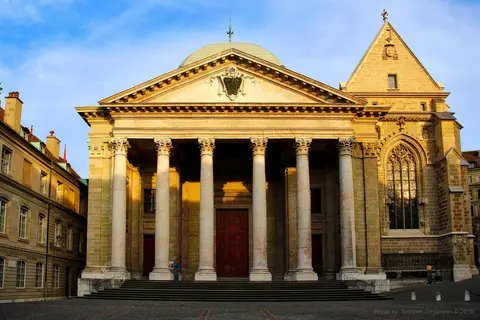
Geneva's sights divide naturally into four zones across the harbour and the two rivers. On the left-bank hill, Vieille Ville, St. Pierre Cathedral, and Place du Bourg-de-Four preserve Roman and medieval foundations beneath a Gothic nave begun around 1160, alongside the 14th-century Maison Tavel and the ramped Hôtel de Ville where the 1864 Geneva Convention was signed. Winding cobbled passages, vaulted stairways, and quiet courtyard fountains connect the upper town with the lower commercial thoroughfares and lakeshore parks.
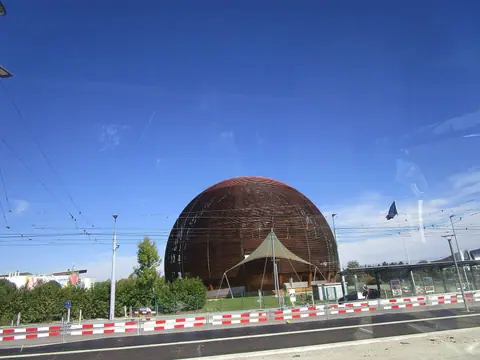
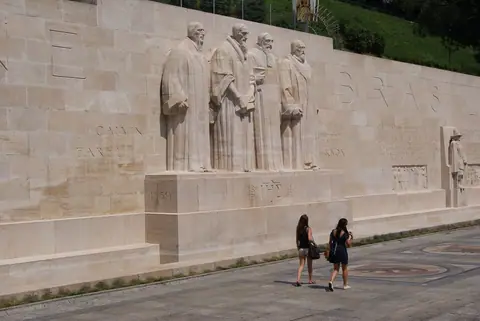
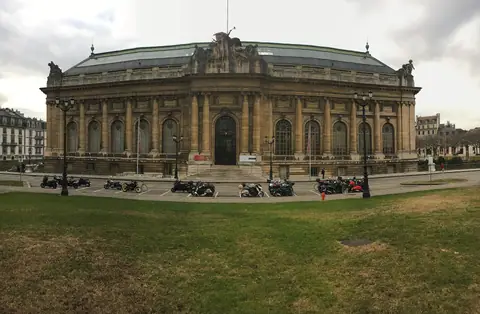
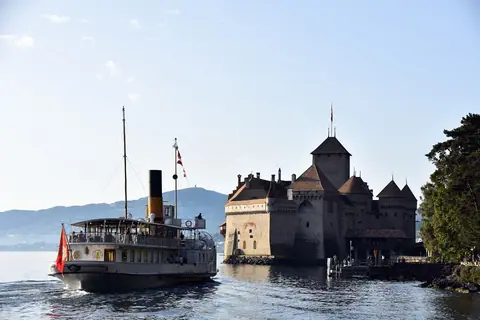
Below the southern ramparts, Parc des Bastions, the Reformation Wall, and Plainpalais lead south toward Carouge and the Art and History Museum and Patek Philippe Museum. Along the harbour, the Jet d'Eau and Bains des Pâquis face the right-bank Palais des Nations and Broken Chair, while tram 18 runs west to the CERN Science Gateway and Globe of Science and Innovation. Beyond the canton, day trips to Mont Salève, Lausanne, and Chillon Castle follow the Alpine and lakeshore horizon.
Food and drink
Genevan food blends Lake Geneva freshwater fish, Savoyard and Swiss alpine cheese traditions, and protected market-garden produce cultivated in the fertile plains between the Rhône and the Arve. Tables along the harbour and in the Old Town serve pan-fried filets de perche du Léman (perch fillets from Lake Geneva), lightly browned in butter with lemon and fresh herbs, alongside crisp cantonal Chasselas white wines poured on shaded bistro terraces from spring through autumn.
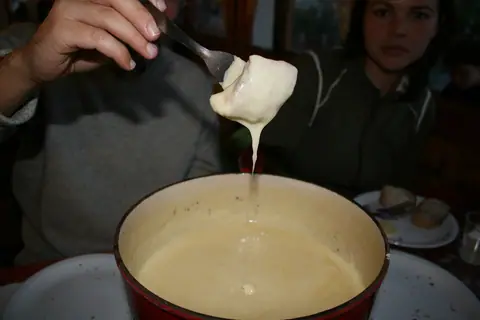
During cooler months and across the calendar at the waterside pier, diners gather over bubbling caquelons of half-Gruyère, half-Vacherin cheese fondue at the year-round Buvette des Bains des Pâquis, watching the harbour ferries cross the water. Traditional country inns and neighbourhood brasseries also prepare slow-simmered Longeole IGP pork-and-fennel sausage paired with Cardon argenté de Plainpalais, a thorny silver cardoon baked au gratin for Christmas and December's Fête de l'Escalade, when families smash chocolate marmites filled with marzipan vegetables and ladle out hot bowls of vegetable soup.
Culture
Understanding the best time to visit Geneva helps you balance summer lake swimming with winter cultural traditions and museum visits. July and August bring warm afternoons averaging 26.7 °C and 26.2 °C at Genève-Cointrin, ideal for swimming off the Bains des Pâquis concrete pier, sunrise concerts during Les Aubes at daybreak, and CGN paddle-steamer cruises across the Petit Lac and Grand Lac.
Spring and early autumn offer mild walks through the rose beds of Parc La Grange, the chestnut alleys of Parc des Bastions, and the vineyards of the Lake Geneva basin, while brisk winter days when the northeasterly Bise wind sweeps down the lake invite hours inside the Patek Philippe Museum, the Musée d'Art et d'Histoire, and the Red Cross Museum. Mid-December transforms the cobbles of the Vieille Ville with the torchlit 800-person historical procession of L'Escalade. Follow our 3-day Geneva itinerary to connect every quarter on foot, by tram, and by boat.
Weather by month
Geneva is warmest in July, with average highs around 27°C, and coldest in January, when nights drop to about -1°C. January is the wettest month, with rain on about 2 days. For mild weather with fewer rainy days, aim for July, August and September.
| Month | Low | Range | High | Rain | Rainy days |
|---|---|---|---|---|---|
| Jan | -1°C | 5°C | 10 mm | 2 d | |
| Feb | -1°C | 7°C | 8 mm | 1 d | |
| Mar | 2°C | 12°C | 8 mm | 1 d | |
| Apr | 5°C | 16°C | 9 mm | 2 d | |
| May | 9°C | 20°C | 10 mm | 2 d | |
| Jun | 13°C | 24°C | 9 mm | 2 d | |
| Jul | 15°C | 27°C | 8 mm | 1 d | |
| Aug | 14°C | 26°C | 8 mm | 1 d | |
| Sep | 11°C | 21°C | 8 mm | 1 d | |
| Oct | 7°C | 16°C | 10 mm | 2 d | |
| Nov | 3°C | 9°C | 10 mm | 2 d | |
| Dec | 0°C | 6°C | 10 mm | 2 d |
Averages of daily values from 2015 to 2024. Rainy days are days with at least 1 mm of rain. Source: Open-Meteo · Compare destinations by month.
Geneva on the map
Every place we cover in Geneva. Tap a category or pin to explore.
In-depth Geneva guides
Browse the guides grouped by topic: sights, neighbourhoods, food, transport, day trips and trip planning.
Sights, Landmarks & Parks
Key monuments, viewpoints, museums and nature trails.
- Things to Do in Geneva: Landmarks from the Jet d'Eau to CERNThe essential sights and experiences across Geneva's harbour, hilltop Old Town, diplomatic avenues, and science campuses.
- Vieille Ville, St. Pierre Cathedral & Place du Bourg-de-FourExplore Geneva's hilltop Old Town, from the Roman and medieval layers beneath St. Pierre Cathedral to Maison Tavel and the Hôtel de Ville.
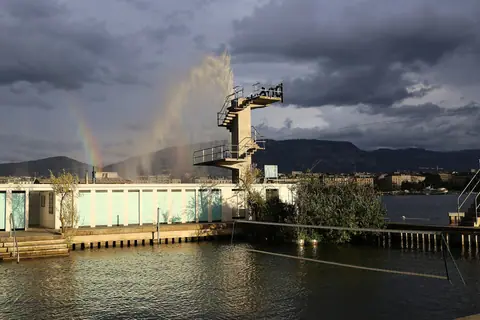
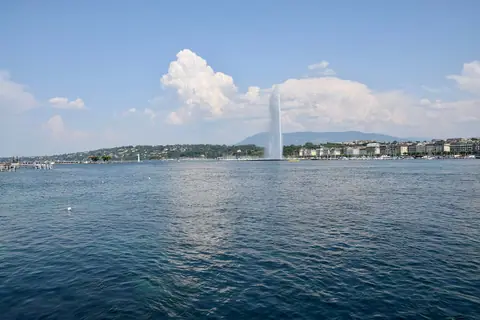
- Jet d'Eau, Lake Geneva Promenade & Bains des PâquisWalk both shores of Geneva's harbour, from the 140-metre Jet d'Eau and Jardin Anglais to the 1932 Bains des Pâquis pier.
- Palais des Nations, Broken Chair & Geneva's International QuarterVisit the European headquarters of the United Nations in Ariana Park, Daniel Berset's Broken Chair on Place des Nations, and the diplomatic avenue.
- CERN Science Gateway, Globe of Science & the Large Hadron ColliderHow to visit the European Organization for Nuclear Research in Meyrin, from the timber Globe of Science and Innovation to Science Gateway exhibits.
- Parc des Bastions, Reformation Wall, Place de Neuve & PlainpalaisStroll beneath the chestnut trees of Parc des Bastions to the monumental Reformation Wall, the cultural institutions of Place de Neuve, and Plainpalais.
- Geneva Museums: Musée d'Art et d'Histoire, Patek Philippe & Red CrossExplore Geneva's three essential museums covering fine art and archaeology, five centuries of Swiss watchmaking, and humanitarian history.
- Best Time to Visit Geneva: Lake Geneva Weather, Bise Wind & L'EscaladeMonth-by-month MeteoSwiss climate data for Geneva, comparing warm summer lake swimming with spring parks and December's Fête de l'Escalade.
Neighbourhoods & Where to Stay
Districts, historic quarters and the best bases for your stay.
- Geneva: Essential Planning for Lake Geneva's Diplomatic HubHow to navigate Geneva's left-bank Old Town, right-bank International Quarter, harbour ferries, and cross-border rail network.
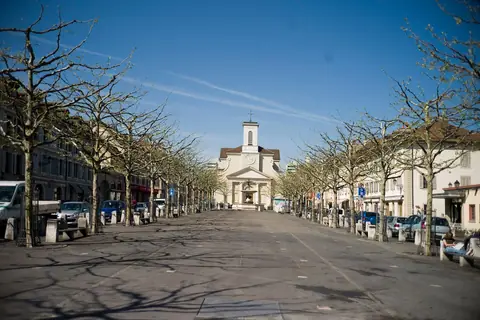
- Carouge: Geneva's Sardinian Quarter, Courtyards & Artisan WorkshopsCross the Arve river to explore Carouge, the 18th-century royal town built by the Kingdom of Sardinia with neoclassical arcades and shaded squares.
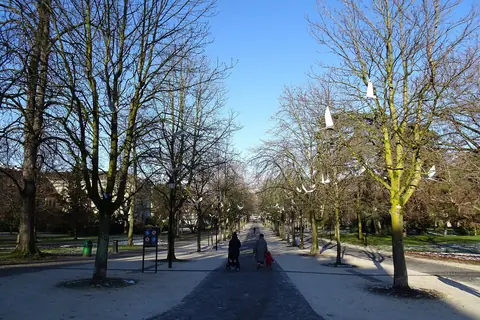
- Where to Stay in Geneva: Best Areas on the Right Bank, Left Bank & CarougeCompare Geneva's neighbourhoods, from lakefront Quai du Mont-Blanc and Les Pâquis to the hilltop Vieille Ville, Eaux-Vives, and Plainpalais.
- Geneva 3-Day Itinerary: Old Town, Harbour, UN Quarter, CERN & Day TripsA step-by-step three-day plan linking Geneva's hilltop Vieille Ville, the Jet d'Eau and Bains des Pâquis, the UN Quarter, CERN, and Lake Geneva.
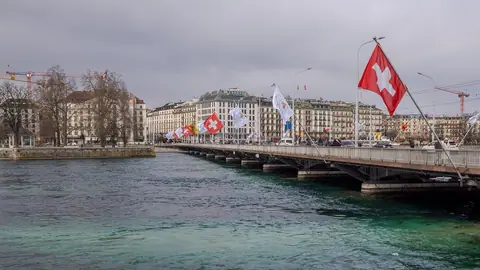
Food & Drink
Local dishes, markets, cafés and dining districts.
Getting Around & Arrival
Airport transfers, public transit, passes and driving rules.
Day Trips & Excursions
Easy half-day and full-day trips from the city.
Need your embassy or consulate in Switzerland? See embassies and consulates in Switzerland.
Reviews
Log in to write a review.
No reviews yet.