





















Albufera Natural Park Lagoon, El Palmar Rice Fields, Sagunto Roman Theatre & Xàtiva Castle Day Trips
Plan half-day and full-day excursions from Valencia: sunset boat rides and paella in Albufera Natural Park and El Palmar, the twin hilltop fortresses of Xàtiva Castle, and the Roman Theatre of Sagunto.
Three of eastern Spain's finest landscapes and ancient citadels sit less than forty-five minutes from central Valencia without renting a car. Municipal buses and unreserved commuter trains connect all three directly from the centre. Ten kilometres south of the City of Arts and Sciences glimmers the freshwater lagoon of Albufera Natural Park. Visitors reach its rice fields and boat jetties on a standard EMT city bus fare. Twenty-eight minutes north by Cercanías train rises the Iberian, Roman, and Moorish acropolis of Sagunto. Thirty-five minutes south by rail stands the twin-peaked fortress ridge of Xàtiva, ancestral seat of the Borgia popes.
1. Albufera Natural Park & El Palmar (10 km South, 35 Minutes on EMT Bus 25)
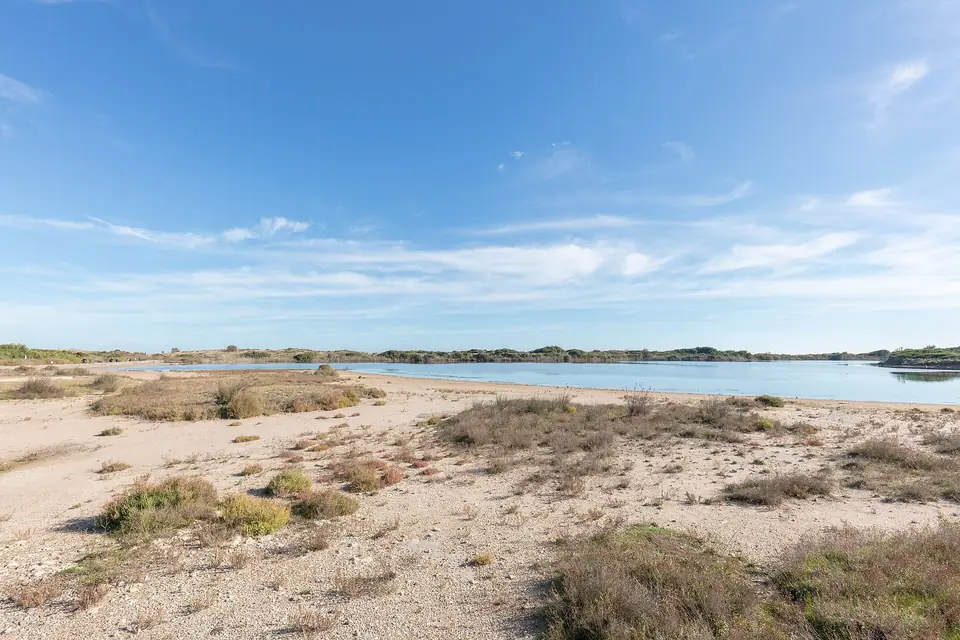
The Parc Natural de l'Albufera became the Valencian Community's first protected natural park on 8 July 1986 and a Ramsar Wetland in 1989. The reserve spans 21,120 hectares ten kilometres south of Valencia. Its name (pronounced al-boo-FEH-rah) comes from the Arabic al-buhayra, meaning "the small sea." Originally a saltwater marine gulf, the basin was closed off from the Mediterranean over the Pleistocene and Roman eras. A 30-kilometre sandbar and pine-forest dune belt (La Devesa del Saler) sealed the lagoon from the open sea. Freshwater springs (ullals) and Turia irrigation canals feed the open lagoon, which covers 2,800 hectares at a depth of 1 to 1.2 metres. Around the water stretch 14,000 hectares of flooded rice paddies (el marjal or tancats):
- How the Rice Cycle Transforms the Landscape Four Times a Year. Because Albufera is the sixteenth-century birthplace of Valencian rice cultivation and paella, the landscape changes dramatically by season. In May and June, farmers flood and plant the fields. By July and August, the 14,000 hectares turn into a brilliant emerald-green carpet of growing Senia, Bomba, and Albufera rice stalks. In September and October, harvesters gather the golden grain. From November through February (la Perellonà), floodgates at El Perelló and El Perellonet close to submerge the plain into a mirror-like winter sea. That winter wetland shelters more than 300 species of migratory waterfowl. Birdwatchers spot red-crested pochards, greater flamingos, grey herons, and purple swamphens at the Racó de l'Olla Interpretation Centre.
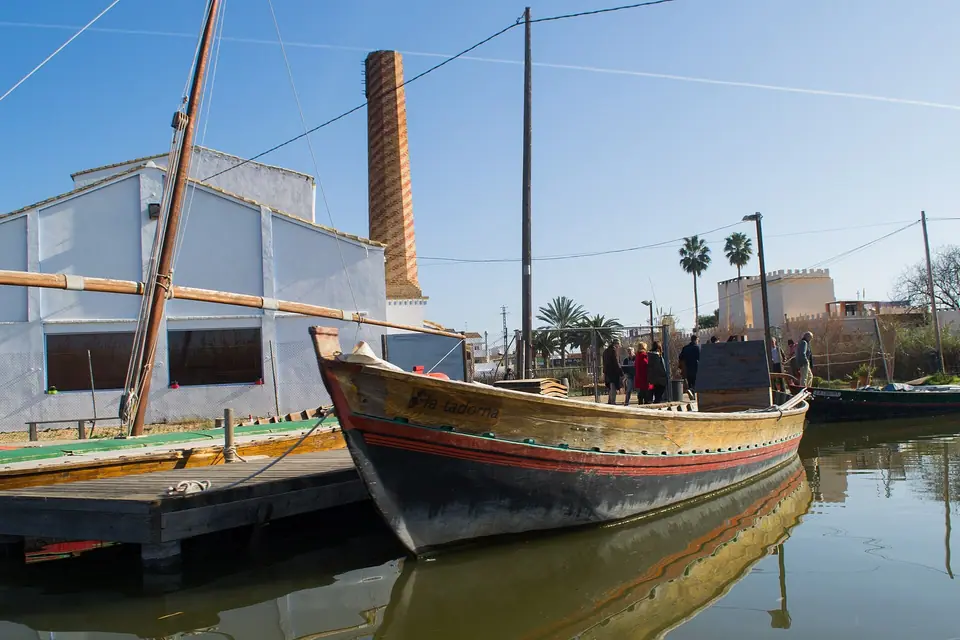
- El Palmar, Barracas & Sunset Albuferenc Boat Rides. Board EMT Bus 25 at Porta de la Mar or the City of Arts and Sciences. Buses run every 30 to 40 minutes and accept contactless bank cards and the Valencia Tourist Card. Get off at the Gola de Pujol jetty for lakeside dune walks, or stay on until the final stop in El Palmar. This historic fishing and rice-farming island village inspired Vicente Blasco Ibáñez's 1902 novel Cañas y barro. In El Palmar, inspect the steeply pitched reed-and-mud roof of a traditional Valencian barraca. Order a midday lunch of wood-fired Paella Valenciana or spicy garlic-and-paprika eel stew (all i pebre). Forty-five minutes before sunset, step onto a flat-bottomed wooden albuferenc boat. A 40-minute guided cruise glides past medieval woven reed eel traps (redolins) as the sky turns copper and violet.
2. Xàtiva Castle & the Borgia Collegiate Basilica (35 to 45 Minutes on Cercanías Line C2)
Fifty-five kilometres southwest of Valencia sits the mountain-ringed town of Xàtiva (pronounced SHAH-tee-vah, Spanish Játiva). Frequent Renfe Cercanías Line C2 commuter trains from Estació del Nord reach the station in 35 to 45 minutes. In the twelfth century under Islamic rule, Xàtiva became Europe's first paper-manufacturing centre at the 1151 mill of Shatiba. During the fifteenth century, the town served as the cradle of the powerful House of Borja (Borgia). The family produced two popes here: Callixtus III (Alfonso de Borja, born 1378) and Alexander VI (Rodrigo de Borja, born 1431). High above the red-tiled roofs rises one of Spain's most dramatic hilltop fortresses:
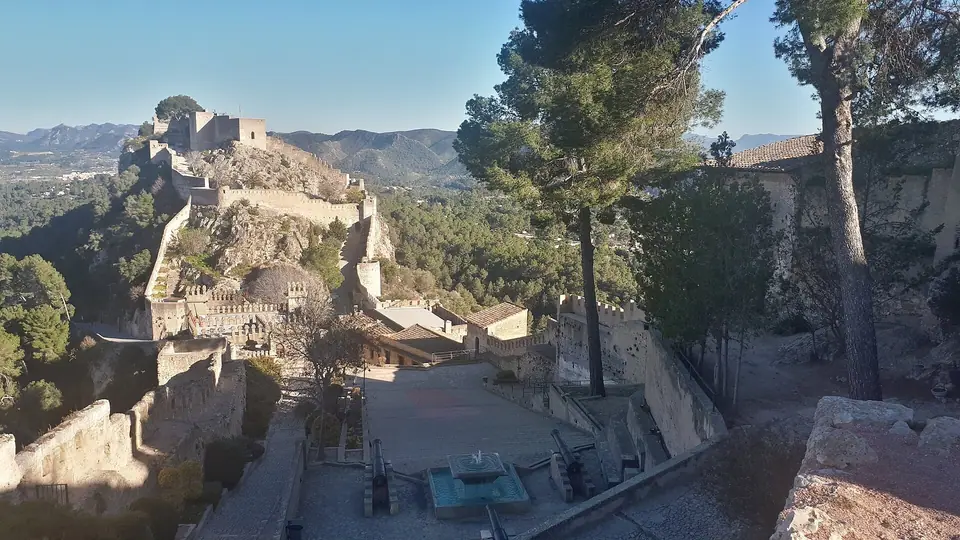
- Castillo de Xàtiva (Castell Menor & Castell Major). Along the limestone ridge of the Sierra Vernissa 300 metres above town, two fortresses linked by thirty towers trace 2,500 years of history. On the eastern peak stands the older Iberian and Roman Castell Menor, from which Carthaginian general Hannibal launched his 219 BCE campaign against Sagunto. On the higher western crest rises the medieval Castell Major. Its Gothic state prison vaults held royal captives of the Crown of Aragon, including King James IV of Mallorca and the Count of Urgell. Walk the shaded 25-minute cobbled path up from Plaza Espanyoleto or ride the municipal tourist train from the tourist office.
- The Upside-Down Portrait of King Philip V. Back in the lower town, visit the 1596 Renaissance Collegiate Basilica of Santa María (La Seu), with bronze Borgia papal statues outside. Nearby, the 1548 Gothic wheat exchange houses the Museo de l'Almodí. Inside the museum hangs Xàtiva's famous historical protest: the portrait of Bourbon King Philip V hung upside down since 1961. Locals inverted the canvas as symbolic punishment for his June 1707 decree during the War of the Spanish Succession. That royal order commanded troops to burn Xàtiva to the ground and rename the town San Felipe.
3. Sagunto: Roman Theatre (50 CE), Acropolis Castle & Old Jewish Quarter (28 Minutes on Line C6)
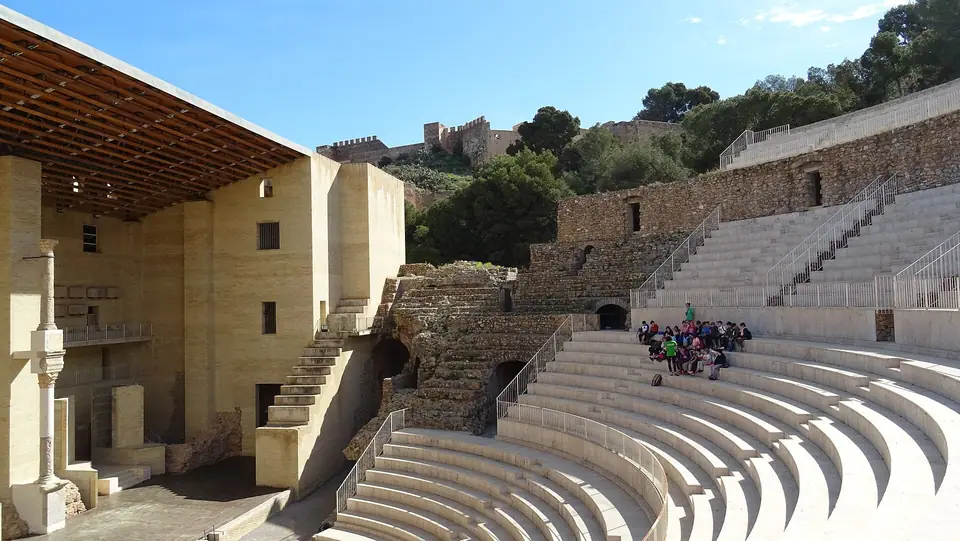
Twenty-five kilometres north of Valencia, Cercanías Line C6 and C5 trains from Estació del Nord arrive at Sagunt / Sagunto in 25 to 30 minutes. Carthaginian general Hannibal besieged ancient Saguntum for eight months in 219 BCE, igniting the Second Punic War between Rome and Carthage. On the hillside stands a first-century CE Roman Theatre carved into the concave rock slope with seating for 8,000 spectators. Winding up from the theatre through the whitewashed fourteenth-century arches of the Jewish Quarter (Judería de Sagunto) leads to the one-kilometre-long Sagunto Castle. Seven fortified plazas combine Roman forum foundations, Caliphate cisterns, Gothic battlements, and 1811 Napoleonic artillery bastions overlooking the Mediterranean coast.
Traveller tips
Real advice from people who have been to Valencia. Every tip is read by our team before it goes live.
No tips yet. Been here? Yours could be the first.
Thank you! Your tip will appear here after a quick review.
More in Valencia
Continue exploring Valencia with related neighbourhood, food, and planning guides
City of Arts and Sciences Guide: Calatrava's Palau de les Arts, Hemisfèric, Science Museum & Oceanogràfic
Valencia, Spain
UNESCO La Lonja de la Seda (Silk Exchange), 1928 Mercado Central & Church of Santos Juanes Walk
Valencia, Spain
Valencia Cathedral, Holy Chalice Chapel, 207-Step Miguelete Bell Tower, Plaza de la Virgen & Almoina Ruins
Valencia, Spain
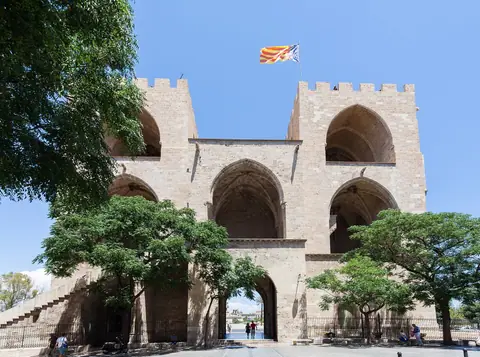
El Carmen Quarter, 1392 Serranos Towers, 1441 Quart Towers, Portal de la Valldigna & Street Art Walk
Valencia, Spain
