























What to Eat in Valencia: Wood-Fired Paella Valenciana, Arroz a Banda, Horchata de Chufa, Fartons & Agua de Valencia
Eat like a local in Valencia: the 10 official ingredients of authentic midday wood-fired Paella Valenciana, socarrat, arroz a banda, esmorzaret, Alboraya horchata de chufa with fartons, and Agua de Valencia.
Nowhere in Spain is regional identity tied more closely to a single cooking vessel and agricultural landscape than in Valencia. Eight medieval irrigation canals water the surrounding Turia plain, while 14,000 hectares of rice paddies ring Albufera Natural Park to the south. Together they make Valencia the birthplace of paella, named after the wide, shallow, two-handled iron pan (from the Old French paele and Latin patella). Understanding a few local dining rules guarantees memorable meals from the beach to the historic centre. Above all, authentic Paella Valenciana uses farmyard meat and orchard beans rather than seafood, and Valencians only eat rice at midday.
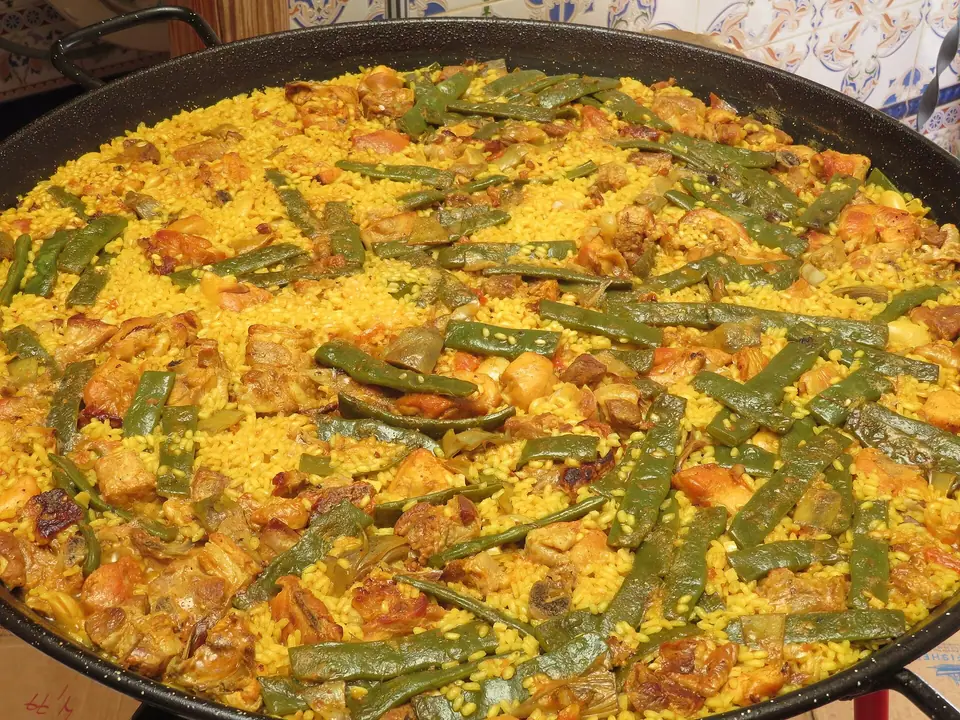
1. The Rules of Authentic Paella Valenciana & Why Rice Is Only Eaten at Midday
Before sitting down at a terrace in Ciutat Vella or along Playa de las Arenas, memorise three golden rules. These habits separate serious Valencian rice kitchens (arrocerías) from tourist spots serving frozen yellow rice:
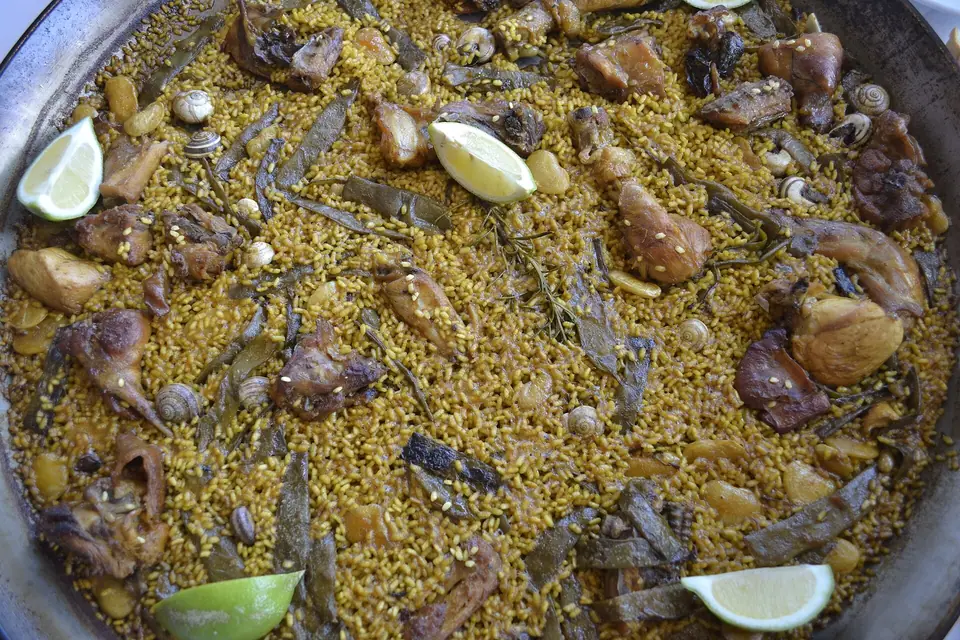
- The 10 Canonical Ingredients (No Seafood, No Chorizo, No Peas). Traditional Paella Valenciana is protected as a Cultural Asset of Intangible Interest (Bien de Interés Cultural) and codified by Wikipaella. The dish originated among nineteenth-century huerta farmers around Lake Albufera using inland orchard and farmyard ingredients. Its 10 canonical base ingredients start with short-grain D.O.P. Arroz de Valencia (Senia, Bomba, or Albufera cultivars that absorb three times their volume in broth). The pan combines free-range chicken (pollo) and rabbit (conejo) with flat green beans (bajoqueta or ferraura) and giant white butter beans (garrofó). Grated ripe tomato, extra-virgin olive oil, water, real filaments of saffron (azafrán), and salt complete the ten essentials. Many cooks add a sprig of fresh rosemary (romero) during the final minutes of boiling and sweet paprika (pimentón). Traditional Albufera recipes also include mountain snails (vaquetas) or duck. True Paella Valenciana never includes chorizo, onions, peas, or shellfish.
- Strictly a Midday Meal (13:30 to 15:30). Short-grain rice is substantial and requires 45 to 60 minutes to cook fresh to order from raw stock. For that reason, Valencians eat paella and rice dishes exclusively for lunch between 13:30 and 16:00. Always book a table for a minimum of two people and specify which rice you want when reserving. Authentic kitchens simmer each pan individually over pruned orange-tree wood (leña de naranjo) or calibrated multi-ring gas burners.
- The Prized Socarrat Crust. Once the broth evaporates into a thin single layer of dry grains (un dedo de arroz), the chef raises the flame for sixty seconds. Listen for a gentle crackling sound from the pan. That final toast creates the socarrat (pronounced soh-kah-RAHT), the savoury caramelised rice crust scraped from the bottom of the pan with a spoon.
2. Beyond Paella: Arroz a Banda, Arroz del Senyoret, Fideuà & All i Pebre
Valencian chefs prepare more than forty distinct dry (secos), soupy (caldosos), and creamy (melosos) rice dishes:
- Arroz a Banda & Arroz del Senyoret. If you crave Mediterranean seafood rice, order arroz a banda, simmered in a rich rockfish and red prawn stock and served with garlic allioli. Equally popular on the beach promenade is arroz del senyoret ("young gentleman's rice"). In that dish, every prawn, squid ring, and mussel is peeled before cooking so diners never soil their fingers.
- Arroz al Horno (Arròs al forn) & Arroz Negro. Baked in a deep glazed terracotta cazuela, arroz al horno is Valencia's classic winter comfort dish. The clay dish bakes pork ribs, blood sausage (morcilla), chickpeas, potato slices, and a whole head of garlic in the centre. On the coast, arroz negro simmers rice in cuttlefish ink with baby squid and young garlic shoots.
- Fideuà de Gandia & All i Pebre. Fishing boat cooks out of nearby Gandia invented fideuà around 1915. When they ran out of rice at sea, they substituted short hollow pasta noodles (fideos) in monkfish and scampi broth. Down in El Palmar on Albufera Lagoon, start lunch with an earthenware pot of all i pebre. Cooks stew fresh lagoon eels with whole garlic cloves, sweet paprika, chilli, and waxy potatoes.
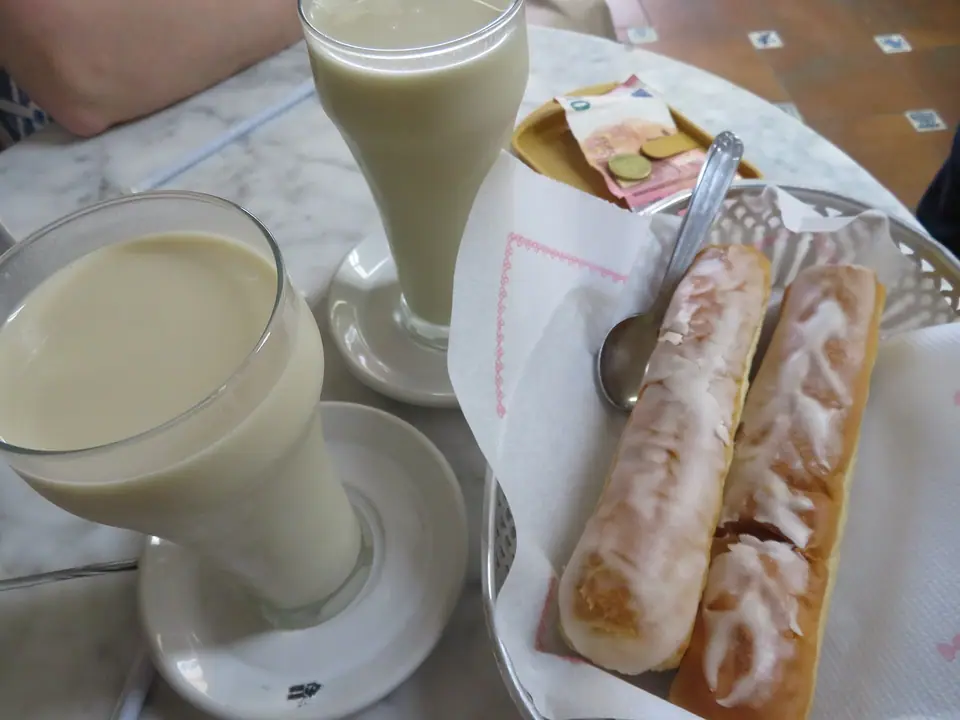
3. Esmorzaret Culture, Horchata de Chufa with Fartons & Agua de Valencia
Between 09:30 and 11:30, join locals for l'esmorzaret, the sacred Valencian mid-morning second breakfast. Workers order a crusty baguette stuffed with grilled horsemeat and young garlic, Spanish tortilla, or squid with allioli. Another favourite is the Almussafes sandwich with sobrasada, melted cheese, and caramelised onion. Every table receives a plate of cacaos del collaret (roasted local peanuts) and tramussos (brined yellow lupini beans). The ritual finishes with a cremaet, an espresso layered over flambéed rum, sugar, cinnamon stick, coffee beans, and lemon peel.
In the afternoon, cool off with Horchata de Chufa (Orxata de Xufa, pronounced or-CHAH-tah deh CHOO-fah). Makers press this naturally sweet, dairy-free drink from soaked, ground tiger-nut tubers (Cyperus esculentus). Muslim farmers introduced the crop to the sandy alluvial soils of Alboraya (just north of Valencia) in the eighth century, and today it carries D.O. Chufa de Valencia protection. Order it liquid (líquida), slushy (granizada), or half-and-half (mixta) with fartons. The Polo family invented those fluffy sugar-glazed oblong brioche sticks in Alboraya in 1960 to soak up horchata inside a tall glass. Historic temples include tile-clad Horchatería Santa Catalina (opened 1892 next to Plaza de la Reina) and Horchatería Daniel (founded 1949 in Alboraya). Daniel also operates a popular kiosk inside the 1916 Mercado de Colón, while Horchatería Subies serves traditional slushy horchata. During March Fallas week, pair hot chocolate with freshly fried pumpkin fritters (buñuelos de calabaza).
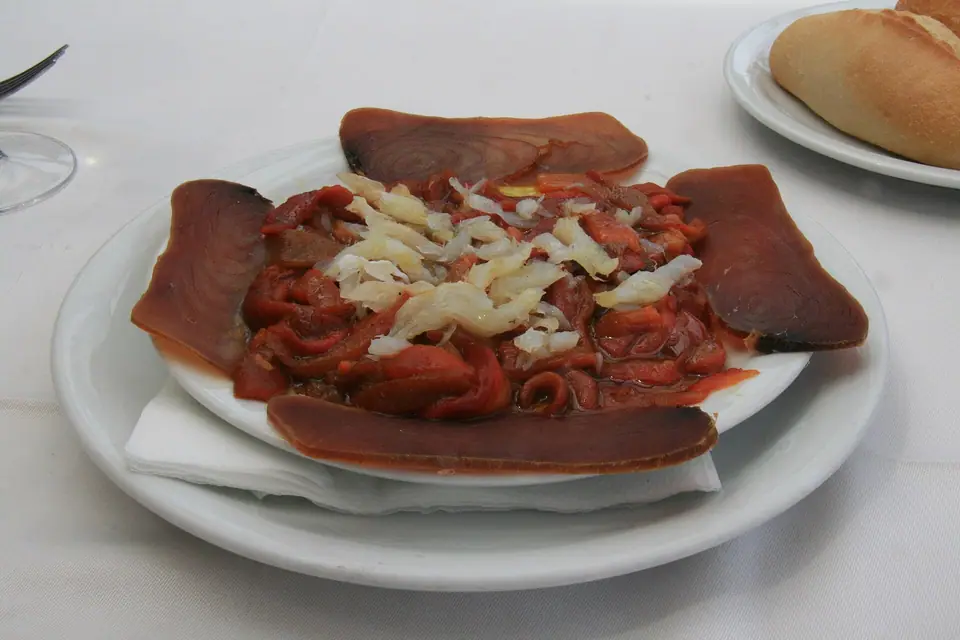
For evening tapas in El Carmen or Ruzafa, order a plate of esgarraet made from hand-torn roasted red peppers, salted Atlantic cod, garlic, and olive oil. From May through August (during months without an "R"), order steamed clóchinas valencianas, tiny sweet local Mediterranean mussels. Toast the evening with a frosted pitcher of Agua de Valencia. Painter Constante Gil created the cocktail in 1959 at Café Madrid de Valencia. He blended freshly squeezed Valencian orange juice with dry Cava sparkling wine, vodka, and gin.
Traveller tips
Real advice from people who have been to Valencia. Every tip is read by our team before it goes live.
No tips yet. Been here? Yours could be the first.
Thank you! Your tip will appear here after a quick review.
More in Valencia
Continue exploring Valencia with related neighbourhood, food, and planning guides
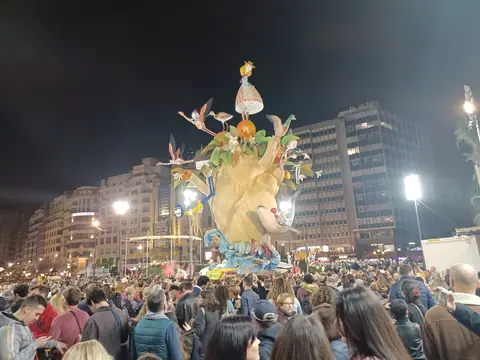
Best Time to Visit Valencia: AEMET 1991-2020 Climate Normals, UNESCO Fallas Festival & Mediterranean Beach Season
Valencia, Spain
What to Wear in Valencia: UV Sun Protection, Cathedral Shawls, Turia Cycling Gear & Fallas Walking Shoes
Valencia, Spain
Where to Stay in Valencia: Ciutat Vella, El Carmen, Ruzafa, Eixample, Ciudad de las Artes & Malvarrosa Beach
Valencia, Spain
Valencia 3-Day Itinerary: Old Town UNESCO Silk Exchange, Turia Gardens, Calatrava's Arts Complex & Albufera
Valencia, Spain
