





















Best Time to Visit Valencia: AEMET 1991-2020 Climate Normals, UNESCO Fallas Festival & Mediterranean Beach Season
Plan your trip with official AEMET Viveros 1991-2020 climate data, 300 annual sunny days, the fiery March UNESCO Fallas festival, summer beach months, and the October rice harvest.
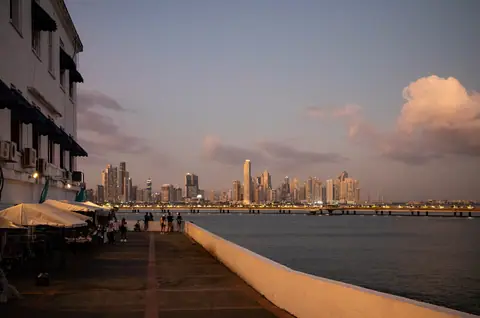
Inland Iberian System mountain ranges shelter Valencia on the west while the Balearic Sea warms its eastern shoreline. Together they give the city one of the sunniest climates in Europe. Official 1991 to 2020 meteorological normals come from Spain's Agencia Estatal de Meteorología (AEMET) at the Valencia Viveros Observatory. Those records document nearly 2,700 hours of annual sunshine across 300 sunny days. Annual precipitation averages just 454 to 475 millimetres spread across 39 to 43 rain days (≥1 mm). Even in January and December, afternoon highs average 17°C with only 4 wet days a month. You can comfortably dine on outdoor terraces or cycle the Turia Gardens in every season of the year.
March: The UNESCO Festival of Las Fallas (1 to 19 March)
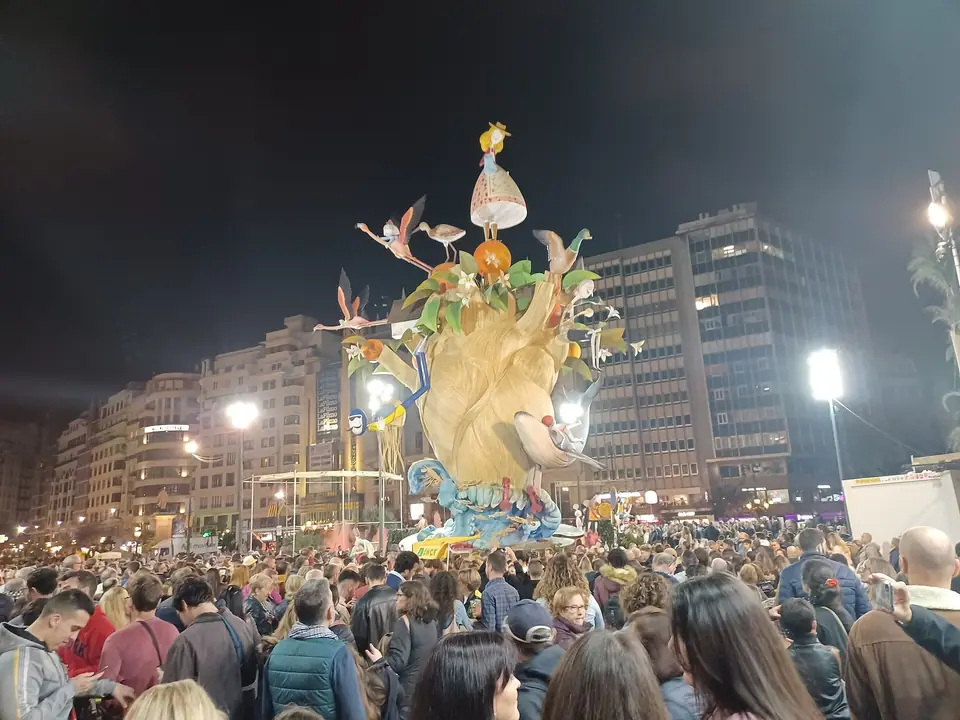
In early spring, average afternoon highs climb to 20°C while overnight lows sit at 10°C across 4 monthly rain days. From 1 to 19 March, the entire city transforms for Las Fallas (Les Falles). UNESCO inscribed the festival on the Representative List of the Intangible Cultural Heritage of Humanity in 2016. The tradition began among medieval carpenters' guilds (gremis de fusters) celebrating the arrival of spring. Each year they burned their wooden winter lamp-stands (parots) on the eve of their patron saint, Saint Joseph (Sant Josep, 19 March). Today nearly 400 neighbourhood commissions (casals fallers) spend the entire year funding and building the festival:
- La Mascletà at 14:00 daily (1 to 19 March). Every afternoon at 2:00 pm sharp, tens of thousands of spectators pack the perimeter of Plaza del Ayuntamiento. Pyrotechnic masters stage a five-minute daytime gunpowder concert measured in rhythmic cadence and chest-thumping vibrations, reaching 120 decibels in the final terremoto finale.
- La Plantà (15 to 16 March) and the 700 Monuments. Overnight between 15 and 16 March, artists finish raising nearly 700 satirical sculptural monuments (fallas grandes and fallas infantiles) across the streets. Built from painted wood, papier-mâché, and cork, the top Sección Especial monuments tower 20 to 30 metres high. A public ballot at the Exposición del Ninot in the Science Museum pardons just one figure (the Ninot Indultat) and one children's figure from the flames. Every winning figure since 1934 is preserved inside the Museo Fallero at Plaza Monteolivete.
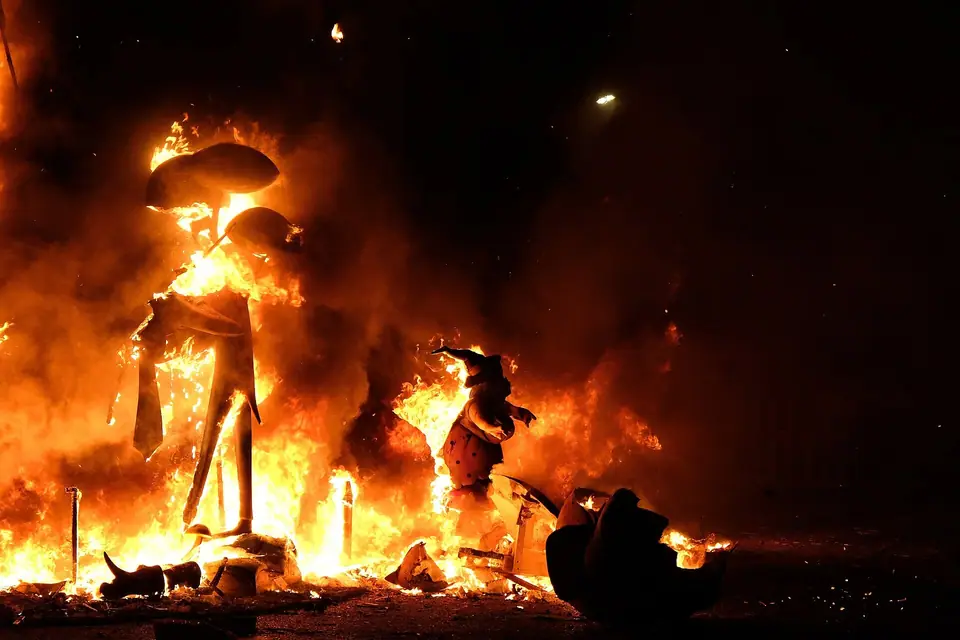
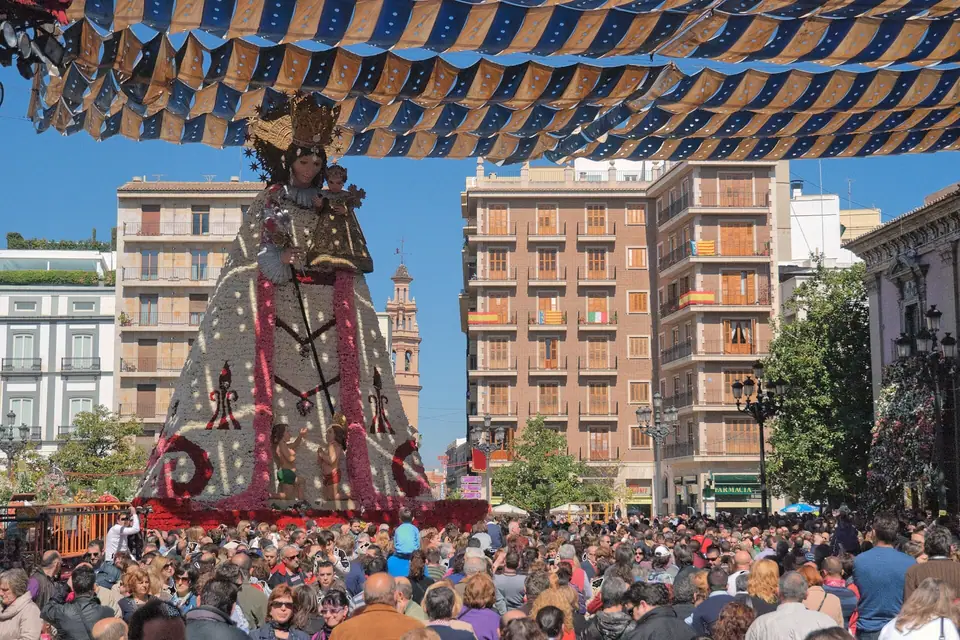
- Ofrenda de Flores (17 to 18 March) and La Cremà (19 March). Over two full days, more than 100,000 falleras and falleros dressed in eighteenth-century silk brocade and gold hair combs march into Plaza de la Virgen. There, helpers weave tens of thousands of red, white, and pink carnations into the 15-metre wooden mantle of the Virgin of the Forsaken. On the night of 19 March (La Nit de la Cremà), every monument in the city burns in giant bonfires under midnight fireworks. If you visit during Fallas week, book central hotels at least six months ahead.
April to June: Orange Blossom, Corpus Christi & Early Beach Weather
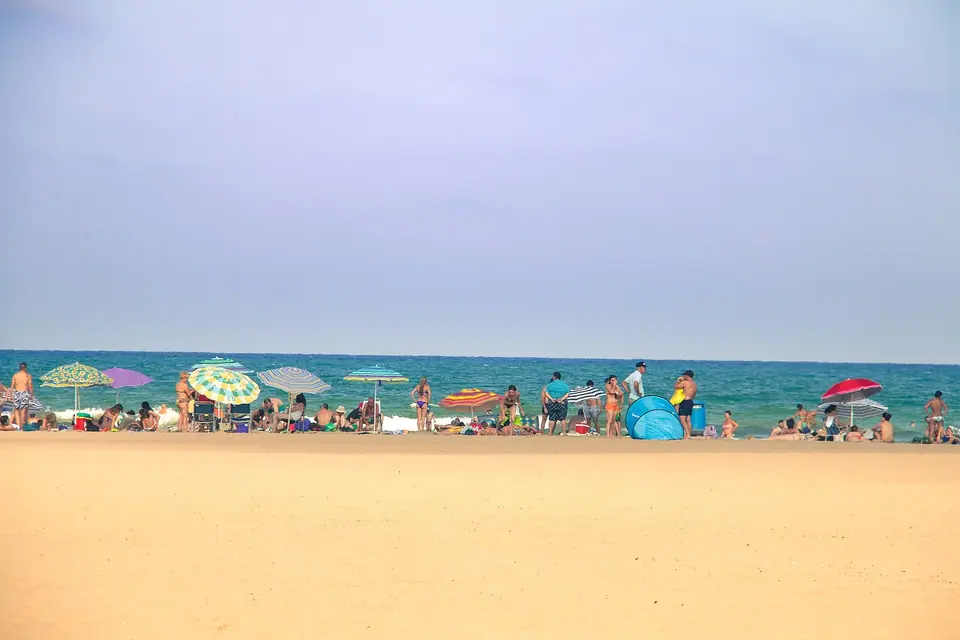
For travellers who want warm sunshine without festival crowds or August humidity, late April, May, and June are the finest months to visit Valencia. Daytime highs rise from 22°C in April (5 rain days) to 25°C in May (4 rain days) and 28°C in June (only 2 rain days). Sweet fragrance from millions of blooming orange blossoms (azahar) drifts across the plain from the surrounding huerta orchards. In late May or June, the Festa del Corpus Christi (celebrated since 1355) parades historic allegorical floats known as the Rocas through Ciutat Vella. Outside festival week, those carved wooden carriages stand on display free of charge inside the 1435 Museo del Corpus (Casa de las Rocas). On the night of 23 to 24 June (Nit de Sant Joan), beachgoers leap over bonfires along Malvarrosa Beach as Mediterranean sea temperatures pass 22°C.
July to August: Gran Fira de València & Warm Mediterranean Swims
High summer brings average afternoon highs of 31°C in July (just 1 rain day all month) and 31°C in August (2 rain days). Overnight lows stay between 22°C and 23°C while sea water warms to 25°C to 26°C. Throughout July, the city stages the month-long Gran Fira de València, founded in 1871. Evening concerts fill the Royal Gardens (Jardines del Real / Viveros) and fireworks light up the marina. On the final Sunday of July, Paseo de la Alameda hosts the Battle of Flowers (Batalla de Flores), established in 1891. Decorated horse-drawn floats and spectators toss over a million marigold blossoms across the avenue. In July and August, tour La Lonja and Mercado Central before 13:00. Spend mid-afternoon swimming at Patacona or inside the air-conditioned Oceanogràfic, then cycle the Turia after 18:00.
September to February: Rice Harvest, 9 d'Octubre & Mild 17°C Winters
September retains warm 28°C afternoons and 24°C sea water as farmers harvest the golden rice crop across Albufera Natural Park. September and October each average 5 rain days per month. During those autumn weeks, brief upper-level low-pressure systems called a DANA (gota fría) can bring intense 24-hour downpours before blue skies return. On 9 October (Nou d'Octubre), Valencia celebrates its regional day marking King James I of Aragon's entry into the city in 1238. That date also marks the feast of Sant Donís, when pastry shops sell marzipan fruits wrapped in a silk kerchief (La Mocadorà). From November (20°C highs) through December, January, and February, daytime highs average 17°C to 18°C with 8°C lows and 3 to 4 rain days. Sunny winter skies culminate in the fast, flat Valencia Marathon Trinidad Alfonso across the City of Arts bridges on the first Sunday of December.
Traveller tips
Real advice from people who have been to Valencia. Every tip is read by our team before it goes live.
No tips yet. Been here? Yours could be the first.
Thank you! Your tip will appear here after a quick review.
More in Valencia
Continue exploring Valencia with related neighbourhood, food, and planning guides
Where to Stay in Valencia: Ciutat Vella, El Carmen, Ruzafa, Eixample, Ciudad de las Artes & Malvarrosa Beach
Valencia, Spain
Valencia 3-Day Itinerary: Old Town UNESCO Silk Exchange, Turia Gardens, Calatrava's Arts Complex & Albufera
Valencia, Spain
City of Arts and Sciences Guide: Calatrava's Palau de les Arts, Hemisfèric, Science Museum & Oceanogràfic
Valencia, Spain
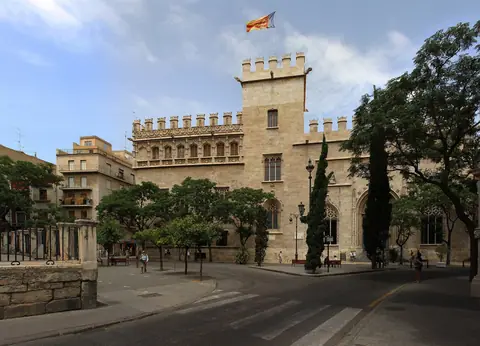
UNESCO La Lonja de la Seda (Silk Exchange), 1928 Mercado Central & Church of Santos Juanes Walk
Valencia, Spain
