





















Best Things to Do in Valencia: City of Arts and Sciences, UNESCO Silk Exchange, Central Market, Turia & Paella
Discover the essential experiences in Valencia, from Calatrava's City of Arts and Sciences and the UNESCO Silk Exchange to Mercado Central, cycling the Turia Gardens, and Albufera sunset boats.
Few Mediterranean cities span two thousand years of architectural ambition as effortlessly as Valencia. In a single morning inside the medieval core, you can walk across second-century BCE Roman forum flagstones beneath Plaza de la Virgen. Steps away rises a fifteenth-century Gothic mercantile hall whose stone columns twist like date palms. By afternoon, a twenty-minute bicycle ride down the sunken Turia riverbed brings you to Santiago Calatrava's futuristic cultural park. Just beyond wait Europe's largest marine aquarium and four kilometres of golden urban beach.
Eight essential experiences across Valencia
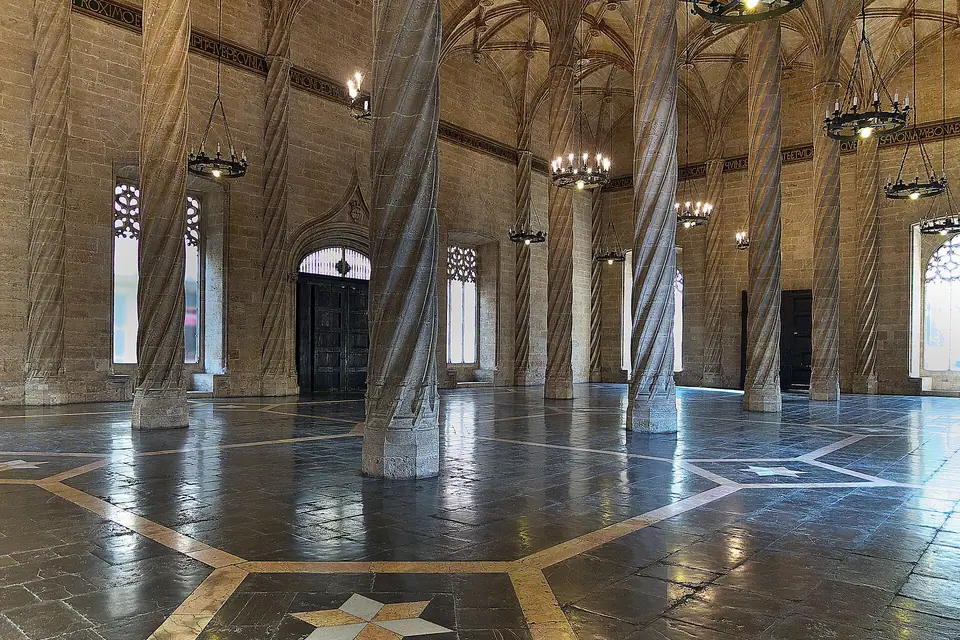
- Walk beneath the helical palm columns of UNESCO La Lonja de la Seda. Master builders Pere Compte and Joan Ibarra erected the Silk Exchange (Llotja de la Seda) between 1482 and 1548. UNESCO inscribed the hall on the World Heritage List in 1996. Inside the Sala de Contratación, eight spiral limestone columns rise 17.4 metres without capitals to branch into star-ribbed vaults. An orange-tree courtyard connects the hall to the gilded wooden ceiling of the Consolat del Mar maritime tribunal.
- Graze under the 30-metre stained-glass dome of Mercado Central. Directly opposite the Silk Exchange stands the 1914 to 1928 Valencian Art Nouveau (Modernisme Valencià) Central Market. Barcelona architects Alejandro Soler March and Francisco Guardia Vial designed its iron-and-glass pavilions. Covering 8,160 square metres with nearly 1,200 stalls, it is Europe's largest fresh-produce market hall. Browse saffron from La Mancha, dried garrofó butter beans, Dénia red prawns, and Iberian ham. Afterwards, step next door into the Church of Santos Juanes to view Antonio Palomino's restored 1702 vault frescoes.
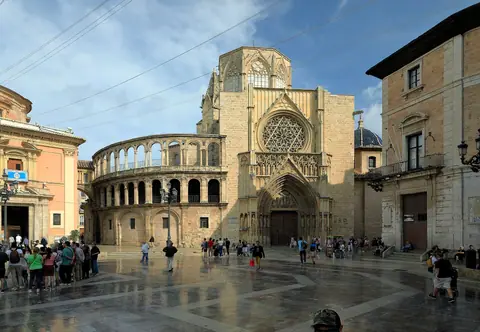
- See the Holy Chalice and climb the 207 steps of El Miguelete. Raised over the former Roman temple and Great Mosque after 1262, Valencia Cathedral (La Seu) unites three portals from three centuries. Visitors can compare the Romanesque Puerta del Palau, the Gothic Puerta de los Apóstoles, and the Baroque Puerta de los Hierros. Inside the 1356 Gothic chapter house rests the first-century agate cup venerated since 1437 as the Holy Chalice (Santo Cáliz). Above the high altar shine the 1472 Renaissance musical angels painted by Francesco Pagano and Paolo da San Leocadio. Climb the 207 spiral stone steps of the octagonal Micalet bell tower for a 360-degree view to the sea. On Thursdays at 12:00 noon, watch the UNESCO-listed Tribunal de las Aguas (Water Court) convene in black smocks outside the Apostles' Portal.
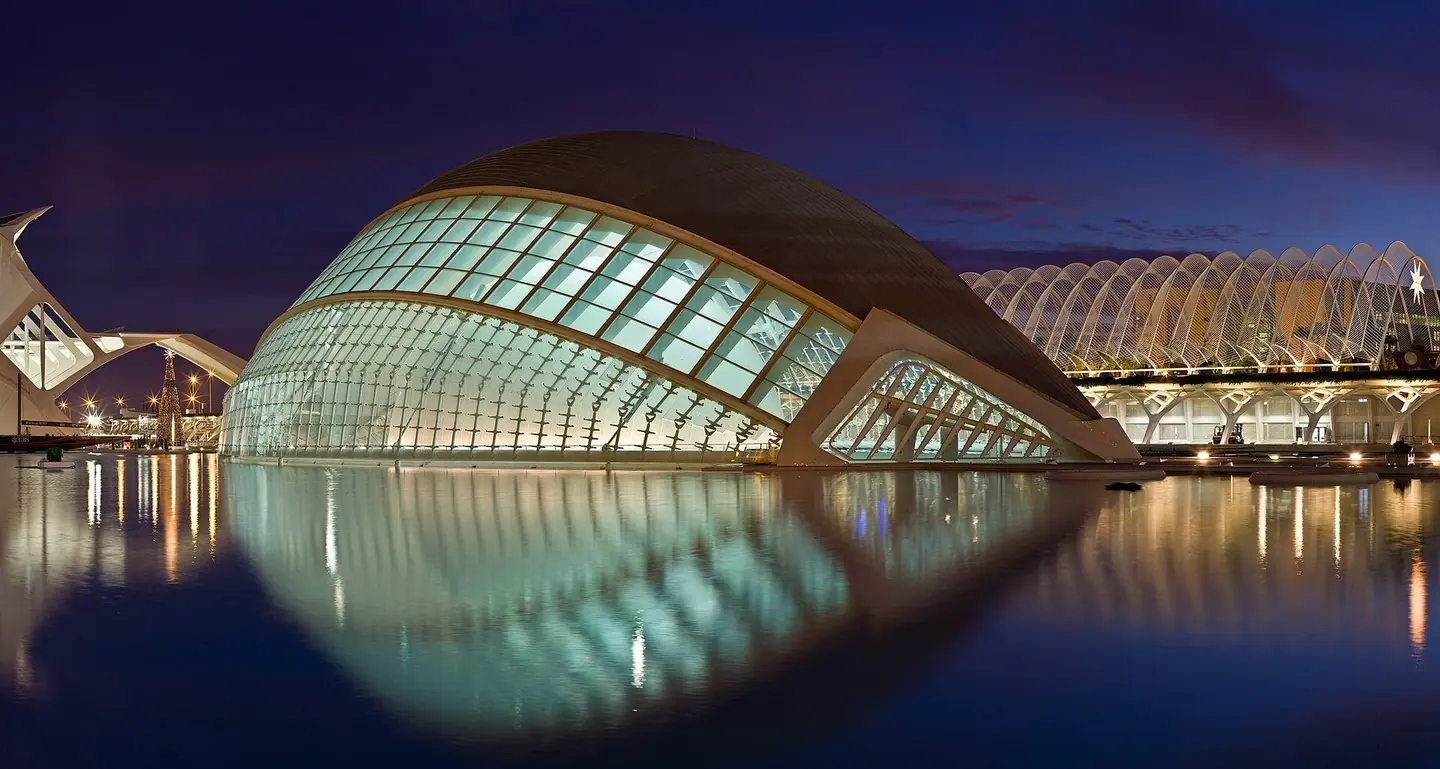
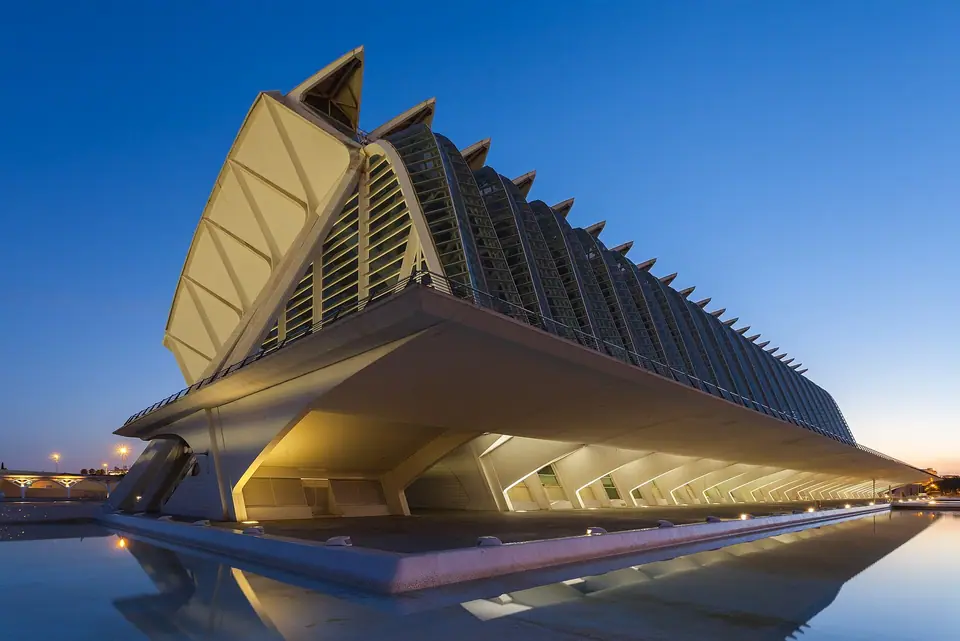
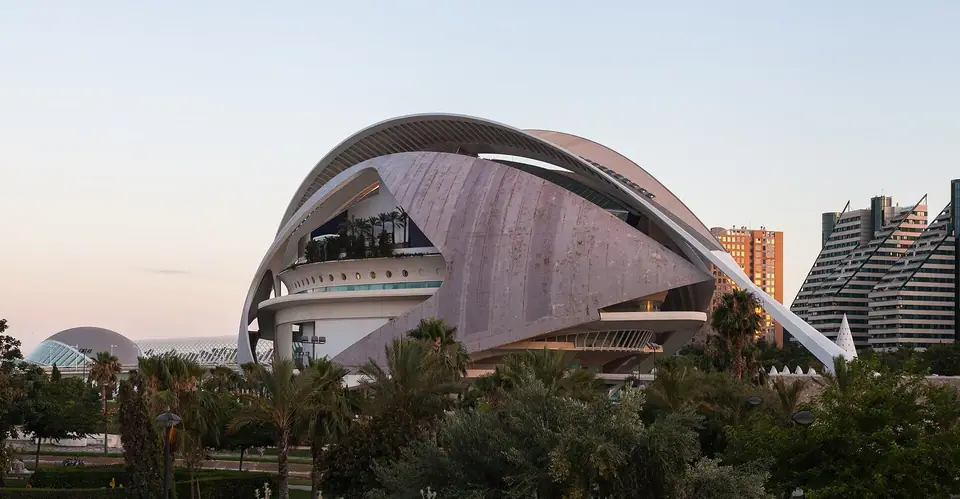
- Explore Santiago Calatrava's City of Arts and Sciences and Oceanogràfic. Stretching two kilometres along the eastern end of the Turia riverbed, the City of Arts and Sciences pairs white concrete arches with turquoise pools. Tour the eye-shaped 1998 Hemisfèric IMAX dome, the 2000 Príncipe Felipe Science Museum, and the 75-metre-tall 2005 Palau de les Arts Reina Sofía opera house. Walk the landscaped Umbracle promenade and visit the 2022 CaixaForum València inside the Ágora. At the eastern tip, Félix Candela's concrete water-lily roofs crown the 2003 Oceanogràfic. Europe's largest marine park shelters 45,000 animals across 500 species and features a 70-metre underwater shark tunnel.
- Cycle the 9-kilometre sunken Jardín del Turia from Bioparc to Gulliver Park. Rent a bicycle and pedal the car-free Turia Gardens beneath 18 bridges spanning six centuries. Crossings range from the 1401 Gothic Pont de la Trinitat and 1598 statued Pont de la Mar to Calatrava's 1995 Pont de l'Exposició. Along the route sit the 10-hectare barrier-free African habitats of Bioparc Valencia and the 1987 glass dome of the Palau de la Música. Families also stop at the 70-metre fibreglass giant of Gulliver Park, whose coat folds form free public slides.
- Climb the 1392 Torres de Serranos and walk El Carmen's street art alleys. Ascend the polygonal Gothic battlements of the Torres de Serranos (1392 to 1398) overlooking the riverbed. Republican curators sheltered more than 500 paintings from Madrid's Prado Museum inside its vaults during the Spanish Civil War. Next, wander the narrow medieval lanes of Barrio del Carmen past the 1400 Portal de la Valldigna and the miniature 2003 Casa de los Gatos. Admire urban murals along Calle Moret, the free cloisters of the CCCC (Centre del Carme Cultura Contemporània), and the cannonball-scarred 1441 Torres de Quart.
- Stroll El Cabanyal's tile-clad cottages and Malvarrosa Beach. Ride the tram east to the old fishing village of El Cabanyal to photograph early-1900s Modernisme popular houses faced in polychrome Manises ceramics. Afterwards, walk north along the palm-lined Paseo Marítimo beside Las Arenas, Malvarrosa, and Patacona beaches.
- Sail across Albufera Lagoon at sunset and eat wood-fired paella in El Palmar. Board EMT Bus 25 ten kilometres south into the 21,120-hectare Albufera Natural Park, the sixteenth-century birthplace of paella. Enjoy a midday rice feast in the island village of El Palmar, then board a wooden albuferenc boat across Spain's largest coastal freshwater lagoon.
Adding Rococo palaces, fine art, and castle day trips
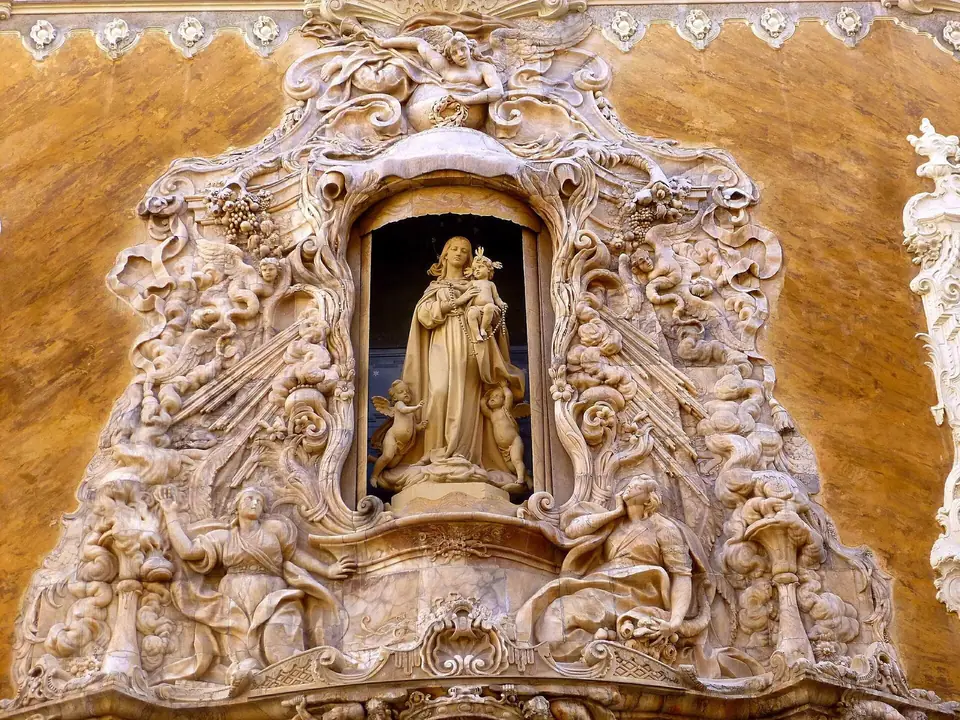
Between headline monuments, save two hours for the extravagant 1740s carved alabaster portal of the Palacio del Marqués de Dos Aguas. Inside, gilded eighteenth-century state rooms house the González Martí National Museum of Ceramics. Across the riverbed on the northern bank stands the Museum of Fine Arts of Valencia (Museo de Bellas Artes), where admission is free of charge. It ranks as Spain's second-most important historic painting gallery, with rooms devoted to Joaquín Sorolla, Francisco de Goya, Diego Velázquez, and El Greco. Travellers staying four days can board a 30- to 45-minute Cercanías train from Estació del Nord. Direct trains reach the twin hilltop fortresses of Xàtiva Castle and the Roman Theatre of Sagunto. Food lovers can also follow our Valencia food guide into the tiger-nut fields of Alboraya for fresh horchata and glazed fartons.
Traveller tips
Real advice from people who have been to Valencia. Every tip is read by our team before it goes live.
No tips yet. Been here? Yours could be the first.
Thank you! Your tip will appear here after a quick review.
More in Valencia
Continue exploring Valencia with related neighbourhood, food, and planning guides
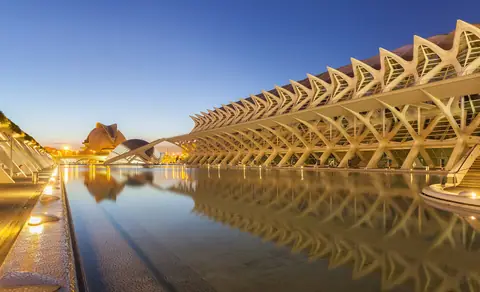
Valencia 3-Day Itinerary: Old Town UNESCO Silk Exchange, Turia Gardens, Calatrava's Arts Complex & Albufera
Valencia, Spain
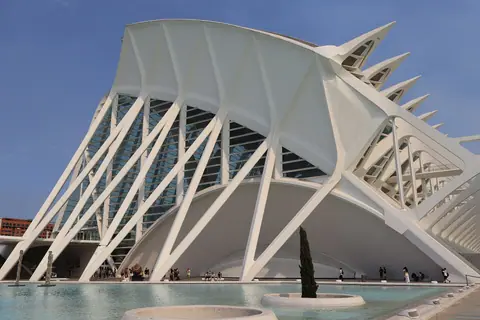
City of Arts and Sciences Guide: Calatrava's Palau de les Arts, Hemisfèric, Science Museum & Oceanogràfic
Valencia, Spain
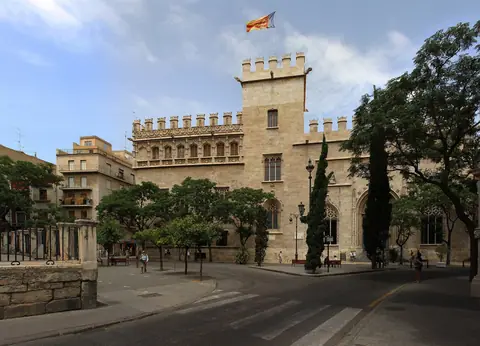
UNESCO La Lonja de la Seda (Silk Exchange), 1928 Mercado Central & Church of Santos Juanes Walk
Valencia, Spain
Valencia Cathedral, Holy Chalice Chapel, 207-Step Miguelete Bell Tower, Plaza de la Virgen & Almoina Ruins
Valencia, Spain
