Kunsthistorisches Museum and the MuseumsQuartier
From Bruegel and Habsburg treasures on Maria-Theresien-Platz to Egon Schiele in the former imperial stables.
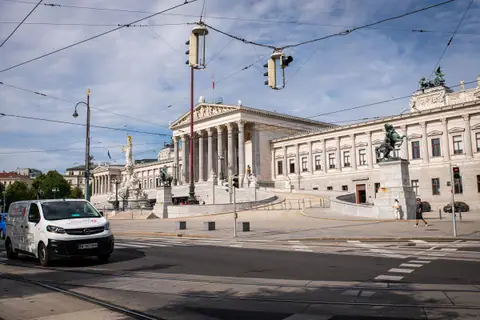
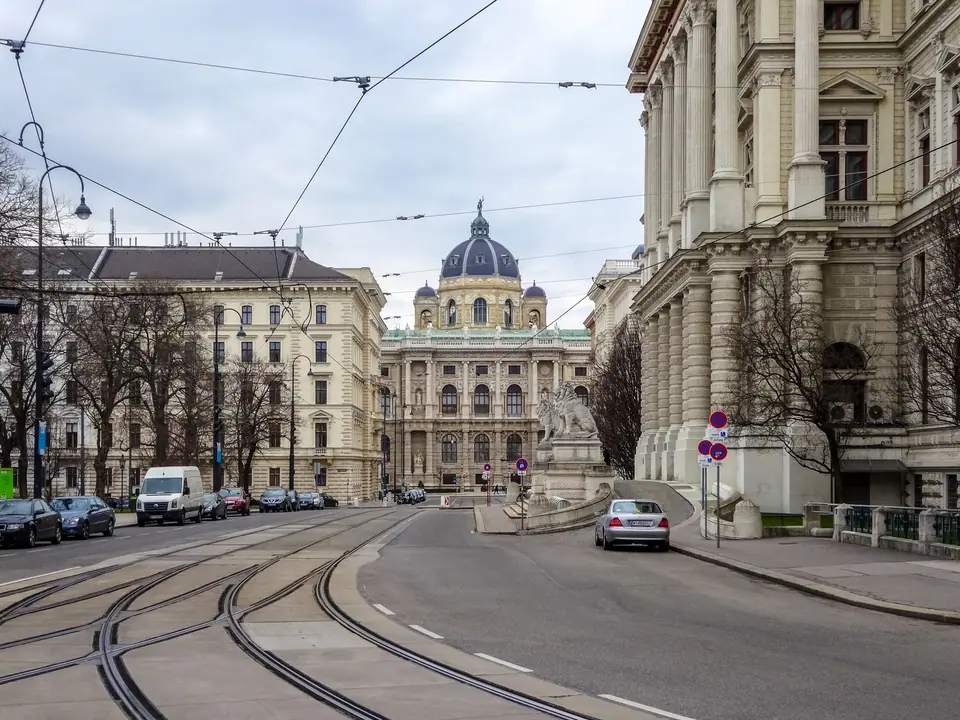
Where the southwest curve of the Ringstrasse meets the outer edge of the Hofburg, two identical 19th-century palace-museums face each other across the hedge-trimmed lawns of Maria-Theresien-Platz, and just across the road stand the converted imperial stables of the MuseumsQuartier. Together they hold enough art to occupy three days; the trick is picking one building on each side of the road.
Inside the Kunsthistorisches Museum
Opened by Emperor Franz Joseph in 1891 to display the collections amassed by the Habsburgs over five centuries, the Museum of Fine Arts (to the left of Empress Maria Theresa's statue as you face out from the Ring) is as lavish as the works inside it. Look up as you climb the marble staircase: the spandrels between the arches were painted by a young Gustav Klimt before he broke with academic style.
- The Picture Gallery (first floor): Gallery X holds the greatest single room of works by Pieter Bruegel the Elder anywhere, including The Hunters in the Snow, The Tower of Babel and The Peasant Wedding. Surrounding halls hang Velázquez's portraits of the Spanish infanta, Vermeer's The Art of Painting, Caravaggio, Raphael, Titian, Rubens and Dürer.
- The Kunstkammer (half-floor below): 20 rooms of Renaissance and Baroque curiosities, clockwork automata, carved ivory, coral and Benvenuto Cellini's gold salt cellar (Saliera), stolen in 2003 and recovered in a forest box three years later.
- Antiquities and the Café: Egyptian, Greek and Roman galleries occupy the high-ceilinged lower level, while the circular café under the central dome is a theatrical spot for a coffee break. Thursday evenings keep the museum open later than usual; check the official site for schedules.
Its mirror-image twin across the square, the Naturhistorisches Museum, preserves 19th-century wooden display cases of meteorites, dinosaurs and the 29,500-year-old limestone figurine known as the Venus of Willendorf.
Across the road at the MuseumsQuartier (MQ)
Cross the Ring into Fischer von Erlach's 350-metre Baroque stable block, reworked in 2001 into a lively cultural courtyard where modern limestone and basalt buildings stand face to face:
- The Leopold Museum: the white limestone cube on the left holds the largest collection of works by Egon Schiele in the world, alongside Gustav Klimt's Death and Life, Wiener Werkstätte furniture by Hoffmann and Moser, and a top-floor terrace looking back over the Hofburg domes.
- MUMOK: the dark grey basalt block opposite houses modern and contemporary art from Pop Art and Fluxus to Viennese Actionism.
- Architekturzentrum Wien and Kunsthalle Wien: smaller exhibitions on architecture and contemporary art, plus the ZOOM Children's Museum.
How to split them without museum fatigue
Do not do the Kunsthistorisches Museum and the Leopold Museum back to back in one morning. Spend the morning in the Picture Gallery and Kunstkammer, walk ten minutes down to the Naschmarkt or Neubau for lunch, and come back to the MuseumsQuartier in the late afternoon, when students and locals sit on the colourful outdoor courtyard loungers with drinks from the café terraces.
Traveller tips
Real advice from people who have been to Kunsthistorisches Museum and the MuseumsQuartier. Every tip is read by our team before it goes live.
No tips yet. Been here? Yours could be the first.
Thank you! Your tip will appear here after a quick review.
More in Vienna
Continue exploring Vienna with related neighbourhood, food, and planning guides