Vienna: What to Know Before You Go
The layout of the numbered districts, Sunday rules, money tips and local habits that shape a trip to Vienna.
Short answer: learn how the Ringstrasse divides the city, book timed slots for Schönbrunn and the Upper Belvedere, use the U-Bahn and trams rather than taxis, and do not buy concert tickets from anyone dressed as Mozart on the street. Vienna is one of the easiest capitals in Europe to navigate once you know a few local rules.
How the numbered districts work
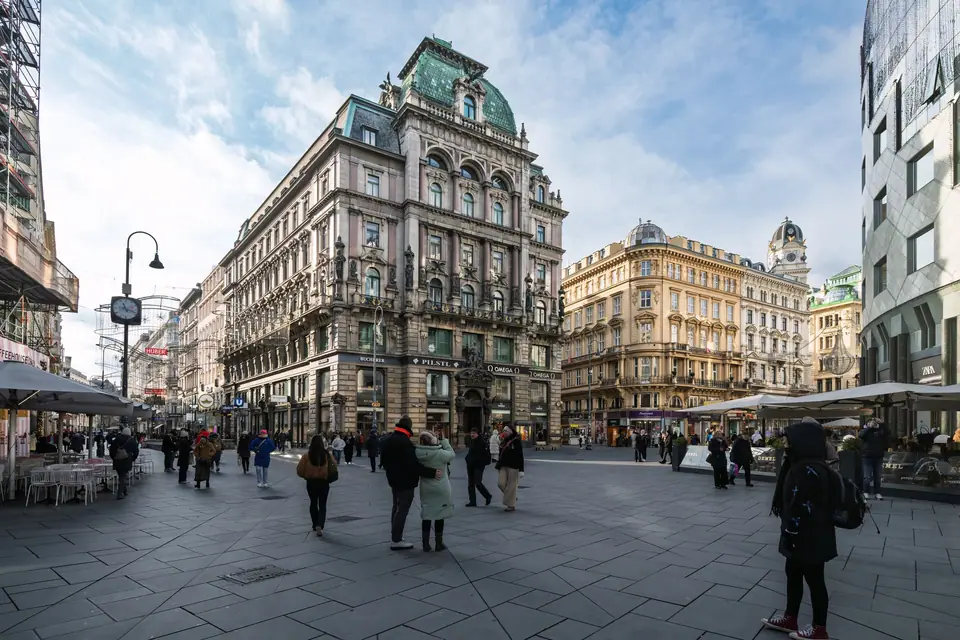
Every Viennese address includes a four-digit postcode whose middle two digits tell you the district (Bezirk). The 1st district, 1010 (the Innere Stadt), is the old walled core around St Stephen's Cathedral and the Hofburg. The Ringstrasse boulevard loops around it where the medieval fortifications once stood. Districts 2 to 9 fan out between the Ring and the outer Gürtel road, holding the MuseumsQuartier (7th), the Belvedere (3rd) and the Prater (2nd). Districts 10 to 23 form the outer ring, including Schönbrunn Palace in the 13th and the wine villages of the 19th.
Money, cards and tipping
Austria uses the euro. Contactless cards work in almost all hotels, shops, museums and restaurants, though a few traditional coffee houses, sausage stands (Würstelstände) and wine taverns still ask for cash, so carry some notes. Tipping is modest and done when paying: tell the waiter the total you want to round up to (around 5 to 10 percent for table service) rather than leaving coins on the tablecloth.
Sunday closures and daily habits
Almost every shop, bakery and supermarket in Vienna closes on Sundays and public holidays. If you arrive on a Sunday and need groceries, the supermarkets inside the main train stations (Wien Hauptbahnhof, Wien Mitte, Westbahnhof and Praterstern) stay open. Museums, palaces, cafés and restaurants open on Sundays as normal; Monday or Tuesday is the usual closing day for smaller collections.
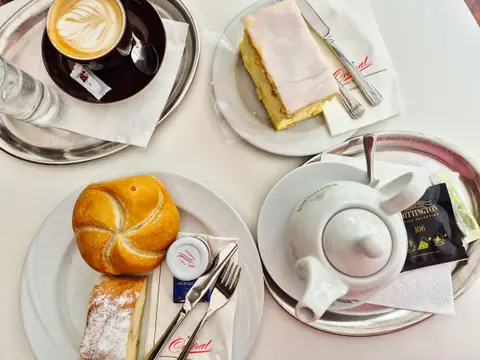
Vienna's tap water comes straight from mountain springs in the Lower Austrian and Styrian Alps along 19th-century aqueducts. It is cold, clean and safe to drink from any tap or street drinking fountain, and every coffee in a traditional café arrives with a small glass of it.
What to book ahead and what to ignore
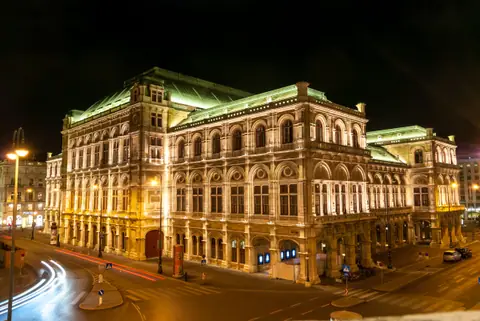
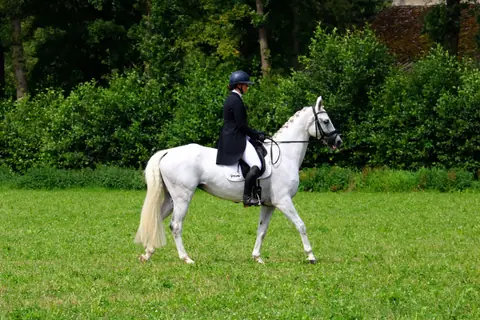
Timed entry slots for Schönbrunn and the Upper Belvedere sell out at busy periods, and seated tickets for the State Opera and the Spanish Riding School go weeks ahead. Around Stephansplatz and the Hofburg you will be approached by sellers in 18th-century wigs and waistcoats offering Mozart and Strauss concerts; these are tourist recitals of uneven quality, and we explain the real concert halls in our music guide.
Traveller tips
Real advice from people who have been to Vienna: What to Know Before You Go. Every tip is read by our team before it goes live.
No tips yet. Been here? Yours could be the first.
Thank you! Your tip will appear here after a quick review.
More in Vienna
Continue exploring Vienna with related neighbourhood, food, and planning guides