Naschmarkt, Spittelberg and Local Vienna Beyond the Ring
Open-air markets, Biedermeier lanes, independent shops and the residential districts outside the Ringstrasse.
Once you step across the Ringstrasse into the numbered inner suburbs (districts 2 to 9), the imperial stone gives way to pastel Biedermeier townhouses, Art Nouveau apartment blocks, open-air food markets and the streets where Viennese residents spend their weekends.
The Naschmarkt and Linke Wienzeile. Stretching for more than a kilometre over the vaulted Wien River between Karlsplatz and Kettenbrückengasse (U4), the Naschmarkt has been Vienna's main food market since the 16th century. Today its two long lanes mix Austrian produce, Styrian pumpkin seed oil, mountain cheeses and vinegar stands with Levantine falafel, Turkish olives and casual seafood restaurants. Go before 11am on a weekday to browse without being hustled by restaurant touts, and remember to look up at the northern side of the street (Linke Wienzeile 38 and 40), where Otto Wagner built two of Vienna's finest Art Nouveau apartment facades: the gilded Majolikahaus covered in floral ceramic tiles and the neighbouring building decorated with golden medallions by Koloman Moser. On Saturday mornings, a sprawling flea market (Flohmarkt) sets up at the western end by Kettenbrückengasse. Just south of the market, the Freihausviertel around Schleifmühlgasse in the 4th district has third-wave coffee bars, bakeries and contemporary galleries.
Spittelberg and Neubau (7th district). Directly behind the MuseumsQuartier, three narrow cobbled lanes (Spittelberggasse, Schrankgasse and Gutenberggasse) preserve the low-slung Biedermeier houses of an 18th-century suburb, with quiet courtyard gardens in summer and a craft Christmas market in December. Walk further west into Neubau along Siebensterngasse, Neubaugasse and Kirchengasse to find independent Austrian designers, bookshops, record stores and some of our favourite boutique hotels.
Karmelitermarkt and Leopoldstadt (2nd district). Across the Donaukanal from Schwedenplatz, the 2nd district was the historic centre of Jewish life in Vienna before 1938 and is home to a growing Jewish community again today. Around the Karmelitermarkt, traditional butchers, bakeries and kosher grocers sit alongside modern bistros and breakfast cafés, and on Saturday mornings farmers from Lower Austria set up stalls in the middle of the square. At the northern edge of the district spreads the Baroque park of the Augarten, guarded by two giant concrete Second World War anti-aircraft flak towers and home to the Augarten porcelain manufactory.
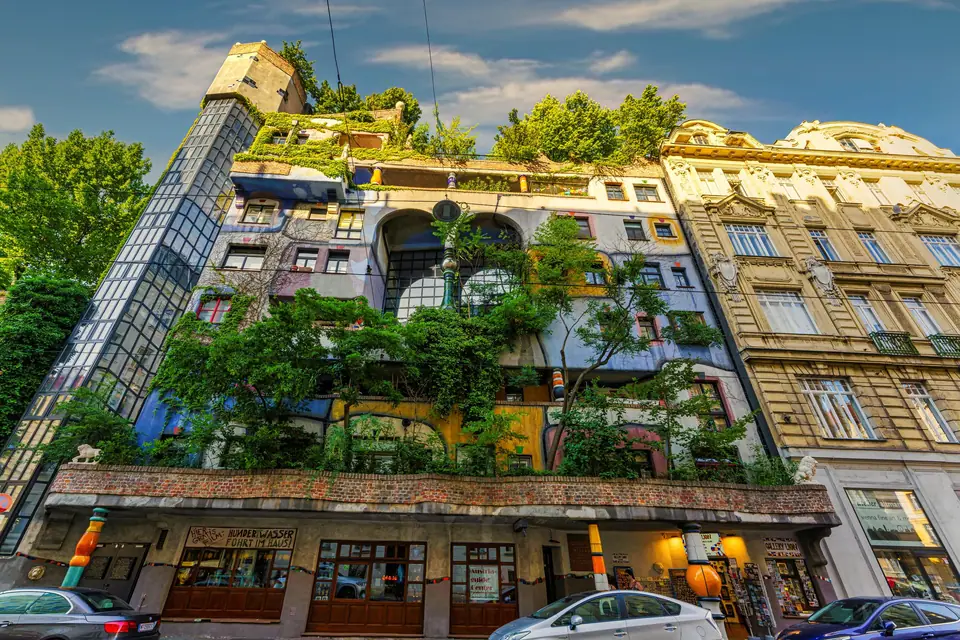
Hundertwasserhaus and Kunst Haus Wien (3rd district). East of the centre in Landstraße (tram 1 to Hetzgasse), painter and environmentalist Friedensreich Hundertwasser designed a 1985 municipal housing block with undulating floors, bright patchwork facades, onion domes and more than 200 trees growing from the balconies and roof. Because people live inside, the apartments can only be viewed from the pavement; walk five minutes north to the recently renovated Kunst Haus Wien (Untere Weißgerberstraße 13) to step inside a Hundertwasser building, see his paintings and sit in the leafy courtyard café.
Traveller tips
Real advice from people who have been to Naschmarkt, Spittelberg and Local Vienna Beyond the Ring. Every tip is read by our team before it goes live.
No tips yet. Been here? Yours could be the first.
Thank you! Your tip will appear here after a quick review.
More in Vienna
Continue exploring Vienna with related neighbourhood, food, and planning guides