


























Best Time to Visit Visby: SMHI Weather, Rose Season and Festivals
Check SMHI 1991 to 2020 monthly climate normals for Visby and compare June rose season, July beach weather, August Medieval Week, and winter markets.
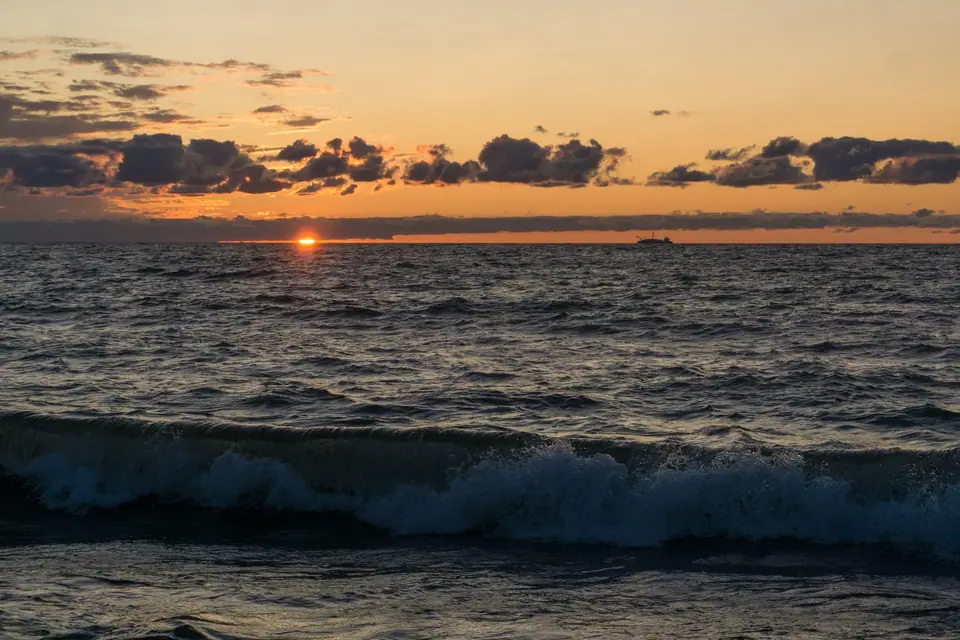
Surrounded by the heat-retaining waters of the Baltic Sea, Visby and Gotland enjoy one of Sweden's sunniest and mildest maritime climates. According to Swedish Meteorological and Hydrological Institute (SMHI) 1991 to 2020 climate normals recorded at Visby Airport, annual precipitation averages just 533.2 millimetres, making Gotland noticeably drier and sunnier in spring and early summer than the western Swedish mainland.
June to August: Rose Season, Warm Baltic Days and Major Weeks
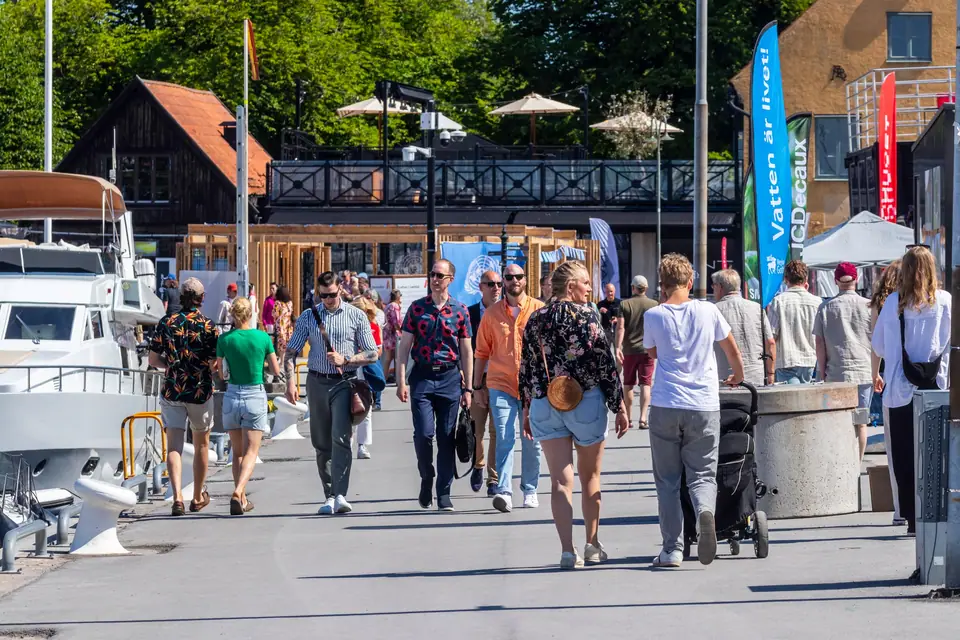
Summer brings Visby's warmest weather, with SMHI average daily highs of 19 °C in June, 22 °C in July, and 21 °C in August, while overnight lows hold at 10 °C in June and 13 °C in July and August. Rainfall averages 43 mm in June, 61 mm in July, and 57 mm in August. Climbing roses along Fiskargränd and Klinten burst into bloom from mid-June through July. Be aware of two peak calendar weeks: week 26 in late June hosts Almedalsveckan in Almedalen, and week 32 in early August hosts Medeltidsveckan (Medieval Week). Early June and the second half of August offer warm sea breezes, open summer restaurants, and much easier accommodation availability.
May and September to October: Dry Spring and Golden Maritime Autumn
Spring arrives steadily once the Baltic warms: average highs climb from 4 °C in March and 10 °C in April to 15 °C in May, while March (28 mm), April (25 mm), and May (29 mm) are the three driest months of the year. In May, wild orchids and ramsons bloom across Högklint and rural wooded meadows (ängen). Because the Baltic Sea releases stored summer warmth slowly, September averages a comfortable 17 °C high (10 °C low, 48 mm rain) and October averages 11 °C (6 °C low, 54 mm rain), making early autumn ideal for cycling to Fårö and tasting Gotland truffles.
November to April: Quiet Ramparts and Advent on Stora Torget
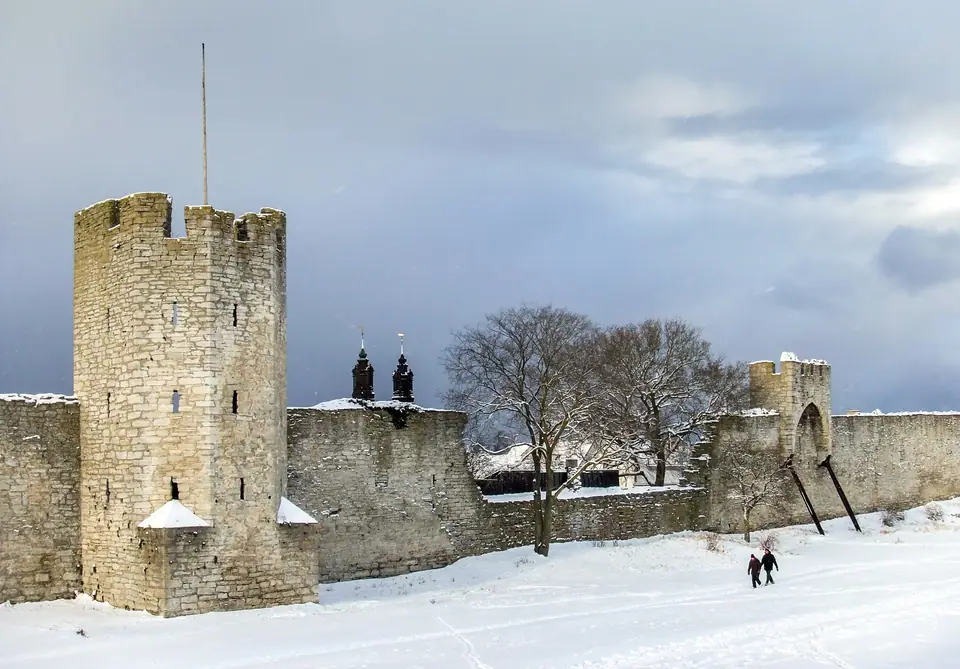
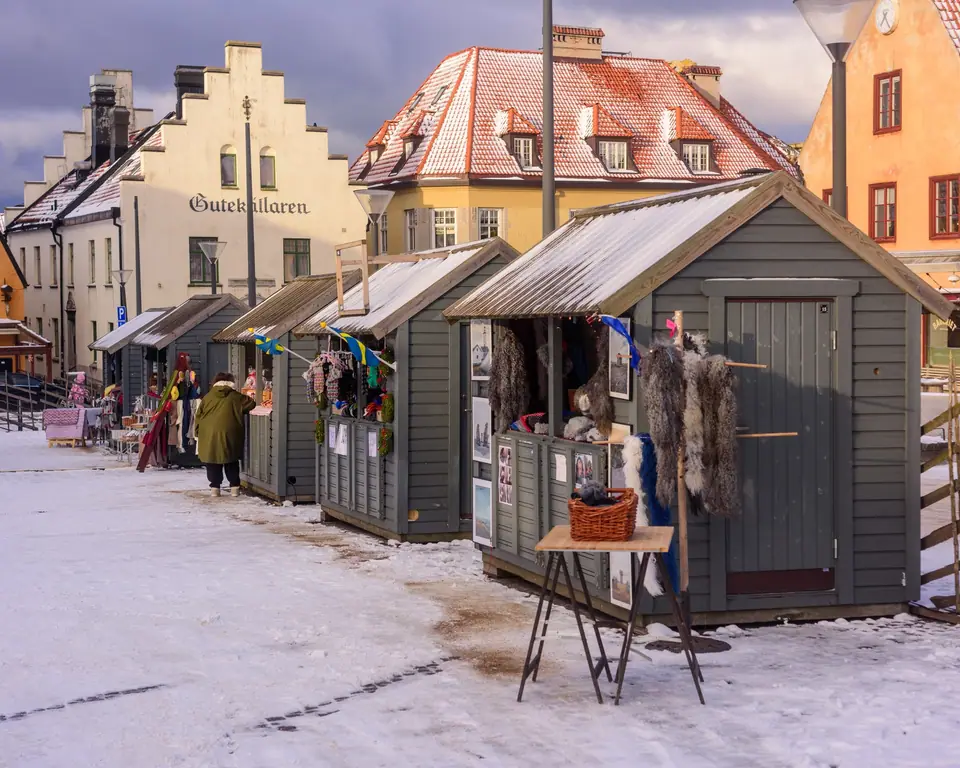
Winter in Visby is mild by Swedish standards, with average highs of 6 °C in November, 4 °C in December, and 2 °C in January and February, and average lows dipping to -2 °C in January and -3 °C in February (54 to 56 mm monthly precipitation in late autumn and December).
Month-by-Month Summary for Trip Planning
For a balanced mix of blooming roses, 18 hours of daylight, and uncrowded lanes, aim for the opening three weeks of June or the final two weeks of August; for medieval pageantry choose week 32, and for quiet coastal photography pick May or September.
Traveller tips
Real advice from people who have been to Best Time to Visit Visby: SMHI Weather, Rose Season and Festivals. Every tip is read by our team before it goes live.
No tips yet. Been here? Yours could be the first.
Thank you! Your tip will appear here after a quick review.
More in Visby
Continue exploring Visby with related neighbourhood, food, and planning guides
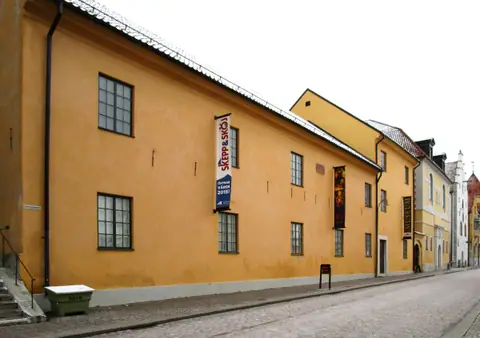
Gotlands Museum (Fornsalen) and the Spillings Viking Silver Hoard
Visby, Sweden
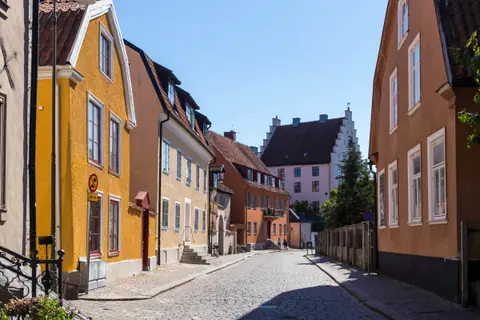
Stora Torget, Strandgatan and Visby's Medieval Lanes
Visby, Sweden
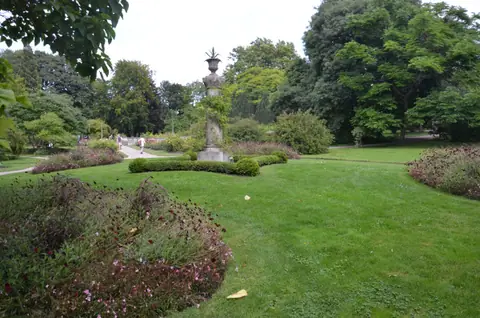
DBW's Botanical Garden and Almedalen: Visby's Green Seafront
Visby, Sweden
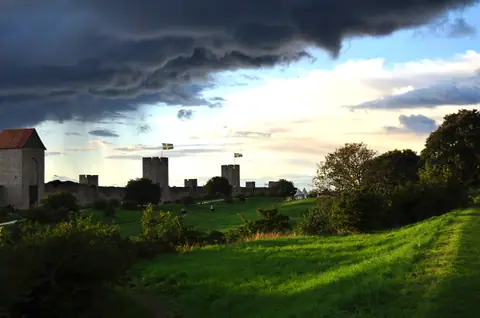
Medieval Week (Medeltidsveckan) and the 1361 Battle of Visby at Korsbetningen
Visby, Sweden
