


























Visby: Essential Planning for Gotland's Walled Town
Plan your visit to Visby on Gotland with practical advice on the four tiers of the walled town, ferry and airport links, and island transport.
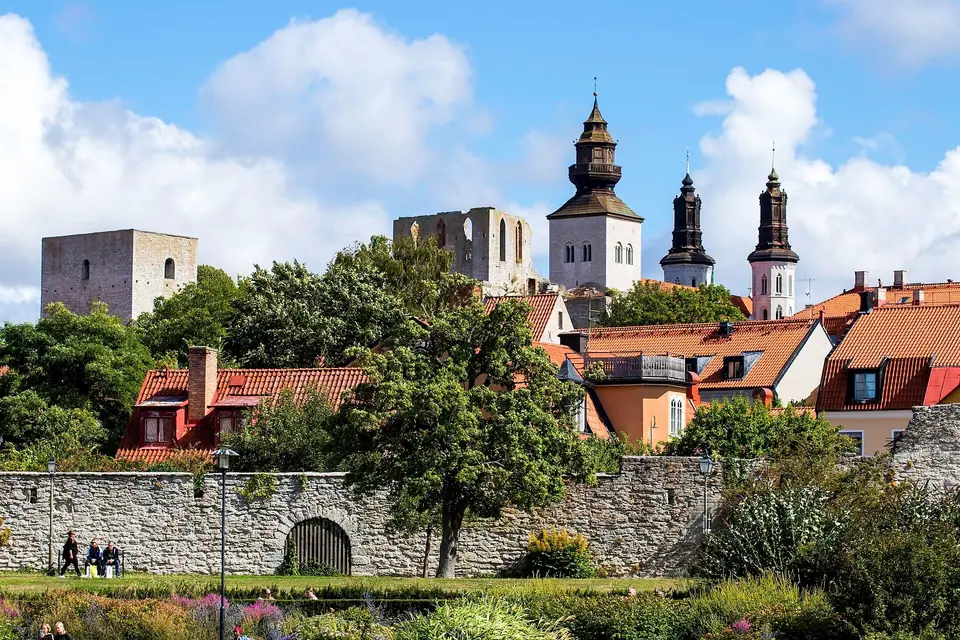
Set on terraced limestone shelves rising from the Baltic Sea on the northwestern coast of Gotland, Visby is the best-preserved fortified commercial city in northern Europe and has been a UNESCO World Heritage Site since 1995. Gotland itself is Sweden's largest island at 2,994 square kilometres (3,151.4 square kilometres for the province including nearby islets), lying roughly 100 kilometres east of the Swedish mainland with an island population of 61,023 in 2024 and about 26,000 residents in Visby. Known as the City of Roses and Ruins (rosornas och ruinernas stad), the town combines a 3.44-kilometre medieval stone ring wall with step-gabled Hanseatic warehouses, vaulted church ruins, and timber cottages draped in climbing roses.
Understanding the Four Terraces Inside the Ring Wall
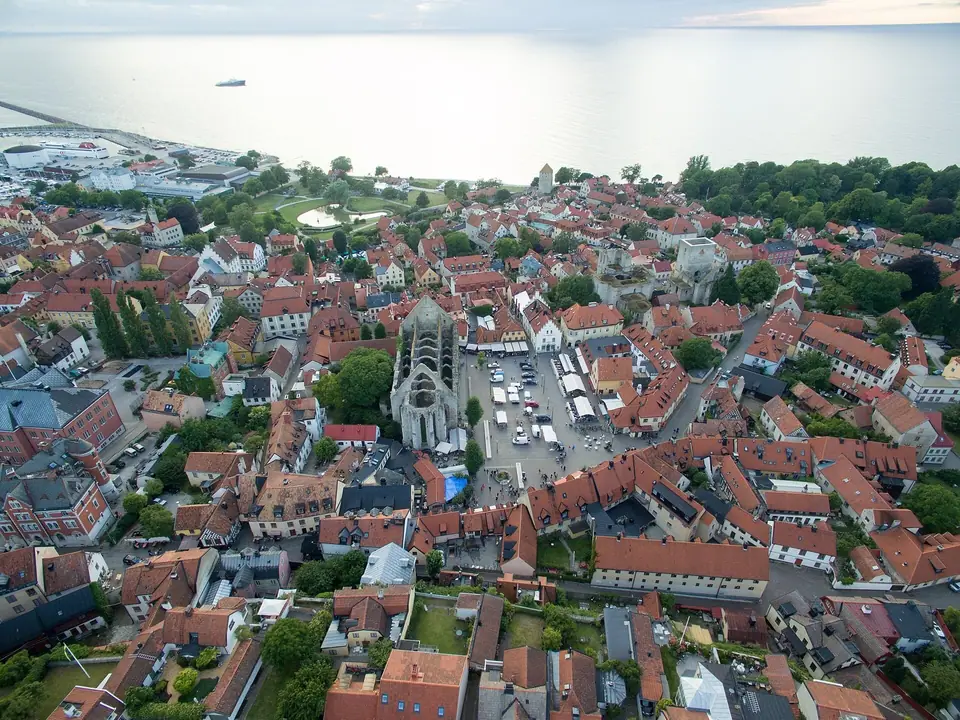
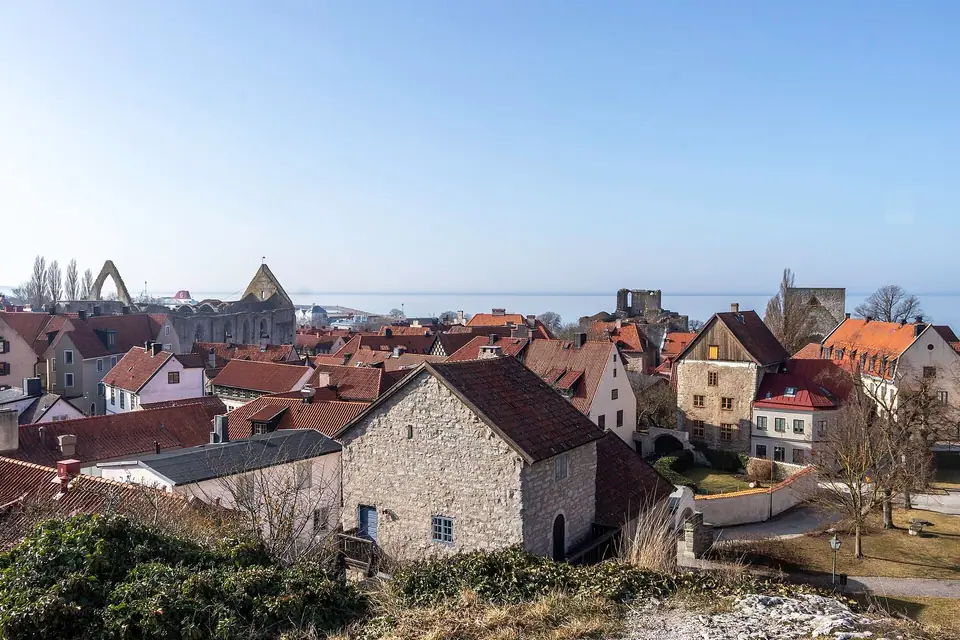
Historic Visby inside the medieval city wall and towers is arranged across four distinct coastal terraces that step up from west to east. Along the water sits the modern ferry port, the former medieval harbour basin of Almedalen and DBW's Botanical Garden, and the 12th century tower Kruttornet. Immediately inland runs Strandgatan and the lower merchant quarter, where tall Hanseatic packhouses lined the medieval quayside. One terrace higher runs Mellangatan and Sankt Hansgatan toward Stora torget and Visby Cathedral and the church ruins, while steep stone staircases climb to the highest eastern limestone shelf, Klinten and Norderklint, overlooking the rooftops and sea.
When to Book and How Long to Stay
Three full days give enough time to explore the walled city and take a day excursion across northern or western Gotland. As detailed in best time to visit Visby, two major annual gatherings fill almost every bed inside the wall: Almedalsveckan, the Swedish political forum held in calendar week 26 around late June, and Medeltidsveckan, held in calendar week 32 in August since 1984. If you travel during July or either festival week, reserve ferries and rooms well in advance; in May, early June, or September, temperatures remain mild and the lanes are far calmer.
Money, Cobblestones and Island Transport
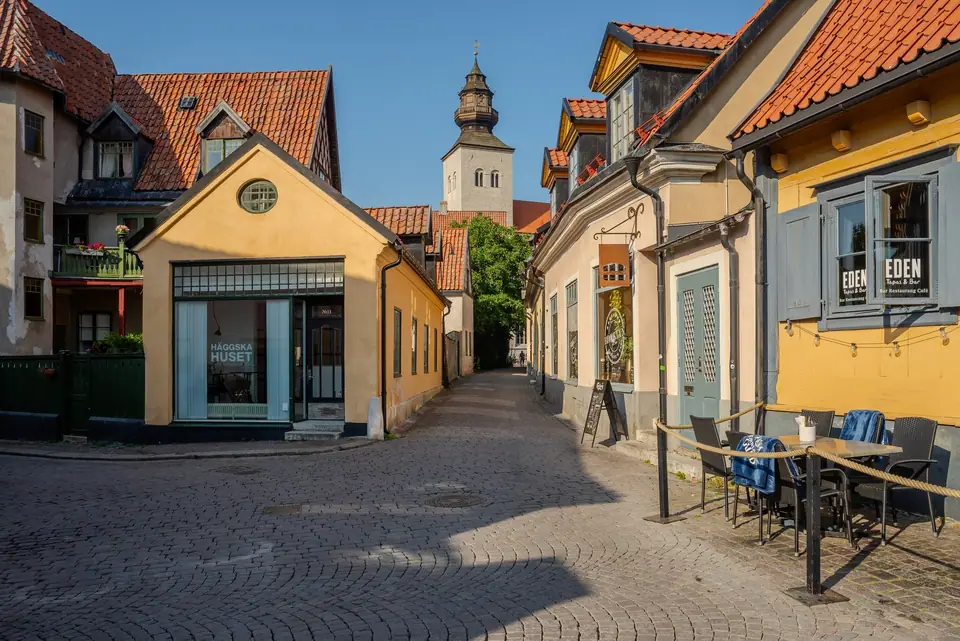
Sweden uses the Swedish krona (SEK), and card or contactless payments are accepted almost everywhere on Gotland, from harbour bicycle rentals to rural farm cafés. Inside the wall, motor traffic is restricted during summer and cobblestone alleys such as Fiskargränd and Trappgatan are steep and uneven, so flat walking shoes are essential. For excursions to Högklint and Kneippbyn or Lummelunda Cave and Fårö, pick up a bicycle near the ferry terminal or a rental car outside Österport.
Traveller tips
Real advice from people who have been to Visby: Essential Planning for Gotland's Walled Town. Every tip is read by our team before it goes live.
No tips yet. Been here? Yours could be the first.
Thank you! Your tip will appear here after a quick review.
More in Visby
Continue exploring Visby with related neighbourhood, food, and planning guides
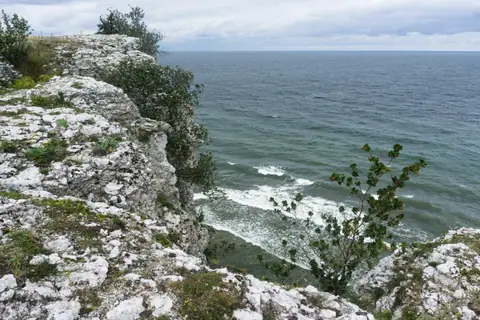
Coastal Walks, Högklint Sea Cliffs and Kneippbyn's Villa Villekulla
Visby, Sweden
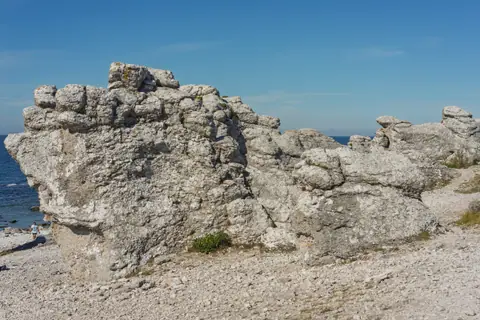
Lummelunda Cave and Fårö Island: Sea Stacks, Beaches and Bergman's Gotland
Visby, Sweden
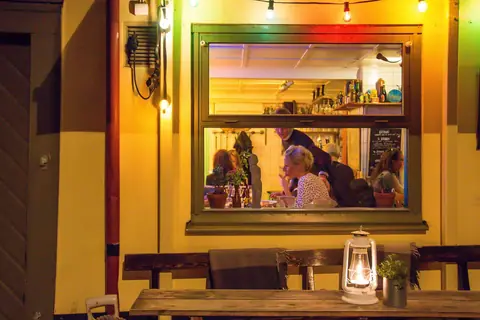
What to Eat in Visby: Saffranspannkaka, Gotland Lamb and Island Dining
Visby, Sweden
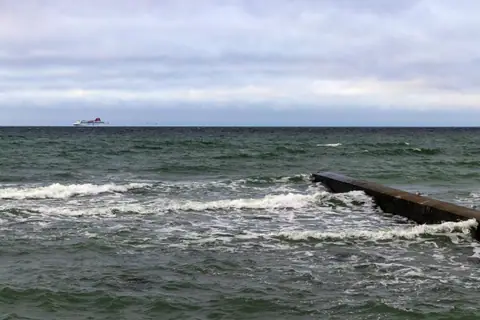
How to Get to Visby: Destination Gotland Ferries, Flights and Island Buses
Visby, Sweden
