


























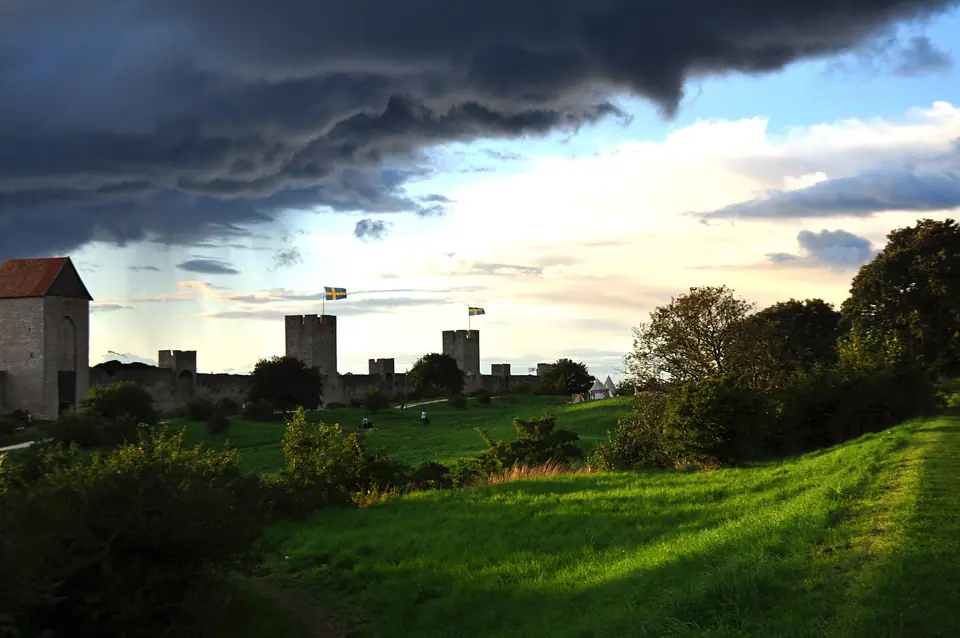
Medieval Week (Medeltidsveckan) and the 1361 Battle of Visby at Korsbetningen
Explore the history of the 27 July 1361 Battle of Visby, the memorial cross at Korsbetningen, and Gotland's annual Medieval Week (Medeltidsveckan).
Few events shaped Gotland's history more dramatically than the Danish invasion of July 1361, when King Valdemar IV Atterdag of Denmark landed on the island and defeated the Gutnish yeoman army outside the walls of Visby. Today that pivotal summer is remembered both at the solemn medieval stone cross of Korsbetningen and through Medeltidsveckan (Medieval Week), Sweden's largest historical festival, staged across Visby and Gotland every August since 1984.
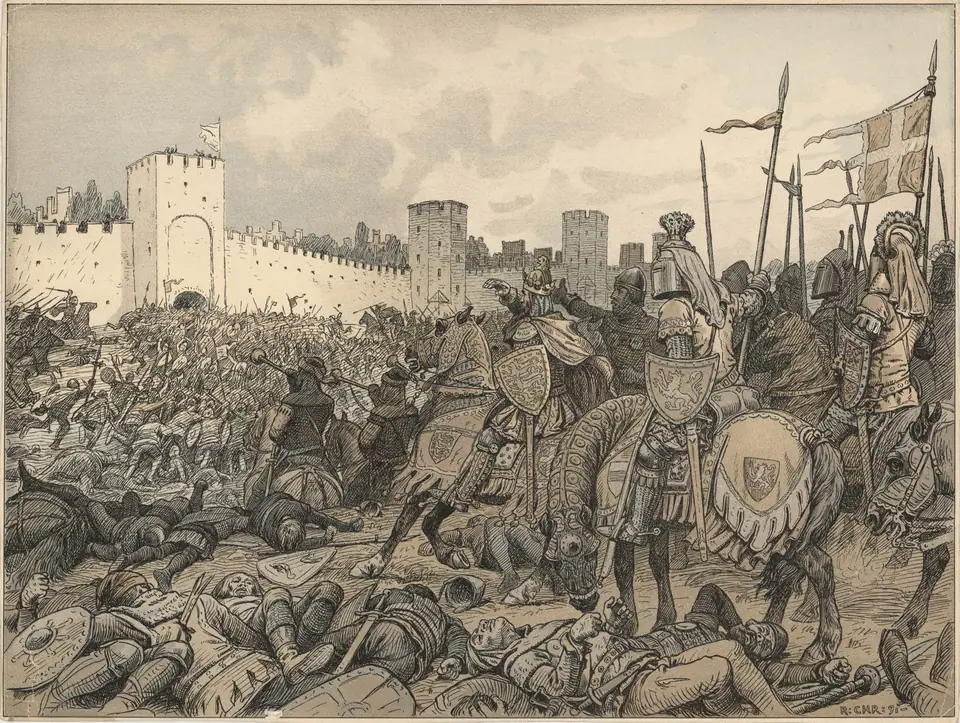
27 July 1361: King Valdemar Atterdag and the Battle of Visby
On 22 July 1361, Danish King Valdemar IV Atterdag landed on Gotland's west coast near Kronvall with an experienced army of roughly 2,500 Danish and German soldiers. After breaking the rural Gotlandic defence at Fjäle mire in Mästerby on 25 July, where about 1,500 islanders were killed, the Danish force marched north to Visby. On the morning of 27 July 1361, a peasant and yeoman levy from the rural parishes made a final stand in front of the eastern and southern sections of Visby ringmur while the city gates remained closed. Approximately 1,800 Gotlanders were killed outside the walls. Immediately afterward, the burghers of Visby negotiated a surrender to prevent the sacking of their warehouses, giving rise to the famous Brandskattning legend that Valdemar demanded three huge beer vats filled with gold and silver in Stora torget.
The Memorial Cross and Mass Graves at Korsbetningen
About 600 metres southeast of Söderport (along Korsbetningsgatan inside the former grounds of Solberga Cistercian Abbey) stands the ringed limestone memorial cross at Korsbetningen, erected in the late 14th century on the exact site where the slain defenders were buried. Its Latin inscription reads: In the year of the Lord 1361, on the third day after Saint James, the Goths fell into the hands of the Danes before the gates of Visby; here they are buried, pray for them. Archaeological excavations conducted between 1905 and 1930 uncovered five mass graves containing 1,185 skeletons, many still clad in the mail coifs and armour now displayed at Gotlands Museum (Fornsalen).
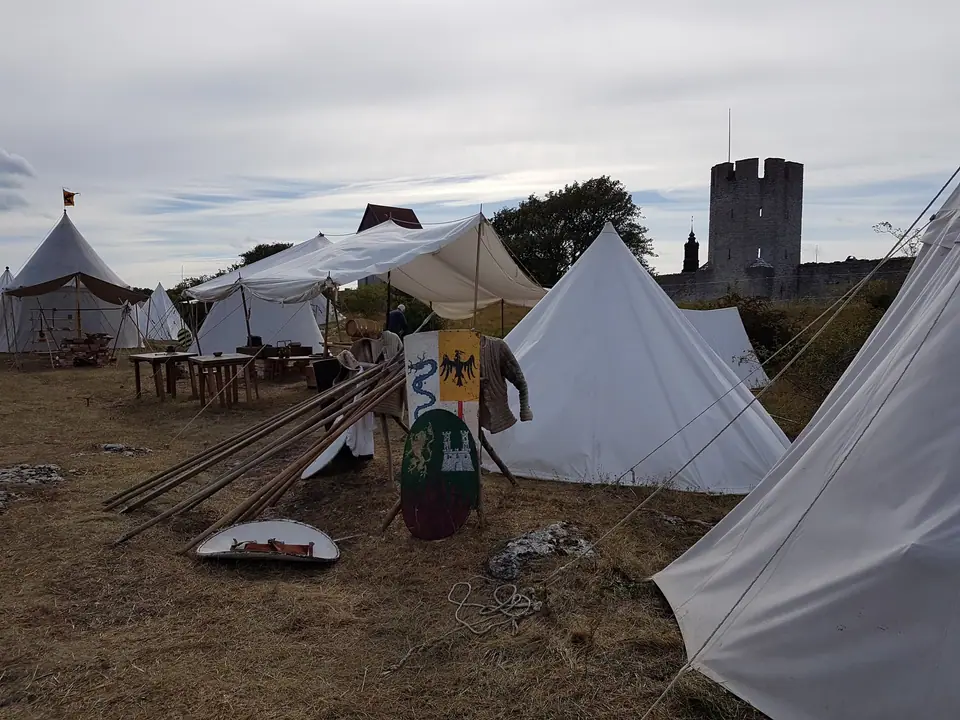
Medeltidsveckan (Medieval Week) in Calendar Week 32
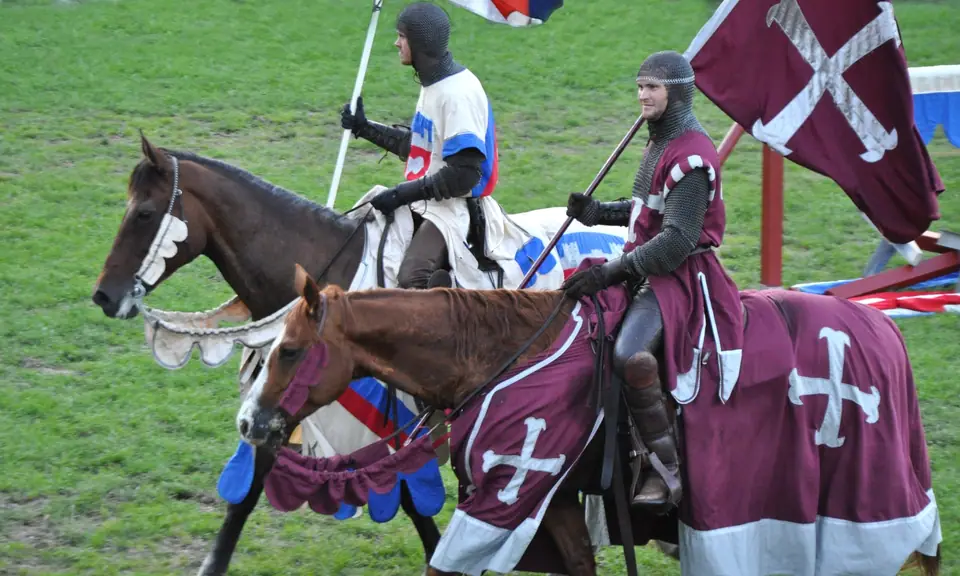
Founded in 1984, Medeltidsveckan runs for eight days from Sunday to Sunday in calendar week 32 (early August), featuring over 800 events across Visby and rural Gotland. Highlights include the medieval market at Strandgärdet and Nordergravar, evening fire shows, concerts inside Sankt Nicolai and Sankta Karin ruins, and the Torneamentum jousting tournament below the northern wall.
Planning a Visit During Medieval Week
Walking the market and streets in medieval dress is open to everyone, while jousting stands, ruin concerts, and historical lectures require advance tickets; check the official Medeltidsveckan site for the annual week 32 programme.
Traveller tips
Real advice from people who have been to Medieval Week (Medeltidsveckan) and the 1361 Battle of Visby at Korsbetningen. Every tip is read by our team before it goes live.
No tips yet. Been here? Yours could be the first.
Thank you! Your tip will appear here after a quick review.
More in Visby
Continue exploring Visby with related neighbourhood, food, and planning guides
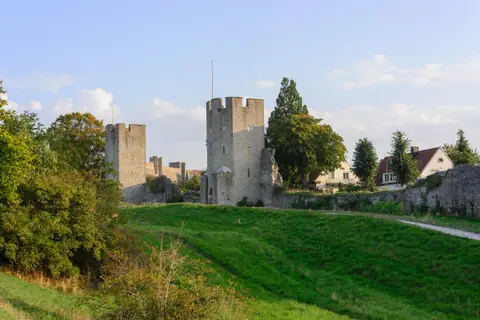
Visby City Wall and Towers: Walking the 3.44 km Medieval Ringmur
Visby, Sweden
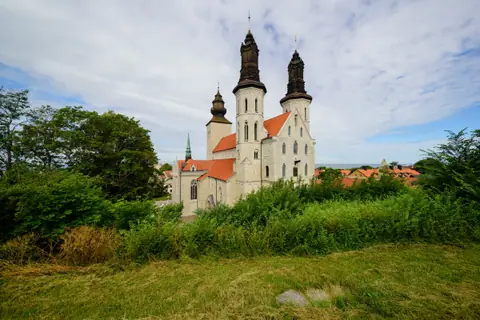
Visby Cathedral and Church Ruins: Sankta Maria, Sankta Karin and Sankt Nicolai
Visby, Sweden
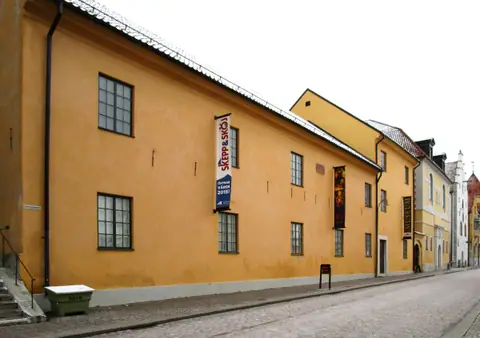
Gotlands Museum (Fornsalen) and the Spillings Viking Silver Hoard
Visby, Sweden
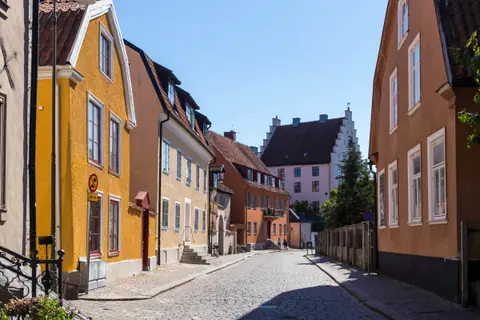
Stora Torget, Strandgatan and Visby's Medieval Lanes
Visby, Sweden
