


























Best Time to Visit Zurich: Monthly Weather, Lake Season & Sechseläuten
A month-by-month breakdown of Zurich's four seasons using official MeteoSwiss 1991 to 2020 climate normals from the Zurich-Fluntern station.
Lying on the Swiss Plateau at the northern foot of the Alps, Zurich experiences a temperate four-season climate influenced by both Atlantic weather systems and occasional warm Alpine Föhn winds. According to the official 1991 to 2020 MeteoSwiss climate normals recorded at the Zurich-Fluntern station (556 metres above sea level), the city has an annual mean temperature of 9.8 °C, receives 1,107.9 millimetres of precipitation across roughly 130 rain days per year, and enjoys 1,694 hours of sunshine annually. Because the city combines indoor museum holdings with outdoor water and mountain life, each quarter of the calendar brings a distinct travel rhythm.
Summer (June to August): Lake Bathing and Peak Daylight
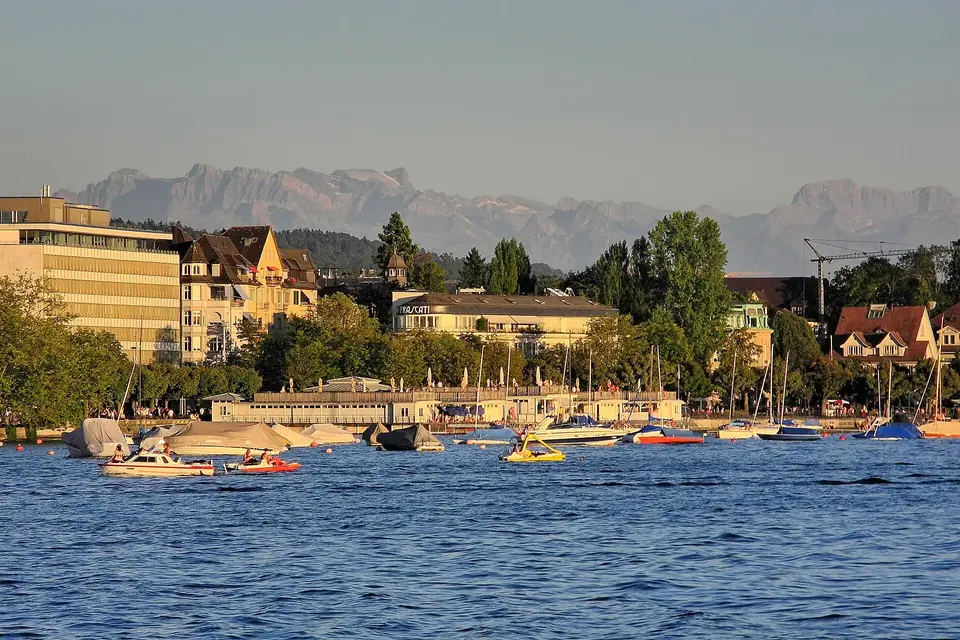
Summer is the warmest and liveliest season on Lake Zurich and the Limmat River. Average daily highs climb from 22.4 °C in June to a peak of 24.3 °C in July and 23.9 °C in August, with mild overnight lows between 12.6 °C and 14.4 °C. Summer is also the wettest quarter by rainfall volume (averaging 127.6 mm in June, 126.0 mm in July, and 119.1 mm in August across 12 precipitation days per month), mainly due to brief afternoon or evening convective thunderstorms following warm, sunny afternoons. This is the prime window for swimming at Seebad Utoquai and the river bathhouses, boarding ZSG paddle steamers at Bürkliplatz, attending open-air cinema screenings at Zürichhorn in July and August, and riding up to the Rhine Falls when alpine snowmelt pushes average summer water flow to 600 cubic metres per second.
During these long daylight weeks, wooden riverside Badis convert into sunset bars after swimming hours, and outdoor dining terraces fill the pedestrian squares of the old town and the container gardens of Zürich-West. Pack swimwear, sunglasses, and a light rain shell for passing evening showers.
Spring (April to May) and Sechseläuten
Spring brings lengthening daylight, blooming magnolias across the old-town squares, and comfortable walking temperatures through the Altstadt. Daytime highs rise from 10.2 °C in March (low 1.9 °C, 71.2 mm across 11 rain days) and 14.8 °C in April (low 5.1 °C, 80.4 mm across 11 rain days) to 18.8 °C in May (low 9.0 °C, 128.2 mm across 12 rain days). In April, Zurich celebrates its traditional spring guild holiday, Sechseläuten, when historic guilds parade in period dress with brass bands and horses along Bahnhofstrasse and Limmatquai to Sechseläutenplatz in front of the Opera House to ignite the Böögg snowman pyre. By May, lakeside parks and botanical gardens are in full leaf while boat schedules expand for the warmer season.
Autumn (September to October): Golden Forests and Clear Ridges
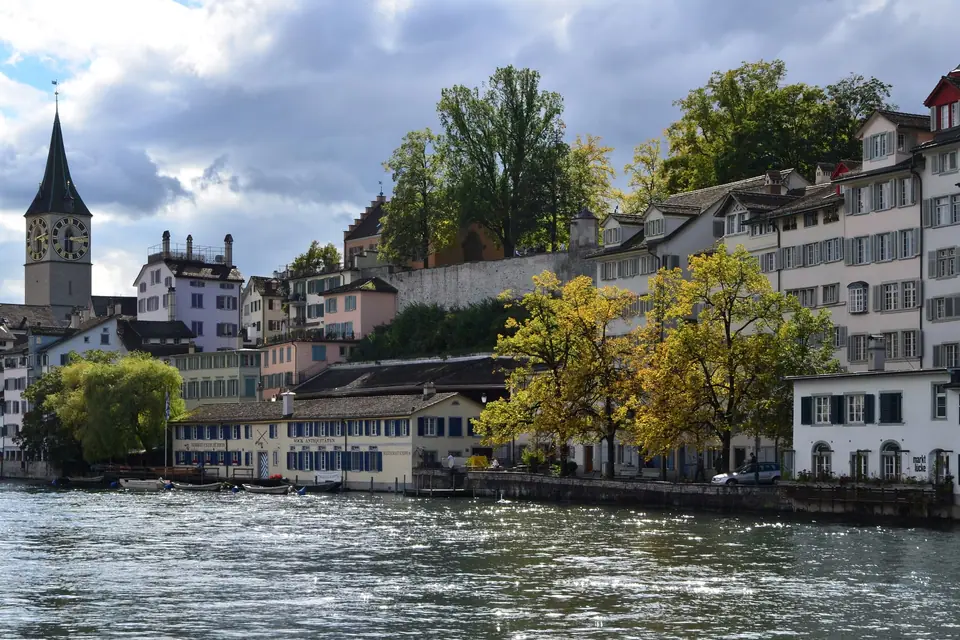
Early autumn remains mild and noticeably drier than summer, with average highs sitting at 19.1 °C in September (low 10.7 °C) and 13.8 °C in October (low 7.1 °C), while monthly precipitation drops to 87.4 mm and 85.2 mm over 10 rain days. During these weeks, the lime trees on the Lindenhof and the beech forests on the Uetliberg turn golden, and roasted-chestnut stalls appear on street corners. When low autumn fog (Hochnebel) blankets the Limmat valley floor, riding the S10 train to the 870-metre Uetliberg summit often takes you above the cloud inversion into bright sunshine and crisp Alpine visibility.
Winter (November to February): Museums and Fondue Season
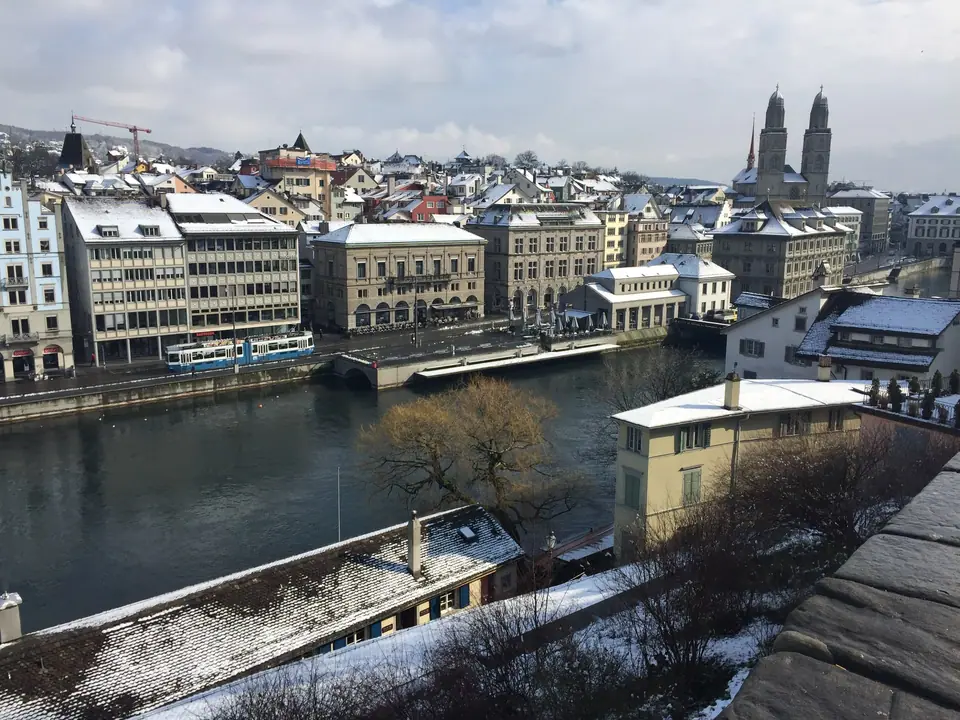
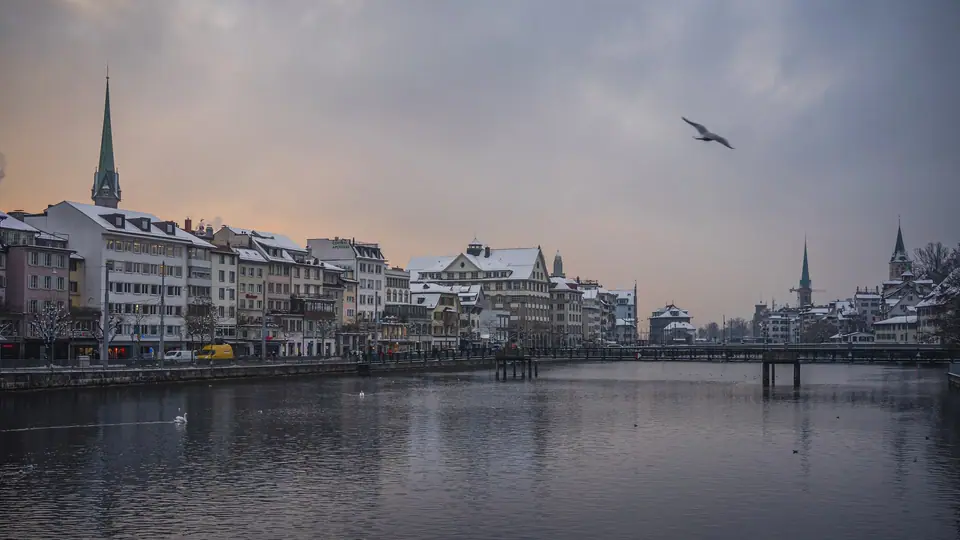
From November (high 7.6 °C / low 2.5 °C, 76.1 mm across 10 rain days) through December (4.0 °C / -0.5 °C, 83.4 mm across 12 precipitation days), January (3.5 °C / -1.4 °C, 63.0 mm across 10 days), and February (5.2 °C / -1.2 °C, 60.3 mm across 9 days), days are chilly with occasional snowfall. Winter is an atmospheric time to explore the expanded galleries of Kunsthaus Zürich and the Swiss National Museum, stroll beneath the Lucy festive lights along Bahnhofstrasse, browse seasonal markets inside the main station hall and on Sechseläutenplatz, and warm up over evening cheese fondue in historic guild halls. Bring a warm coat, scarf, gloves, and water-resistant walking shoes for damp or frosty pavements. Because cultural performances at the Opernhaus Zürich, Tonhalle concert hall, and Schauspielhaus are in full swing from autumn through spring, off-peak visitors enjoy rich evening programming alongside quieter museum rooms. Layering breathable garments beneath a weatherproof outer jacket works well in every month, as temperatures can shift quickly between sheltered riverside streets, breezy lake steamers, and elevated mountain trails.
Matching your packing list and daily schedule to these seasonal patterns allows you to make the most of Zurich in any month of the year. In summer, plan your outdoor lake cruises, Uetliberg hikes, and wooden bathhouse swims for the sunny morning and early afternoon hours before occasional late-day showers roll through. In spring and autumn, take advantage of mild temperatures and golden foliage for extended architectural walks across both banks of the Altstadt and ridge hikes above the valley mist. In winter, combine crisp morning strolls along the illuminated avenues and Christmas markets with long, warm afternoons inside the Kunsthaus and Swiss National Museum followed by traditional fondue dinners. Year-round rail and tram reliability ensures that every attraction remains accessible regardless of the forecast.
Checking the local mountain and lake forecasts each morning helps you pair the right activity with the day's conditions. When high pressure brings crystal-clear skies over the Swiss Plateau, head straight for the Uetliberg ridge trail or the upper deck of a Lake Zurich steamer to take in the distant Alpine peaks. When clouds gather or winter chill sets in, turn inward to the warm timbered guild halls, historic church choirs, and celebrated art and history galleries that keep Zurich rewarding in every week of the calendar. Even a brief break in the clouds is enough to step out onto the Lindenhof terrace or the Quaibrücke bridge and watch the changing light over the water, the church spires, and the surrounding wooded hills. Packing a compact umbrella alongside comfortable walking shoes and a windproof layer prepares you for any sudden shift in the valley breeze between the lakeshore quays and the upper forest trails, ensuring comfortable sightseeing across all four seasons of the calendar year.
Traveller tips
Real advice from people who have been to Best Time to Visit Zurich: Monthly Weather, Lake Season & Sechseläuten. Every tip is read by our team before it goes live.
No tips yet. Been here? Yours could be the first.
Thank you! Your tip will appear here after a quick review.
More in Zurich
Continue exploring Zurich with related neighbourhood, food, and planning guides
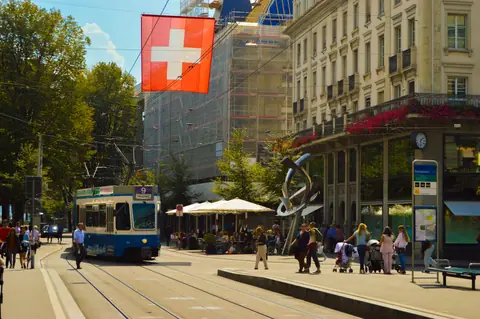
Bahnhofstrasse, Paradeplatz & Augustinergasse: Shopping, Banks & Bay Windows
Zurich, Switzerland

Lake Zurich Promenades, Bürkliplatz & Boat Cruises
Zurich, Switzerland
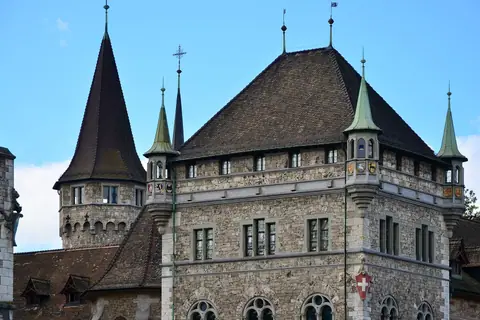
Kunsthaus Zürich, Swiss National Museum & ETH Polyterrasse
Zurich, Switzerland
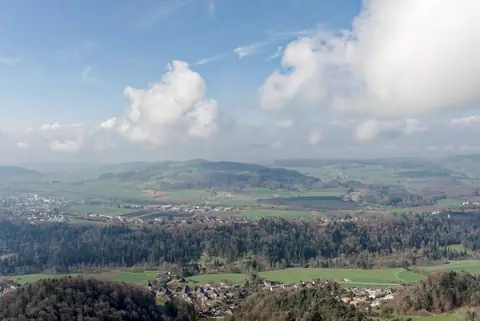
Uetliberg Mountain: S10 Railway, Uto Kulm & Panorama Ridge Trails
Zurich, Switzerland
