


























Things to Do in Zurich: Churches, Lake Cruises & Cultural Highlights
From Chagall's stained glass and Dada cabaret halls to lakeside lidos and Alpine lookouts, these are the essential experiences in Zurich.
Compact enough to cross on foot in twenty minutes yet layered with over 2,000 years of urban history, Zurich rewards travellers who alternate between medieval squares, major art collections, and outdoor life on the water and surrounding hills. Because the river, lake basin, museum district, and railway hubs meet directly in the city centre, visitors can combine architectural walks with boat cruises and mountain lookouts without long transit times.
Walk the Altstadt and Cross the Limmat Bridges
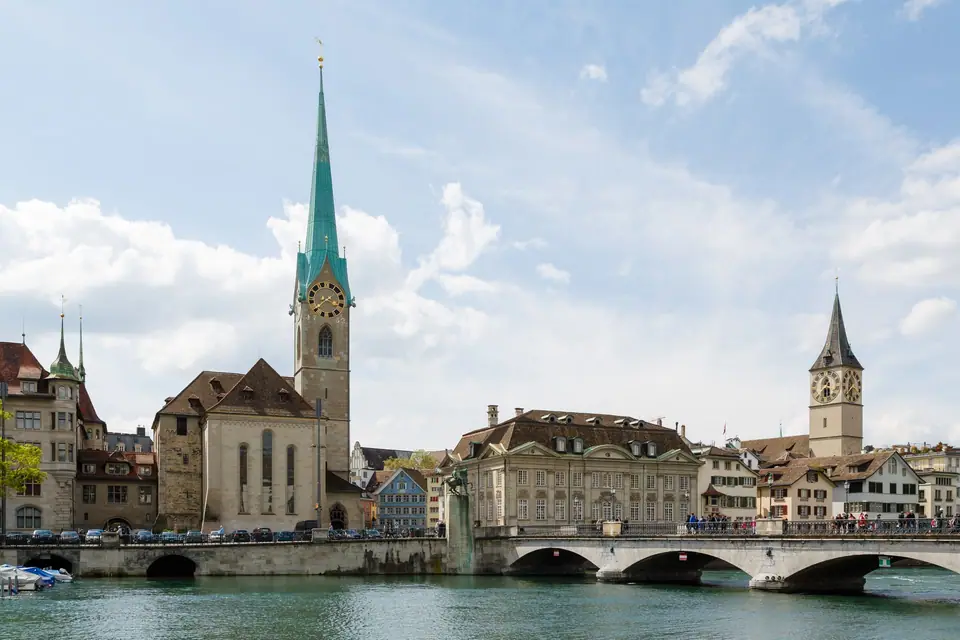
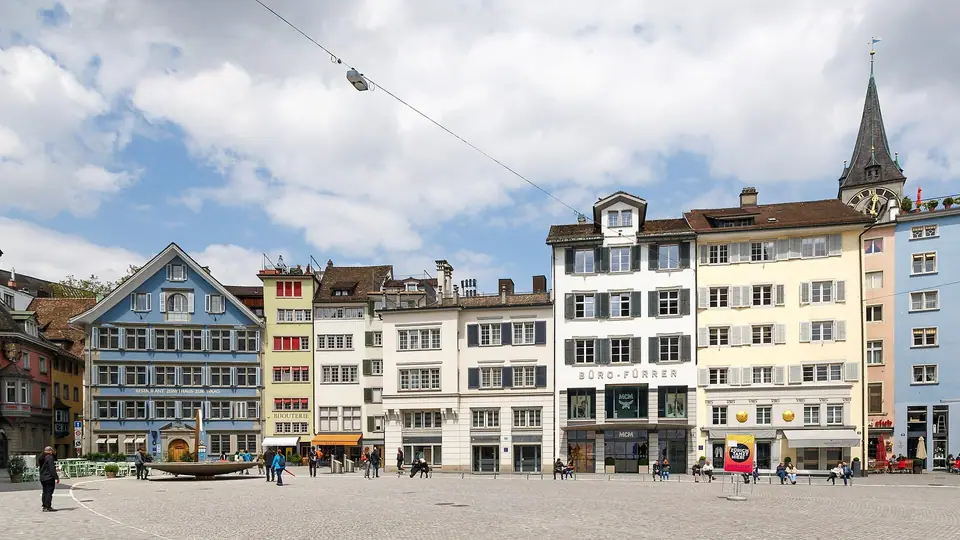
Begin on the tree-shaded moraine terrace of the Lindenhof, site of the Roman customs castle of Turicum, about 25 metres above the river. Descend through the narrow Schipfe craft quarter and past St. Peter, whose 8.7-metre clock dial is the largest church clock face in Europe, to Münsterhof square. Here the former Benedictine abbey church of Fraumünster displays five choir windows installed by Marc Chagall in 1970 alongside Augusto Giacometti's 9-metre north transept window from 1940. Cross the Münsterbrücke to the Romanesque Grossmünster, where Huldrych Zwingli launched the Swiss-German Reformation in 1520.
After visiting the Grossmünster cloister, continue north along Limmatquai past the seventeenth-century guild houses and the baroque Rathaus built directly above the river current. Turning inland into the pedestrian alleys of the Niederdorf and Oberdorf reveals independent bookshops, traditional bakeries, and historic courtyards where stone fountains run year-round with fresh drinking water. Narrow side lanes such as Spiegelgasse and Augustinergasse preserve centuries-old facades painted in warm ochre and pastel tones, complete with carved wooden bay windows overlooking the cobblestones.
Stroll Sechseläutenplatz, Opera House, and Lake Promenades
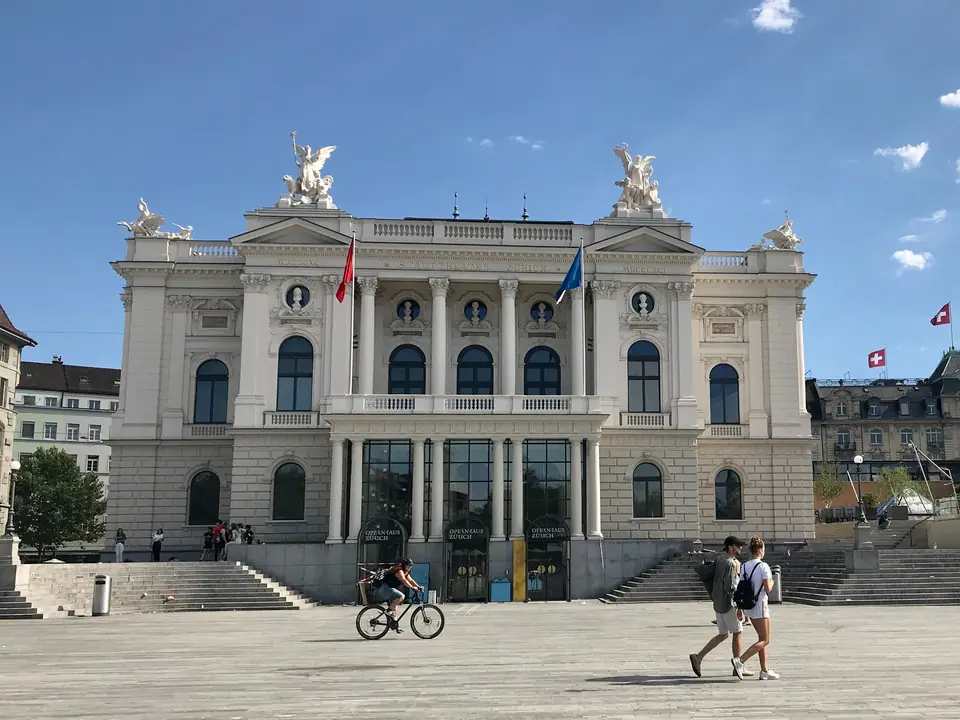
Where the Limmat leaves the lake at the Quaibrücke, the east bank opens onto Sechseläutenplatz, Zurich's largest town square covering about 16,000 square metres. Named after the traditional April spring holiday, the plaza fronts the neo-classical Opernhaus Zürich, designed by Viennese architects Fellner & Helmer and opened in 1891 as the first opera house in Europe with electric lighting; its neo-rococo auditorium seats approximately 1,100 spectators. During 2009 underground parking excavations, archaeologists uncovered Neolithic pile dwellings from the Kleiner Hafner site, part of the UNESCO World Heritage Prehistoric Pile Dwellings around the Alps, now interpreted in a lakeside pavilion. Across the bridge at Bürkliplatz, ZSG boats depart for lake cruises and historic wooden bathhouses such as Seebad Utoquai welcome summer swimmers.
Walking south from the square along either shore leads through nineteenth-century landscaped quayside parks shaded by mature chestnut and maple trees. On sunny afternoons, locals gather along the stone steps by the water, rent pedal boats, or follow the promenade lawns past public sculptures, botanical gardens, and lakeside cafés. In the warmer months, the historic wooden bathing pavilions along the river and lake double as relaxed evening meeting spots looking toward the distant mountains.
Explore Major Museums and Academic Terraces
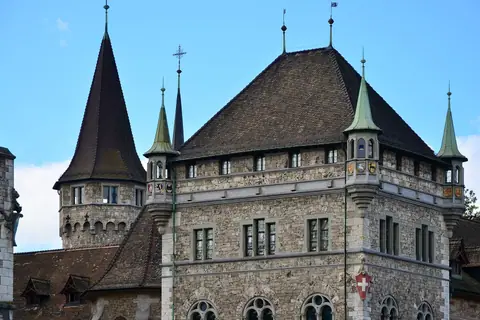
- Kunsthaus Zürich and Landesmuseum: On Heimplatz, the Kunsthaus Zürich pairs Karl Moser's 1910 building with David Chipperfield's sandstone extension, housing an extensive Alberto Giacometti collection and major works by Edvard Munch, Claude Monet, and Dada artists. Beside the main station, Gustav Gull's 1898 Swiss National Museum traces Swiss cultural history from prehistory to the twenty-first century.
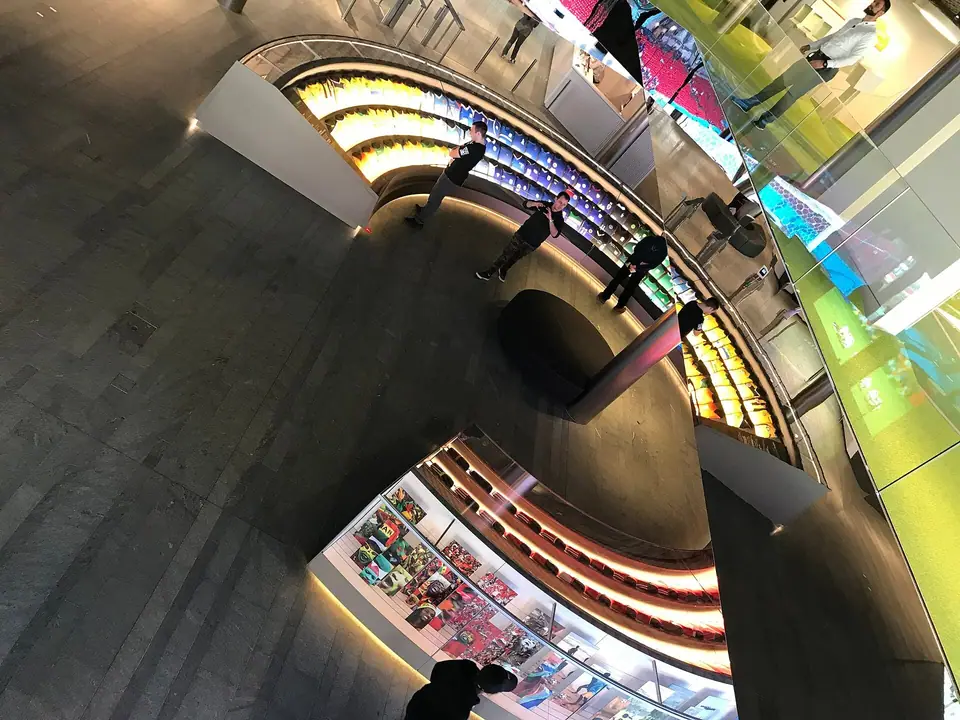
- FIFA Museum in Enge: Opened on 28 February 2016 across 3,500 square metres of the renovated Haus zur Enge opposite Zürich Enge station, the museum exhibits more than 1,000 football artefacts, including the original FIFA World Cup Trophy, and an 8-metre LED installation titled Visions of Football.
- ETH Polyterrasse: Board the red UBS Polybahn funicular at Central square to reach the hilltop terrace outside the main building of ETH Zurich, looking directly across the old-town spires toward the lake.
Visitors who enjoy combining indoor collections with historic parks can walk straight from the Swiss National Museum courtyard into the tree-lined peninsula of Platzspitz where the Limmat and Sihl rivers meet, or descend from the ETH terrace through the quiet university streets to the graphic art and earth-science displays open to the public on campus.
Ride Up Uetliberg and Take Easy Excursions
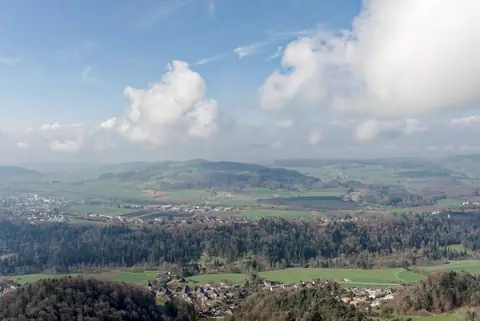
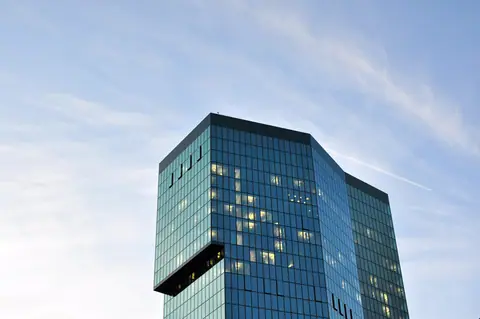
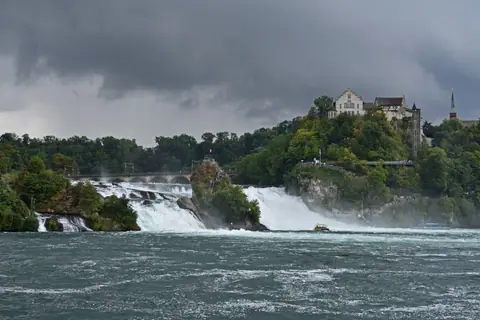
When clear skies reveal the distant Alpine peaks, board the S10 suburban train from the underground platforms at the main station to climb the Uetliberg (870 m). Forest footpaths along the summit crest connect panoramic viewing towers with hillside inns and cable car stations. Walking south along the ridge trail toward Felsenegg provides continuous views down to the lake on one side and rural valleys on the other. Travellers with an extra half-day can also take a short rail or boat journey to the Rhine Falls and the Lindt Home of Chocolate, or spend an evening exploring the converted viaduct arches, shipping-container gardens, and theatre halls of Zürich-West.
Sample Guild-House Cuisine and Confectionery
Round out your sightseeing by experiencing the culinary traditions outlined in our guide to what to eat in Zurich. Stroll down Bahnhofstrasse and Paradeplatz to pick up fresh Luxemburgerli macarons at Confiserie Sprüngli, or reserve a table in a historic guild dining room for sliced veal in cream sauce accompanied by golden pan-fried potato Rösti. Browsing the Friday morning market stalls at Bürkliplatz or the indoor food hall beneath the railway viaduct in Kreis 5 also gives visitors a taste of regional mountain cheeses, seasonal orchard fruits, and artisan loaves baked across the canton. In the evening, traditional brasseries and riverside terraces pour crisp white wines grown on the slopes above the lake. Taking time to linger over a morning coffee at a pavement square or watching the river boats pass beneath the Münsterbrücke captures the unhurried pace that defines everyday life in the city. Every season brings its own outdoor and cultural highlights, from summer swimming at wooden river decks to winter concerts inside illuminated churches, ensuring that a well-balanced itinerary always pairs historical landmarks with contemporary neighbourhood life. Even a brief walk between the station and the lakefront reveals how closely history, nature, and daily civic routines are woven together across the urban core.
For travellers who enjoy photography and urban architecture, the changing light along the Limmat corridor offers contrasting perspectives throughout the day. Morning sunshine illuminates the eastern facades of the Schipfe and Lindenhof hill, midday brightens the open stone expanse of Sechseläutenplatz and the lake basin, and dusk casts warm reflections from the guild-house windows across the water between the Münsterbrücke and Rathausbrücke. Pairing these central walks with an afternoon boat ride or ridge trail makes for a varied stay.
Traveller tips
Real advice from people who have been to Things to Do in Zurich: Churches, Lake Cruises & Cultural Highlights. Every tip is read by our team before it goes live.
No tips yet. Been here? Yours could be the first.
Thank you! Your tip will appear here after a quick review.
More in Zurich
Continue exploring Zurich with related neighbourhood, food, and planning guides
Kunsthaus Zürich, Swiss National Museum & ETH Polyterrasse
Zurich, Switzerland
Uetliberg Mountain: S10 Railway, Uto Kulm & Panorama Ridge Trails
Zurich, Switzerland
Zürich-West: Prime Tower, Im Viadukt, Frau Gerolds Garten & Schiffbau
Zurich, Switzerland
Day Trips from Zurich: Rhine Falls (Rheinfall) & Lindt Home of Chocolate
Zurich, Switzerland
