


























Zurich: Essential Planning for Your Visit
An essential orientation to the largest city in Switzerland, explaining how the Limmat River, Lake Zurich, and the twelve urban districts fit together.
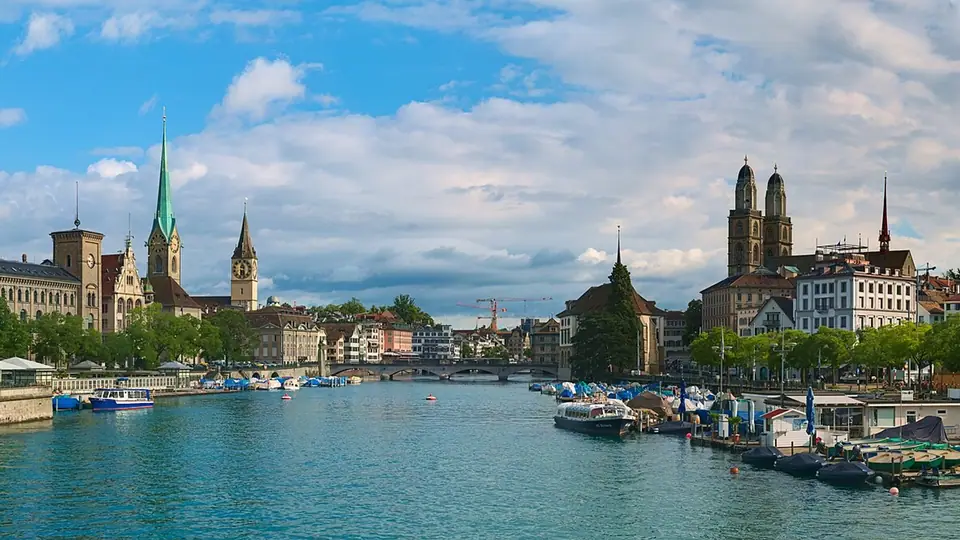
Located in north-central Switzerland where the Limmat River exits the northwestern end of Lake Zurich, Zurich is the capital of the canton of Zurich and the largest city in Switzerland. At the end of 2025 the municipality recorded a population of 440,935, within an urban area of 1.45 million (2020) and a metropolitan region of 2.1 million residents. Although German is the official language and Zurich German (Züri-Tüütsch) is the everyday dialect, English spoken at home rose by 60 percent over ten years to reach 14 percent in 2024, and 40 percent of residents speak English at work.
For travellers, this combination of compact scale and international connectivity makes the city exceptionally straightforward to navigate. You can step off an intercity train at the main station, walk beneath lime trees along the riverfront to Roman and medieval landmarks, and board a wooden lake steamer or mountain train within the same afternoon. Clean alpine water flows straight from the lake through the historic centre, feeding public drinking fountains and summer swimming piers right beside centuries-old guild houses.
From Roman Turicum to Financial and Tech Hub
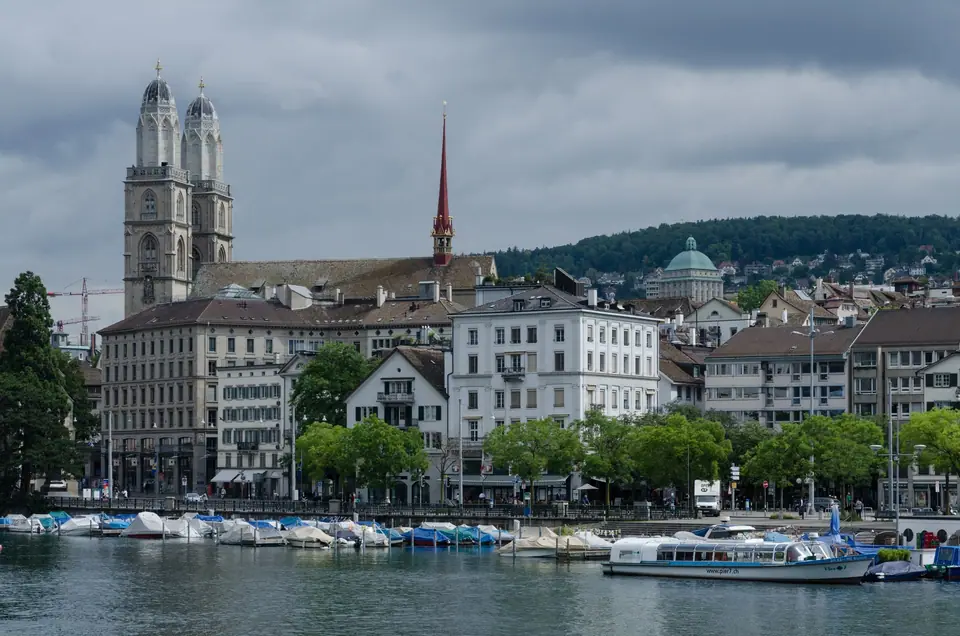
Early lakeside pile dwellings date back more than 6,400 years, and the city has been permanently settled for over 2,000 years since the Romans founded the customs station of Turicum, attested on a late second-century AD tombstone as STA(tio) TURICEN(sis). Evolving through the Germanic forms Ziurichi (around 680 to 700) and Zurih (857), the town gained imperial immediacy in the Middle Ages and became the primary centre of the Swiss-German Protestant Reformation under Huldrych Zwingli in 1519. Today Zurich leads continental Europe in the 2026 Global Financial Centres Index and hosts operations from 7 of the 10 globally leading AI companies alongside ETH Zurich.
This layered history remains visible across the urban fabric. Carolingian convent foundations and Romanesque cloisters stand within walking distance of nineteenth-century banking palaces and modern research laboratories. Rather than isolating its financial and academic institutions in distant business parks, the municipality integrates university terraces, art collections, and historic residential quarters into a walkable downtown core where daily student life mixes with long-standing neighbourhood commerce.
How Zurich Is Organised Across the Limmat and Lake Basin
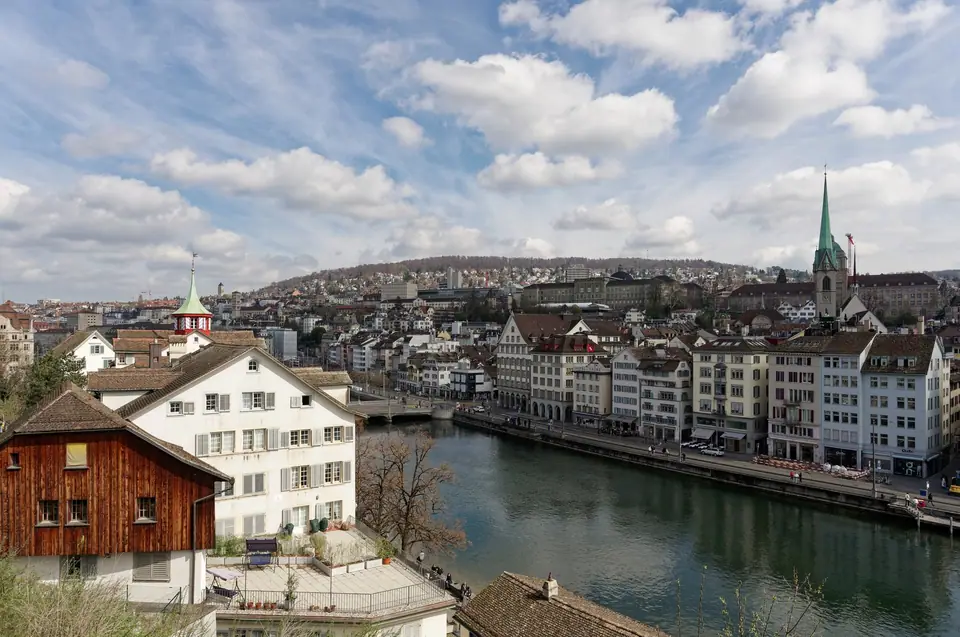
Before the municipal expansions of 1893 and 1934 incorporated outer districts 2 through 12, the historical city stood entirely inside the ramparts of today's Kreis 1 (District 1), the Altstadt. The Limmat divides this medieval core into two distinct halves:
- Left Bank (West of the Limmat): Anchored by the moraine hill of the Lindenhof, the parish church of St. Peter, the former Fraumünster abbey on Münsterhof, and the 1.4-kilometre shopping and banking axis of Bahnhofstrasse and Paradeplatz.
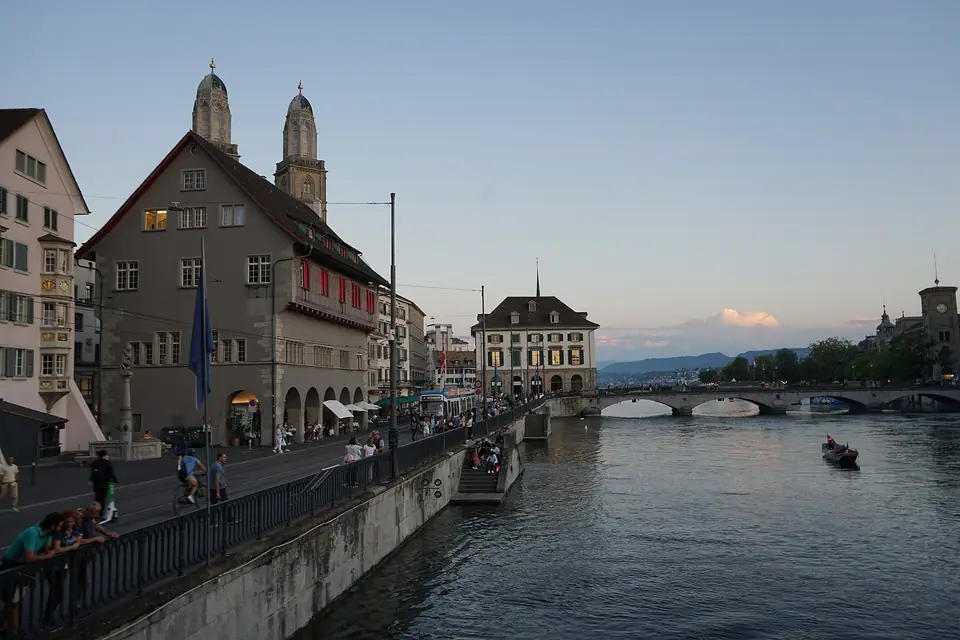
- Right Bank (East of the Limmat): Centred on the 1690s Rathaus (town hall), the riverside promenade of Limmatquai, the twin-towered Grossmünster, the pedestrian lanes of Niederdorf and Oberdorf, and the hilltop campuses of ETH Zurich and the University of Zurich.
Historic bridges link the two riverbanks every few paces, allowing visitors to weave back and forth between quiet western courtyards and lively eastern guild halls. Pedestrian zones restrict private motor vehicles across much of the central area, keeping the cobblestone alleys and riverside quays calm for walkers and trams alike.
Beyond the Medieval Core
South of the Quaibrücke bridge, the city opens onto Lake Zurich and Bürkliplatz on the west shore and Sechseläutenplatz with the 1891 Opernhaus Zürich on the east shore. Just north of Zürich Hauptbahnhof, the castle-like 1898 Swiss National Museum (Landesmuseum) occupies a peninsula between the Limmat and Sihl rivers. West of the main station tracks, former nineteenth-century engineering works in Kreis 5 have been transformed into Zürich-West, home to the 126-metre Prime Tower and the railway arches of Im Viadukt.
Surrounding the urban basin, wooded hills frame both shores of the lake and the river valley. To the east rises the Zürichberg with residential villas, forest trails, and hillside viewpoints, while to the southwest the steep ridge of the Uetliberg provides an elevated lookout over the rooftops toward the snow-capped Alps. These green slopes are connected directly to downtown by funiculars, tramways, and suburban trains.
Practical Orientation and Daily Rhythm
Arriving and moving around is straightforward through Zurich Airport and Zürich Hauptbahnhof, where underground S-Bahn platforms link the airport to downtown across a nine-kilometre rail corridor. Within the city, a single ZVV Zone 110 ticket covers VBZ trams, buses, S-Bahn trains, the UBS Polybahn funicular to ETH, and ZSG river boats. Check our where to stay guide, seasonal weather guide, and 3-day Zurich itinerary to structure your visit.
When planning your daily schedule, remember that Sunday is a quiet day across Switzerland: retail boutiques along Bahnhofstrasse and in the old town remain closed, though railway station shops inside ShopVille, museums, lake boats, and restaurants operate normally. Similarly, several public museums close on Mondays, whereas Wednesdays bring free permanent-collection entry at the Kunsthaus. Matching your indoor gallery visits and outdoor lake or mountain excursions to the local calendar ensures a smooth stay in any season.
Public amenities across the city are designed for independent exploration. Hundreds of ornamental stone and cast-iron fountains supply crisp municipal drinking water at street corners and hilltop parks, so carrying a refillable bottle is standard practice. Clear directional signage at every tram island and pedestrian bridge makes switching between walking routes and public transit intuitive even on an initial visit, while luggage lockers and left-baggage counters at the main station simplify stopovers before onward rail journeys into the Swiss Alps. Street-level cafés, bakeries, and riverside benches provide regular resting points between sightseeing stops, and contactless card payment is accepted across ticket machines, market stalls, and traditional guild dining rooms alike. Visitors who enjoy combining urban culture with nature can easily spend the morning inside historic cloisters and art galleries before dedicating the afternoon to a lakeshore promenade walk or a scenic boat ride across the lower basin. Even short stopovers allow enough time to experience both banks of the river, browse local confectionery counters, and taste traditional specialities in the historic core.
Walking along the riverfront from the main station down to the lake also illustrates how carefully the city balances urban density with open green space. Tree-shaded quays, pocket parks on former medieval bastions, and lakeside lawns give residents and visitors alike room to relax by the water within steps of tram junctions and historic guild halls.
Traveller tips
Real advice from people who have been to Zurich: Essential Planning for Your Visit. Every tip is read by our team before it goes live.
No tips yet. Been here? Yours could be the first.
Thank you! Your tip will appear here after a quick review.
More in Zurich
Continue exploring Zurich with related neighbourhood, food, and planning guides
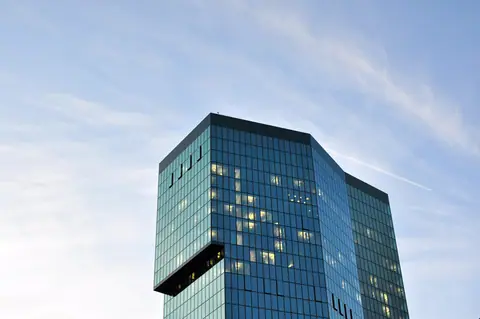
Zürich-West: Prime Tower, Im Viadukt, Frau Gerolds Garten & Schiffbau
Zurich, Switzerland
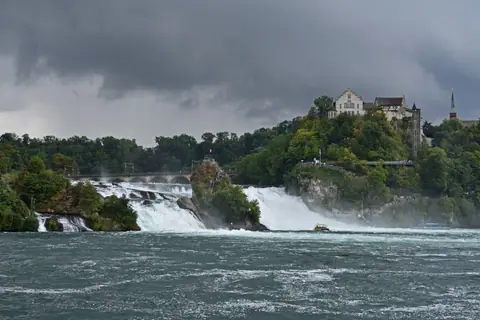
Day Trips from Zurich: Rhine Falls (Rheinfall) & Lindt Home of Chocolate
Zurich, Switzerland

What to Eat in Zurich: Zürcher Geschnetzeltes, Rösti, Birchermüesli & Luxemburgerli
Zurich, Switzerland
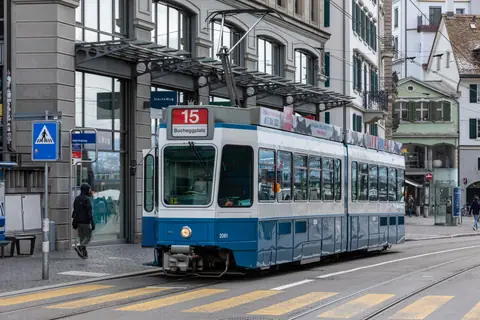
How to Get to & Around Zurich: Airport (ZRH), Hauptbahnhof, Trams & ZVV
Zurich, Switzerland
