


























How to Get to & Around Zurich: Airport (ZRH), Hauptbahnhof, Trams & ZVV
Everything you need to know about arriving at Zurich Airport (ZRH) or Zürich Hauptbahnhof and using ZVV Zone 110 trams, S-Bahn trains, and boats.
As Switzerland's principal air and rail hub, Zurich connects effortlessly with international flights, high-speed European trains, and the country's domestic rail timetable. Once you arrive, the integrated cantonal network of the Zürcher Verkehrsverbund (ZVV) makes car-free travel simple across the city and surrounding Lake Zurich basin. From transferring between the airport runway and your hotel to boarding a lake steamer or mountain railway, a single unified ticketing system covers every mode of public transit.
Arriving by Air: Zurich Airport (ZRH)
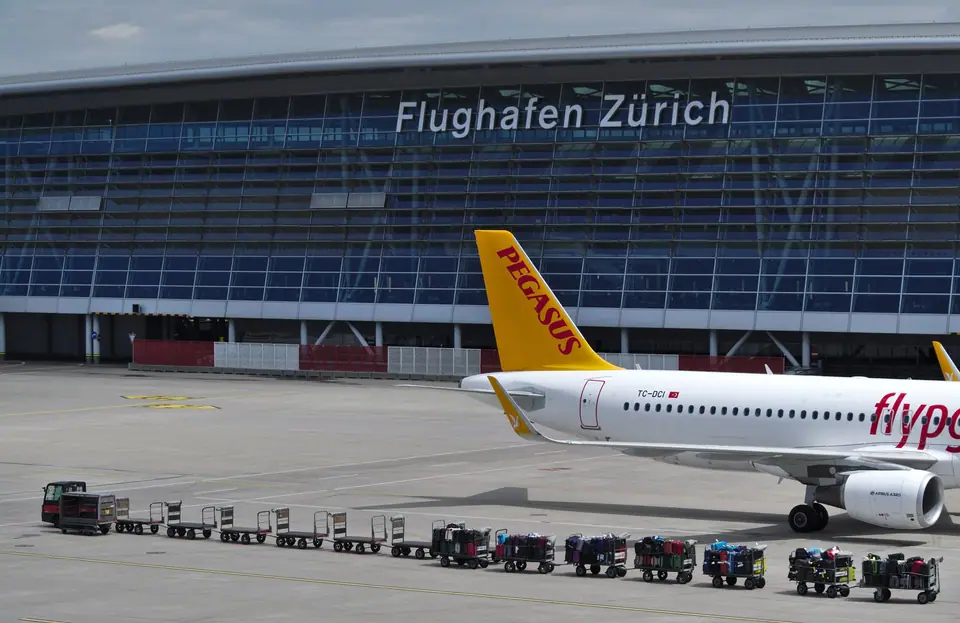
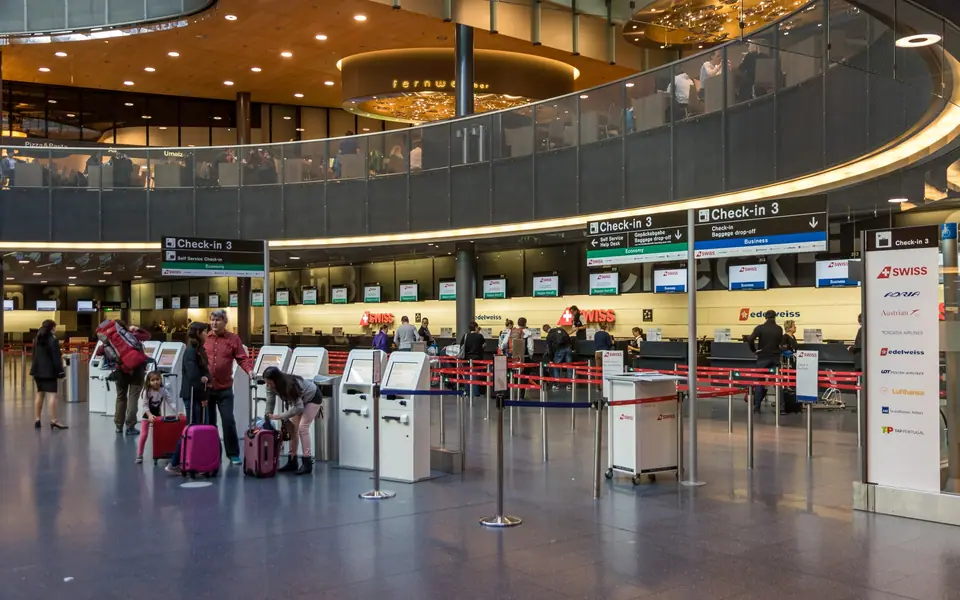
Located 9 kilometres (5.5 miles) north of central Zurich across the municipalities of Kloten, Rümlang, Oberglatt, Winkel, and Opfikon, Zurich Airport (Flughafen Zürich, IATA: ZRH) is Switzerland's largest international airport and the main hub of Swiss International Air Lines. Approved by federal decree in June 1945 to replace the earlier mixed civil-military airfield at Dübendorf (where scheduled international flights had begun in 1922), the airport features an underground railway station directly beneath the Airport Center and check-in terminals.
Frequent SBB intercity and Zurich S-Bahn trains run straight from the airport station to Zürich Hauptbahnhof in around ten minutes, while the Glattalbahn light rail (VBZ tram lines 10 and 12) also links the airport terminal square with northern Zurich neighbourhoods, Oerlikon, and ETH Hönggerberg. When buying your airport rail ticket into the city, select a ZVV ticket covering both the airport zone and downtown Zone 110, which also includes your onward tram or bus transfer right to your Zurich accommodation. Luggage trolleys at the airport can be wheeled directly down the escalators to the underground train platforms.
Arriving by Rail: Zürich Hauptbahnhof (Zürich HB)
Standing at the northern head of Bahnhofstrasse near the confluence of the Limmat and Sihl rivers, Zürich Hauptbahnhof (Zürich HB) is the largest railway station in Switzerland, serving up to 2,915 trains per day and ranked as the best European railway station in 2023 and 2024. Originally opened on 9 August 1847 by architect Gustav Albert Wegmann as the terminus of the Spanisch-Brötli-Bahn (Swiss Northern Railway) to Baden, the multi-level station combines Jacob Friedrich Wanner's nineteenth-century sandstone train shed (where Niki de Saint Phalle's colourful L'ange protecteur sculpture hangs above the main concourse) with underground through-stations, the ShopVille subterranean mall, and the dedicated subsurface platforms (tracks 21 and 22) of the SZU lines to Uetliberg (S10) and Sihlwald (S4). Direct international trains arrive daily from Germany, Italy, Austria, and France, placing travellers immediately at the northern edge of the Altstadt.
Inside the lower ShopVille concourse, travellers find tourist information counters, currency exchange offices, supermarkets open seven days a week, and luggage lockers of various sizes for day-trippers stopping between connections.
Getting Around: VBZ Trams, ZVV Zone 110 & Polybahn
Established in May 1990 as a unified zonal fare and S-Bahn network, the ZVV is the largest public transportation network in Switzerland and covers all modes under a single time-based ticket (such as 1-hour or 24-hour passes):
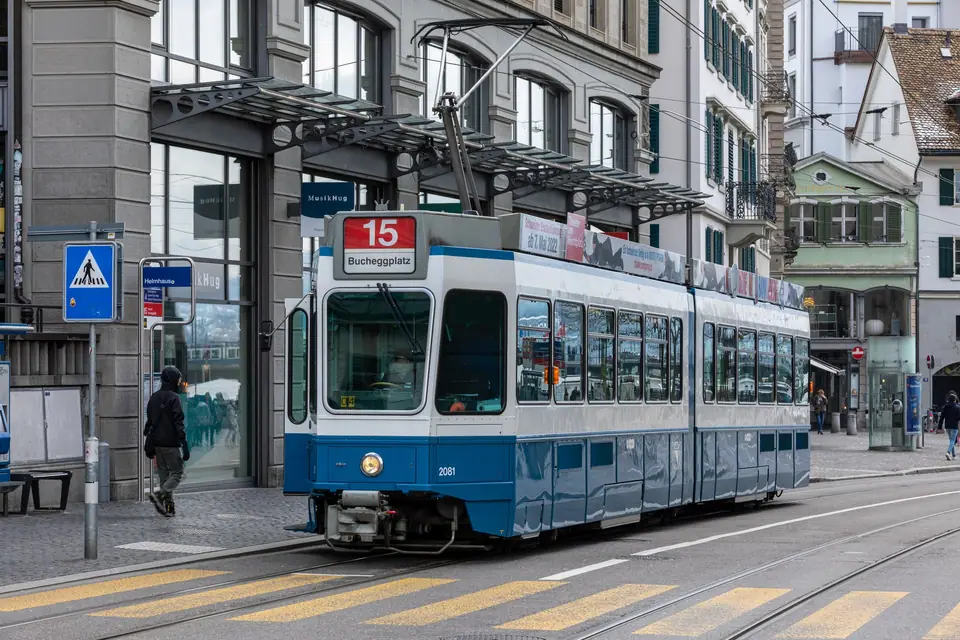
- Fare Zone 110: Covers the entire municipality of Zurich, including 29 railway stations, all urban Verkehrsbetriebe Zürich (VBZ) metre-gauge electric trams (operating since 1894, after horse trams began in 1882), trolleybuses, ZSG Limmat river boats, and lake boats within the city boundary. Note that Zone 110 counts as two zones in the ZVV tariff calculation because of its dense network.
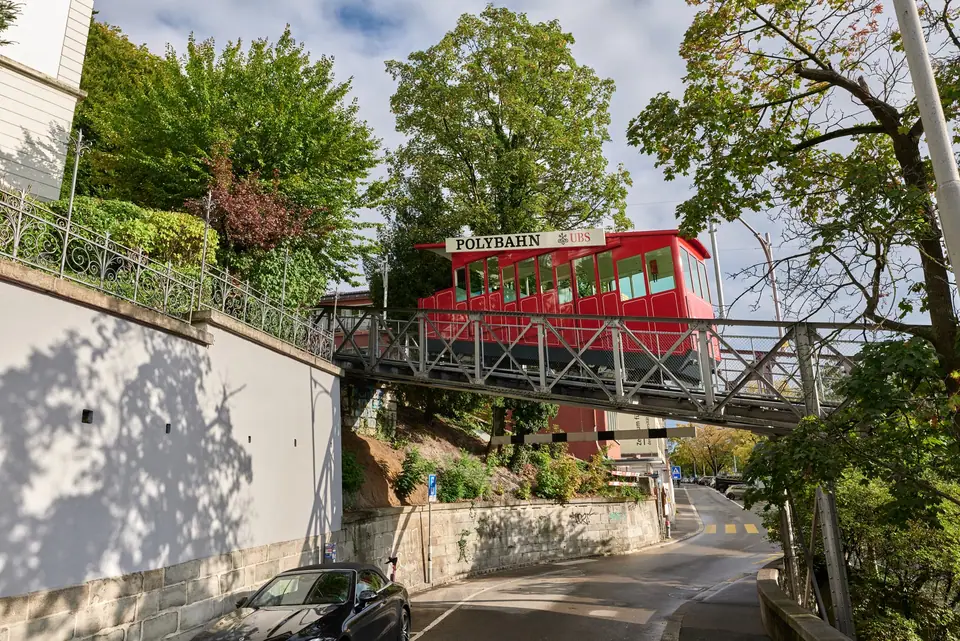
- UBS Polybahn Funicular: Opened in 1889 (originally water-ballast driven, electrified in 1897, rescued by SBG/UBS in 1976, and automated in 1996), this short funicular climbs from Central square to the ETH Polyterrasse within Zone 110.
- Proof-of-Payment System: There are no turnstiles; tickets must be purchased at stop machines or in the ZVV/SBB mobile app before boarding, as random inspections carry a minimum fine of CHF 100.
For visitors planning to visit museums as well as ride trams and boats, the Zürich Card city pass bundles unlimited travel in Zone 110 and surrounding zones (including the airport and Uetliberg) with admission to the Swiss National Museum and Kunsthaus, making it a practical alternative to individual ZVV day tickets. Cyclists can also borrow free city bicycles through the municipal Züri rollt programme near the main station by leaving a refundable deposit and photo identification. Because central streets prioritize trams, bicycles, and pedestrians while public car parks are scarce, arriving by train or leaving any rental vehicle at the airport is strongly advised for a smooth stay. Digital departure boards at every tram shelter show real-time countdowns in minutes, and low-floor Cobra and Flexity trams provide step-free boarding for passengers with strollers or wheeled suitcases across the entire urban network.
In practice, navigating Zurich by public transport quickly becomes second nature even for visitors arriving for the initial time. Because S-Bahn trains, VBZ trams, buses, funiculars, and river boats all share the same zonal fare structure, you never have to worry about separate operator tickets when switching from a train at Zürich Hauptbahnhof to a blue-and-white streetcar on Bahnhofplatz or a boat at Bürkliplatz. Simply keep a valid Zone 110 pass on your phone or in your pocket, add a zone extension whenever your route heads out to the airport, Kilchberg, Uetliberg, or the Rhine Falls, and enjoy effortless step-free connections across the entire metropolitan area. Walking between central stops is equally pleasant thanks to wide pavements and pedestrian bridges.
Before setting out each morning, a quick glance at the SBB Mobile or ZVV app shows platform numbers, tram connections, and boat piers in real time across the entire canton. Even if a thunderstorm rolls over the lake or your afternoon walk runs longer than planned, a tram stop, S-Bahn station, or boat landing stage is always within a few hundred paces to carry you back to the central station or your hotel. This reliability makes exploring both banks of the Limmat and the surrounding hills completely stress-free. International visitors arriving with a Swiss Travel Pass also enjoy covered urban transit on trams, buses, and boats throughout the city without needing to buy separate local zone tickets at the stop machines.
Clear overhead signs inside the main railway station distinguish between ground-level mainline tracks, underground through-platforms, and subsurface commuter lines, ensuring smooth transfers in every direction across the rail hub for both day excursions and airport connections.
Traveller tips
Real advice from people who have been to How to Get to & Around Zurich: Airport (ZRH), Hauptbahnhof, Trams & ZVV. Every tip is read by our team before it goes live.
No tips yet. Been here? Yours could be the first.
Thank you! Your tip will appear here after a quick review.
More in Zurich
Continue exploring Zurich with related neighbourhood, food, and planning guides

Best Time to Visit Zurich: Monthly Weather, Lake Season & Sechseläuten
Zurich, Switzerland
3 Days in Zurich Itinerary: Old Town, Lake Cruise, Uetliberg & Rhine Falls
Zurich, Switzerland
Zurich: Essential Planning for Your Visit
Zurich, Switzerland
Things to Do in Zurich: Churches, Lake Cruises & Cultural Highlights
Zurich, Switzerland
