




Greece Travel Guide: Regions, Routes and Practical Tips
How to plan a first trip to Greece: which islands and regions to pick, how ferries really work, and the fees and rules that are new since 2024.
Greece looks simple on a postcard and gets complicated the moment you open a ferry timetable. There are more than two hundred inhabited islands, a mainland full of mountains and ancient sites, and a sea that decides, on some summer days, if the ferry leaves at all. This guide is about picking fewer places, linking them in a sensible line, and knowing the fees and rules that have changed since 2024.
Greece in short
Short answer: for a first trip, spend two nights in Athens, then pick one island group and stay inside it. The Cyclades (Santorini, Naxos, Paros, Milos) are the classic choice because the ferries between them are short and frequent. Crete is the alternative: one big island with enough for a week on its own.
Greece suits people who like the sea, long lunches and old stones, in that order for most visitors. It rewards slow travel and punishes tight connections. It is harder on people who hate heat, who want to see five islands in a week, or who expect every village to be open in November (many island hotels and tavernas close from late October to April).
The regions at a glance
These are the areas that shape most first itineraries.
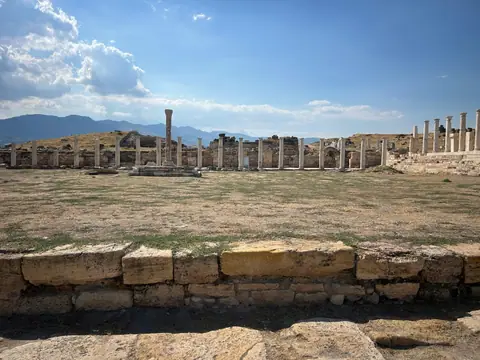
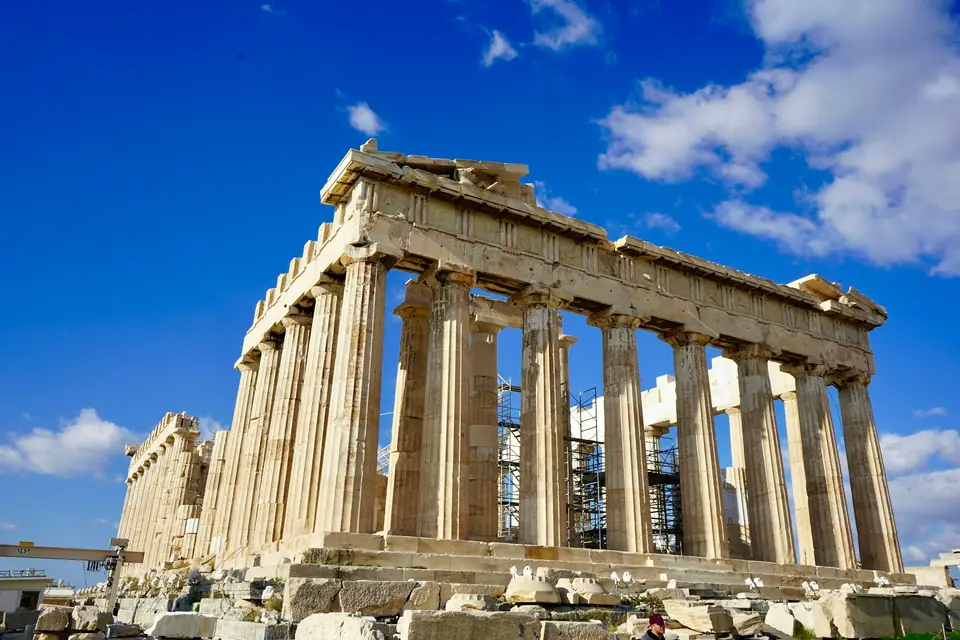
- Athens. The Acropolis and its museum, the old lanes of Plaka and Anafiotika, the Ancient Agora, and a food scene far better than its reputation. Two days is enough. Ferries to the islands leave from Piraeus, Rafina and Lavrio.
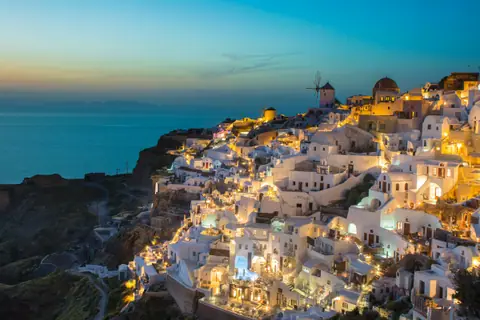
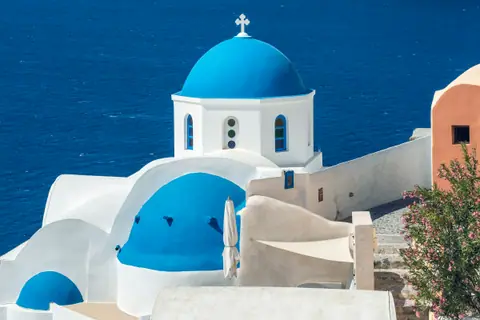
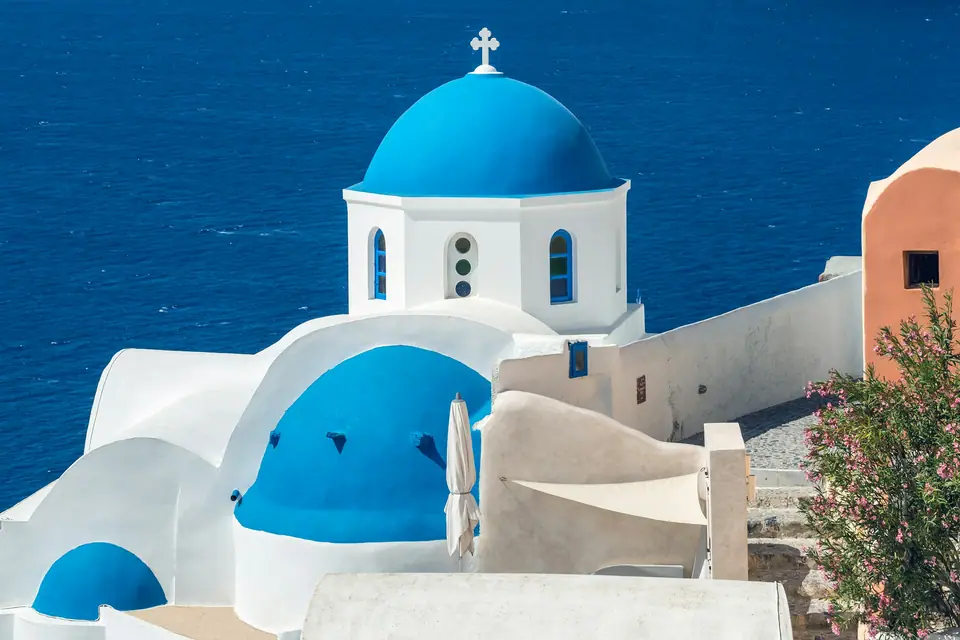
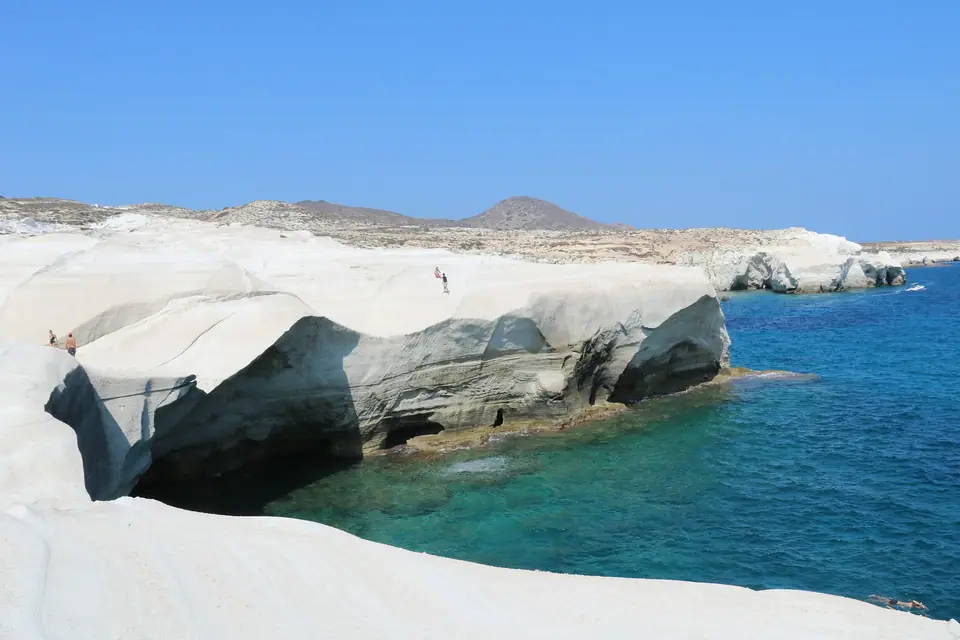
- The Cyclades. The white-and-blue islands of the brochures. Santorini has the caldera cliffs and the famous sunsets, and the biggest crowds. Naxos is larger and greener, with long sandy beaches, mountain villages and very good food. Paros is the ferry hub, lively and easy. Milos has the strangest coastline in the Aegean: white volcanic rock, sea caves and coloured cliffs, best seen by boat. Mykonos is for beach clubs and nightlife.
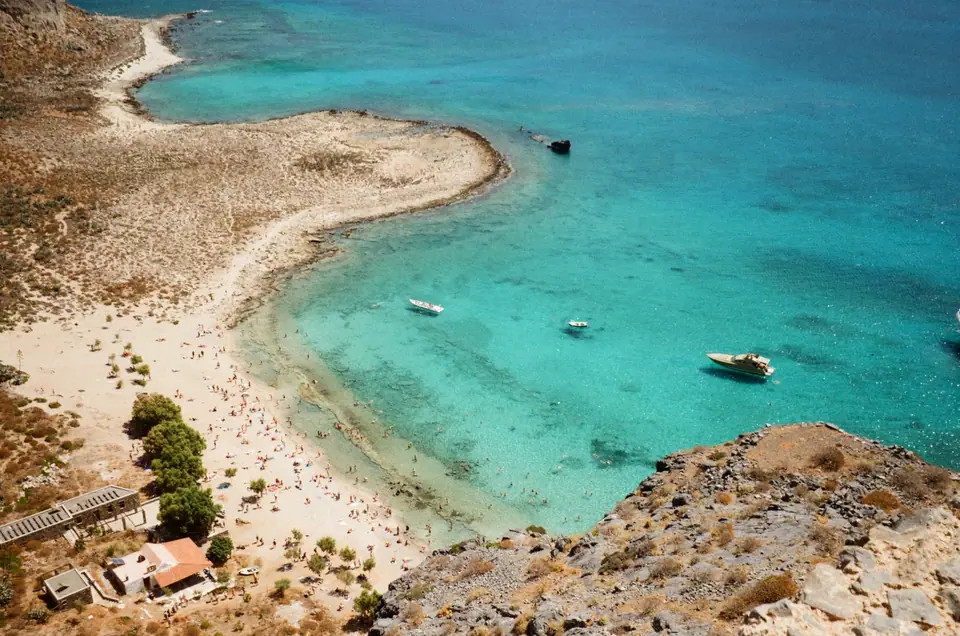
- Crete. The largest island, with mountains, gorges and its own food culture. Knossos, the Venetian harbours of Chania and Rethymno, the Samaria Gorge, lagoon beaches like Balos and Elafonisi. It needs a car and at least five days.
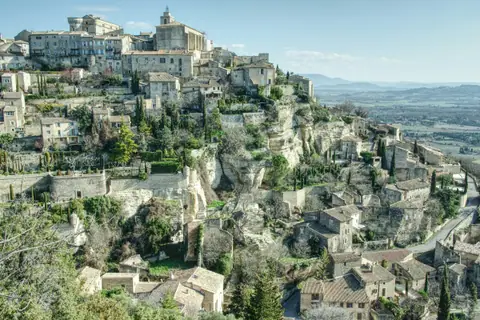
- The Peloponnese. The peninsula south of Athens, underrated by first-timers. Nafplio is one of the prettiest towns in the country, and within reach are Mycenae, the theatre at Epidaurus, ancient Olympia, and the Byzantine ghost town of Monemvasia. A road trip region.
- Meteora and the north. Monasteries built on top of rock pillars above the town of Kalambaka, in central Greece. Further north, Thessaloniki, the second city, is younger and less touristy than Athens, with Byzantine churches, a long waterfront and the beaches of Halkidiki an hour away.
- The Ionian islands. Corfu, Kefalonia, Zakynthos and Lefkada on the west coast. Greener, Venetian in style, calmer in the summer wind, and easier to reach by direct flight than by ferry from Athens.
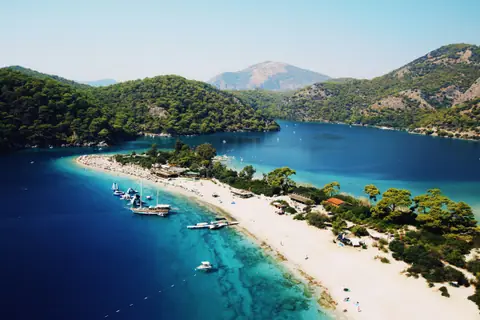
- The Dodecanese. Rhodes with its walled medieval old town, Kos, little Symi, and Patmos. They sit just off the Turkish coast, and ferries cross from Bodrum and Marmaris, so they combine well with a trip from our Turkey guide.
How long you need, and three island routes
The rule that saves most trips: one ferry day for every three nights. A two-hour crossing still takes half a day once you add checkout, the port transfer and waiting for a ship that is late. These routes follow lines that sail daily in summer and end at an airport.
7 days: Athens and two Cyclades
- Athens, 2 nights. The Acropolis on the first morning, the museum in the afternoon.
- Naxos, 2 nights. Ferry from Piraeus.
- Santorini, 3 nights. Short ferry from Naxos. Fly home from Santorini or back via Athens. Our 3-day Santorini itinerary fits this exactly.
10 days: add Milos
- Athens, 2 nights.
- Milos, 3 nights, with a boat trip round the coast to Kleftiko.
- Paros or Naxos, 2 nights.
- Santorini, 3 nights. Fly home from Santorini.
Milos to Paros and Naxos is not always a direct sailing, so check the route for your dates before you book the hotels.
14 days: mainland and Crete
- Athens, 2 nights.
- Nafplio, 3 nights, with a rental car for Mycenae, Epidaurus and a beach day.
- Back to Athens (or Piraeus) and ferry to Naxos, 3 nights.
- Santorini, 2 nights.
- Crete, 4 nights, ferry from Santorini to Heraklion, then west to Chania. Fly home from Chania or Heraklion.
Too much moving? Drop Naxos and give Crete the nights. Meteora and Thessaloniki suit a separate northern trip.
Getting around: ferries, flights and a car
Ferries are the heart of any island trip, and most complaints about Greece start at the port. The big conventional ferries (Blue Star is the name you will see most) are slower, cheaper and steady in wind. The high-speed catamarans (SeaJets and others) halve the journey but roll in a swell and are the first to be cancelled. Book through the operators' own sites or an aggregator such as Ferryhopper, which shows every company on one screen. In July and August, and for any ferry with a car, book a few weeks ahead; outside summer you can often buy the day before. Piraeus is huge, so check which gate your ship uses.
The meltemi. From June to September a strong, dry north wind blows across the Aegean, strongest in July and August and usually from late morning to sunset. On bad days the port authorities ban sailings from some ports, fast boats are cancelled, and conventional ferries run late. Don't book a ferry for the day of your flight home. Leave a spare night at the end of the trip, on the island with the airport or in Athens.
From November to April schedules shrink sharply, and some routes run only a few times a week.
Domestic flights
Aegean, its regional arm Olympic, and Sky Express fly from Athens to Santorini, Mykonos, Naxos, Paros, Milos, Crete, Rhodes, Corfu and more. A 45-minute flight can replace an eight-hour ferry, which matters most for Crete, Rhodes and the Ionian islands. Our guide to getting to Santorini compares the options for the busiest island.
Rental cars and quads
A car is the right tool for Crete, the Peloponnese, Naxos and the mainland north. In Athens it is a liability. Greek law accepts licences from the US, UK, Canada and Australia for short stays, but many rental desks, especially on the islands, still ask for an International Driving Permit, so carry one. Island roads are narrow and steep, and quads and scooters are involved in a large share of tourist accidents. Rent one only if you are an experienced rider, and wear the helmet.
When to go
Late May to June and September to mid-October are the sweet spots. The sea is warm from June to October, the light is softer, the ferries run full schedules, and hotels cost less than in peak season. July and August are hot and crowded. Athens regularly passes 38°C, the Acropolis has closed during midday heatwaves in recent summers, and around 15 August (the Assumption, a major Greek holiday) the ferries are full of Greek families heading home to their islands.
Summer is also wildfire season, at its worst from mid-July to late August. Fires near resorts are rare but not unheard of: in August 2026 forests in parts of Halkidiki were closed during a fire, and island villages have been evacuated by emergency alert in recent summers. On days of very high fire risk, the authorities can close forests and hiking areas. Your phone will receive 112 emergency alerts in English; follow them without argument, and never light a fire or throw a cigarette in dry countryside.
April and May suit Athens, the Peloponnese, Crete and hiking, though the sea is still cold. Greek Orthodox Easter, the biggest holiday of the year, moves every year, and much closes around it. In winter the islands go quiet. For the busiest island, our best time to visit Santorini guide goes month by month.

Money, tipping and the new fees
Greece uses the euro, and cards are accepted almost everywhere, including most tavernas and kiosks. Businesses are required by law to give you a receipt; if nothing appears, ask for one. Carry some cash for small island tavernas, beach canteens and tips.
- Tipping. Not expected, but appreciated. Rounding up or leaving a few coins, or around 5 to 10 percent for good service at dinner, is normal. Tips on a card often don't reach the staff, so leave cash on the table.
- Bread and water. Many tavernas put bread (and sometimes bottled water) on the table and charge a small amount for it. It is legal, and it appears on the menu.
- Climate resilience fee. Since 2024, every hotel, guesthouse and holiday rental charges this fee per room per night, higher from April to October than in winter. It is usually paid at the property, not included in the booking price.
- Cruise passenger fee. Since July 2025, cruise passengers pay a per-person levy at Greek ports, highest in summer (June to September) at Santorini and Mykonos. The cruise line collects it, usually as part of port charges.
- Sunbeds. Since the 2024 beach law, a large part of every organised beach must stay free of sunbeds, and some protected beaches have no rentals at all. You can always lay a towel on the free sand.
What to eat, and where
Greek food is simple and seasonal, and the best of it is in family tavernas away from the harbour front.
- Everywhere: horiatiki (the real Greek salad, no lettuce, a slab of feta on top), souvlaki and gyros in pita, grilled octopus, and loukoumades, small fried doughnuts in honey.
- Santorini: fava (a yellow split-pea purée), tomatokeftedes (tomato fritters from the island's small, sweet tomatoes), and white Assyrtiko wine from vines grown in volcanic soil.
- Crete: dakos (barley rusk topped with tomato, cheese and olive oil), snails, lamb with wild greens, and tsikoudia, a clear spirit often brought free at the end of a meal.
- Thessaloniki: bougatsa (flaky pastry filled with custard or cheese) for breakfast, and some of the country's best meze bars.
- Coffee: in summer Greeks drink it cold. Order a freddo espresso or freddo cappuccino, and say metrio for medium sweet.
Lunch runs from about 13:00 to 16:00 and dinner rarely starts before 21:00. A taverna with photos of every dish and a waiter calling you in from the street is cooking for the cruise crowd.
Practical questions
What changed at the border in 2026?
The EU Entry/Exit System (EES) has been fully running since 10 April 2026. Non-EU visitors on a short stay register fingerprints and a photo at the first Schengen border they cross, instead of getting a passport stamp. The first registration takes longer, so leave extra time at Athens airport. ETIAS, the online travel authorisation for visa-exempt visitors, is not in operation yet. In July 2026 the EU removed its "late 2026" target from the official site, and reports now point to 2027. Apply only through the official EU site once it opens, and ignore the private sites already selling "ETIAS applications".
How do Acropolis tickets work?
Every ticket is for a specific entry slot, sold on the Hellenic Heritage site (the official ministry ticketing service) and through resellers. You can arrive a little before or after your slot, but not much. Once inside, you can stay as long as you like. The old combined ticket for the Athens sites was withdrawn in 2025, so each site is now booked separately. Take the first slot or a late one; midday is hot and packed.
Is Santorini affected by the earthquakes?
The island had an intense earthquake swarm in early 2025 and is now back to normal for visitors, but civil protection measures remain in force until at least March 2027. The footpath from Ammoudi to Agios Nikolaos below Oia is closed, and access to parts of the old port below Fira and the road down to Ammoudi is restricted. Check the local notices before you plan a hike. For the sunset crowds in Oia, our Oia sunset guide has the quieter viewpoints, or see the caldera from the water on a Santorini sunset cruise.
Is Meteora a day trip from Athens?
It can be done, but it's a long day with a four to five hour ride each way. Better to stay one or two nights in Kalambaka, reached by train from Athens (usually with a change at Palaiofarsala) or by car. The monasteries each close one day a week, on different days, and require covered shoulders and knees; women are asked to wear a skirt, which some lend at the door.
Is Thessaloniki easy to visit now?
Easier than before. The city's metro opened in November 2024, after decades of delays, and an extension to Kalamaria opened in August 2026. It doesn't reach the airport yet, so use the bus or a taxi.
Can we combine Greece with Turkey or Italy?
Yes. Ferries cross from Kos and Rhodes to Bodrum and Marmaris, and there are frequent flights from Athens to Istanbul. Overnight ferries run from Patras and Igoumenitsa to Bari, Brindisi and Ancona, the link to our Italy guide.
Where we would start
If this is your first time, we'd fly into Athens and out of Santorini, with Naxos in between. Two nights for the Acropolis and the city, three on Naxos for beaches and mountain villages, and three on Santorini for the caldera, with a spare night somewhere in case the meltemi has other plans. Book the Acropolis before you fly and the ferries as soon as the timetables appear. Save Crete, the Peloponnese and Meteora for the second trip. With Greece, there nearly always is one.