


























Best Time to Visit Agra: IMD Climate Normals, Winter Morning Fog vs Summer Heat & Full-Moon Taj Nights
Plan your visit to Agra using IMD 1991-2020 climate normals: compare sunny 25-32°C October-November and February-March shoulder weeks against January morning fog and 42°C May heat.
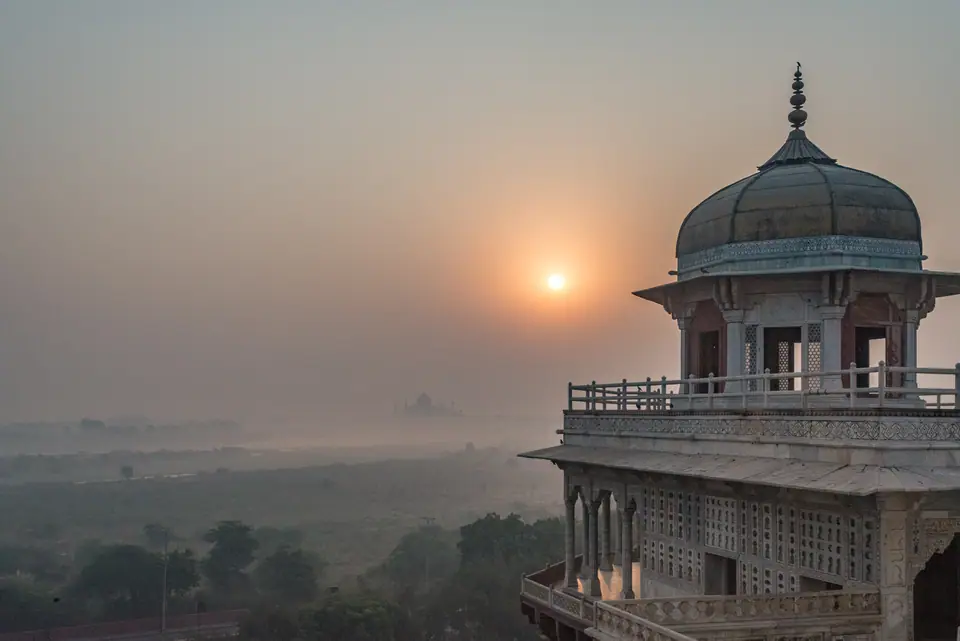
Situated on the Indo-Gangetic plain at the edge of semi-arid Rajasthan, Agra experiences extreme continental seasonal swings. The India Meteorological Department (IMD) records official 1991-2020 climate normals at Agra Station (WMO ID 42261, elevation 169 metres). Mean daytime highs range from a brisk 21°C in January to a blistering 42°C in May before the July monsoon arrives. Picking the right month in Agra is not just about temperature. In late December and January, dense morning radiation fog over the Yamuna River can completely hide the dome of the Taj Mahal until 10:00. Below is a month-by-month breakdown of weather, visibility, crowd waves, and full-moon viewing dates.
| Season & Months | Mean High / Low (°C) | Rain Days / Month | Visibility & Field Verdict |
|---|---|---|---|
| 1. Prime Shoulder (Oct to Nov & Feb to Mar) | 25°C to 33°C / 11°C to 19°C | 0 to 1 rain day | Best overall: crystal-clear sunrise skies at the Taj Mahal and comfortable afternoon walking |
| 2. Mid-Winter Peak (Dec to Jan) | 21°C to 23°C / 8°C to 9°C | 1 rain day | Cool, pleasant afternoons (21°C), but heavy morning Yamuna fog often obscures sunrise views until 09:30 |
| 3. Pre-Monsoon Summer (Apr to Jun) | 38°C to 42°C / 22°C to 29°C | 1 to 4 rain days | Extreme midday heat and hot marble floors. Strict 05:30 to 09:30 and 16:30 to 18:30 sightseeing clock |
| 4. Southwest Monsoon (Jul to Sep) | 33°C to 35°C / 25°C to 27°C | 6 to 11 rain days | Lush green charbagh gardens, dramatic storm clouds, and rain-washed red sandstone at Agra Fort |
Why late October-November and February-early March are the true sweet spots
While travel brochures lump October through March together as "winter peak season", two distinct windows within that six-month span deliver vastly superior sunrise visibility at the Taj Mahal.
- Late October and November (Mean Highs 28°C to 33°C, Lows 13°C to 19°C, 0 to 1 Rain Days). After the monsoon retreats in late September, November brings zero rain days, low humidity, and warm golden sunrises around 06:30 without the freezing ground fog of January. Midday temperatures in November (28°C) are ideal for walking the open courtyards of Agra Fort and Fatehpur Sikri. Note that for ten days after the festival of Diwali (late October or early November), crop-stubble burning across northern India can create a smoky afternoon haze. Early mornings right at dawn remain the clearest window.
- Mid-February and March (Mean Highs 25°C to 32°C, Lows 11°C to 16°C, 1 Rain Day). By mid-February, the cold Indo-Gangetic winter fog lifts completely, daytime temperatures climb to a glorious 25°C, and the Mughal gardens of the Taj Mahal, Itimad-ud-Daulah, and Sikandra burst into spring bloom. Late February also hosts the ten-day Taj Mahotsav cultural and crafts festival at Shilpgram just 400 metres from the East Gate.
The December-January morning fog trap (and how to pivot if it happens)
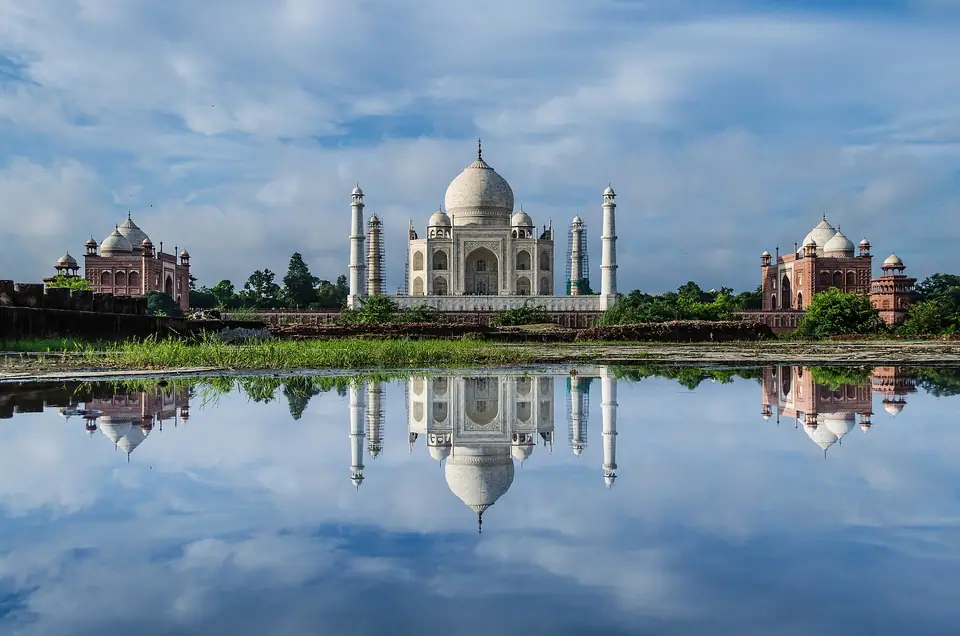
During late December and January (mean high 21°C to 23°C, mean low 8°C to 9°C), cold overnight air settling over the moist Yamuna riverbank frequently generates a thick blanket of white radiation fog (kohra). On heavy fog mornings, you can stand at the red sandstone Great Gate (Darwaza-i-Rauza) at 06:45 and be unable to see the white marble dome 300 metres ahead. Typically, the sun burns off the mist between 09:30 and 10:30, while morning express trains from New Delhi can run 30 to 90 minutes late due to railway fog speed limits.
If you visit in late December or January, follow two smart safeguards: first, stay overnight in Agra rather than relying on a same-day morning train from Delhi. Second, look out of your hotel window at 06:00. If visibility is less than 100 metres, delay scanning your Taj Mahal entry ticket until 08:30 so your three-hour ticket window is not wasted in fog. You should also add an afternoon visit to Mehtab Bagh at sunset, when winter skies are almost always clear and crisp.
Summer heat (April to June) and the monsoon clouds (July to September)
Can you visit Agra outside the winter season? Yes, provided you adjust your daily sightseeing rhythm.
- Pre-Monsoon Summer (April 38°C, May 42°C, June 40°C Mean Highs). In May and early June, dry westerly winds (the loo) push afternoon temperatures to 42°C to 45°C. By 10:30, the white marble terrace of the Taj Mahal becomes scorching hot underfoot, so wear thick socks inside your cloth shoe covers as explained in our Agra packing guide. On the bright side, summer sunrise happens early (around 05:25 to 05:45). That means the Taj Mahal East Gate opens at 05:00 when the air is a pleasant 27°C and tourist crowds are at their lowest of the entire year. Tour the Taj from 05:00 to 07:30, visit Agra Fort from 08:00 to 09:45, retreat to a five-star Fatehabad Road hotel pool from 10:30 to 16:30, and visit Mehtab Bagh at 17:30.
- The Monsoon Months (July 35°C / 10 Rain Days, August 33°C / 11 Rain Days, September 34°C / 6 Rain Days). Monsoon showers usually fall in short, heavy afternoon bursts rather than all-day drizzle. Monsoon rain washes the summer dust from the red sandstone walls of Agra Fort and Fatehpur Sikri and turns the charbagh lawns emerald green. It also fills the Yamuna River channel behind the Taj Mahal and creates dramatic slate-grey clouds that make the white marble dome stand out in photographs.
Cultural calendar: Taj Mahotsav, Purnima Night Viewing, and Bateshwar Fair
Three calendar highlights reward planning ahead.
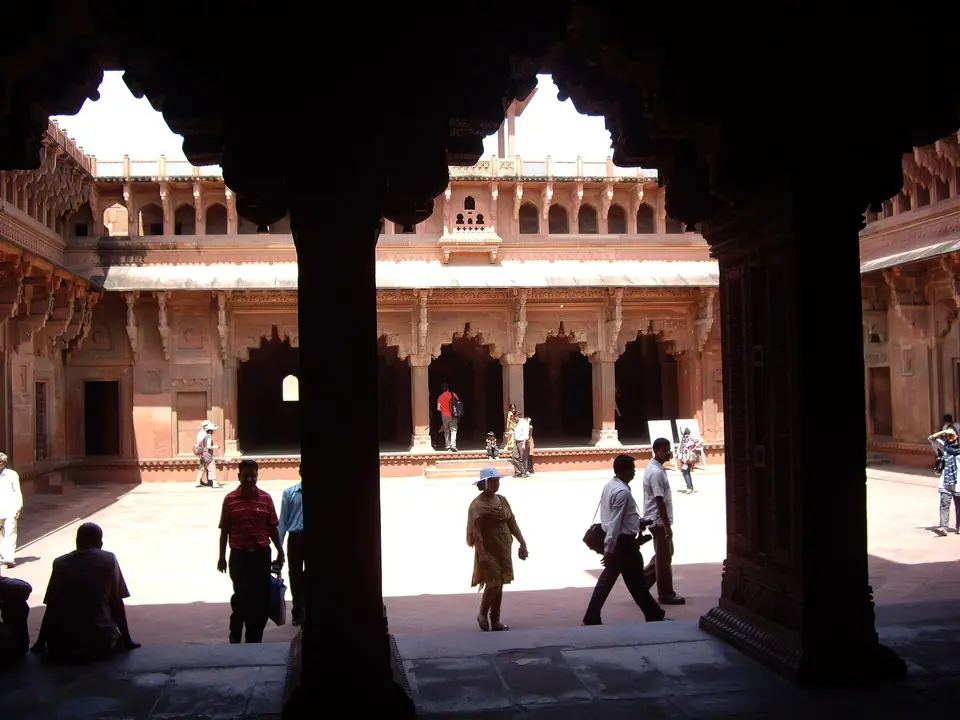
- Full-Moon (Purnima) Night Viewing at the Taj Mahal (Monthly, Except Fridays and Ramadan). For five nights each lunar month (full moon night plus two nights before and after), the ASI admits 400 visitors per night in eight batches of 50 people between 20:30 and 23:59. Each group spends 30 minutes on the red sandstone platform inside the Great Gate watching the white marble dome glow silver under the moon.
- Taj Mahotsav (18 to 27 February Every Year at Shilpgram). A lively 10-day celebration of Indian classical dance, folk music, Mughlai cuisine, and master craftspeople from across Uttar Pradesh held right beside the East Gate.
- Bateshwar Cattle and Temple Fair (October/November around Kartik Purnima). Held 70 kilometres southeast of Agra along a crescent of 101 whitewashed Shiva temples on the Yamuna River, detailed in our Chambal and Bateshwar day-trip guide.
Traveller tips
Avoid visiting the Taj Mahal on major Indian national holidays such as Republic Day (26 January), Independence Day (15 August), Gandhi Jayanti (2 October), Diwali, or the Christmas to New Year week. Check the lunar Islamic calendar as well for the three-day annual Urs of Emperor Shah Jahan (held in the month of Rajab). During the Urs, visitors are allowed down into the subterranean royal crypts and entry becomes free for everyone, drawing more than 100,000 pilgrims and visitors in a single afternoon. For wildlife enthusiasts combining Agra with a boat safari at the National Chambal Sanctuary or birding at Keoladeo National Park in Bharatpur, late November through February is the undisputed prime window. During those cool winter months, migratory waterfowl from Siberia and Central Asia pack the Bharatpur marshes and four-metre gharial crocodiles bask on sunny Chambal sandbars all morning. Whatever month you choose, mid-week Tuesday, Wednesday, and Thursday mornings at 05:45 at the East Gate deliver the calmest queues and cleanest light of the week. If you are staying in Agra for two or three nights, keep your daily schedule flexible. When a winter morning brings river mist, tour Agra Fort and Kinari Bazaar first and save your clear-sky window for the Taj Mahal. Note how hotel room tariffs and express train seat availability shift across the calendar. Between 20 December and 10 January, room rates at five-star properties along Taj East Gate Road and Fatehabad Road often double, and Executive Class seats on the morning Gatimaan Express sell out three weeks ahead. Visiting during the shoulder weeks of late October, mid-November, or early March gives you clear blue skies and 20 to 30 percent lower hotel rates across Tajganj. Finally, remember that sunset times in Agra range from 17:28 in mid-December to 19:15 in late June, so adjust your afternoon arrival at Mehtab Bagh and the Baby Taj accordingly.
Where it is
- 1Agra
- Agra Airport / Agra Air Force Station (AGR) · about 8 km from Agra in a straight line
- Directions in Google Maps
Traveller tips
Real advice from people who have been to Agra. Every tip is read by our team before it goes live.
No tips yet. Been here? Yours could be the first.
Thank you! Your tip will appear here after a quick review.
More in Agra
Continue exploring Agra with related neighbourhood, food, and planning guides
Where to Stay in Agra: Taj East Gate Road (Tajganj) vs Fatehabad Road Resorts & Colonial Cantonment
Agra, India
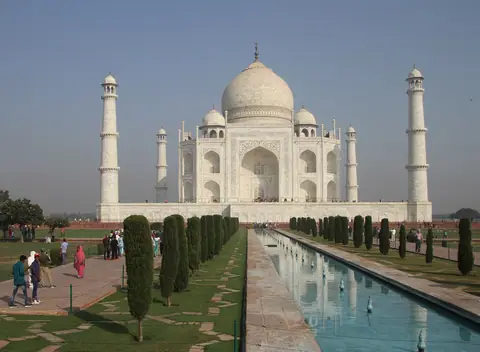
Agra 3-Day Itinerary: Taj Mahal Dawn, Red Sandstone Agra Fort, Baby Taj, Mehtab Bagh & Fatehpur Sikri
Agra, India
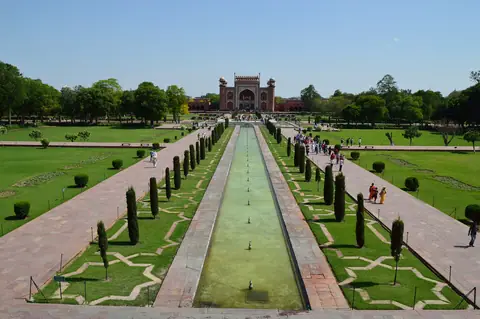
Taj Mahal Complete Guide: East vs West Gates, Mausoleum Ticket Add-On, Pietra Dura Inlay & Optical Illusions
Agra, India
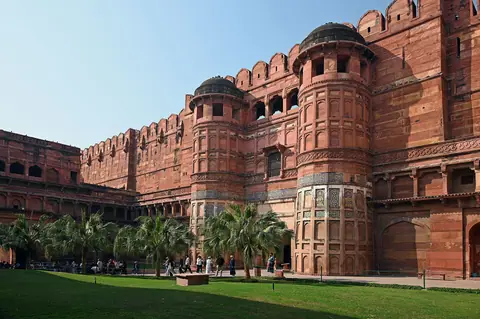
Agra Fort Guide: Amar Singh Gate, Jahangiri Mahal, Diwan-i-Khas & Shah Jahan's Musamman Burj Tower
Agra, India
