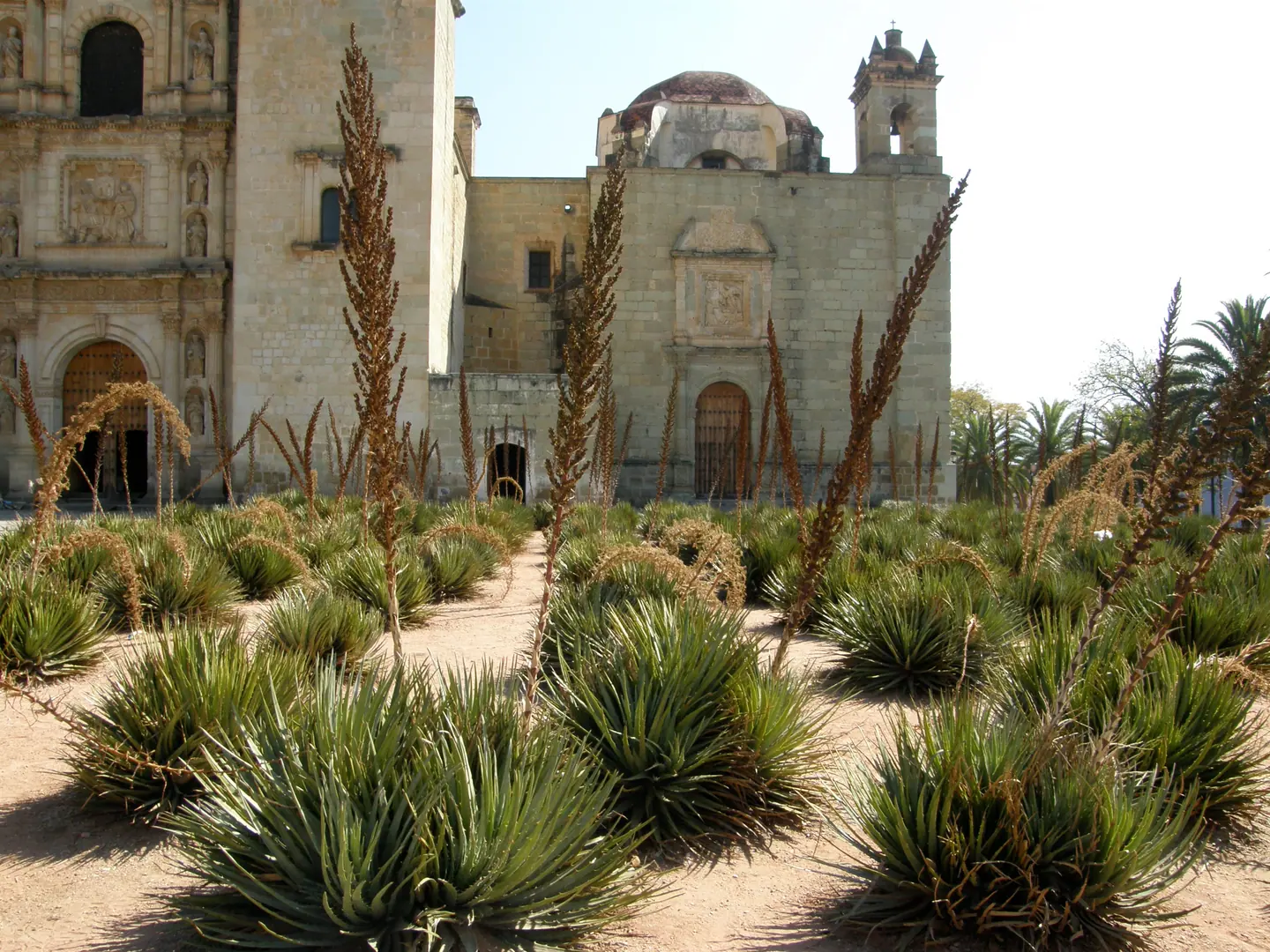



























What to Wear in Agra: Taj Mahal Shoe Covers, Hot Marble Socks, Modest Dress & Strict Prohibited Items
Pack smart for Agra: pass the strict CISF security check at the Taj Mahal by leaving prohibited items at your hotel, pack thick socks for hot marble floors, and dress comfortably.
Knowing what to wear and what not to carry in your daypack is more critical in Agra than in almost any other destination in Asia. At the entrance turnstiles of the Taj Mahal, officers of India's Central Industrial Security Force (CISF) conduct airport-style X-ray bag scans and full physical pat-downs in separate men's and women's lanes. Every morning at sunrise, dozens of visitors are turned back at the East and West Gates and forced to walk 600 metres back to the Shilpgram cloakroom while the golden dawn light fades. Most are rejected simply because they carried a portable phone power bank, earphones, a packet of biscuits, or a mini tripod in their pocket. Below is our complete 2026 field guide to the Taj Mahal's prohibited items list, marble footwear rules, and seasonal clothing.
| Item Category | Strictly Permitted at Taj Mahal | Strictly Prohibited (Will Be Rejected at Gate) | Field Solution |
|---|---|---|---|
| 1. Electronics & Cameras | Smartphone, handheld digital/DSLR camera, extra camera battery in slot | Power banks, charging cables, wired/wireless earphones, tripods, selfie sticks, drones, microphones, gimbal stabilizers | Charge your phone to 100% at your hotel and leave power banks, AirPods, and cables in your room safe |
| 2. Food, Drink & Tobacco | Clear bottled water (1 free 500 ml bottle included with foreign ticket) & infant milk | All food, snacks, chewing gum, sweets, chocolates, lighters, matches, cigarettes, e-cigarettes/vapes, alcohol | Eat a quick banana at your hotel before walking to the gate, and enjoy a full breakfast after exiting at 08:30 |
| 3. Bags, Books & Personal Items | Small waist pouch or compact daypack, wallet, passport, sunglasses, sunscreen, lip balm, umbrella | Large backpacks, guidebooks, notebooks, pens, pencils, markers, pocketknives, nail clippers, flags, banners | Carry only a small cross-body bag or waist pouch so you can breeze through the "No Bag / Small Bag" fast lane |
Footwear strategy: Slip-on walking shoes and thick socks for the Taj Mahal plinth
Across a full day covering the Taj Mahal, Agra Fort, and the Baby Taj, you will walk 8 to 12 kilometres over red sandstone pathways and white marble floors. Because you must cover or remove your shoes at several thresholds, footwear choice matters.
- How the Taj Mahal Mausoleum Shoe-Cover Rule Works. You wear your normal shoes while walking through the red sandstone forecourt, the Great Gate, and the grassy charbagh pathways of the Taj Mahal. Before climbing the main staircase onto the elevated white Makrana marble plinth (chameli farsh) and central mausoleum, every visitor must pull disposable cloth shoe covers over their footwear or walk in socks. A free pair of elastic cloth shoe covers is included inside the High-Value Ticket kit given to 1,100 and 1,300 INR foreign ticket holders at the Shilpgram counter.
- Why Thick Cotton or Merino Socks Save Your Feet (March to October & January). At the Tomb of Itimad-ud-Daulah ("Baby Taj"), Akbar's Tomb at Sikandra, and the white marble mosque of Fatehpur Sikri, shoe covers are often not used. Instead, you leave your shoes at the entrance rack and walk in your socks. Between April and October, bare marble and red sandstone floors exposed to the sun heat up above 50°C by 10:30, while on 8°C January mornings the stone is ice-cold! Always wear comfortable slip-on sneakers or loafers paired with thick, dark-coloured cotton or merino socks (never walk barefoot on scorching stone or pigeon droppings).
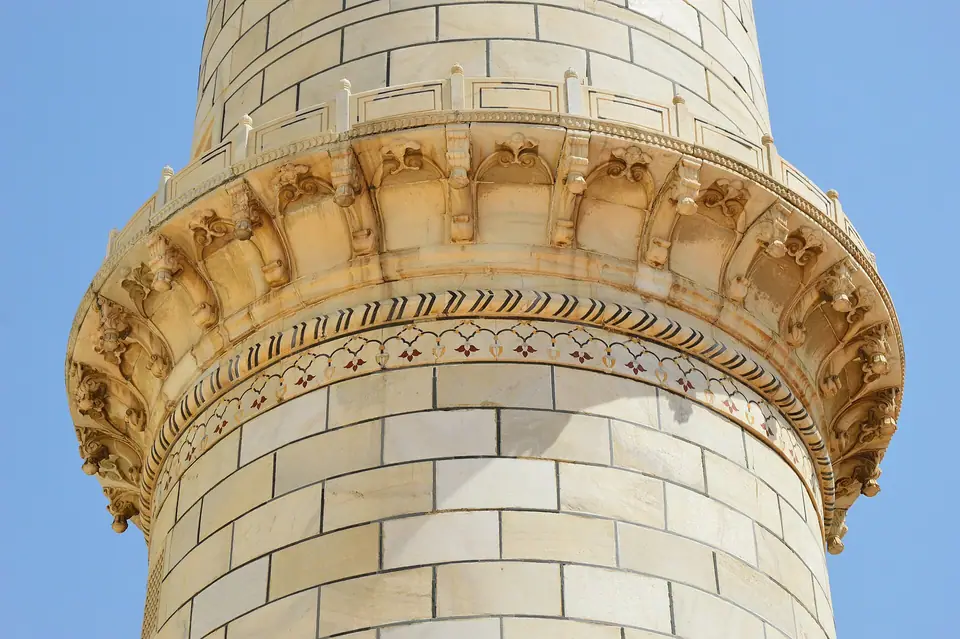
Modest dress etiquette and photography colours that pop against white marble
The Taj Mahal and Agra Fort operate as protected archaeological monuments rather than active places of worship, except on Friday afternoons when the Taj mosque hosts local prayers. Even so, Uttar Pradesh observes modest social norms, and CISF guards prohibit revealing outfits, props, or commercial fashion shoots.
- Cover Shoulders and Knees for Effortless Respect and Comfort. For both men and women, covering shoulders and knees with lightweight linen or cotton trousers, chinos, a maxi dress, a midi skirt, or an Indian cotton kurta or salwar kameez is ideal. Dressing modestly earns warm smiles across Agra and lets you step straight into active shrines like Mankameshwar Mandir or the Sufi tomb of Salim Chishti at Fatehpur Sikri. Carry a light cotton scarf (dupatta or shawl) in your bag to cover your head when entering the tomb of Salim Chishti or the Jama Masjid.
- Best Colours to Wear for Taj Mahal Sunrise Photographs. Because the Taj Mahal's Makrana marble is ivory-white and its gateways are terracotta-red sandstone, solid white outfits can wash out against the mausoleum while bright red blends into the arches. Instead, choose jewel tones such as emerald green, sapphire blue, mustard yellow, turquoise, or soft pastel pink for strong visual contrast against both stone surfaces.
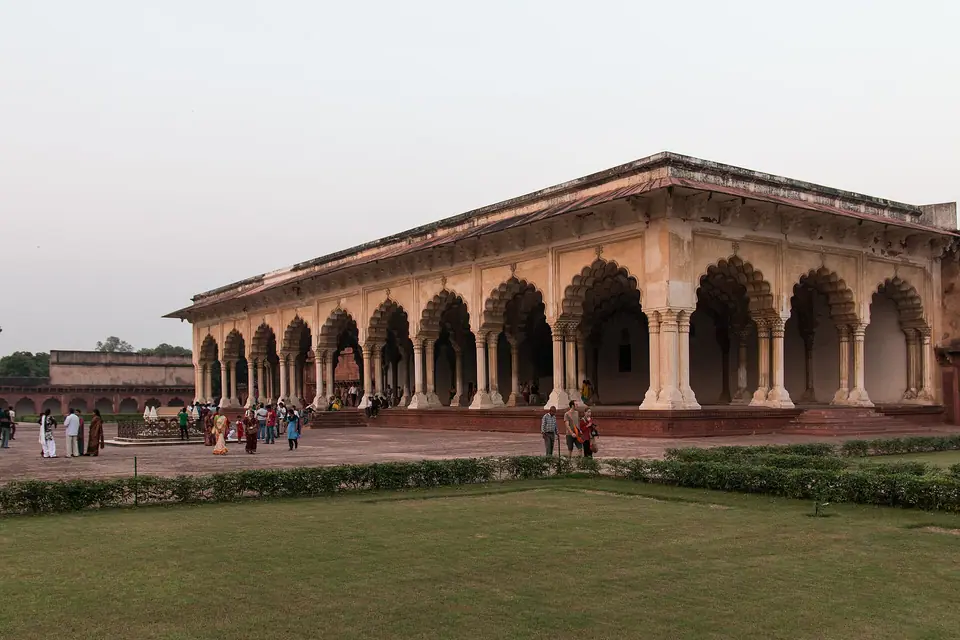
Seasonal clothing layers: Chilly 8°C winter dawns vs 42°C summer heat
Adjust your luggage to match the seasonal climate normals covered in our Agra weather guide.
- Winter (November to February, Pack a Warm Dawn Layer). Many visitors assume India is tropical year-round and arrive in Agra in January with only t-shirts. When you queue outside the Taj Mahal East Gate at 05:45 in December or January, the air temperature sits at 8°C to 10°C with damp river mist off the Yamuna! Wear a peelable three-layer outfit consisting of a breathable cotton base layer, a warm sweater or fleece, and a light packable windbreaker. By 10:30, when the winter sun warms the courtyards to 22°C, you can easily stow your outer layer.
- Summer and Pre-Monsoon (March to June, Breathable Linen & UV Gear). When afternoon highs climb from 32°C in March to 42°C in May, wear loose-fitting 100% linen or thin khadi cotton with long sleeves to shield your skin from UV reflection off the white marble. Bring polarized UV400 sunglasses (essential against the dazzling white glare of the Taj Mahal plinth at 08:30), a wide-brimmed sun hat, and high-SPF sunscreen.
- Monsoon (July to September, Compact Umbrella & Quick-Dry Fabrics). A compact folding umbrella is permitted through Taj Mahal security and serves double duty as a rain shield during brief afternoon downpours and a portable shade parasol across the open courtyards of Fatehpur Sikri.
Traveller tips
If you arrive in Agra by morning train from Delhi carrying a daypack with a power bank or snacks, do not join the main Taj Mahal security queue first. Instead, stop at the free official ASI Cloakroom (Locker Room) beside the ticket counters at the East Gate (Shilpgram) or West Gate and deposit your bag against a numbered metal token. Then walk to the turnstiles carrying only your phone, camera, passport, wallet, and ticket. Remember that different religious precincts around Agra have specific footwear and head-covering customs beyond the Taj Mahal. When visiting the Jama Masjid and the Tomb of Salim Chishti at Fatehpur Sikri, you must remove your shoes at the outer racks. The same rule applies at Gurudwara Guru ka Tal and the Soami Bagh Samadh in Dayalbagh, where visitors cover their heads with a cotton scarf or shawl. Packing a dedicated draw-string cloth shoe bag and two pairs of thick socks in your daypack keeps your feet clean on sun-warmed stone and saves you from hunting for loose change at every temple threshold. If you plan to browse the spice and bridal alleys of Kinari Bazaar, wear closed-toe walking sneakers. Neutral layers also work well for an early boat safari in the National Chambal Sanctuary. If you plan to attend the 30-minute full-moon Night Viewing at the Taj Mahal, remember that security rules are even stricter at night. Mobile phones, video cameras, and batteries are prohibited during evening sessions. Only still cameras are permitted after inspection by CISF officers at Shilpgram. Pack a small packet of tissues, hand sanitizer, and wet wipes in your pocket. Those hygiene items pass easily through the Taj Mahal turnstiles. If you want to wear an Indian outfit for sunrise photos, visit fixed-price boutiques in Sadar Bazaar or along Fatehabad Road. Ready-to-wear cotton and silk kurta sets, salwar kameez suits, and scarves cost roughly INR 900 to INR 2,800 (~USD 11 to USD 33 as of November 2026). Keep a printed copy of your e-ticket in your pocket in case your phone battery drains in the morning chill. Keep a printed copy of your e-ticket in your pocket in case your phone battery drains in the morning chill. Keep a printed copy of your e-ticket in your pocket in case your phone battery drains in the morning chill. Pair this checklist with our Agra orientation and 3-day itinerary.
Where it is
- 1Agra
- Agra Airport / Agra Air Force Station (AGR) · about 8 km from Agra in a straight line
- Directions in Google Maps
Traveller tips
Real advice from people who have been to Agra. Every tip is read by our team before it goes live.
No tips yet. Been here? Yours could be the first.
Thank you! Your tip will appear here after a quick review.
More in Agra
Continue exploring Agra with related neighbourhood, food, and planning guides

East Bank of the Yamuna Guide: Tomb of Itimad-ud-Daulah (Baby Taj), Chini Ka Rauza & Mehtab Bagh
Agra, India

Fatehpur Sikri Guide: Buland Darwaza, Jama Masjid, Salim Chishti & Royal Complex
Agra, India

Sikandra (Akbar's Tomb), Mariam-uz-Zamani & Dayalbagh Soami Bagh Temple Route
Agra, India
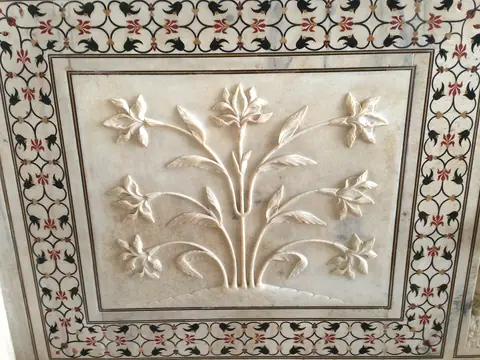
Agra Crafts & Markets: Parchin Kari Marble Inlay, Zardozi, Sadar & Kinari Bazaar
Agra, India
