Sunnmøre Coastal Climate, Fjord Seasons, and Slinningsbålet
Plan around Ålesund's mild oceanic climate, May-to-September Geirangerfjord and Trollstigen season, June Slinningsbålet bonfire, and winter storms.
Positioned at 62°28′N on outer islands warmed by the North Atlantic Current, Ålesund has a temperate oceanic climate (Köppen Cfb) characterised by mild winters, cool summers, narrow daily temperature swings, and a pronounced seasonal lag. According to 1991 to 2020 meteorological normals recorded at Ålesund Airport, Vigra (22 metres elevation) and Ålesund IV, August is the warmest month of the year with average daytime highs of 16.9 °C (17 °C) and overnight lows of 12.1 °C (12 °C), closely followed by July at 16.5 °C high and 11.5 °C low. Even in the coldest midwinter months of January and February, mean daily temperatures stay above freezing at 2.6 °C to 3.4 °C (with average highs of 4.8 °C to 5.2 °C and lows of 0.7 °C to 1.3 °C), and the outer islands receive noticeably less winter snow and rain than the high mountain barrier of the Sunnmøre Alps just inland.
May and June: Driest Months, Puffins on Runde, and Slinningsbålet
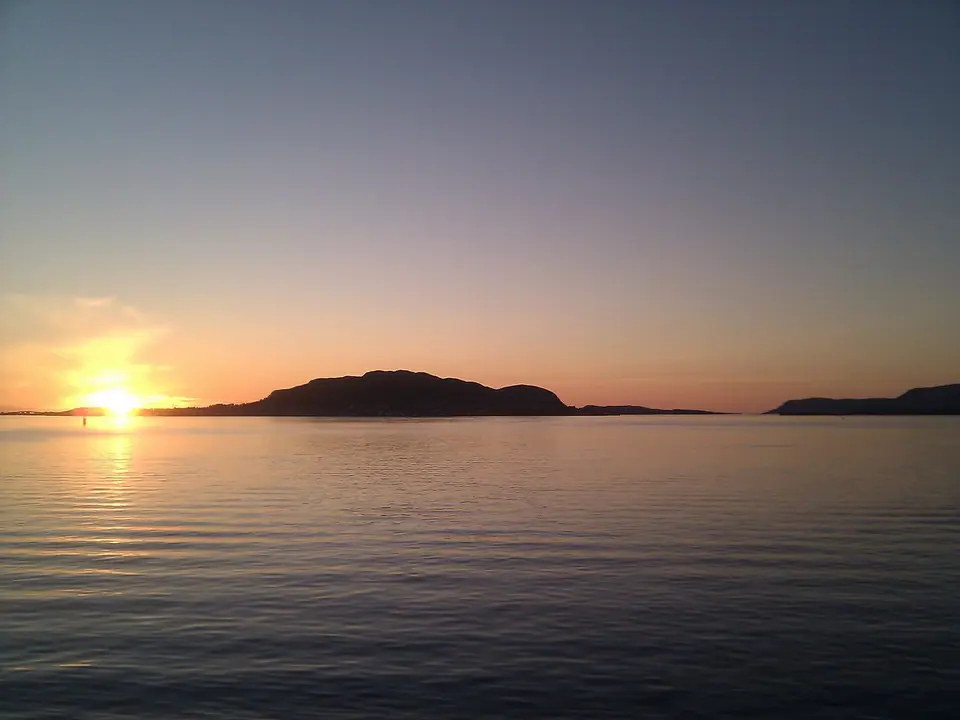
Meteorologically, May and June are the driest months of the year in Ålesund, averaging 71.6 to 75 millimetres of rainfall in May across 12 rainy days and 80.1 to 85 millimetres in June across 12 to 13 rainy days. As subarctic daylight stretches toward nearly twenty hours around the solstice, late May through July becomes the prime window for hiking the 294-metre sea cliffs of Runde island to watch some 30,000 pairs of Atlantic puffins wheel ashore at dusk from the Norwegian Sea. Inland on County Road 63, road crews clear the winter snowbanks so the 11 hairpin bends and 850-metre pass of Trollstigen typically open in mid-May, while northbound Hurtigruten and Havila Kystruten ships begin their daily summer detours into Geirangerfjorden.
On Midsummer's Eve (Sankthansaften, 23 June), thousands of residents and visitors gather in small boats and along the rocky shoreline of Borgundfjorden to watch the lighting of Slinningsbålet at the tip of the Slinningsodden breakwater on Hessa. Built entirely by hand over several weeks by local youth stacking wooden crates, barrels, and pallets into a freestanding spire without cranes, Slinningsbålet set a Guinness World Record of 47.4 metres (47.396 metres) in 2016 and reached 40.46 metres in 2023.

July and August: Warmest Fjord Cruising and the Norwegian Food Festival
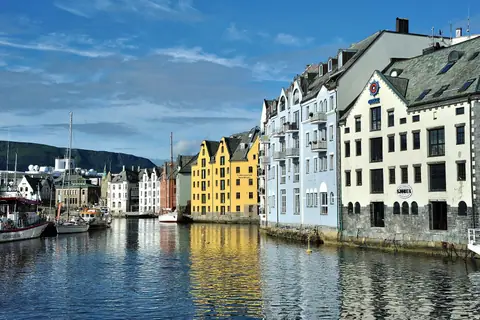
July and August bring the warmest air and sea temperatures of the year (averaging 17 °C during the day and 12 °C at night), when all 55 historic buildings and boat halls at Sunnmøre Museum, the tower café at Alnes Lighthouse on Godøya, and the outdoor terrace of Fjellstua atop the 418 steps of Mount Aksla operate on full summer schedules. Late August caps the summer season with the annual Norwegian Food Festival (Den Norske Matfestivalen) along Brosundet, celebrating Sunnmøre klippfisk, tomato bacalao, blandaball, and ferry sveler.
September and October: Golden Birch Slopes and Hjørundfjorden Cruises
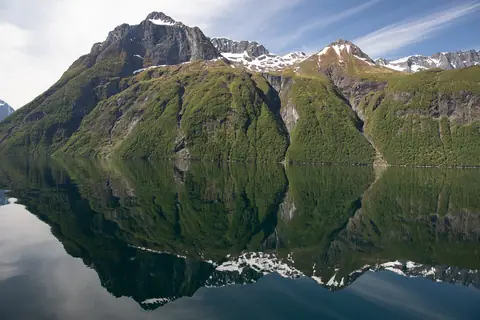
In September (average high 14.7 °C, low 9.8 °C) and October (average high 10.9 °C, low 6.3 °C), summer crowds thin out across the coastal islands while the high mountain passes remain open until the initial heavy autumn snowfalls. During these two autumn months, coastal express ships switch their daily fjord detour from Geirangerfjorden into the 33-kilometre Hjørundfjorden, sailing past Urke and the 1891 wooden Hotel Union Øye as mountain birch forests turn gold beneath fresh snow dustings on 1,717-metre Kvitegga and 1,564-metre Slogen.
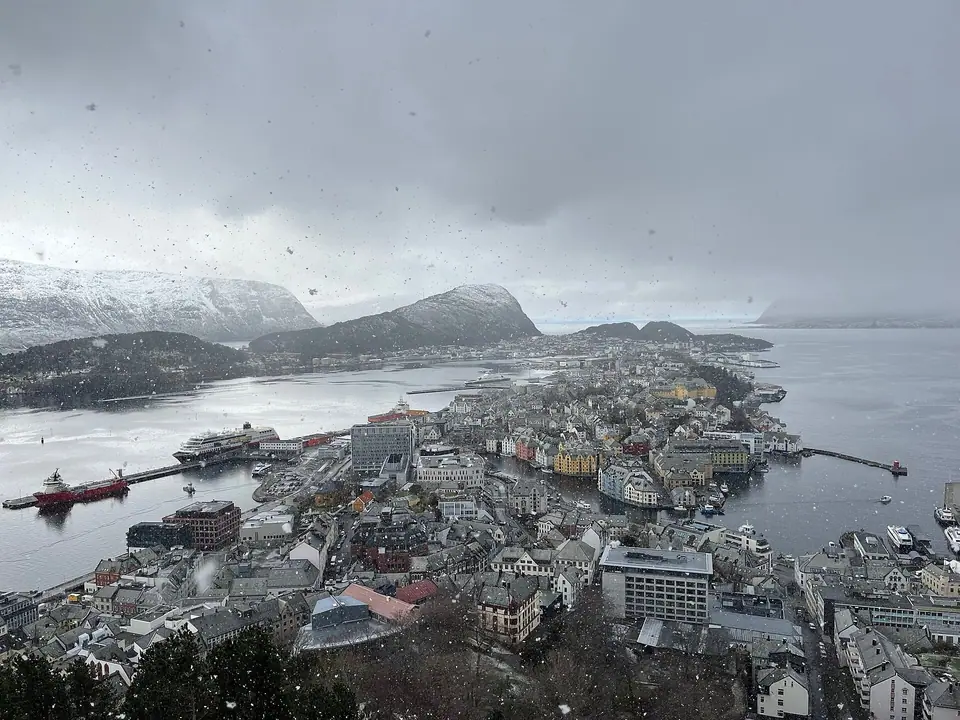
November to April: Atlantic Winter Storms, Museums, and Spring Ski Touring
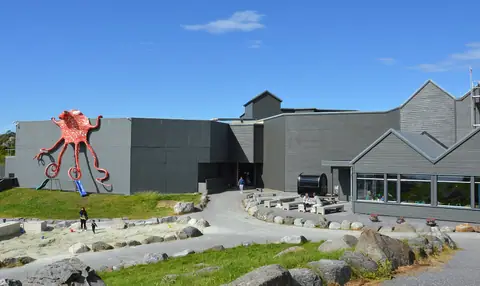
October through January are the wettest and windiest months along the Møre coast, recording 145 to 176 millimetres of precipitation per month across 17 to 20 rainy days as North Atlantic low-pressure systems roll ashore against the Molja breakwater, Alnes Lighthouse, and Tueneset. Storm-watching walks along the harbour mole pair naturally with warm hours inside the 1907 Swan Pharmacy at Jugendstilsenteret and KUBE, the 4-million-litre indoor tank at Atlanterhavsparken, and candlelit warehouse restaurants along Apotekergata.
What to Pack for Sunnmøre's Coastal Weather
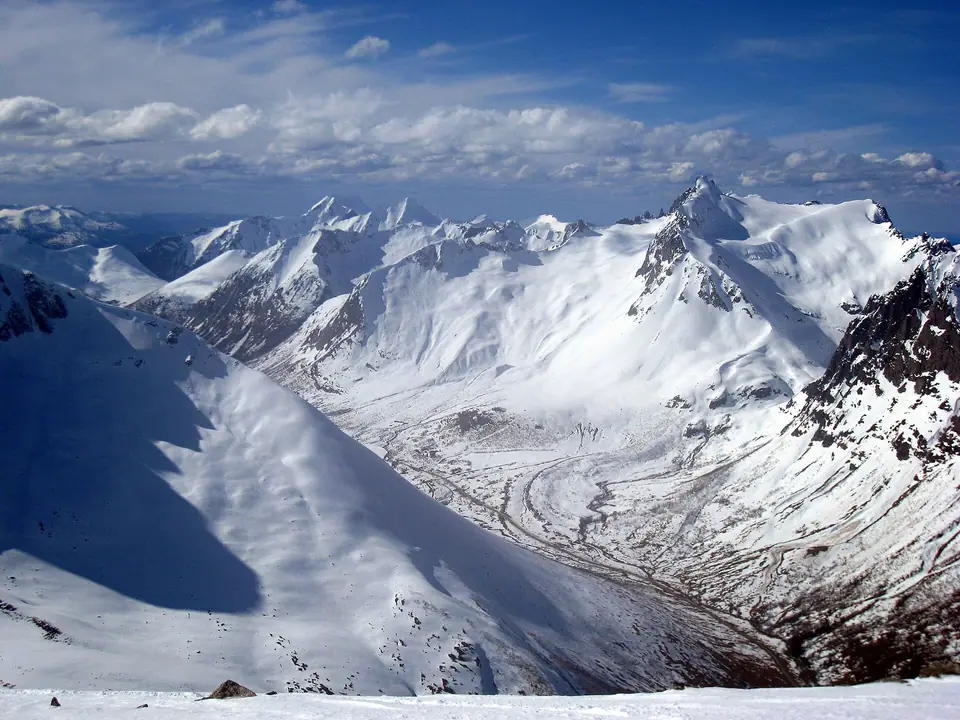
From February through May and into early June, rapidly lengthening daylight and deep maritime snowpack transform the surrounding Sunnmøre Alps and ski areas at Strandafjellet and Fjellsetra into one of Scandinavia's premier regions for fjord-to-summit ski mountaineering (topptur), where skiers ascend peaks above Hjørundfjorden and Storfjorden in the morning and return to sea level on Brosundet by evening. Because Atlantic breezes and passing showers can sweep across the outer islands in any month, pack a windproof and waterproof hooded shell jacket, a warm mid-layer fleece or wool jumper, and grippy walking shoes for the 418 stone steps of Mount Aksla and the coastal paths at Tueneset and Alnes.
- May and June: Driest months (71.6 to 85 mm rainfall), 30,000 pairs of puffins nesting on Runde, mid-May reopening of Trollstigen, and the 23 June Slinningsbålet bonfire on Hessa.
- July and August: Warmest months (highs around 17 °C, lows around 12 °C), full Geirangerfjorden cruise schedules, open-air houses at Sunnmøre Museum, and the late-August Norwegian Food Festival.
- September and October: Autumn colours and Hurtigruten/Havila sailings into the 33-kilometre Hjørundfjorden and Norangsfjorden (highs 10.9 °C to 14.7 °C).
- November to April: Mild coastal winters (January and February means 2.6 °C to 3.4 °C), Atlantic storm-watching at Molja and Alnes, winter cod (skrei) dining, and spring ski touring in the Sunnmøre Alps.
Because central Ålesund combines indoor cultural landmarks such as Jugendstilsenteret, KUBE, Fiskerimuseet, Atlanterhavsparken, and the boat halls of Sunnmøre Museum with quick-drying stone streets and paved coastal moles, a passing shower never brings a day's itinerary to a halt. Checking the local sea and mountain forecast each morning lets you save clear hours for the 418 steps of Mount Aksla, the ridge of Sukkertoppen, or the outer beaches of Giske and Alnes while using cloudier spells for the museums and harbour cafés along Brosundet. Annual precipitation across the outer islands averages 1,414 millimetres, with winter snow rarely lingering long on the sea-level streets of Aspøya and Nørvøya even when deep powder blankets the high peaks above Hjørundfjorden and Storfjorden, making a hooded windproof shell, warm wool layers, and grippy waterproof walking shoes far more useful than carrying a folding umbrella in every season of the year along the Møre og Romsdal coast.
Traveller tips
Real advice from people who have been to Sunnmøre Coastal Climate, Fjord Seasons, and Slinningsbålet. Every tip is read by our team before it goes live.
No tips yet. Been here? Yours could be the first.
Thank you! Your tip will appear here after a quick review.
More in Ålesund
Continue exploring Ålesund with related neighbourhood, food, and planning guides