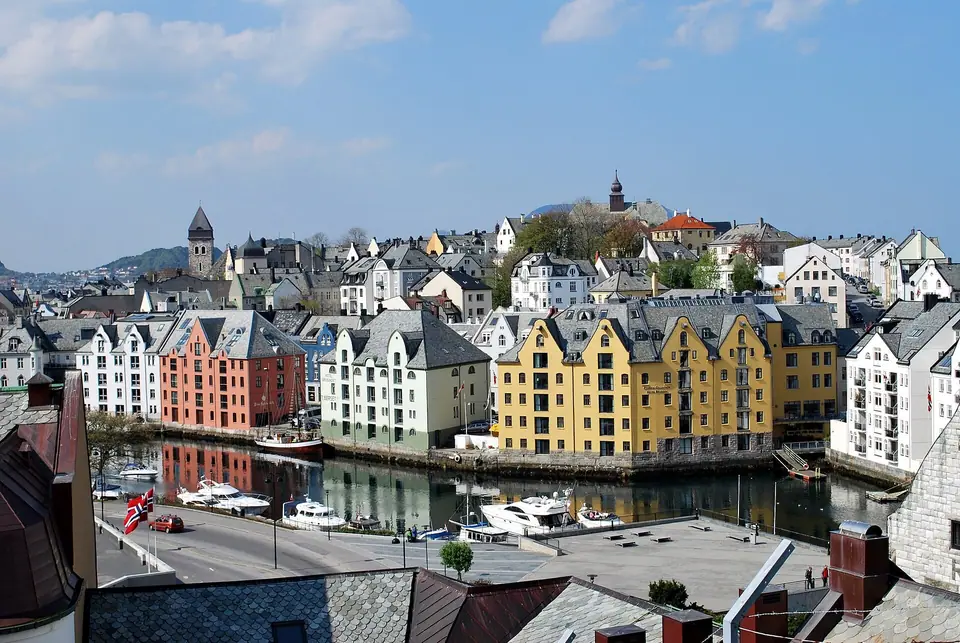
Best Areas to Stay: Brosundet, Aspøya, Kongens gate & Skansekaia
Compare staying in converted klippfisk warehouses along Brosundet on Aspøya with central Jugendstil hotels around Kongens gate and Skansekaia on Nørvøya.
Because historic Ålesund was rebuilt as a compact masonry town between 1904 and 1907 across two central islands linked by Hellebrua bridge, almost every hotel and guesthouse in the town centre sits within a ten-minute walk of the harbour quays, regional bus terminal, and viewpoints. Choosing where to stay comes down to whether you prefer a converted stone sea warehouse directly over the tidal water of Brosundet on Aspøya, a pedestrian street or harbourfront address near Byparken and the Skansekaia coastal steamer quay on Nørvøya, or a quieter base near the open-air museum at Borgundgavlen and the alpine valleys of Sunnmøre.
Apotekergata, Molovegen, and Aspøya Along Western Brosundet
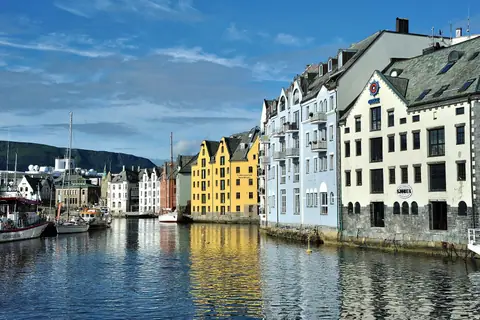
Stretching south from the harbour entrance at Molja along the western bank of Brosundet, Apotekergata and Notenesgata on Aspøya form the most atmospheric waterfront quarter in Ålesund. After the hurricane-driven fire of 23 January 1904 destroyed nearly 850 timber houses across the town, fish merchants rebuilt multi-storey brick and stone sea warehouses (sjøboder) with their foundations set straight into the canal masonry so fishing smacks could unload and salt klippfisk directly from the water. Today, several of these 1904 to 1907 warehouses have been converted into boutique canal-front accommodations where timber roof beams, deep stone window embrasures, and water-level lounges look out onto moored fishing vessels.
Staying on Apotekergata places you steps from the 1905 to 1907 Swan Pharmacy housing Jugendstilsenteret and the KUBE Art Museum, the shrimp boats tied up beside Hellebrua, and the 1861 Holmbua warehouse housing Fiskerimuseet on Molovegen. At the outer tip of the curved stone harbour breakwater stands Molja Lighthouse (Molja fyr), automated in 1889 and operated by Hotel Brosundet as a two-storey circular hideaway (Room 47) looking across the harbour mouth toward Valderøya and Godøya. Further west up Kirkegata on Aspøya, quieter residential streets surround the 1909 Nordmøre-marble Ålesund Church and the surviving wooden house Waldehuset at Fjellgata 2, within a five-minute walk of the Skateflua fast-boat terminal and the bus route across Steinvågsbrua to Atlanterhavsparken on Hessa.
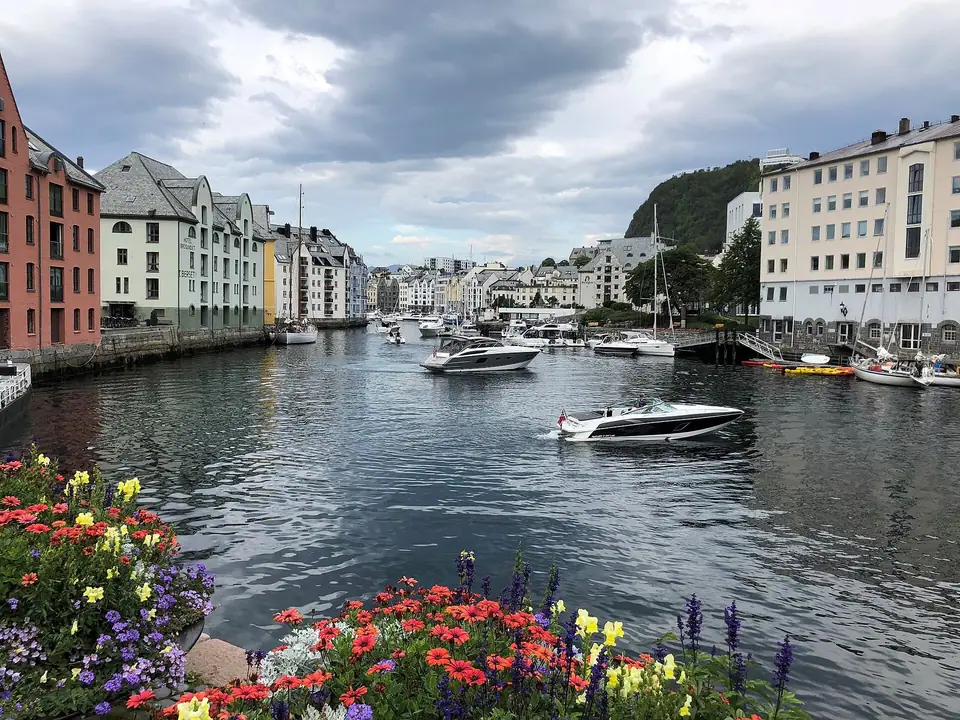
Kongens gate, Keiser Wilhelms gate, and Skansekaia on Nørvøya
Across Hellebrua on the eastern bank of Brosundet lies western Nørvøya, the commercial and transport centre of Ålesund. Full-service hotels and serviced apartments along Notenesgata, Skansegata, Kongens gate, Keiser Wilhelms gate, Sorenskriver Bulls gate, and Skansekaia sit within five minutes on foot of both the central bus station (Ålesund rutebilstasjon, where FRAM airport buses from Vigra Airport and rail-link coaches from Åndalsnes terminate) and the deep-water Skansekaia pier where northbound and southbound Hurtigruten and Havila Kystruten ships dock twice daily.
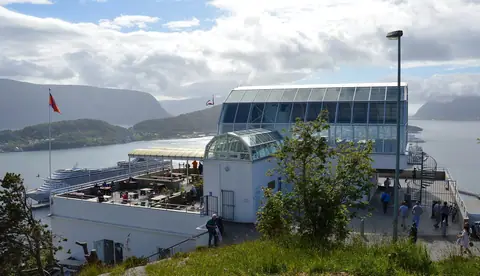
Choosing western Nørvøya is especially convenient if you arrive late in the evening by coastal steamer or airport coach, or if you want immediate access to the pedestrian cafés and bakeries along Kongens gate and the seasonal fjord cruise catamarans departing from Skansekaia into Geirangerfjorden and Hjørundfjorden. This side of the sound also gives you the shortest walk up Storgata to Byparken and the bottom of the 418-step staircase ascending 135-metre Mount Aksla to Fjellstua.
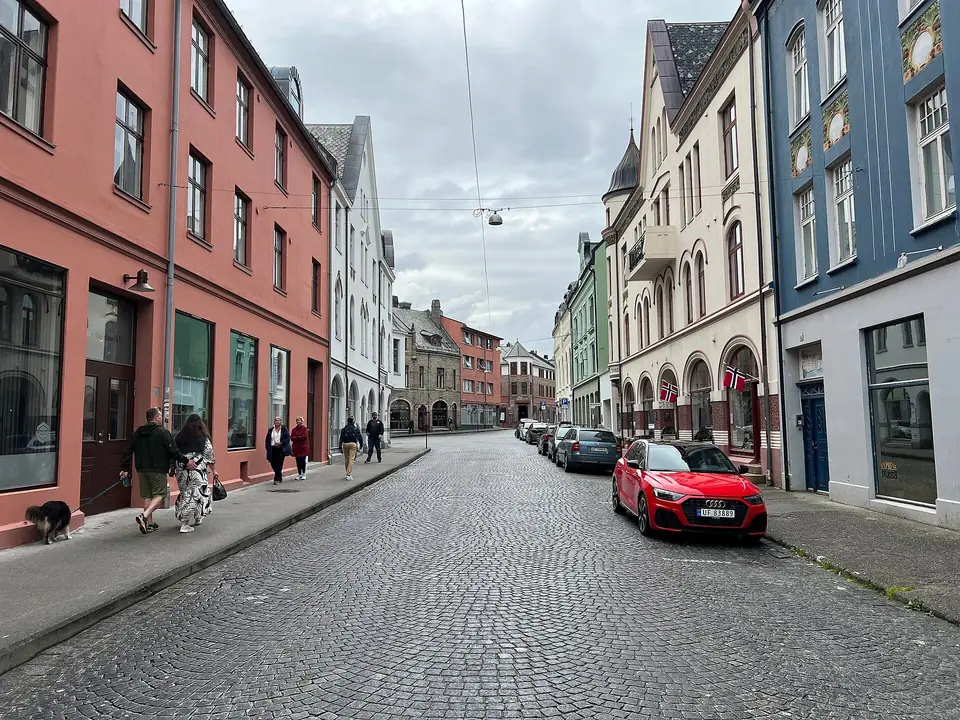
Borgundgavlen, Outer Islands, and Historic Hotel Union Øye
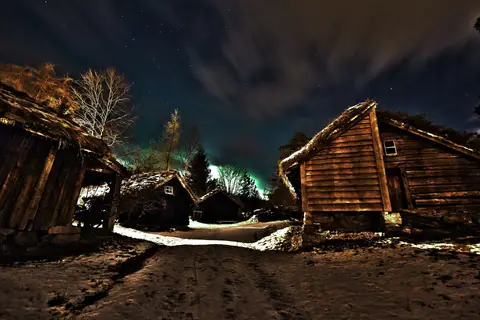
Travellers touring by car who plan to spend their days visiting the 55 historic buildings and Viking ship replicas of Sunnmøre Museum at Borgundgavlen, driving through the Vigra Fixed Link subsea tunnels to Giske Marble Church and Alnes Lighthouse, or catching the E39 car ferries across Storfjorden can also stay along Borgundvegen and Nørvasundet four kilometres east of the town centre, connected to Brosundet by frequent FRAM local buses. Staying near Borgundgavlen or Spjelkavik puts motorists right at the junction of European routes E136 and E39 for early morning departures toward Åndalsnes, Trollstigen, or the Solevågen to Festøya ferry across Storfjorden without having to navigate central town streets.
Splitting Your Stay Between Central Brosundet and the Sunnmøre Fjords
If your three-day itinerary includes hiking or cruising in the Sunnmøre Alps, consider pairing two nights on Brosundet in central Ålesund with a night at the head of Norangsfjorden in the 1891 timber Dragon Style Hotel Union Øye beneath 1,564-metre Slogen and 1,584-metre Skruven, one of only four surviving historic wooden mountain hotels in Møre og Romsdal, visited 12 times by Queen Wilhelmina of the Netherlands between 1921 and 1955. Guests who split their stay can spend their coastal evenings dining on klippfisk and bacalao along Apotekergata and their mountain evening walking the quiet meadow floor of Norangsdalen past the submerged 1908 ruins in Lygnstøylvatnet after day-trippers have returned to town.
- Apotekergata and Brosundet (Aspøya): Converted 1904 to 1907 stone klippfisk warehouses directly on the canal, closest to Jugendstilsenteret, Fiskerimuseet, and the 1889 Molja Lighthouse suite (Room 47).
- Kirkegata and Western Aspøya: Quiet residential Jugendstil streets around the 1909 marble Ålesund Church and Waldehuset, convenient for Skateflua catamarans and Steinvågsbrua buses to Hessa.
- Kongens gate and Skansekaia (Nørvøya): Steps from the Hurtigruten and Havila pier, Ålesund bus station, pedestrian shopping streets, and the Byparken stairs up Mount Aksla.
- Borgundgavlen and Øye (Norangsfjorden): Practical bases for drivers visiting Sunnmøre Museum at Borgundgavlen or spending a night in the 1891 wooden Hotel Union Øye in the Sunnmøre Alps.
When selecting a base in central Ålesund, travellers arriving without a rental car gain the easiest day-to-day logistics by staying within a few blocks of Hellebrua on either Apotekergata (Aspøya) or Notenesgata, Kongens gate, and Skansekaia (Nørvøya). From that central radius, every airport bus stop, Hurtigruten gangway, Skateflua catamaran pier, quayside shrimp boat, and museum entrance on Aspøya and Nørvøya lies within a level five- to ten-minute walk, while drivers planning multi-day road trips across the Vigra Fixed Link subsea tunnels, Trollstigen, and Hjørundfjorden should confirm garage or municipal car-park access on Aspøya or Nørvøya when booking. During the late-June Slinningsbålet midsummer celebrations and the late-August Norwegian Food Festival, canal-facing rooms along Brosundet and Skansekaia fill up well in advance, so reserving early secures waterfront views over the harbour. Regardless of which bank of Brosundet you choose, crossing Hellebrua between Aspøya and Nørvøya takes less than two minutes on foot, uniting both halves of the 1904 to 1907 Jugendstil town into a single walkable neighbourhood where the sound, the fishing fleet, and the 418 steps up Mount Aksla remain right outside your door.
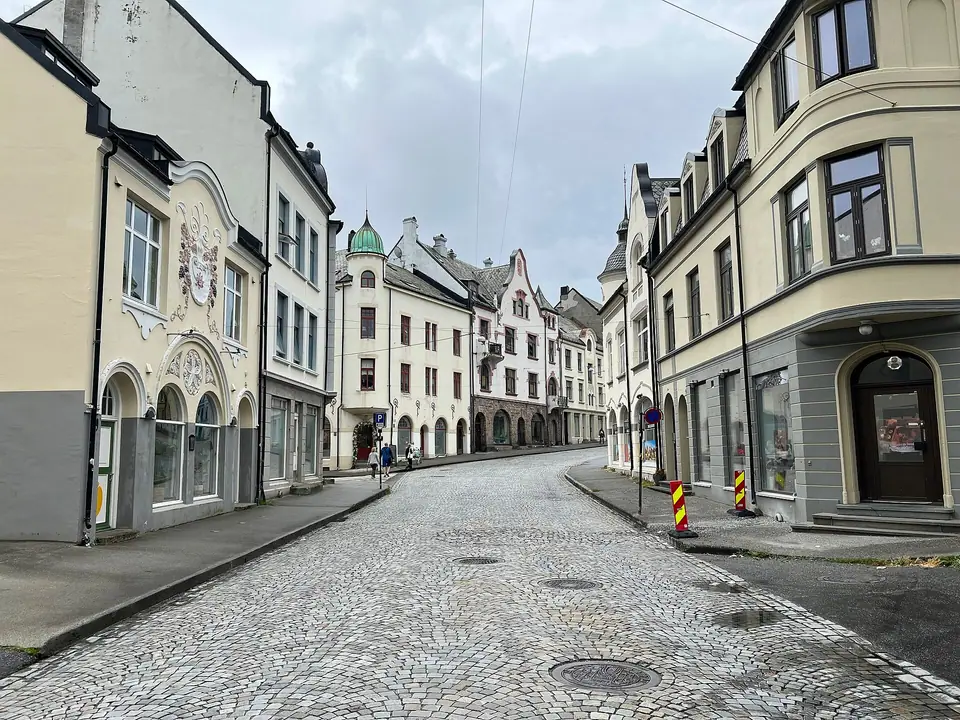
Traveller tips
Real advice from people who have been to Best Areas to Stay: Brosundet, Aspøya, Kongens gate & Skansekaia. Every tip is read by our team before it goes live.
No tips yet. Been here? Yours could be the first.
Thank you! Your tip will appear here after a quick review.
More in Ålesund
Continue exploring Ålesund with related neighbourhood, food, and planning guides