Island Layout and 1904 Reconstruction
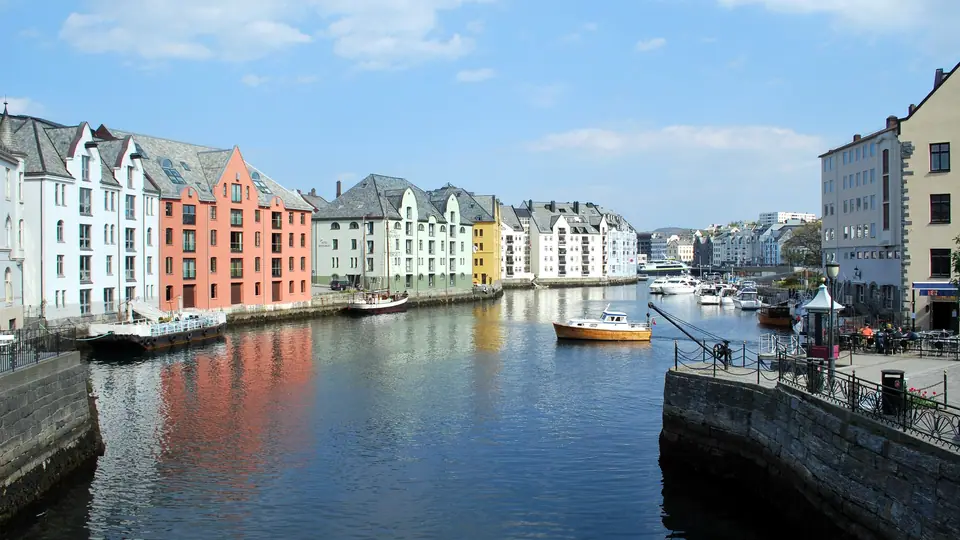
Understand how Ålesund spans Hessa, Aspøya, and Nørvøya around the Brosundet canal, rebuilt in stone Jugendstil between 1904 and 1907.
Ålesund sits at the outer edge of the Sunnmøre fjord system in Møre og Romsdal county, where a narrow chain of coastal islands guards the entrance to Storfjorden against the open Norwegian Sea. The historic town centre is built across three connected islands: Hessa (4 square kilometres) in the west, Aspøya in the middle, and Nørvøya (5 square kilometres) to the east, with newer residential and commercial districts extending onto Uksenøya (Oksnøya) and across the municipal line into neighbouring Sula Municipality. Across its 28.93-square-kilometre urban footprint, the town counted 55,684 residents in 2024, while the wider municipality recorded 59,663 inhabitants on 1 January 2026. Historically part of the medieval trading centre of Kaupangen Borgund, the harbour received limited trading port (ladested) privileges in 1793, full ladested rights in 1824, municipal self-government on 1 January 1838, and full market town (kjøpstad) status in 1848. The Old Norse name Álasund combines the plural genitive of áll, meaning eel or narrow deep channel, with sund, meaning sound or strait, referring to the sheltered waterways that made the islands a natural haven for coastal fishing fleets.
The Night of 23 January 1904 and the Jugendstil Reconstruction
What defines Ålesund's streetscape today is a single winter night. In the early hours of Saturday 23 January 1904, a fire broke out on Aspøya inside the wooden factory of Aalesund Preserving Co. at today's Nedre Strandgate 39. Driven by hurricane-force southwest gales that shifted west and northwest, burning embers leaped 500 metres across the open water of Brosundet to ignite Rønneberg & Sønners warehouse on Notenesgata on Nørvøya within half an hour and burned for 16 hours as far east as Borgundvegen 37. Roughly 850 wooden houses burned to the ground, leaving only about 230 buildings standing inside the town boundary and more than 10,000 inhabitants without shelter in the middle of winter, while claiming only one life, 76-year-old Ane Heen.
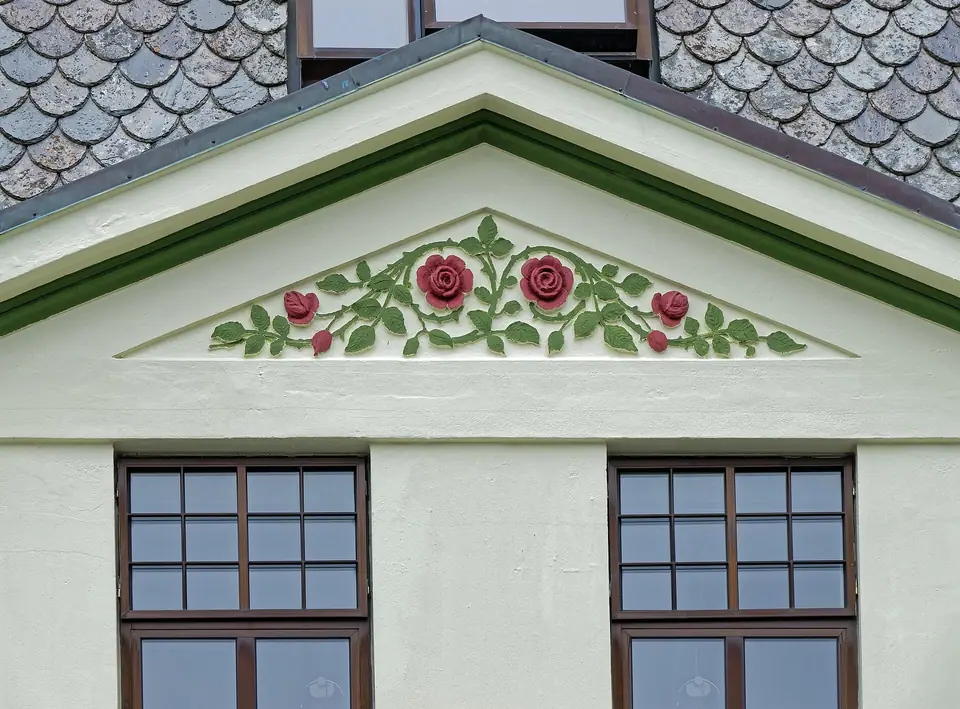
International relief arrived rapidly, led by Kaiser Wilhelm II of Germany, who frequently holidayed in the fjords of Sunnmøre and immediately dispatched four ships carrying food, medicine, bedding, and barracks materials before visiting the town in July 1904. Following strict new masonry building laws, approximately 30 young Norwegian architects and 20 master builders, most educated in Trondheim and Charlottenburg in Berlin, rebuilt over 300 buildings across the entire core in brick, stone, and mortar between 1904 and 1907 in the Jugendstil (Art Nouveau) style. Since 1999, Ålesund has been a partner in the European Réseau Art Nouveau Network, and travellers walking the centre encounter carved stone reliefs, corner turrets, wrought-iron balconies, and medieval-inspired gables on nearly every block.
Orienting Yourself Across Aspøya, Nørvøya, and Hessa
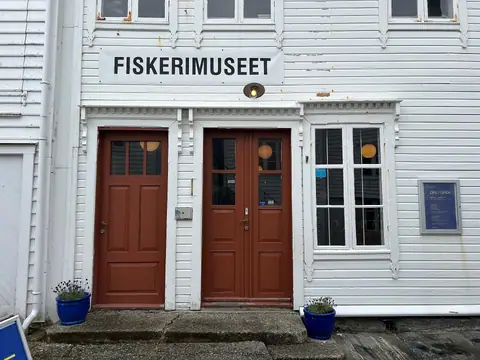
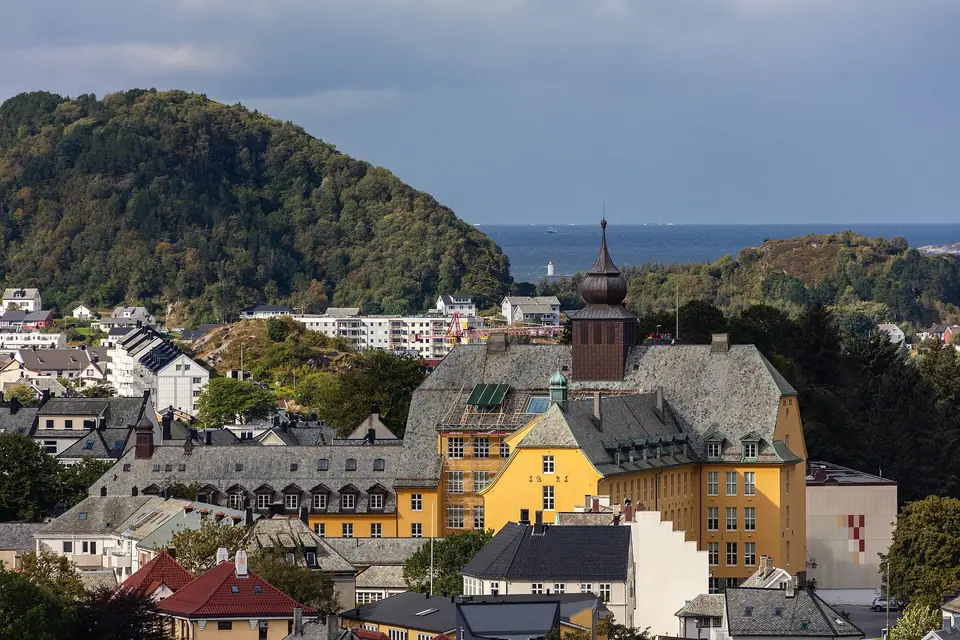
The narrow tidal channel of Brosundet divides the two central islands and serves as your primary compass line on foot. West of Hellebrua bridge lies Aspøya, home to the curving waterfront of Apotekergata, the former Swan Pharmacy (built 1905 to 1907) housing Jugendstilsenteret and KUBE, the solitary pre-fire wooden house Waldehuset at Fjellgata 2, the 1909 Nordmøre-marble Ålesund Church on Kirkegata, the 1861 Holmbua warehouse housing the Fisheries Museum on Molovegen, and the 1889 Molja breakwater lighthouse. East of Brosundet lies Nørvøya, which holds the pedestrian shopping street Kongens gate, Keiser Wilhelms gate, the Skansekaia coastal steamer pier, Byparken, and the 135-metre hill of Mount Aksla crowned by Fjellstua. Steinvågsbrua (opened on 30 August 1953) links western Aspøya across Steinvågsundet to Hessa, where the 314-metre peak of Sukkertoppen rises above Tueneset and the Atlantic Sea-Park.
Because Hellebrua bridge sits right at the midpoint of the harbour channel, crossing between the museums and converted sea warehouses of Aspøya and the cafés, shops, and bus terminal of western Nørvøya takes only a couple of minutes on foot. Even the walk from Molja Lighthouse at the northern breakwater tip to the foot of the Byparken staircase on Nørvøya covers gentle, level pavements beside the water, making central Ålesund remarkably straightforward to navigate without a vehicle.
From Medieval Borgundkaupangen to Wartime Little London
Four kilometres east of the modern centre at Borgundgavlen on Nørvøya, archaeological excavations in the 1950s and 1960s led by Asbjørn Herteig uncovered Borgundkaupangen, the largest medieval market town between Bergen and Trondheim, mentioned in King Haakon VI's 1384 decree and preserved today alongside the 55 relocated rural buildings of Sunnmøre Museum and whitewashed Borgund Church. Centuries later, during the Second World War occupation of Norway, Ålesund became a crucial base for clandestine resistance traffic across the North Sea to Scotland and England, earning the town the enduring nickname Little London. Today the municipality serves as the headquarters of the Norwegian Coastal Administration, Norway's largest fishing port by catch landings, and the foremost export centre for klippfisk, alongside a campus of the Norwegian University of Science and Technology (NTNU) with roughly 1,800 students and the local daily newspaper Sunnmørsposten, founded in 1882.
Connecting the Outer Atlantic Islands and Inner Fjords
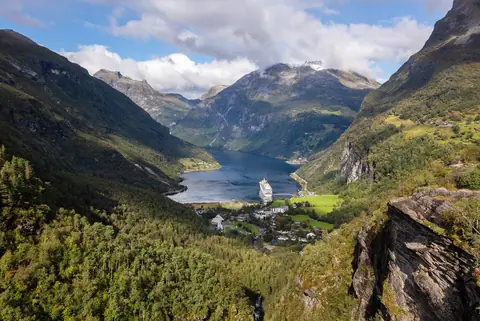
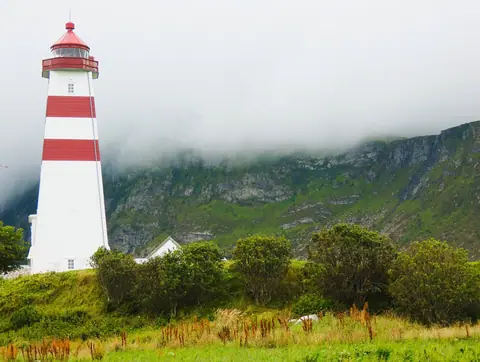
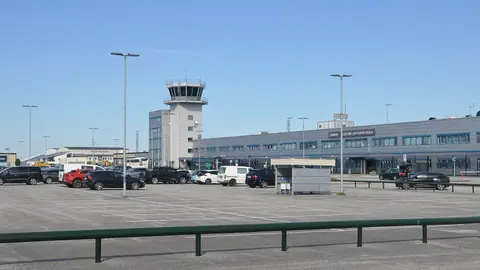
Ålesund functions as Møre og Romsdal's largest public transport hub, handling roughly two million bus and boat boardings a year across 18 local bus routes and 9 express bus routes. Ålesund Airport, Vigra connects directly to Nørvøya without ferries through the undersea Ellingsøy and Valderøy tunnels of the Vigra Fixed Link, which also branch across the 552-metre Giske Bridge to Giske and through the Godøy Tunnel to Alnes Lighthouse. Hurtigruten and Havila Kystruten vessels berth daily at Skansekaia, making summer detours into Geirangerfjorden and autumn sailings into Hjørundfjorden.
How to Structure Your Time Across Town and Fjord
To balance architecture, coastal nature, and alpine waterways, dedicate your initial day to the Jugendstil streets of Aspøya and Nørvøya, the museums along Brosundet, and the 418-step ascent of Mount Aksla. Spend a second day combining Atlanterhavsparken on Hessa and Sunnmøre Museum at Borgundgavlen with an afternoon drive through the subsea tunnels to Giske Church and Alnes Lighthouse on Godøya, then reserve a third full day for a fjord cruise into Hjørundfjorden or Geirangerfjorden. Consult our things to do guide, neighbourhood accommodation guide, three-day itinerary, and seasonal weather guide to plan every stage of your visit, whether you arrive by coastal steamer, regional bus, or direct flight across the Norwegian Sea, and allow time in the evenings to watch fishing boats return through Brosundet.
Traveller tips
Real advice from people who have been to Island Layout and 1904 Reconstruction. Every tip is read by our team before it goes live.
No tips yet. Been here? Yours could be the first.
Thank you! Your tip will appear here after a quick review.
More in Ålesund
Continue exploring Ålesund with related neighbourhood, food, and planning guides