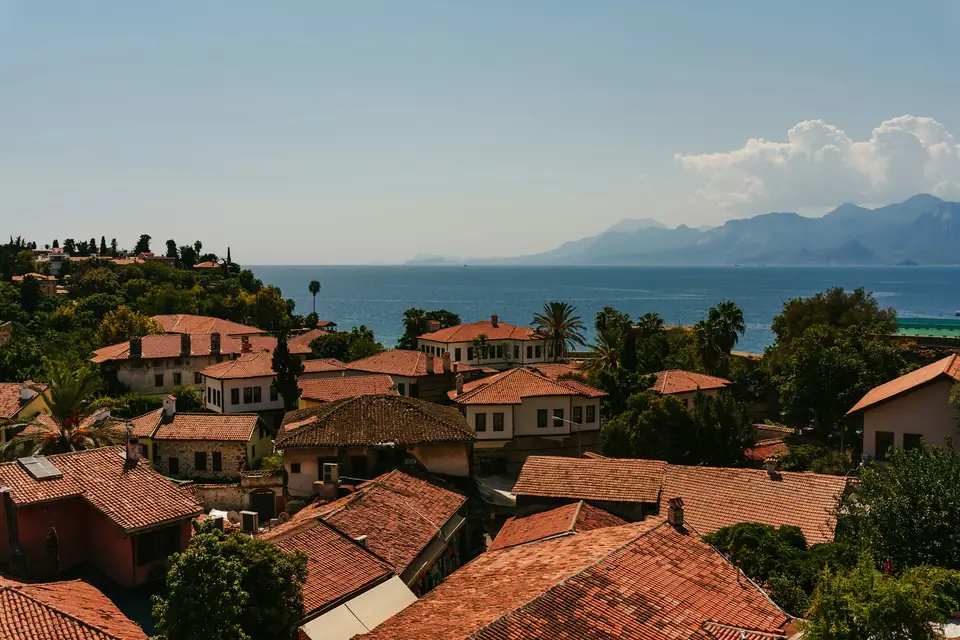
Photo by Igor Sporynin on Unsplash
What to Wear in Antalya
Pack lightweight breathable fabrics for the coast, sturdy footwear for uneven ruins and layers for highland excursions.
Antalya requires a flexible wardrobe that transitions smoothly between Mediterranean shorelines, historic urban alleys and rugged ancient ruins situated on steep mountain terrain.
Choosing appropriate clothing depends heavily on your daily itinerary. A morning spent exploring archaeological sites requires different preparation than an afternoon at coastal beach clubs.
Travellers preparing their route can consult our comprehensive overview in the Antalya Travel Guide to understand regional landscapes before choosing daily outfits.
Weather conditions vary considerably between coastal sea level and mountain summits. Packing versatile layers prevents unexpected discomfort when travelling across diverse microclimates.
Dressing for Coastal Resorts and Swimming Areas
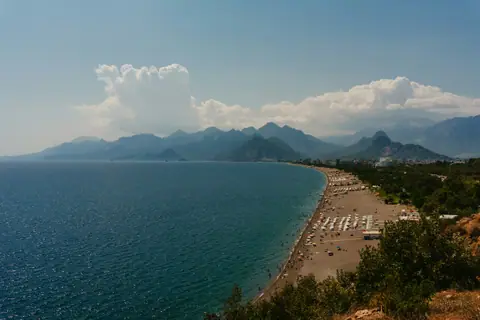
Antalya maintains an exceptionally long swimming season that continues from March to December due to favourable local climate and mild sea water temperatures.
Beachwear is standard directly along the coast, but visitors should cover up when stepping away from the sun loungers into town.
Different coastal stretches demand specific footwear choices:
- Konyaaltı Beach features a distinct pebble structure and holds a Blue Flag, making protective water shoes highly beneficial underfoot.
- Lara Beach, also known as Altınkum, offers fine sands and wide spaces where standard sandals or flip-flops remain perfectly practical.
- Patara Beach spans 800 metres in width and reaches a length of 15 kilometres, demanding broad hats against exposed coastal winds.
- Kaputaş Beach requires descending stairs from the main road through a V-shaped gorge flanked by tall cliffs.
- Limanağzı Beach houses four beach clubs reachable by an inexpensive boat service operating directly from the Old Harbour.
When packing swimwear, remember that quick-drying synthetic fabrics prevent discomfort during transfers between water activities and local seaside dining establishments.
For more detailed coastal profiles, consult our dedicated Antalya Beaches Guide before packing your swimming gear.
Sun hats with broad brims and sunglasses provide crucial protection across all these open coastal areas throughout the extended warm months.
Bring light cover-up garments such as cotton tunics or linen shirts to wear over swimming costumes whenever boarding shuttle vessels or marina ferries.
Coastal breezes can cool the air after sunset, so keeping an extra light cotton layer nearby remains sensible for outdoor evening dining.
Salt water and fine sand can wear down delicate fabrics quickly.
Footwear and Clothing for Exploring Kaleiçi and Historic Sites
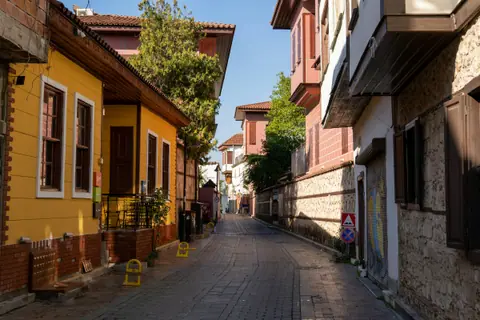
The historic core of Kaleiçi represents Antalya's old city centre and remains surrounded by stone defensive walls from both inside and outside.
These historic fortifications were erected by diverse civilizations over a continuous period of more than two thousand years.
Navigating these ancient districts on foot presents distinct practical challenges for travellers who select footwear based purely on warm-weather fashion:
- Pavements contain uneven cobblestones, requiring supportive flat walking shoes or secured sandals with durable rubber outsoles rather than loose flip-flops.
- Traditional two- or three-storey historic houses feature facades directly overlooking narrow street passages, where shaded pedestrian routes still demand good grip.
- Significant landmarks include Hadrian's Gate, which was built around 2000 years ago to honour the visit of Roman Emperor Hadrian.
- Other major architectural works encompass the Yivli Minaret, Hıdırlık Tower and the prominent municipal Clock Tower.
Modest dress standards apply when entering working religious monuments such as historic mosques located within the old town boundaries.
Both men and women should cover their shoulders and knees, while women must carry a lightweight scarf to cover their hair inside.
Carry a soft linen shawl inside your day bag so you can adjust your coverage quickly without returning to your hotel room.
Cobbled inclines lead downward towards the modern marina, where visitors can board daily boat trips running directly along the towering coastal cliffs.
Breathable, light-coloured linen trousers or knee-length shorts paired with breathable cotton tops keep you comfortable during intense midday city walks.
Steep alleys near the harbour accumulate slick dust, so smooth leather soles are impractical when descending toward the waterfront piers.
Sunglasses and ultraviolet-filtering spectacles protect your vision against harsh white glare reflecting off ancient limestone masonry and restored stone facades.
Durable Gear for Mountain Ruins and Forest Waterfalls
Inland excursions require far sturdier gear than coastal promenades due to rugged limestone geology and elevation changes across regional national parks.
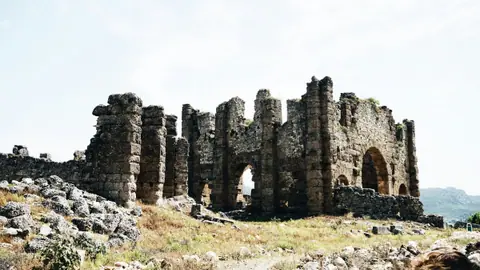
Termessos sits inside a protected National Park and ranks among the best-preserved ancient cities in the southern Mediterranean region.
Accessing the ruins on Güllük Mountain requires travelling via a special road starting from the 24th kilometre of the Antalya-Korkuteli highway.
Traversing this mountainous terrain requires rigid trainers or dedicated hiking boots with reinforced toe protection to navigate jagged rocks safely.
Loose scree and uncleared stone paths mean open sandals or canvas plimsolls create significant slipping hazards along remote archaeological routes.
Ancient Olympos, founded in the third century BC, provides a peaceful alternative away from crowded shorelines and massive all-inclusive hotel complexes.
Travellers staying in a wooden treehouse or tent near Olympos frequently spend at least one night near the ancient Chimera fire.
Evening temperatures drop near the mountains, so carrying a long-sleeved layer or lightweight fleece ensures warmth during after-dark excursions.
Waterfalls across the province also introduce cool spray and damp footpaths where water-resistant clothing and non-slip soles prove invaluable:
- Düden Waterfalls are situated approximately 10 km from Antalya city centre, featuring shaded damp paths.
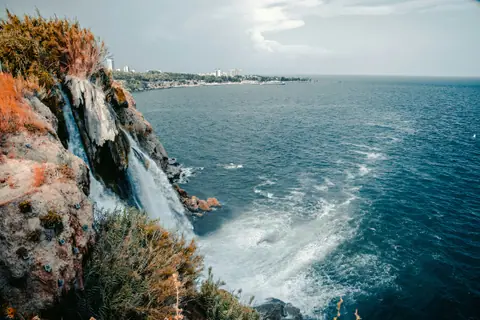
- Aşağı Düden Waterfall drops directly into the Mediterranean Sea over a cliff edge with an average height of 40 metres.
- Kurşunlu Waterfall sits inside a two-kilometre-long canyon in Aksu district, falling 18 metres within a moist natural park environment.
- Manavgat Waterfall lies 3 km north of Manavgat district on the river, cascading down from a cliff of about four metres.
Packing a lightweight moisture-wicking windbreaker prevents you from feeling chilled when lingering near deep river canyons and turbulent waterfall spray.
Dense forest canopy around these river gorges limits direct sunlight, causing ambient temperatures to feel several degrees cooler than exposed beaches.
Trekking socks with padded heels protect against friction blisters when climbing ancient stone stairs strewn with wild scrub and pine needles.
Seasonal Transitions and Practical Health Preparation
Summer brings extreme dry heat that demands loose natural textiles, while winter months introduce coastal rainstorms requiring reliable waterproof outer layers.
Spring and late autumn represent transition periods where day temperatures invite light shirts, yet evening maritime breezes warrant medium-weight jackets.
Beyond wardrobe selections, British travellers must pack essential medical items and remain aware of specific local health and administrative regulations:
- The European Health Insurance Card and Global Health Insurance card are not valid anywhere within Turkey.
- British prescriptions are not accepted in pharmacies across Turkey, meaning personal medication must be packed in sufficient quantities in advance.
- Your travel insurance could be invalidated if you travel against official advice published by the Foreign, Commonwealth & Development Office.
- In any critical medical emergency, dial 112 and request an ambulance immediately from local emergency response dispatchers.
- Altitude sickness is a risk when journeying through elevated inland regions or climbing higher mountain ranges across Turkey.
- If advised to take shelter during sudden security incidents, stay indoors or locate the nearest safe building or designated public shelter.
A compact daypack containing daily medications, mineral sunscreen, hydration supplies and blister plasters keeps you well equipped across varied day excursions.
Ensure your daypack includes secure zipped compartments to protect valuables when riding public transport or walking through busy market lanes.
By balancing breathable fabrics, sensible walking shoes and emergency essentials, you stay safe and comfortable across every part of Antalya province.
Where it is
- 1Antalya
- Antalya International Airport (AYT) · about 8 km from Antalya in a straight line
- Directions in Google Maps
Stations and taxi ranks: OpenStreetMap. Airports: OurAirports. Distances are in a straight line.
Traveller tips
Real advice from people who have been to Antalya. Every tip is read by our team before it goes live.
No tips yet. Been here? Yours could be the first.
Thank you! Your tip will appear here after a quick review.
More in Antalya
Continue exploring Antalya with related neighbourhood, food, and planning guides