Antalya
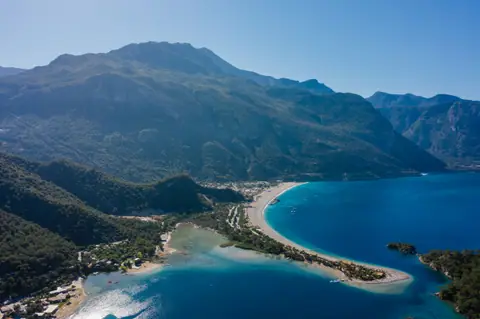
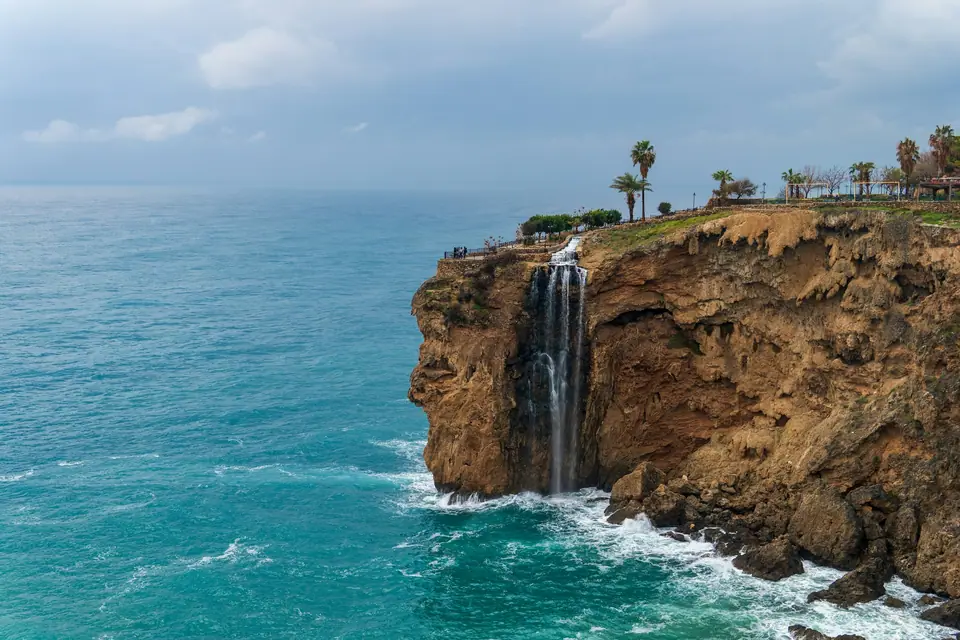
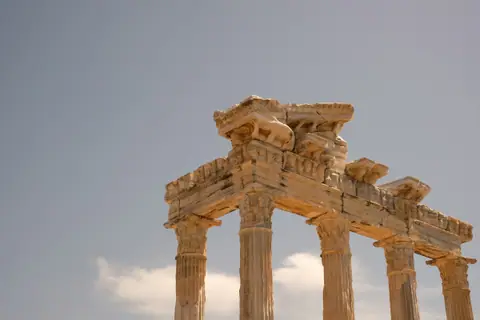
Roman walls meet turquoise Mediterranean waters in Antalya, where ancient ruins border sandy shores and mountain-fed waterfalls.
Quick decisions
How many days?
Three to four days. This gives enough time to explore Kaleiçi and nearby ruins, as outlined in our Antalya 3-day itinerary.
Where should I stay?
Kaleiçi or Lara. Choose Kaleiçi for historic architecture or Lara for coastal resorts, detailed in our guide on where to stay in Antalya.
Do I need a car?
Optional. Trams and buses serve the urban core, but hiring a car helps when reaching distant ruins or planning day trips from Antalya.
Best for
History lovers and beachgoers. Roman monuments, coastal cliffs, and sandy bays sit side by side along the Mediterranean shore.
Before you go
Pack suitable footwear. You will navigate steep cobblestones and pebbled shores, so consult our what to wear in Antalya guide.
Getting around
Trams and buses. The AntRay network and municipal buses connect the airport, bus terminal, and city centre efficiently via the Antalyakart system.
Continue your trip
Explore Pamphylia and Lycia. Follow the coastal highway east towards Side or journey west to Kaş and Demre along the scenic Turquoise Coast.
Overview
Antalya sits on the southwest coast of Turkey, bordered by the Mediterranean Sea to the south and the Taurus Mountains to the north. Known widely as the Turkish Riviera, the province features a coastline measuring 640 kilometres including bays and headlands. Travellers often begin their journey with our comprehensive Antalya travel guide before exploring the region.
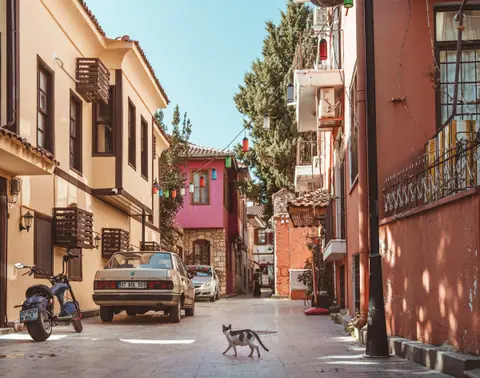
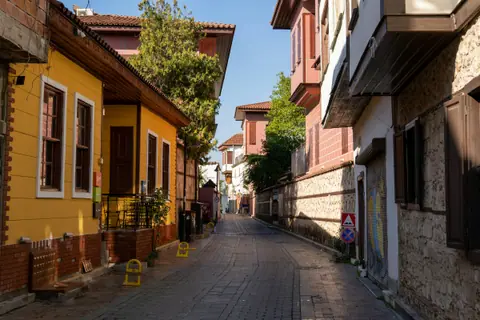
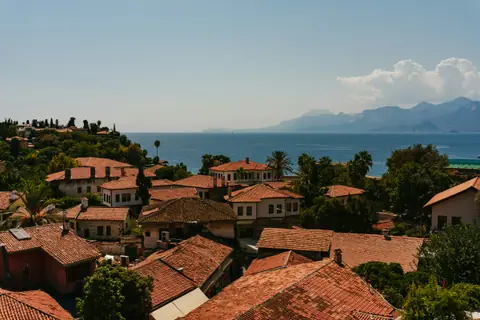
The historic heart of the city centres on Kaleiçi, an ancient quarter enclosed by walls representing Hellenistic, Roman, Byzantine, Seljuk, and Ottoman periods. Inside, roughly 3,000 tile-roofed houses line narrow cobblestone lanes that lead down to an ancient Roman harbour. Visitors enter this historic quarter through Hadrian's Gate, an imposing marble portal constructed in 130 CE.
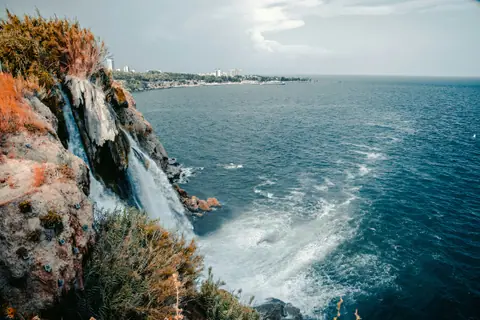
Beyond the old town, the city features major geological and cultural attractions. The Lower Düden Waterfall drops directly into the sea from a 40-metre travertine cliff east of the centre. West of the harbour, the Antalya Museum houses world-renowned Roman sculptures.
Getting there
Antalya Airport sits 13 kilometres northeast of the city centre along the D400 highway. Motorists reach the central district in approximately 20 minutes by car. The airport comprises two international terminals and one domestic terminal. A free shuttle runs every 20 minutes between the domestic building and Terminal 2. Consult our guide on how to get to Antalya for regional route details.
Public transport provides straightforward airport transfers into central neighbourhoods. The AntRay tram line runs from the airport through Meydan to Fatih, stopping directly at the central bus station. Municipal buses also link passenger terminals to central avenues, with timetables accessible via the official Antalyakart app. Taxis wait outside arrival exits, where fixed-fare signboards provide clear price transparency.
Long-distance coaches arrive at the Antalya Intercity Bus Terminal, situated four kilometres north of the city centre. This terminal functions as a key transit point for the entire Mediterranean coast. From the station concourse, passengers can board the AntRay light rail line. The service provides a fast and affordable connection into central districts and coastal tram links.
Where to stay
Choosing where to base yourself depends heavily on whether you prefer historic walking streets or resort amenities. Kaleiçi offers boutique hotels housed in restored Ottoman mansions, placing you steps away from ancient walls, restaurants, and the Roman marina. Our detailed breakdown on where to stay in Antalya outlines neighbourhood characteristics across the metropolitan area.
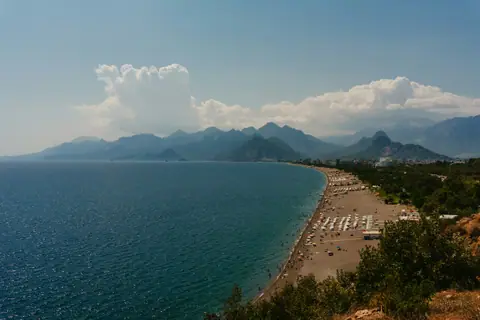
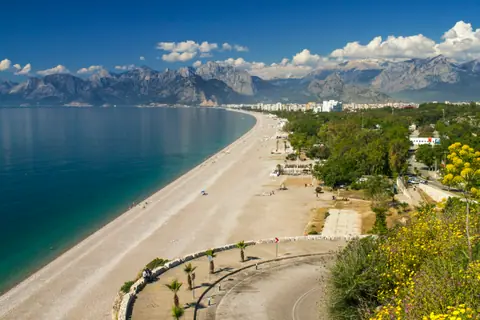
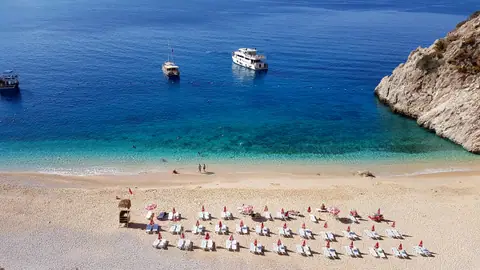
Beachgoers often gravitate towards the coastal districts flanking the old centre. Lara lies roughly 12 kilometres east of downtown, presenting a sandy shoreline and large resort hotels close to the Lower Düden Waterfall. On the western side, Konyaaltı features a Blue Flag beach that stretches towards the Beydağları Mountains, lined with modern apartments and family-friendly hotels.
For those planning extensive coastal excursions, rural settlements offer peaceful alternatives. Towns such as Çıralı and Olympos feature wooden cabins and treehouses set back from protected nesting beaches. Staying in these outer districts allows quick access to Mount Tahtalı and seaside ruins. However, relying on intercity buses requires extra planning compared to central urban hotels.
Things to do
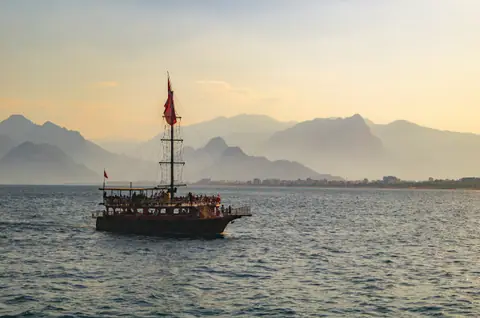
Begin your sightseeing in the historic core with our dedicated Kaleiçi guide. Enter through Hadrian's Gate and wander past traditional houses towards Hıdırlık Tower, a 14-metre-high second-century structure standing in Karaalioğlu Park. From the ancient Roman harbour below, excursion boats run coastal trips eastward to view the Lower Düden Waterfall plunging into the sea.
Archeology enthusiasts should visit the Antalya Museum on Konyaaltı Caddesi. Awarded Museum of the Year by the Council of Europe in 1988, its galleries display finds from the Palaeolithic Age to Rome. Highlights include the restored Weary Heracles statue and the Heracles Sarcophagus. A broader list of cultural landmarks appears in our curated collection of best things to do in Antalya.
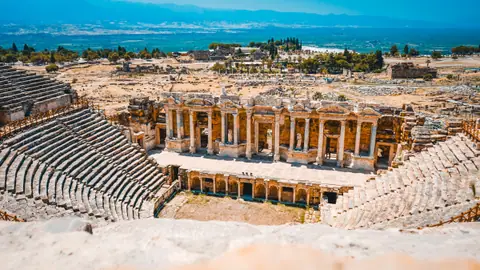
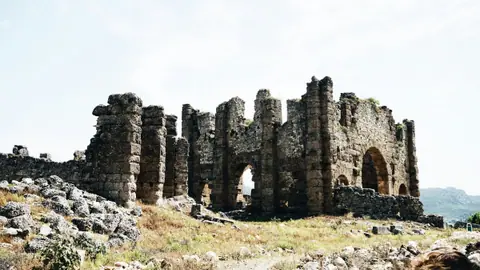
Excursions outside the centre lead to major Pamphylian cities. Perge lies 18 kilometres east, home to third-century BC entrance towers and an ancient stadium built for 12,000 spectators. Near Serik, Aspendos preserves a second-century Roman theatre constructed by the architect Zenon for 15,000 spectators. Meanwhile, mountain-bound Termessos sits 30 kilometres northwest on Güllük Mountain.
Food and drink
Antalya’s culinary tradition pairs fresh Mediterranean seafood with distinctive regional recipes. A signature local combination is grilled meatballs served with Antalya-style piyaz. Unlike standard bean salads, this dish features boiled beans dressed in a rich sesame tahini sauce. Diners can request this specialty without boiled eggs to keep the dish entirely vegetarian.
Seafood restaurants around the Roman marina and coastal promenades offer local catches, including Lagos fish baked in a hard salt crust. Citrus fruits feature prominently across local menus, benefiting from fertile regional groves such as those in Finike. For dessert, traditional sweetshops serve burnt ice cream, a goat-milk specialty known for its intentional smoky flavour.
Dining options cater to diverse settings across the city. Kaleiçi contains leafy courtyards serving meze and grilled meats inside centuries-old garden walls. Meanwhile, rustic seaside restaurants in nearby coastal villages like Çıralı provide fresh vegetable dishes, stuffed pastries, and seasonal fish just metres from the Mediterranean tide.
Culture
Antalya's strategic maritime location has absorbed influences from dozens of Mediterranean civilisations across thousands of years. The regional calendar maintains active cultural ties with antiquity through events like the annual Aspendos Opera and Ballet Festival, staged inside the ancient Roman theatre. Respecting these fragile heritage spaces is paramount, and removing ancient stones or antiquities carries strict legal penalties.
When visiting the coastline, observe environmental and safety regulations. Several beaches, including Patara and Olympos, serve as protected nesting habitats for loggerhead sea turtles. Visitors must respect restricted access zones and specific visiting hours designed to safeguard hatchlings. Our dedicated Antalya beaches guide provides full details on coastal facilities and conservation practices.
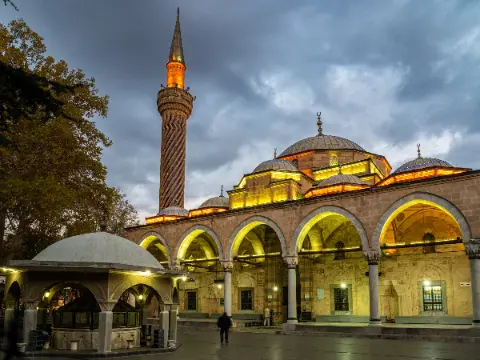
Daily customs in Antalya mirror general Turkish social etiquette. Dress codes remain relaxed along public promenades. However, modest attire covering shoulders and knees is appropriate when visiting residential districts or historic mosques. Turkish law requires everyone to carry valid photographic identification at all times, so keep your passport securely on your person.
Weather by month
Antalya is warmest in July, with average highs around 36°C, and coldest in January, when nights drop to about 6°C. January is the wettest month by rainfall (226 mm), with rain on about 11 days. For mild weather with fewer rainy days, aim for April.
| Month | Low | Range | High | Rain | Rainy days |
|---|---|---|---|---|---|
| Jan | 6°C | 14°C | 226 mm | 11 d | |
| Feb | 7°C | 16°C | 117 mm | 9 d | |
| Mar | 8°C | 18°C | 108 mm | 9 d | |
| Apr | 11°C | 22°C | 45 mm | 6 d | |
| May | 15°C | 27°C | 63 mm | 8 d | |
| Jun | 20°C | 31°C | 25 mm | 5 d | |
| Jul | 24°C | 36°C | 8 mm | 2 d | |
| Aug | 24°C | 35°C | 8 mm | 2 d | |
| Sep | 21°C | 32°C | 26 mm | 3 d | |
| Oct | 16°C | 27°C | 72 mm | 5 d | |
| Nov | 11°C | 21°C | 104 mm | 8 d | |
| Dec | 8°C | 16°C | 191 mm | 12 d |
Averages of daily values from 2015 to 2024. Rainy days are days with at least 1 mm of rain. Source: Open-Meteo · Compare destinations by month.
Antalya on the map
Every place we cover in Antalya. Tap a category or pin to explore.
In-depth Antalya guides
Browse the guides grouped by topic: sights, neighbourhoods, food, transport, day trips and trip planning.
Sights, Landmarks & Parks
Key monuments, viewpoints, museums and nature trails.
Neighbourhoods & Where to Stay
Districts, historic quarters and the best bases for your stay.
- Kaleiçi Guide: A Walk Through Antalya's Old TownA comprehensive walking guide to Kaleiçi, exploring Roman gates, Seljuk monuments, historic architecture, and the ancient yacht marina in Antalya.
- Where to Stay in Antalya: A Neighbourhood GuideChoose between historic Kaleiçi, city beaches at Konyaaltı and Lara, or dedicated resort hubs along the coast.
Getting Around & Arrival
Airport transfers, public transit, passes and driving rules.
Day Trips & Excursions
Easy half-day and full-day trips from the city.
Trip Planning & Itineraries
When to visit, what to pack and day-by-day routes.
- Antalya: What to Know Before You GoEssential entry rules, local transport connections, and landscape details for planning a holiday across the Antalya coastline.
- Best Time to Visit AntalyaVisit between May and October for ideal sea temperatures, cultural events, mountain trips and pleasant sightseeing.
- What to Wear in AntalyaPack lightweight breathable fabrics for the coast, sturdy footwear for uneven ruins and layers for highland excursions.
- Antalya 3-Day ItineraryA structured three-day itinerary connecting Antalya's historic old town, ancient Pamphylian ruins, and scenic coastal waterfalls.
Need your embassy or consulate in Turkey? See embassies and consulates in Turkey.
Reviews
Log in to write a review.
No reviews yet.