


























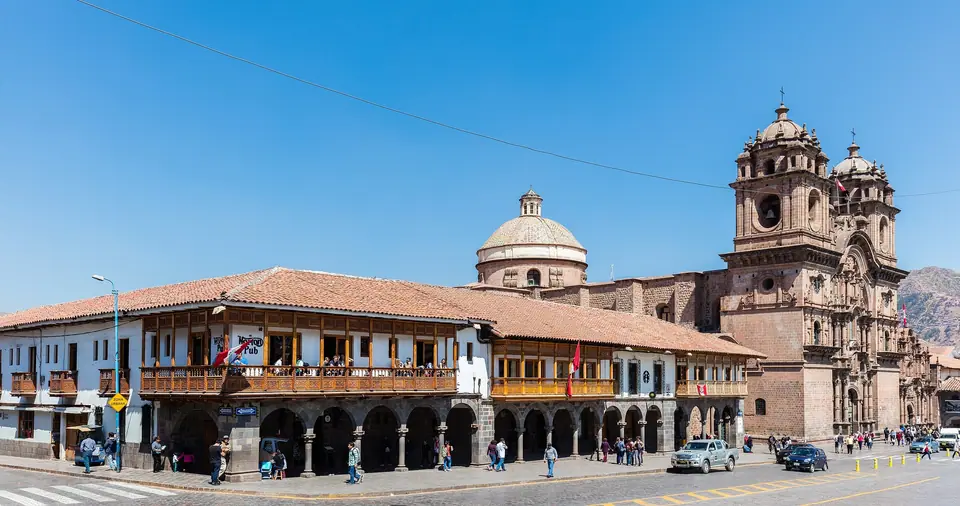
Cusco: Altitude, Inca Foundations and City Layout
Plan your visit to Cusco at 3,400 metres with advice on altitude acclimatisation, the Boleto Turístico pass, and navigating the UNESCO historic centre.
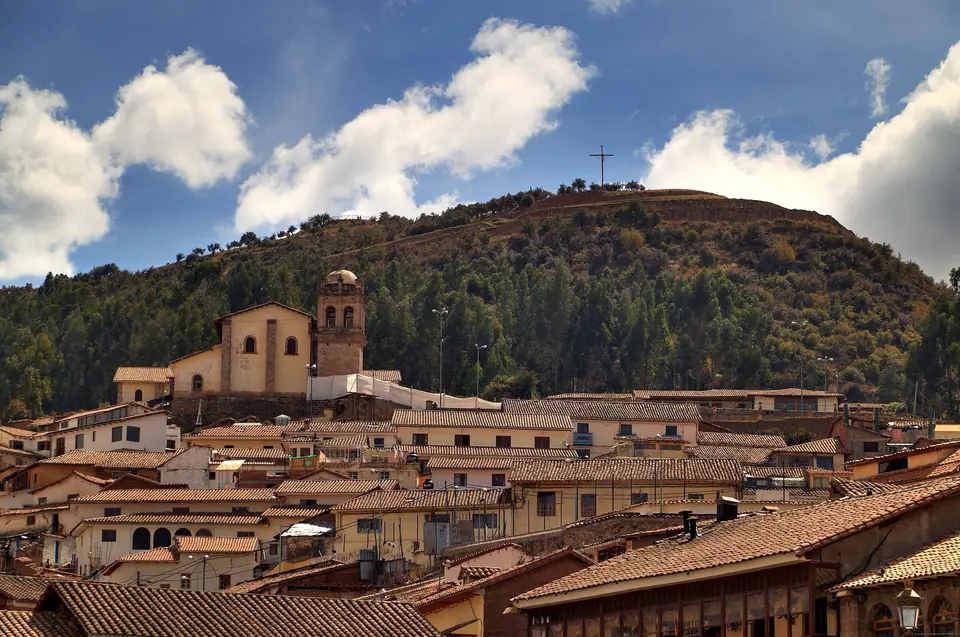
Cusco sits in a fertile high-Andean basin at approximately 3,400 metres (11,200 feet) above sea level, encircled by hills that climb past 3,700 metres. Settled by the Killke culture from the 10th century and founded as the capital of the Kingdom of Cusco in the 12th century, the city was monumentalised in the 15th century under Sapa Inca Pachacuti as the centre of Tawantinsuyu. Following the Spanish refoundation on 23 March 1534, colonial cloisters and tiled mansions were built directly atop Inca palace compounds. Inscribed on the UNESCO World Heritage List in 1983, the city had a census population of 428,450 in 2017 and serves as the cultural heart of the southern Peruvian Andes.
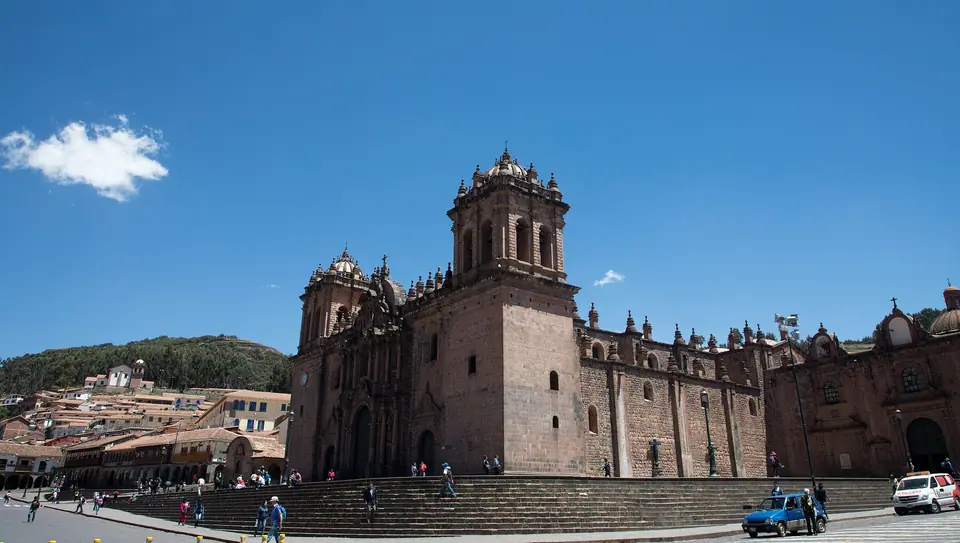
Understanding the Layout of the Historic Centre
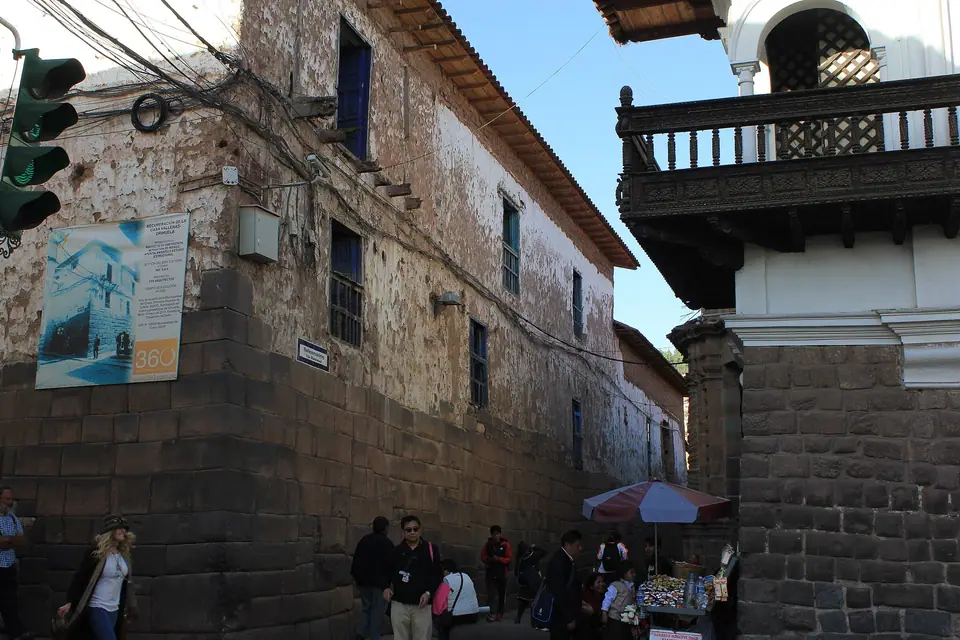
The UNESCO-protected core spreads across the floor of the Huatanay valley and climbs the northern slopes towards Sacsayhuamán. At the centre lies Plaza de Armas, framed by two-storey stone arcades, Cusco Cathedral, and the Jesuit Church of La Compañía. Running southeast from the square, Avenida El Sol forms the modern civic artery leading down to Qorikancha, the former Inca Temple of the Sun. To the northeast, the narrow pedestrian lane of Hatun Rumiyoc rises past polygonal diorite walls into the hillside San Blas neighbourhood. To the southwest, Calle Marqués and Calle Santa Clara run through Plaza Regocijo and Plaza San Francisco to San Pedro Market and San Pedro railway station.
Acclimatising to 3,400 Metres
Arriving by air from sea-level Lima brings an immediate jump to 3,249 metres at the airport and 3,399 metres on Plaza de Armas. Mild symptoms of soroche (altitude sickness), including shortness of breath and a light headache, are common on day one. We advise keeping your first afternoon unhurried, drinking plenty of water or mate de coca (coca-leaf infusion), eating a light evening meal, and avoiding alcohol for the first 24 hours. Another effective strategy is driving straight down from the airport to the Sacred Valley (2,792 to 2,870 metres) for two nights before sleeping in Cusco.
How the Boleto Turístico del Cusco Works
Entry to 16 archaeological parks and museums in Cusco and the Sacred Valley is managed by COSITUC through the Boleto Turístico del Cusco (BTC). The General Ticket (BTCG) covers all 16 sites across three circuits, while partial tickets cover single circuits such as the four northern ruins (Circuit I), city museums and the South Valley (Circuit II), or the Sacred Valley sites of Pisac, Ollantaytambo, Moray, and Chinchero (Circuit III). You can buy the pass at the main COSITUC office on Avenida El Sol 103 or at the first archaeological site you visit; carry cash in Peruvian soles and check the official COSITUC site for current validity rules. Note that Cusco Cathedral, La Compañía, San Blas Church, and Qorikancha are administered separately and are not included on the municipal pass.
Traveller tips
Real advice from people who have been to Cusco: Altitude, Inca Foundations and City Layout. Every tip is read by our team before it goes live.
No tips yet. Been here? Yours could be the first.
Thank you! Your tip will appear here after a quick review.
More in Cusco
Continue exploring Cusco with related neighbourhood, food, and planning guides
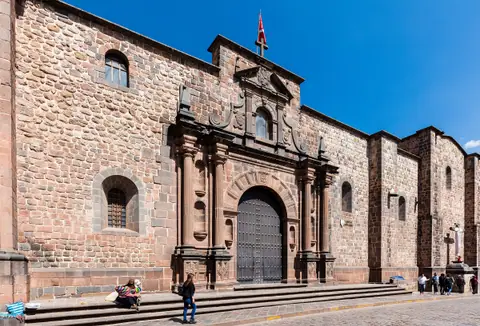
Qorikancha, Convent of Santo Domingo and Hatun Rumiyoc’s Twelve-Angled Stone
Cusco, Peru
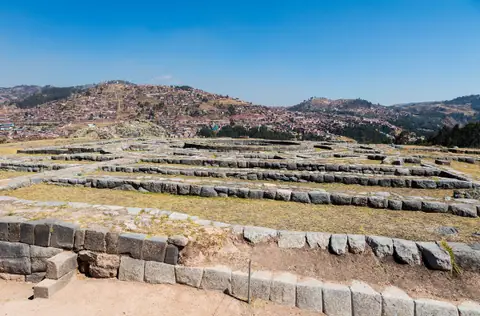
Sacsayhuamán, Q’enqo, Puka Pukara and Tambomachay Ruins
Cusco, Peru
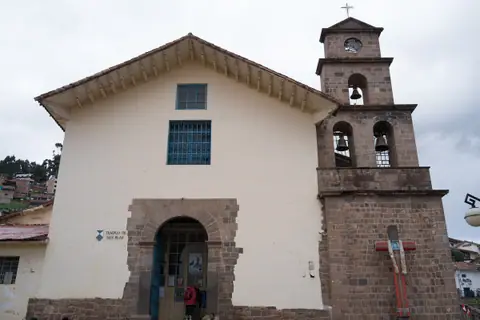
San Blas Artisan Quarter, Hatun Rumiyoc and Cristo Blanco Viewpoint
Cusco, Peru
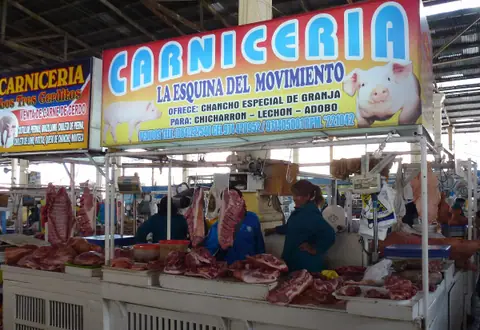
San Pedro Market, Santa Clara Arch and Plaza San Francisco
Cusco, Peru
