


























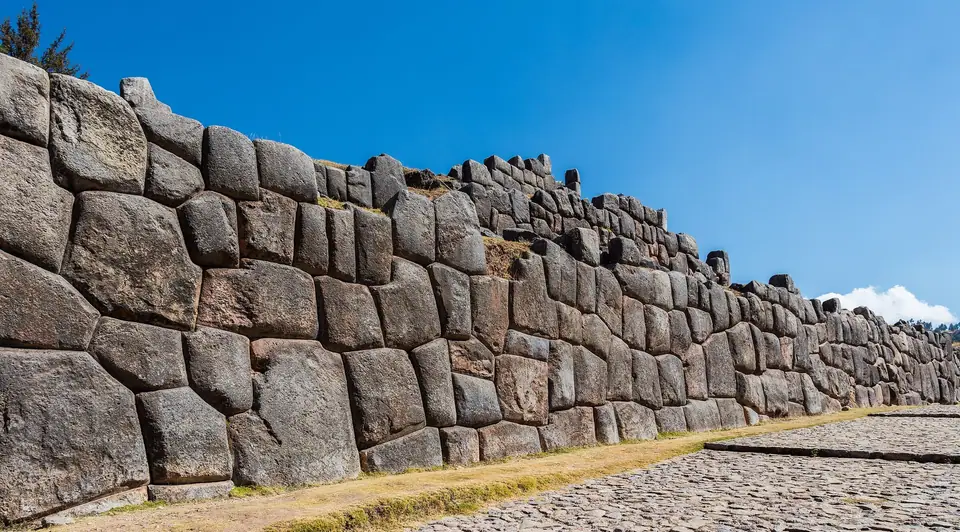
Things to Do in Cusco: Inca Walls, Colonial Plazas and Andean Citadels
Explore the top sights in Cusco, from the curved stonework of Qorikancha and the Twelve-Angled Stone to Sacsayhuamán and San Pedro Market.
Walking through Cusco reveals two distinct architectural civilisations locked into the same streetscape. At eye level, ashlar and polygonal walls built by 15th-century Inca stonemasons line narrow alleys without a trace of mortar; directly above them rise whitewashed adobe walls, carved cedar balconies, and twin-towered Baroque churches built after 1534. Even if you only have two days before boarding a train to Machu Picchu or a full week in the southern highlands, the city rewards slow exploration on foot.
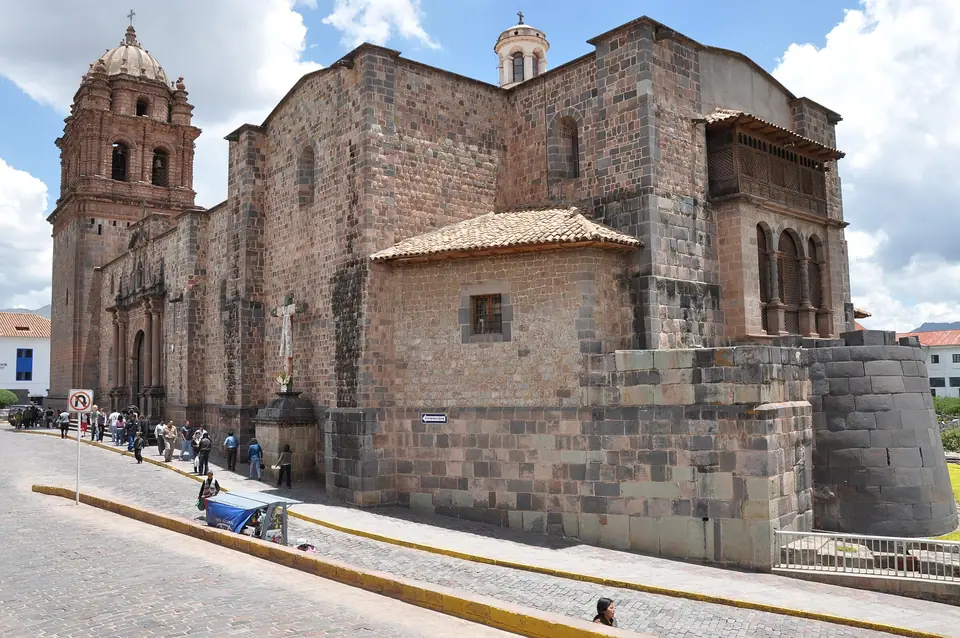
Qorikancha and the Convent of Santo Domingo
Known in Quechua as Quri Kancha (Golden Courtyard), Qorikancha was the principal solar sanctuary of the Inca Empire. Inside the 17th-century Dominican cloister built over the site, surviving chambers dedicated to the Moon, Stars, Rainbow, and Lightning display precision-cut andesite blocks that withstood the major earthquakes of 1650 and 1950.
Hatun Rumiyoc and the Twelve-Angled Stone
One block northeast of the Cathedral, the pedestrian lane of Hatun Rumiyoc follows the exterior wall of the former palace of Inca Roca (now the Archbishop’s Palace). Midway along the wall sits the Twelve-Angled Stone (Piedra de los Doce Ángulos), a green diorite block shaped with twelve corners that lock seamlessly into the surrounding courses.
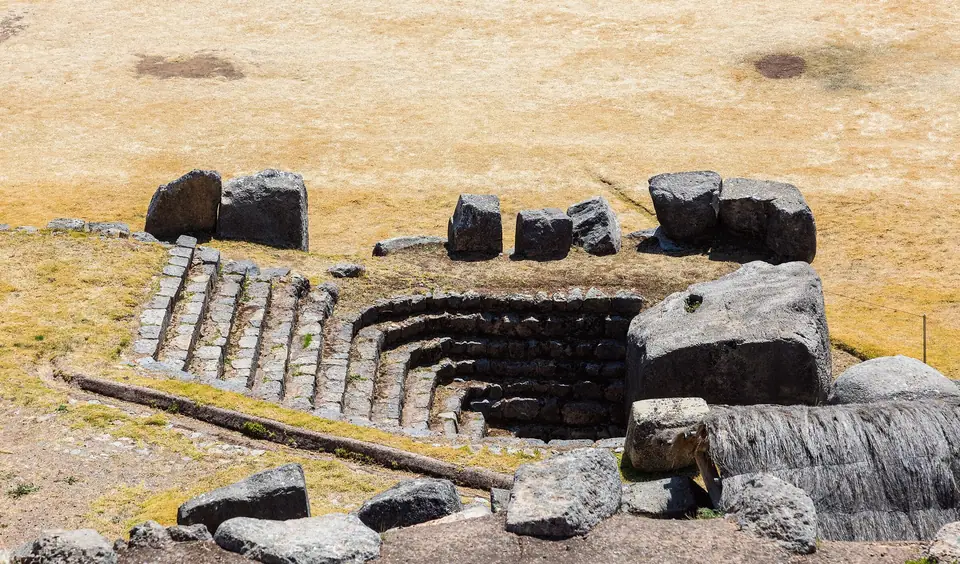
Sacsayhuamán and the Northern Huacas
Rising at 3,701 metres on the plateau north of the city, Sacsayhuamán features three tiered zigzag terrace walls built from limestone boulders weighing up to 125 tonnes. A short walk or taxi ride east links the carved limestone outcrop of Q’enqo, the red stone terraces of Puka Pukara, and the ceremonial water channels of Tambomachay.
Plaza de Armas, Cusco Cathedral and La Compañía
Built over the Inca ceremonial square of Huacaypata, Plaza de Armas is dominated by the 3,920-square-metre Cathedral Basilica of the Virgin of the Assumption and the Jesuit Church of La Compañía de Jesús. Inside the Cathedral, canvases by the indigenous Cusco School (Escuela Cuzqueña), including Marcos Zapata’s 1753 Last Supper featuring roasted guinea pig, hang alongside silver altars.
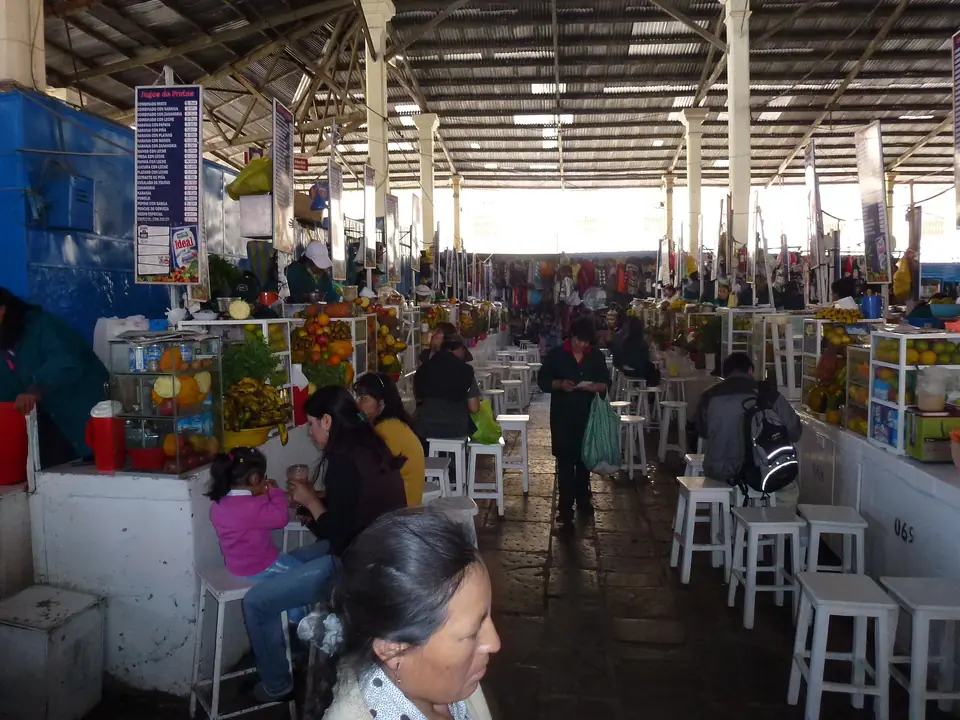
Museums, San Pedro Market and San Blas Workshops
Two blocks up from the main square, Museo Inka occupies the 17th-century Casa del Almirante and traces Andean cultures through carved wooden keros (drinking vessels), textiles, and mummies, while the nearby Museo de Arte Precolombino (MAP) on Plazoleta de las Nazarenas displays 450 curated works from Lima’s Larco Museum. For daily Cusqueño life, walk through the 1835 Santa Clara Arch to San Pedro Market, where stalls stack highland cheeses, purple maize, cacao, and fresh bread, then climb the steps of San Blas to visit family ceramic and woodcarving studios.
Traveller tips
Real advice from people who have been to Things to Do in Cusco: Inca Walls, Colonial Plazas and Andean Citadels. Every tip is read by our team before it goes live.
No tips yet. Been here? Yours could be the first.
Thank you! Your tip will appear here after a quick review.
More in Cusco
Continue exploring Cusco with related neighbourhood, food, and planning guides
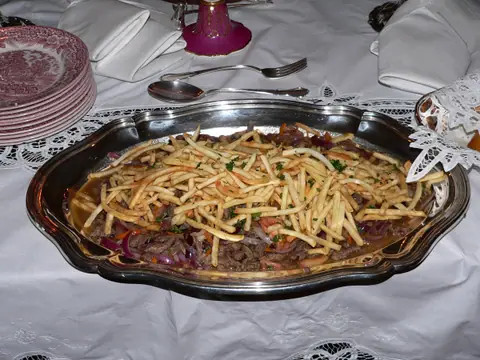
What to Eat in Cusco: Lomo Saltado, Cuy al Horno, Chiri Uchu and San Pedro Market
Cusco, Peru
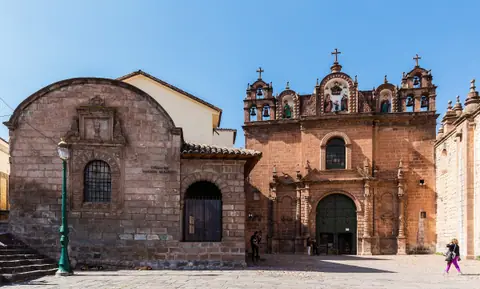
Plaza de Armas, Cusco Cathedral and Iglesia de la Compañía de Jesús
Cusco, Peru
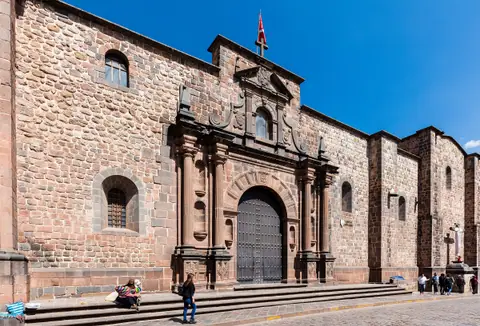
Qorikancha, Convent of Santo Domingo and Hatun Rumiyoc’s Twelve-Angled Stone
Cusco, Peru
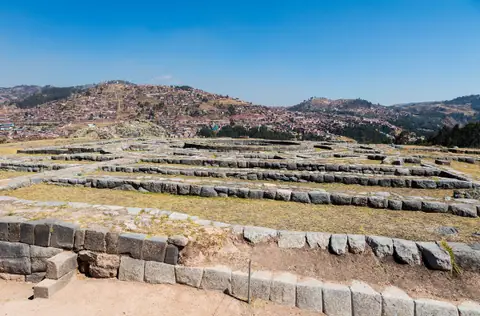
Sacsayhuamán, Q’enqo, Puka Pukara and Tambomachay Ruins
Cusco, Peru
