Sacred Valley Day Trip: Pisac Terraces and Ollantaytambo Fortress
Plan a full day in the Sacred Valley of the Incas (Willka Qhichwa), exploring the cliffside agricultural terraces of Pisac and the fortress of Ollantaytambo.
Carved by the Urubamba (Vilcanota) River north of Cusco, the Sacred Valley of the Incas (Willka Qhichwa) sits between 2,970 metres at Pisac and 2,792 metres at Ollantaytambo, some 400 to 600 metres lower and several degrees warmer than Cusco itself. Cultivated since 800 BCE by the Chanapata, Qotacalla, and Killke cultures and incorporated into the Inca Empire around 1420, the valley served as the personal royal estates and breadbasket of the Sapa Incas. Today, Pisac at the eastern entrance and Ollantaytambo at the western gateway form the two architectural pillars of Circuit III on the Boleto Turístico del Cusco (BTC).
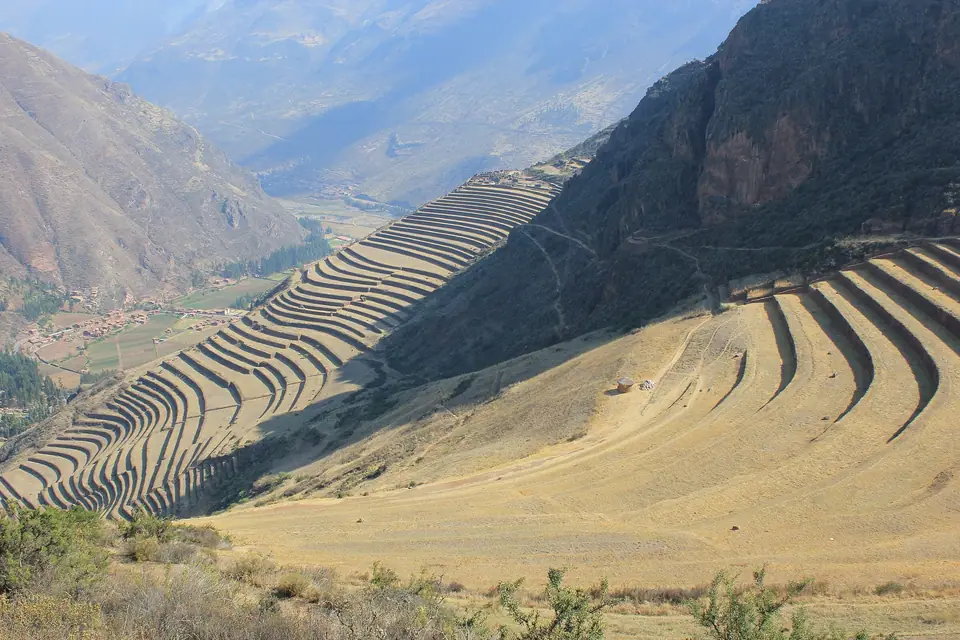
Pisac: Mountain Citadels, Terraces and the Valley Market
Located 32 kilometres northeast of Cusco over the Ccorao pass (with a scenic roadside lookout at Taray overlooking the Urubamba bend), Pisac splits into two parts: the colonial riverside town at 2,972 metres and the vast Inca archaeological complex perched 450 metres higher along the mountain spine.
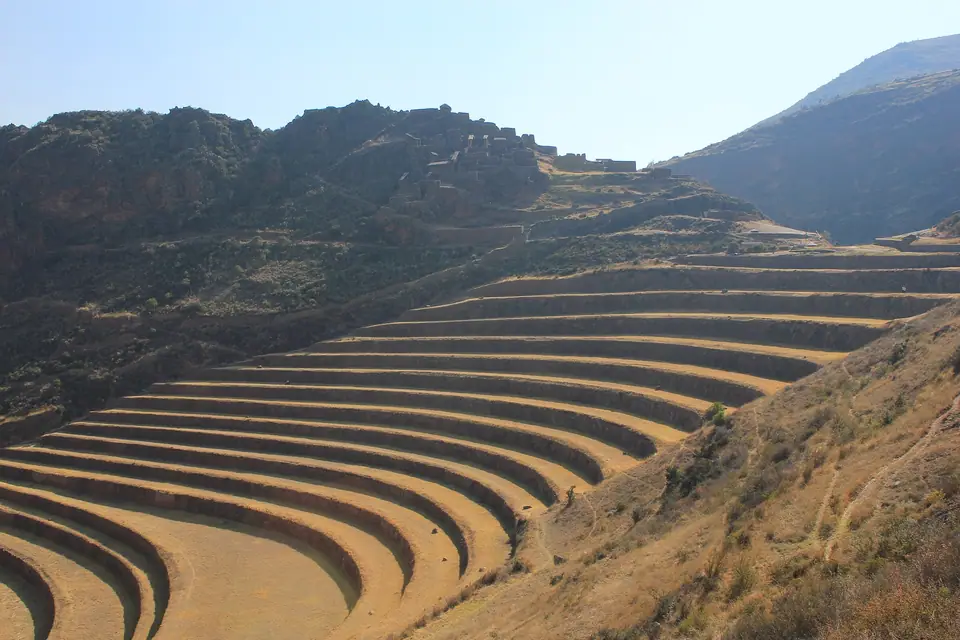
Most visitors drive up to the upper parking area behind the ruins and walk downhill through four main sectors: the curved Q’allaqasa citadel overlooking the Chongo gorge, a cliff face honeycomb-drilled with hundreds of pre-Hispanic rock tombs (Tantanamarka), the finely cut pink granite ceremonial sector surrounding the Intihuatana (solar hitching post), and the sweeping amphitheatre of agricultural terraces (andenes) that step down towards the town. Down on Pisac’s main plaza, a daily craft market (largest on Sundays) sells woven alpaca textiles, silverware, and painted ceramics alongside wood-fired clay ovens baking hot empanadas.
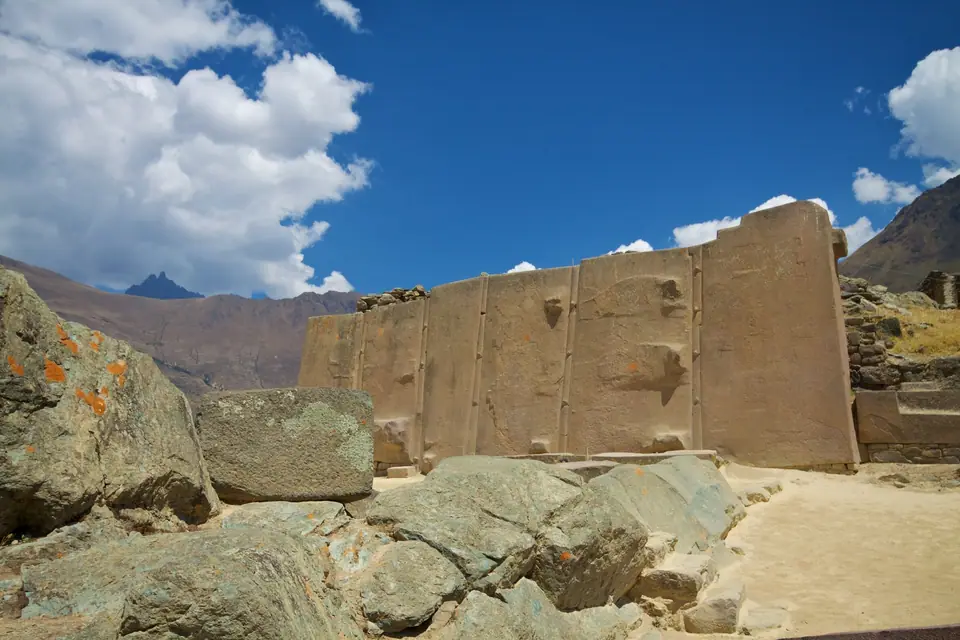
Ollantaytambo: Pachacuti’s Royal Estate and Living Inca Town
Roughly 72 kilometres northwest of Cusco at the western end of the valley, Ollantaytambo (2,792 metres) was built in the mid-15th century as the royal estate of Emperor Pachacuti. In January 1537, it was the scene of one of the few major Inca military victories over the Spanish, when Manco Inca Yupanqui flooded the plains below the fortress to bog down Hernando Pizarro’s cavalry.
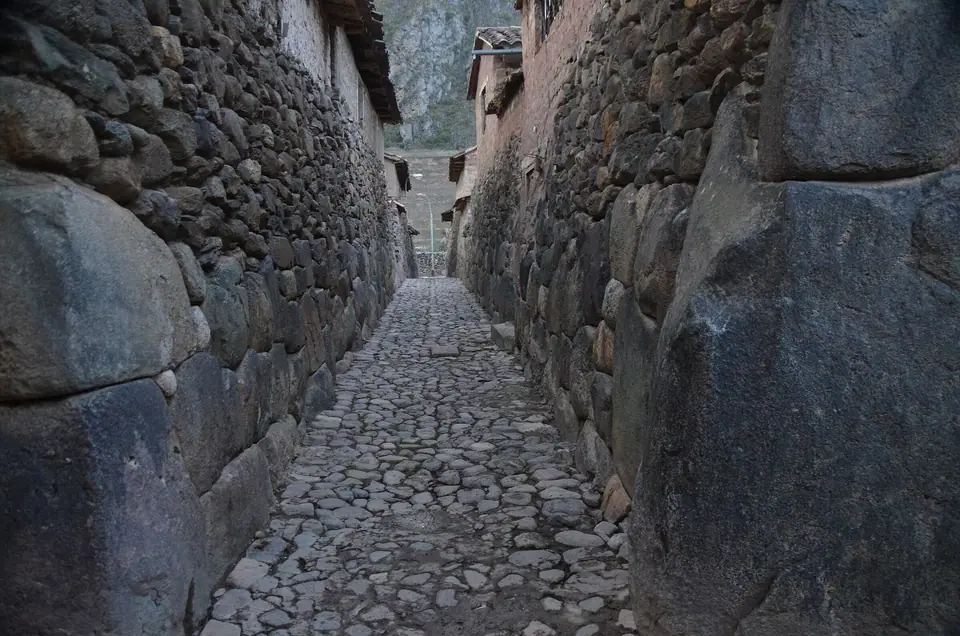
Climbing the 17 steep agricultural and defensive terraces of Temple Hill (Araqhama) leads to the ceremonial sector and the unfinished Wall of the Six Monoliths, assembled from rose-pink rhyolite slabs weighing over 50 tonnes hauled from the Cachiccata quarry across the river. Across the narrow Patakancha valley, stone storehouses (qullqas) cling high on the Pinkuylluna cliffside to catch cool valley winds. Below the ruins, Ollantaytambo town preserves the sole surviving intact Inca residential grid, where stone-lined water channels run down cobbled alleys into walled kancha courtyard homes, and trains depart from the riverside station for Machu Picchu. You can easily combine Ollantaytambo with Maras, Moray, and Chinchero on the return drive.
Traveller tips
Real advice from people who have been to Sacred Valley Day Trip: Pisac Terraces and Ollantaytambo Fortress. Every tip is read by our team before it goes live.
No tips yet. Been here? Yours could be the first.
Thank you! Your tip will appear here after a quick review.
More in Cusco
Continue exploring Cusco with related neighbourhood, food, and planning guides