


























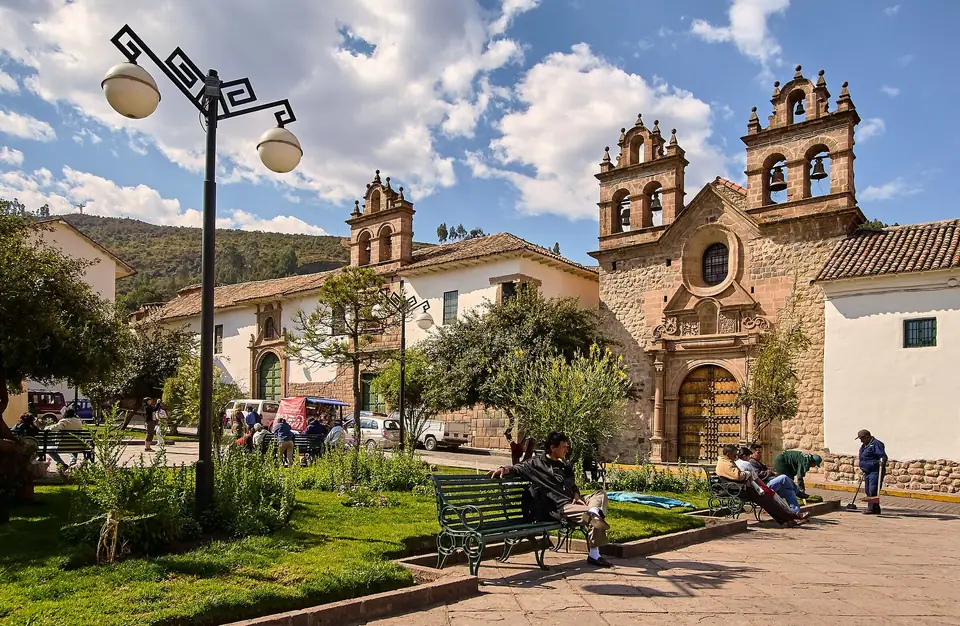
Museo Inka, Museo de Arte Precolombino and Casa Concha
Visit Cusco’s three major archaeological museums, Museo Inka, the Pre-Columbian Art Museum (MAP), and Casa Concha, housed in colonial mansions.
Before walking the open-air ruins of Sacsayhuamán or boarding a train to Machu Picchu, spending two or three hours inside Cusco’s archaeological museums provides essential context on how Inca and pre-Inca societies engineered stone, wove fine camelid textiles, and administered a 4,000-kilometre empire without a written alphabet. Three standout collections sit within five minutes’ walk of Plaza de Armas, each housed inside a restored colonial mansion resting on Inca palace foundations.
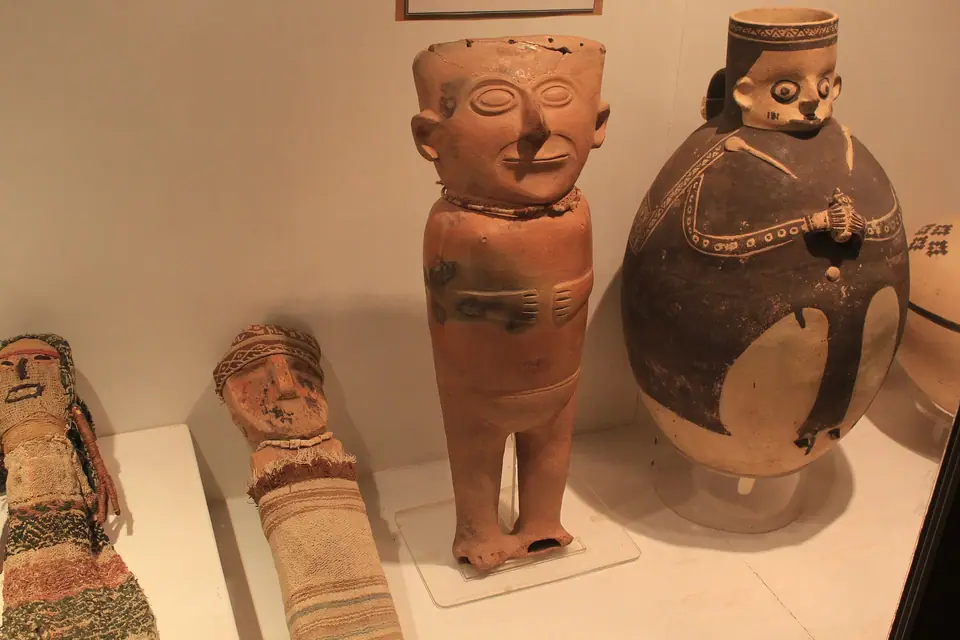
Museo Inka (Casa del Almirante)
Located one block uphill from Cusco Cathedral at the corner of Cuesta del Almirante and Calle Ataúd, Museo Inka is the archaeological museum of the National University of San Antonio Abad del Cusco (UNSAAC). It occupies the Casa del Almirante, an early 17th-century mansion built for Admiral Francisco Alderete Maldonado over the palace of the twelfth Sapa Inca, Huáscar. Its corner window supported by a single stone column and its Plateresque heraldic doorway are among the finest secular colonial facades in Peru.
Keros, Khipus and Highland Weavers at Museo Inka
Inside, chronological galleries trace the Cusco basin from the formative Marcavalle, Chanapata, Wari, and Killke cultures through the rise of Tawantinsuyu. Highlights include the world’s largest collection of painted wooden Inca and colonial keros (ceremonial libation cups), knotted khipu recording cords, bronze and stone mason’s tools, trepanned skulls demonstrating high-survival cranial surgery, and a mallki (mummy) exhibition. In the central courtyard during dry-season months, traditional weavers from Chinchero and Accha Alta demonstrate backstrap-loom weaving.
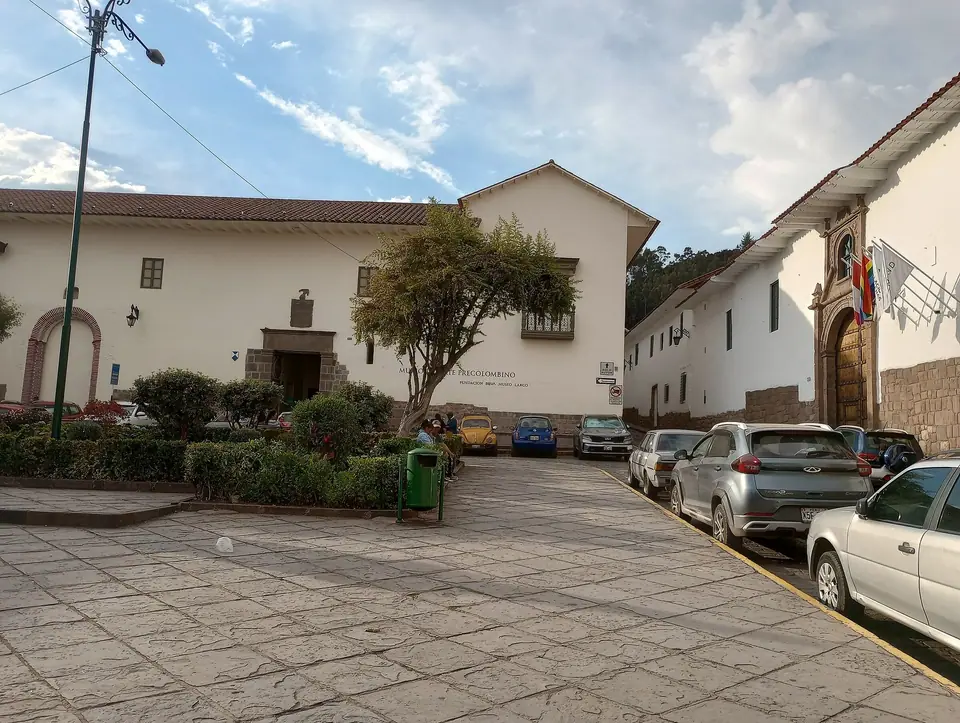
Museo de Arte Precolombino (MAP) on Plazoleta de las Nazarenas
Continue one block higher to Plazoleta de las Nazarenas to visit the Museo de Arte Precolombino (MAP), housed in the Casa Cabrera, once an Inca kancha (courtyard compound) and later the 16th-century residence of conquistador Alonso Díaz and the Colegio de San Borja for the sons of indigenous nobles. Opened in partnership with Lima’s Larco Museum, MAP displays 450 masterworks selected from 3,000 years of Peruvian art across ten illuminated galleries, covering Cupisnique, Nazca, Moche, Huari, Chimú, Chancay, and Inca gold, silver, shell jewellery, and ceramics, and remains open into the evening.
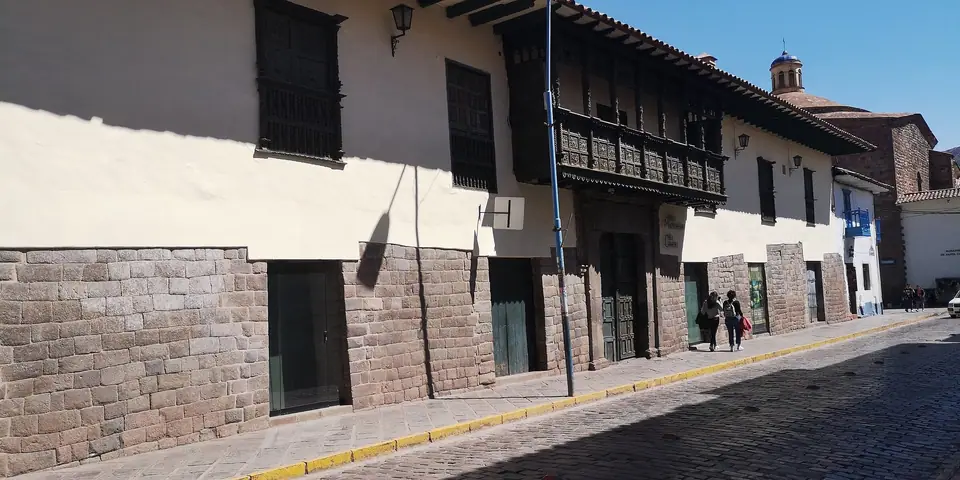
Museo Machu Picchu (Casa Concha)
Situated on Calle Santa Catalina Ancha two blocks east of Plaza de Armas, Casa Concha occupies the colonial mansion built over Puka Marka, the palace of Tupac Inca Yupanqui. Managed by UNSAAC, the museum houses more than 360 ceramic, bronze, stone, and skeletal artefacts excavated by Hiram Bingham at Machu Picchu in 1912 and repatriated to Peru by Yale University in 2011, alongside exposed Inca floor trenches and interactive scale models of the citadel.
Traveller tips
Real advice from people who have been to Museo Inka, Museo de Arte Precolombino and Casa Concha. Every tip is read by our team before it goes live.
No tips yet. Been here? Yours could be the first.
Thank you! Your tip will appear here after a quick review.
More in Cusco
Continue exploring Cusco with related neighbourhood, food, and planning guides
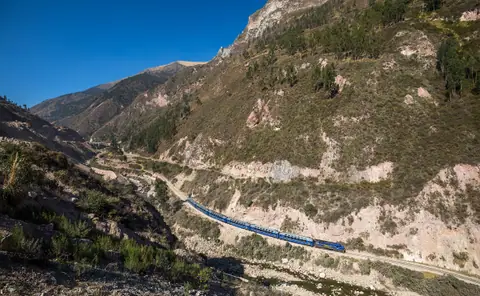
How to Get to Cusco: Velasco Astete Airport, Trains and Taxis
Cusco, Peru
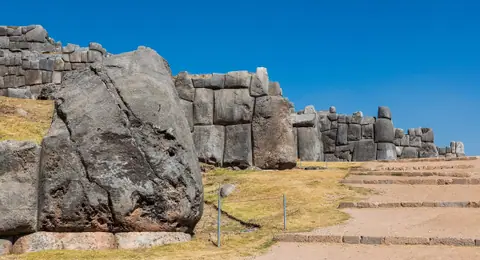
Best Time to Visit Cusco: Dry Andean Winters, Inti Raymi and Rainy Months
Cusco, Peru
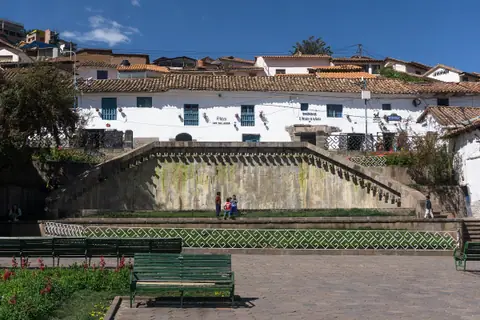
Where to Stay in Cusco: Historic Centre, San Blas and San Cristóbal
Cusco, Peru
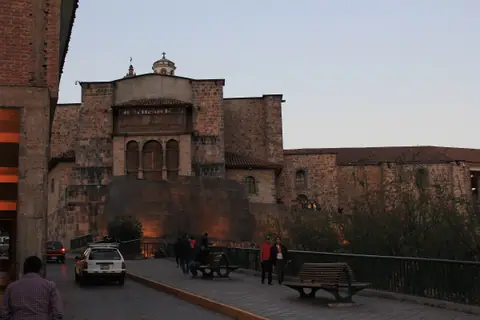
Cusco 3-Day Itinerary: Historic Core, Sacsayhuamán and the Sacred Valley
Cusco, Peru
