


























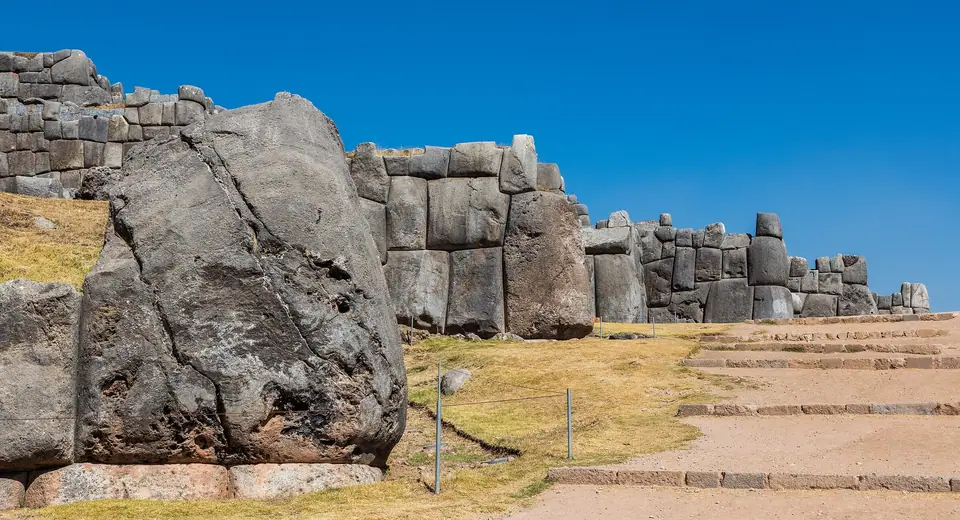
Best Time to Visit Cusco: Dry Andean Winters, Inti Raymi and Rainy Months
Compare Cusco’s sunny dry season (May to September), shoulder months, and green rainy summer using WMO 1991 to 2020 climate normals.
At 3,400 metres in the tropical Andes, Cusco does not experience four European-style temperature seasons; instead, its year is divided into a sunny, crisp dry season (May to September, the Southern Hemisphere winter) and a cloudier, greener rainy season (November to March, the Southern Hemisphere summer). According to 1991 to 2020 climate normals recorded at Alejandro Velasco Astete Airport (WMO station 84686, 3,249 metres), daytime high temperatures remain remarkably steady throughout the year at 20.3 °C to 22.3 °C, while overnight lows drop sharply once the skies clear in June and July.
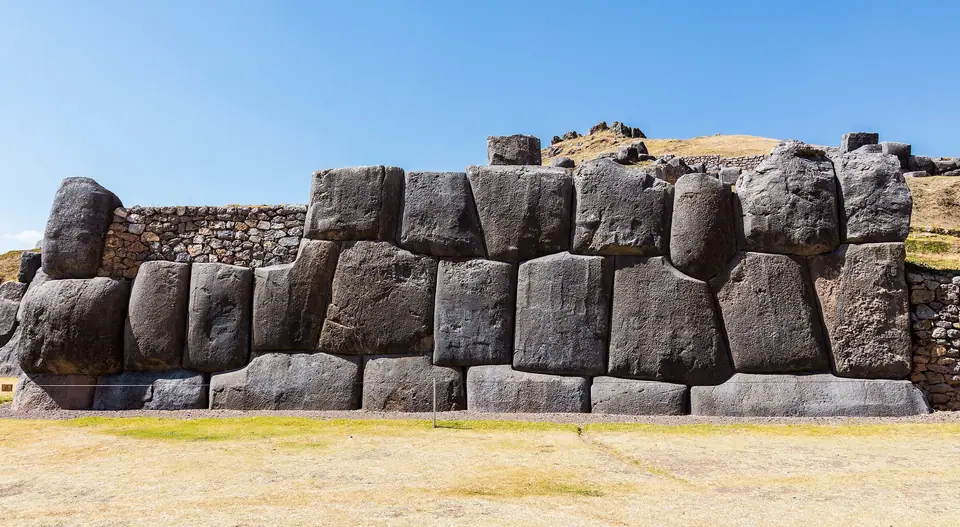
Dry Season: May to September (Sunny Days and Cold Nights)
May through September is the most reliable window for hiking in the Sacred Valley, photographing Sacsayhuamán, and trekking to Machu Picchu. Rainfall is minimal: June averages just 3.3 millimetres across 1 rain day, July averages 5.9 millimetres across 1 rain day, and May and August record only 2 rain days each. Afternoon temperatures reach 20.6 °C to 21.5 °C under intense high-altitude sunshine, making a sun hat and high-SPF sunscreen essential.
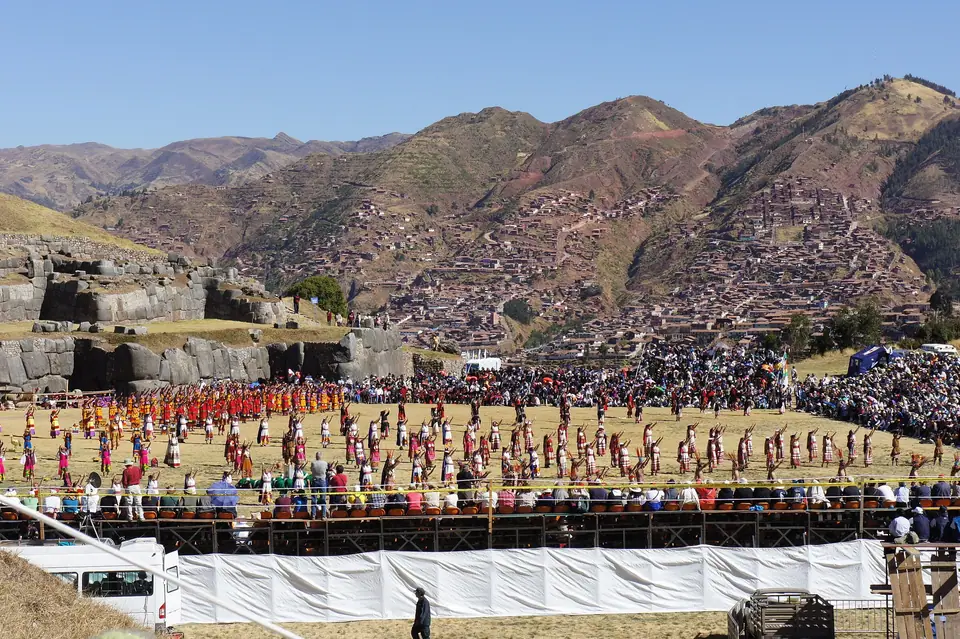
As soon as the sun drops behind the hills around 17:30, heat radiates rapidly into the cloudless sky. Average minimum temperatures fall to 3.6 °C in May, 1.9 °C in June, 1.2 °C in July, and 2.8 °C in August, with frost common in open valleys at dawn. June is also the most festive month on the Cusqueño calendar, anchored by the Corpus Christi processions on Plaza de Armas and Inti Raymi (the Inca Festival of the Sun) on 24 June.
Shoulder Months: April, October and November
April (38.4 millimetres of rain over 7 rain days, highs of 21.0 °C and lows of 6.2 °C) and October to November (54.5 to 77.3 millimetres over 9 to 10 rain days, with November bringing the warmest daytime highs of 22.3 °C) offer a balanced compromise. In April, the hills around Moray and Chinchero remain lush green from the summer rains while trails dry out; in October and November, overnight temperatures are noticeably milder (6.8 °C to 7.6 °C) than in mid-winter.
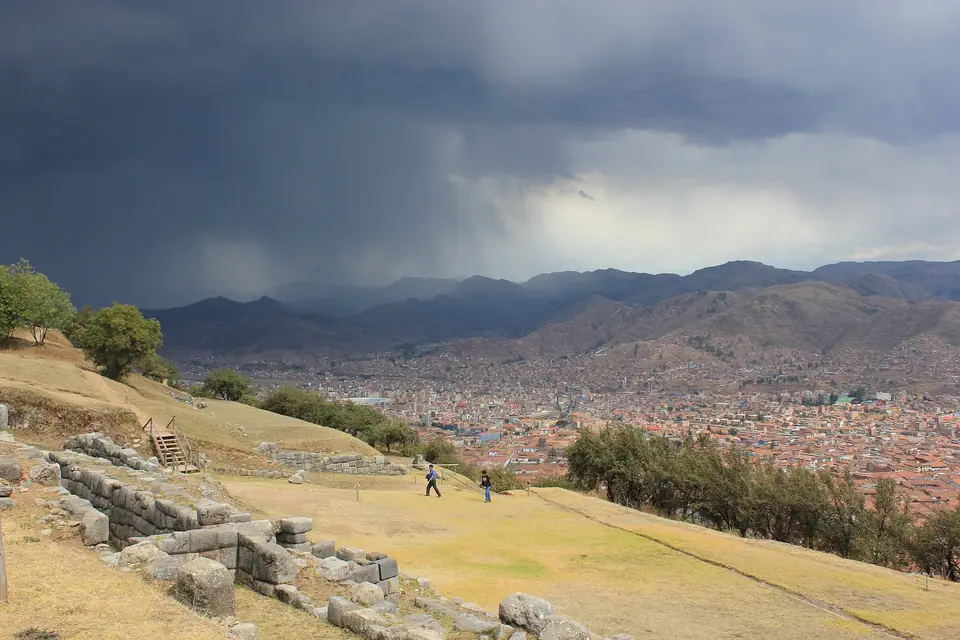
Rainy Season: December to March
More than 70 per cent of Cusco’s 727.7 millimetres of annual precipitation falls between December and March. January is the wettest month (153.4 millimetres across 20 rain days), followed by February (132.1 millimetres across 17 rain days) and March (105.9 millimetres across 16 rain days). Mornings are often bright before afternoon downpours sweep across the valley; note that the classic four-day Inca Trail closes every February for maintenance, though trains to Machu Picchu and Cusco’s museums remain open throughout.
Traveller tips
Real advice from people who have been to Best Time to Visit Cusco: Dry Andean Winters, Inti Raymi and Rainy Months. Every tip is read by our team before it goes live.
No tips yet. Been here? Yours could be the first.
Thank you! Your tip will appear here after a quick review.
More in Cusco
Continue exploring Cusco with related neighbourhood, food, and planning guides

Cusco 3-Day Itinerary: Historic Core, Sacsayhuamán and the Sacred Valley
Cusco, Peru

What to Eat in Cusco: Lomo Saltado, Cuy al Horno, Chiri Uchu and San Pedro Market
Cusco, Peru

Plaza de Armas, Cusco Cathedral and Iglesia de la Compañía de Jesús
Cusco, Peru
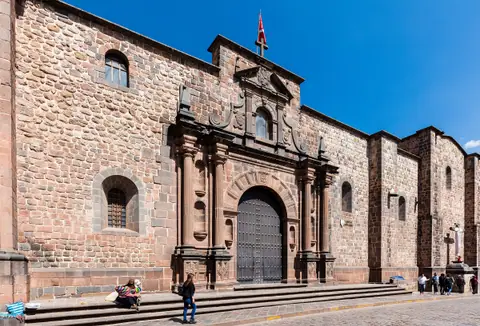
Qorikancha, Convent of Santo Domingo and Hatun Rumiyoc’s Twelve-Angled Stone
Cusco, Peru
