


























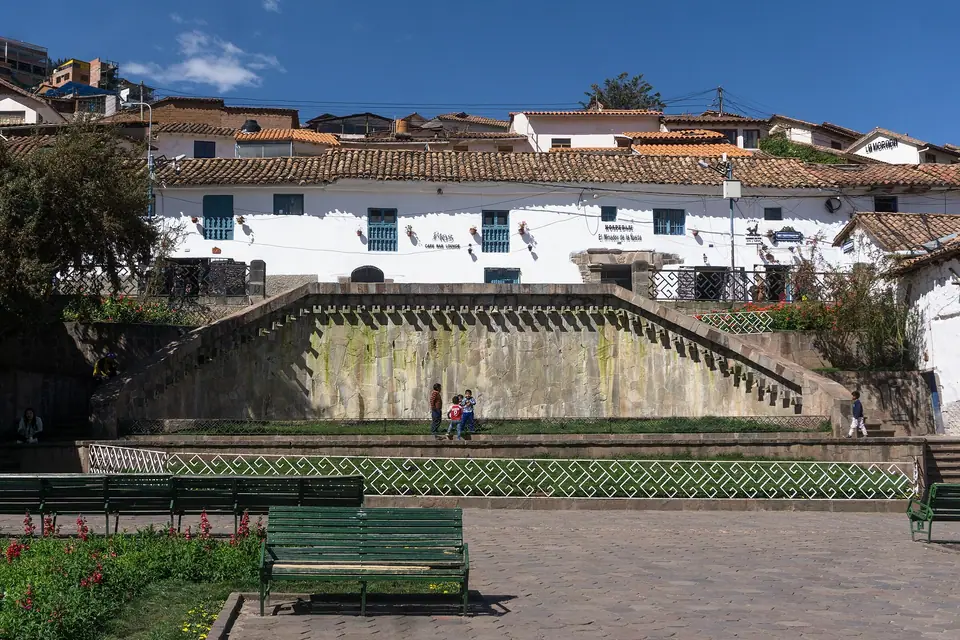
Where to Stay in Cusco: Historic Centre, San Blas and San Cristóbal
Compare Cusco’s best neighbourhoods for travellers, from flat colonial courtyards near Plaza de Armas to hillside San Blas and the Sacred Valley.
Choosing where to stay in Cusco comes down to topography as much as atmosphere. At 3,400 metres, even a 100-metre climb up stone steps feels demanding during your first two days in the city. The valley floor around Plaza de Armas, Plazoleta Regocijo, and Avenida El Sol offers level streets and easy taxi drop-offs, whereas the hillside neighbourhoods of San Blas and San Cristóbal trade steep pedestrian approaches for quiet artisan lanes and sweeping rooftop views over the red-tiled city.
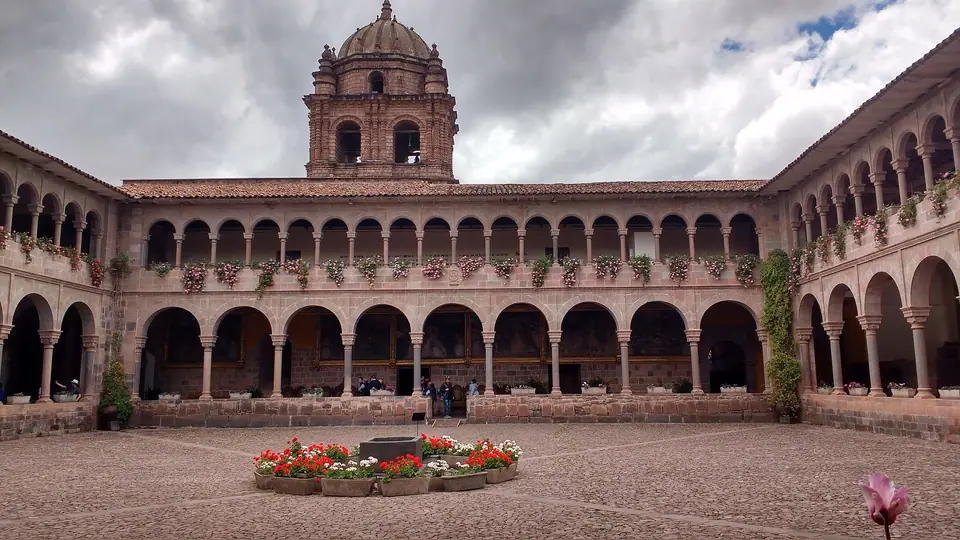
Historic Centre (Plaza de Armas, Regocijo and Nazarenas)
The flat quadrilateral around Plaza de Armas, Plazoleta Regocijo, and Plazoleta Espinar is the most practical base for first-time visitors and anyone adjusting to altitude. Many hotels here occupy 16th- and 17th-century Spanish casonas built around colonnaded stone patios with original Inca foundation walls visible in the dining rooms and corridors. Staying on the valley floor places you within a five-minute flat walk of the Cathedral, Museo Inka, Qorikancha, and the cafés lining Portal de Carnes. Just one block uphill from the Cathedral, Plazoleta de las Nazarenas sits on a quiet cobbled square shared by the Pre-Columbian Art Museum (MAP) and several converted convent and palace hotels.
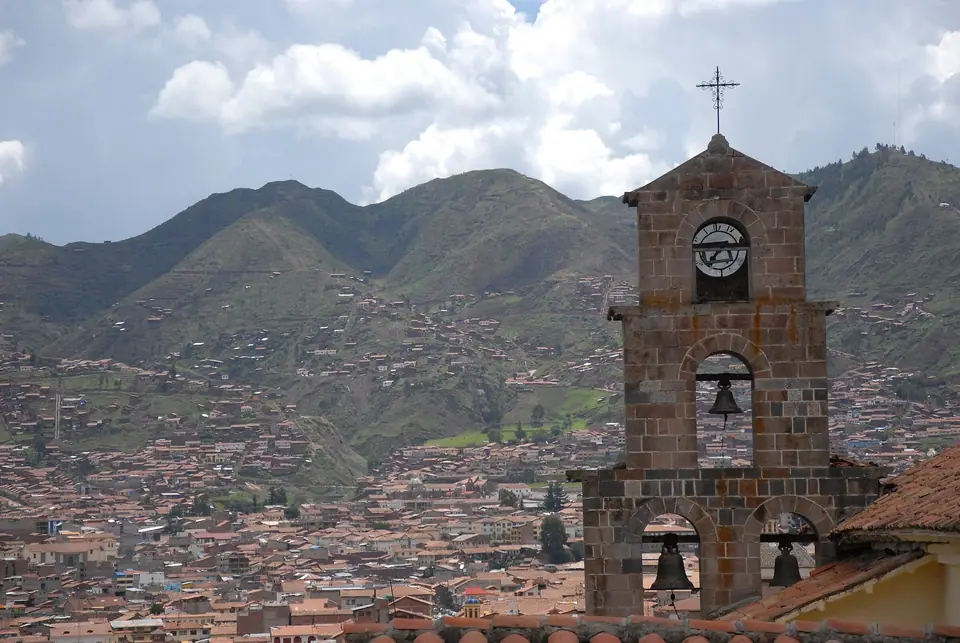
San Blas (T'oqokachi) Artisan Quarter
Rising northeast of Plaza de Armas above the Twelve-Angled Stone, San Blas is Cusco’s historic bohemian and craft neighbourhood. Most lanes around Cuesta de San Blas, Calle Carmen Alto, and Calle Tandapata are pedestrian-only staircases, meaning taxis drop guests at Plazoleta de San Blas or Calle Choquechaka and porters help carry luggage the final block. In return, boutique guesthouses in San Blas offer sunny garden terraces, quieter nights away from traffic, and immediate access to workshops, independent coffee roasters, and the uphill footpath to Sacsayhuamán.
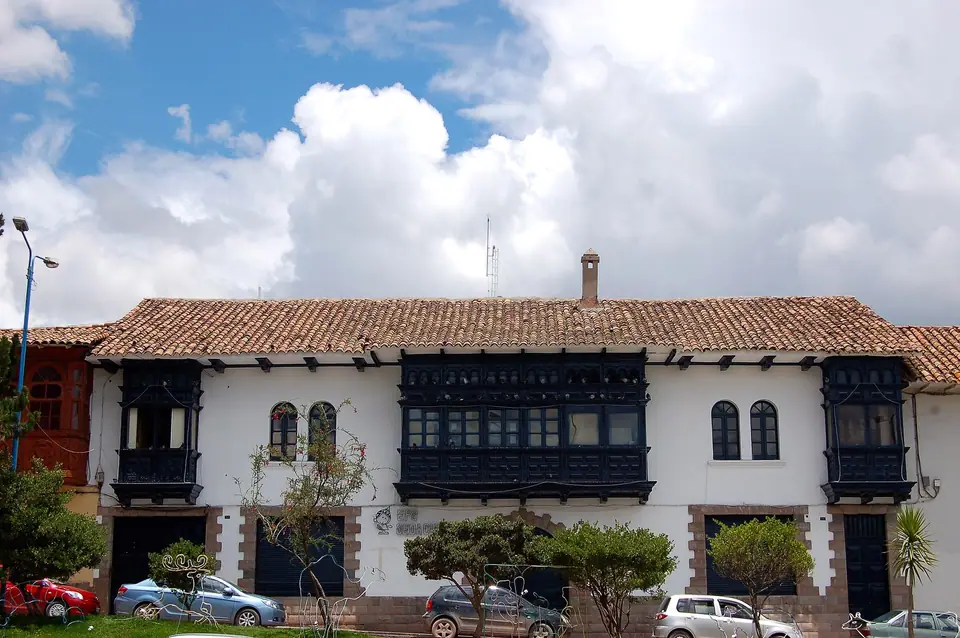
San Cristóbal, Santa Ana and the Sacred Valley Option
Perched on the northwest slope between Plaza de Armas and Sacsayhuamán, San Cristóbal and neighbouring Santa Ana offer panoramic views across the entire valley floor. Because the climb up Calle Resbalosa or Cuesta de Santa Ana is steep, it suits travellers who have already acclimatised or are happy using short taxi rides back up at night. If you want the gentlest transition to Andean altitude, consider booking your first two nights in Urubamba or Ollantaytambo (2,792 to 2,870 metres) directly after landing at Cusco Airport, visiting Machu Picchu from Ollantaytambo station, and spending your final two or three nights in central Cusco once your body is fully adjusted.
Traveller tips
Real advice from people who have been to Where to Stay in Cusco: Historic Centre, San Blas and San Cristóbal. Every tip is read by our team before it goes live.
No tips yet. Been here? Yours could be the first.
Thank you! Your tip will appear here after a quick review.
More in Cusco
Continue exploring Cusco with related neighbourhood, food, and planning guides
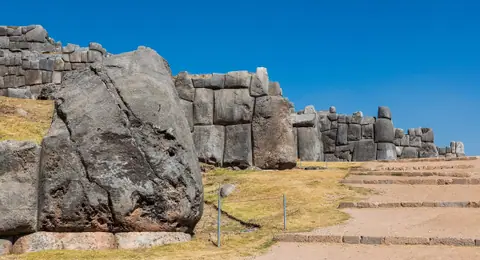
Best Time to Visit Cusco: Dry Andean Winters, Inti Raymi and Rainy Months
Cusco, Peru
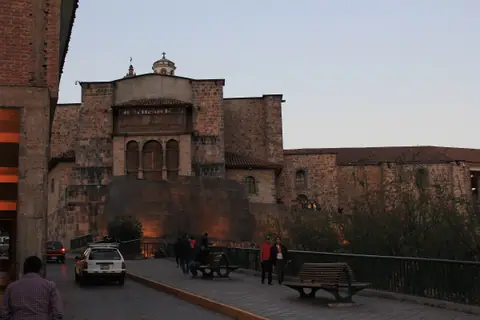
Cusco 3-Day Itinerary: Historic Core, Sacsayhuamán and the Sacred Valley
Cusco, Peru
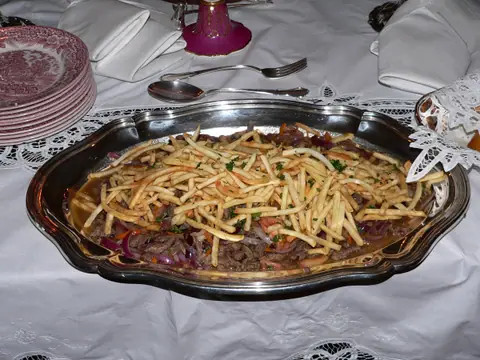
What to Eat in Cusco: Lomo Saltado, Cuy al Horno, Chiri Uchu and San Pedro Market
Cusco, Peru
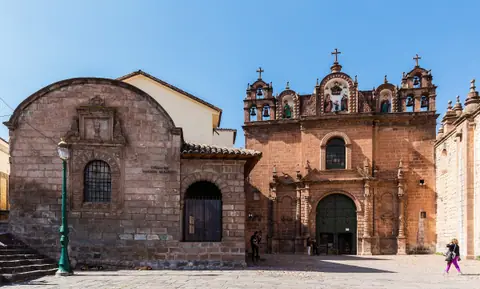
Plaza de Armas, Cusco Cathedral and Iglesia de la Compañía de Jesús
Cusco, Peru
