Best Time to Visit Malmö: SMHI Climate Normals, Daylight & Festivals
Plan when to visit Malmö using verified SMHI climate data, midsummer 17-hour-31-minute daylight, August's Malmöfestivalen, and year-round sea saunas.
Positioned at 55 degrees 35 minutes north in Sweden's southernmost province of Scania, Malmö experiences a mild oceanic climate (Köppen Cfb) moderated by the Gulf Stream and prevailing westerly winds off the Öresund strait. According to Swedish Meteorological and Hydrological Institute (SMHI) normals, the city records 673.2 millimetres of precipitation across 169 wet days per year, while coastal Falsterbo just south of the city receives an average of 1,895 hours of annual sunshine (and nearby Lund receives 1,803 hours).
Because water surrounds the southwestern tip of Scania, Malmö warms up gently in spring, avoids extreme continental heat in midsummer, and stays milder through autumn and winter than central and northern Sweden. Choosing when to visit comes down to balancing long summer daylight and open-air sea swimming against crisp, quiet museum days and winter sauna traditions.
Summer (June to August): Long Daylight, Sea Swimming & Malmöfestivalen
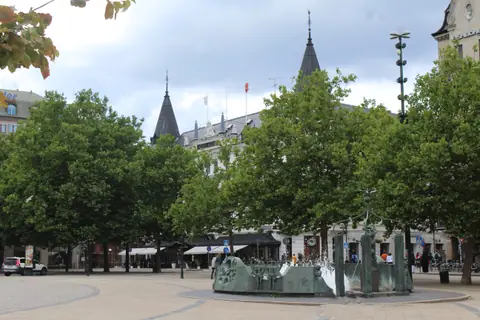
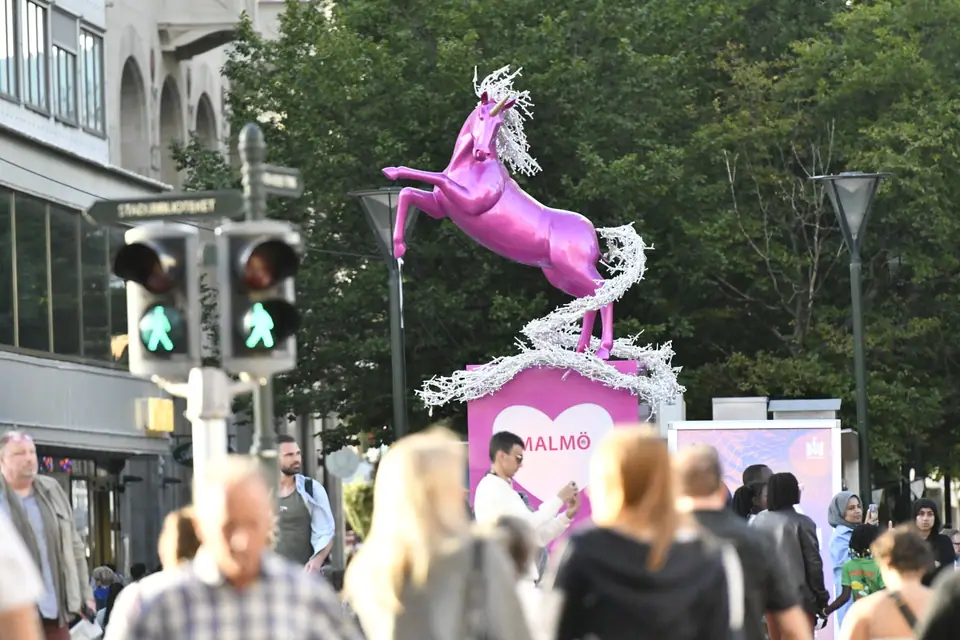
June, July, and August bring Malmö's warmest weather and bright summer evenings: around the June solstice, daylight lasts 17 hours and 31 minutes, with twilight lingering late into the night. Average daily highs reach 20.5 °C in June, peak at 23.2 °C in July (with overnight lows of 13.8 °C), and average 22.3 °C in August. This is the prime season for swimming off the wooden decks of Sundspromenaden and Daniaparken, cycling along Ribersborgsstranden, and dining outdoors on Lilla Torg. Note that July (71.1 mm) and August (86.3 mm) also see summer rain showers. In the third week of August each year, Malmöfestivalen fills the streets and squares from Stortorget to Gustav Adolfs torg with free concerts and food stalls, while Pildammsparken hosts the Big Slap music festival. Throughout the summer months, outdoor stages in Pildammsteatern and Folkets Park also host open-air performances under the bright northern sky, and sightseeing canal boats and pedal boats operate daily along the moat between Kungsparken and Gamla Staden.
Spring (April to May): The Driest and Sunniest Transition
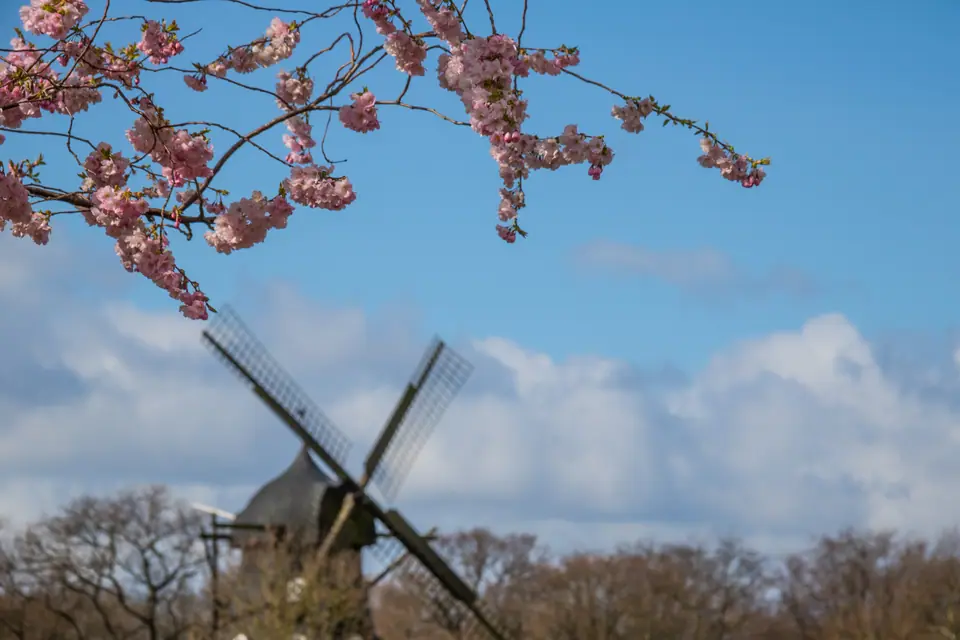
Spring is the driest and sunniest transition of the year: April records the lowest monthly rainfall of the calendar at 30.0 millimetres (with 222.9 hours of sunshine and average highs of 12.6 °C), followed by May with 39.9 millimetres of rain, 274.4 hours of sunshine, and comfortable 17.6 °C afternoons as cherry trees, azaleas, and rhododendrons bloom across Kungsparken and Slottsparken. The Nordic Game conference takes place each April or May, and outdoor market stalls at Möllevångstorget and Slottsträdgården return to full seasonal swing. For architecture walks, cycling routes, and photography along the canals without high-summer crowds, late April and May offer crisp light, blooming botanical borders, and dry pavements across the municipality. Pavement cafés around Gamla Väster and Lilla Torg set out their tables and wool blankets as soon as the spring sun warms the cobbles.
Autumn (September to October): Golden Parks & Film Festivals
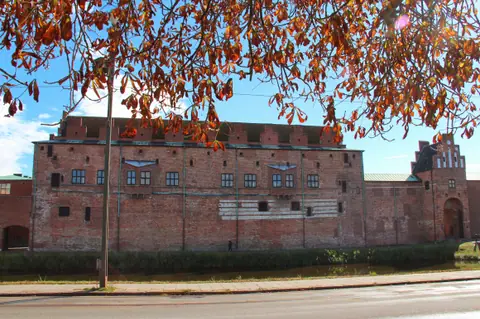
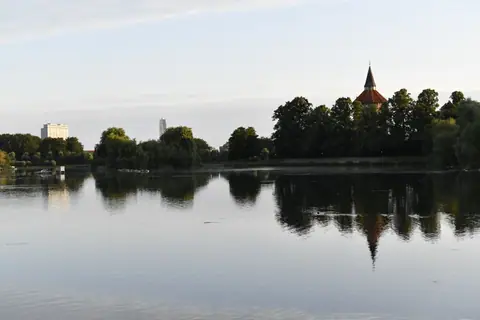
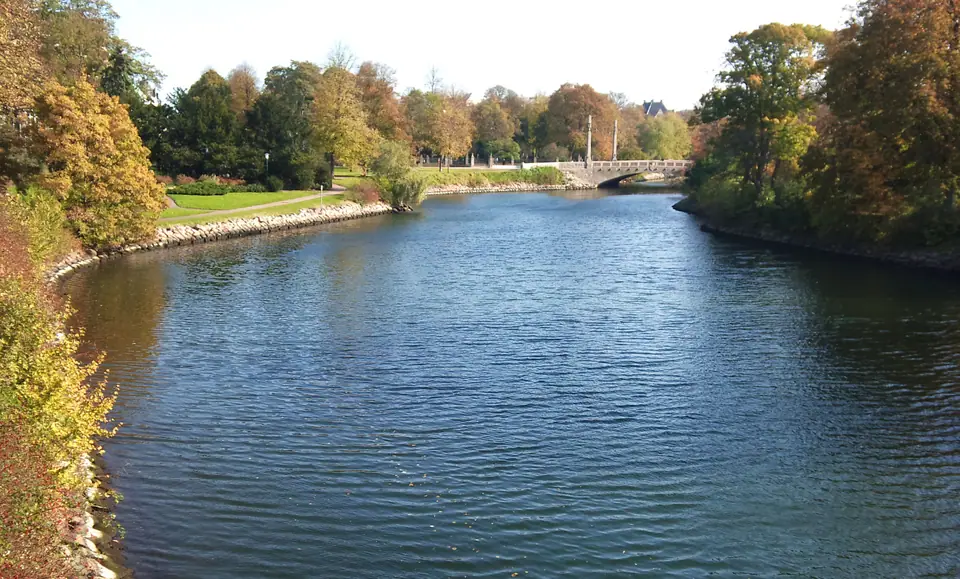
Early autumn stays mild in September (18.6 °C average high, 42.3 mm rain), when the sea retains late-summer warmth for dips at Ribersborg and Malmö hosts the Nordisk Panorama Film Festival for Nordic short and documentary films. As temperatures cool to 12.6 °C in October, the beech and chestnut canopies around Malmöhus Castle and Pildammsparken turn deep amber, and the indoor opera and symphony seasons open at Malmö Opera and Malmö Live. Autumn also brings the Malmö Arab Film Festival and harvest menus across the city's market halls and taverns, making September and October rewarding months for travellers who enjoy contemporary art exhibitions, theatre, and coastal walks. Birdwatchers also travel south to the Falsterbo Peninsula in early autumn, when migrating raptors and songbirds gather at the southwestern tip of Scania before crossing the water toward continental Europe.
Winter (November to March): Mild Coastal Frosts & Cold-Bath Culture
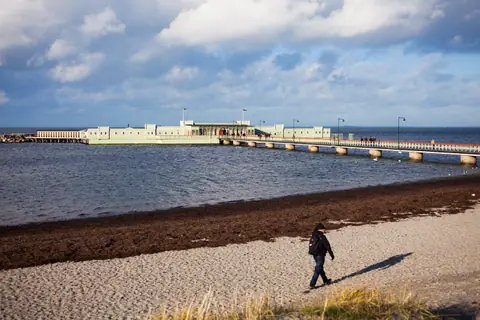
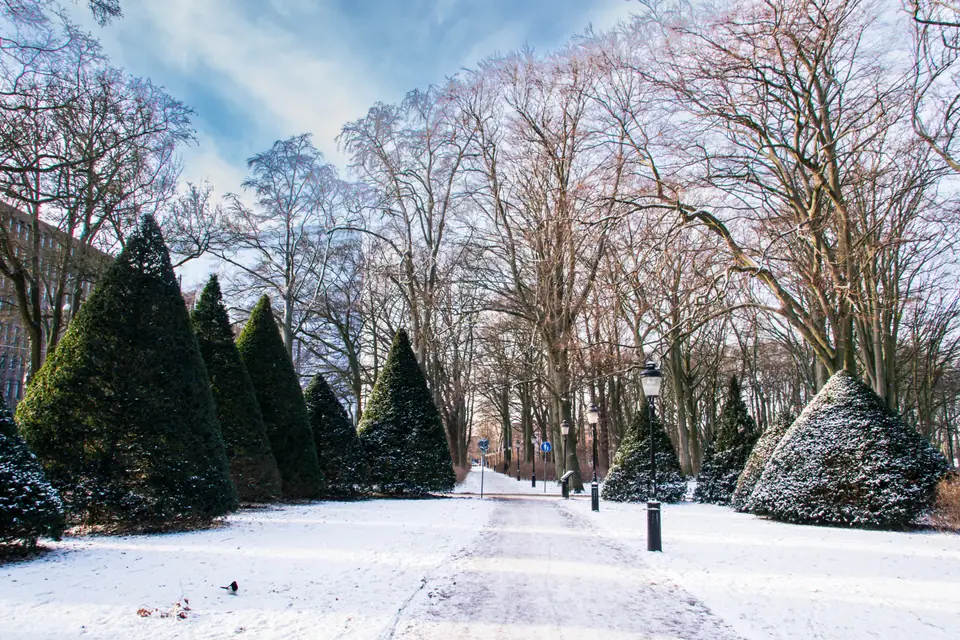
Unlike northern Sweden, Malmö's winters remain near freezing, with average daytime highs of 4.8 °C in December, 2.9 °C in January, and 3.0 °C in February, and average overnight lows of -1.4 °C in January (58.0 mm precipitation) and -1.5 °C in February (39.7 mm precipitation). Midwinter daylight drops to roughly seven hours in December, snow cover is usually brief, and crisp windy days make the wood-fired saunas and icy sea plunges at Ribersborgs kallbadhus, November's traditional Scanian Mårtensgås goose dinners, winter ice skating in Folkets Park, and March's BUFF International Film Festival major seasonal highlights. In December, festive lights illuminate pedestrian Södergatan and Gustav Adolfs torg while bakeries serve saffron buns (lussekatter) and spiced mulled wine, and candlelit Lucia concerts take place inside medieval Sankt Petri kyrka.
What to Pack for the Öresund Breeze
Because flat terrain and open water allow westerly breezes off the strait to blow across the piers and squares in every month, pack a windproof outer layer even in July and August, alongside swimwear and two towels for the saunas at Ribersborgs kallbadhus and comfortable walking shoes for the cobbles of Gamla Staden. In spring and autumn, layering a light sweater under a rain-resistant jacket keeps you comfortable as you move between sunny coastal boardwalks, shaded park paths, and indoor galleries on our three-day Malmö itinerary, while winter visitors should add a warm hat, gloves, and a scarf for walks out to the Lernacken bridge viewpoint and canal quays. Checking our accommodation guide also helps you pick a central base close to indoor cultural venues and underground rail stations during the cooler months.
Malmö's cultural and sporting calendar adds distinct seasonal highlights to the oceanic weather pattern of southwestern Scania. Every March the city hosts the BUFF International Film Festival for children and young people, followed in April or May by the Nordic Game conference and in September by the Nordisk Panorama Film Festival for Nordic short and documentary cinema, alongside the Malmö Arab Film Festival. Summer brings open-air concerts such as the annual Big Slap music festival at Pildammsparken (held since 2013) and the citywide street stages and food stalls of Malmöfestivalen in the third week of August, while the indoor Malmö Operan (with 1,511 seats) and Malmö Stadsteater anchor the autumn and winter performing arts season.
Traveller tips
Real advice from people who have been to Best Time to Visit Malmö: SMHI Climate Normals, Daylight & Festivals. Every tip is read by our team before it goes live.
No tips yet. Been here? Yours could be the first.
Thank you! Your tip will appear here after a quick review.
More in Malmö
Continue exploring Malmö with related neighbourhood, food, and planning guides