


























Malmö: Essential Planning for Sweden's Öresund Gateway
Plan a visit to Malmö with verified facts on its Danish-Swedish history, walkable districts, 410 km of bike paths, and cross-border rail links.
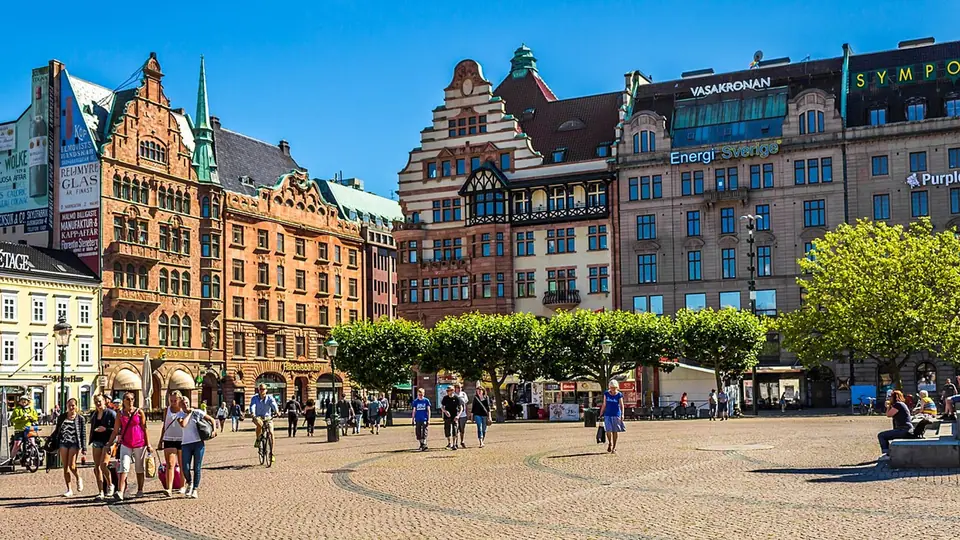
Occupying a flat coastal plain on the eastern shore of the Öresund strait, Malmö is Sweden's third-largest city and the administrative seat of Skåne County. With 365,644 municipal residents in 2024 and 780,035 inhabitants across the twelve-municipality Greater Malmö metropolitan region, the city functions as the Swedish anchor of the transnational Öresund Region, which unites four million people across southern Sweden and eastern Denmark. Since the opening of the Öresund Bridge on 1 July 2000, trains from Copenhagen Airport reach central Malmö in about 20 minutes, placing international arrivals straight into the urban core faster than many domestic airport transfers across Europe.
Unlike hilly northern capitals carved by granite ridges and deep fjords, Malmö spreads across gentle sedimentary terrain where sea breezes, brick spires, and former shipyard basins set the visual tone. Visitors stepping out of the glass-roofed railway halls at Malmö Central Station immediately encounter a compact, water-ringed city where medieval Danish street patterns sit beside converted industrial docks, landscaped canal parks, and contemporary coastal housing quarters. Residents from a wide range of cultural backgrounds give the municipality a youthful demographic profile and an energetic everyday street life that feels distinct from the rest of southern Sweden.
From Medieval Danish Ferry Berth to Post-Industrial Waterfront
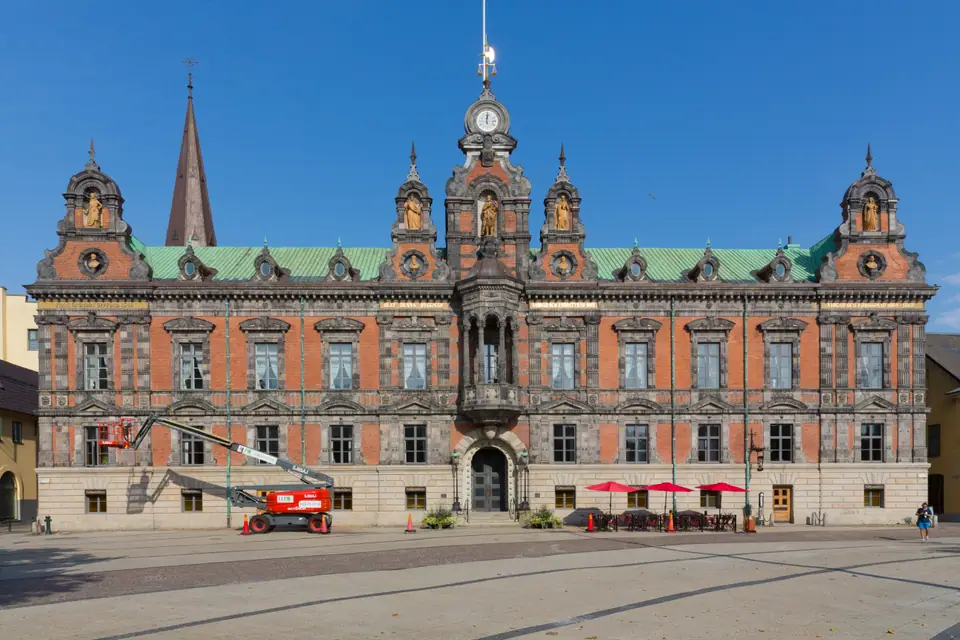
The city's name derives from the Old Danish Malmhaug (documented around 1170 as Malmöghae), combining malm (sand or gravel) and högar (mounds). Founded shortly before its first city mention in 1275 as a fortified quay for the Danish Archbishop of Lund 20 kilometres to the northeast, Malmö prospered on the medieval Hanseatic herring trade and received its city privileges in 1353. In 1437 King Eric of Pomerania granted the city its red griffin-head coat of arms. After Denmark ceded Scania to Sweden under the Treaty of Roskilde in 1658, Swedish troops successfully defended the town against a month-long siege by 14,000 Danish soldiers in June 1677.
Merchant Frans Suell launched modern harbour construction in 1775, and in 1840 Frans Henrik Kockum established the foundry that grew into the Kockums shipyard. When shipbuilding ended in 1986 and the early-1990s recession eliminated 27,000 local jobs, Malmö pivoted toward higher education and sustainable urban design: Malmö University opened on Universitetsholmen in 1998, the Bo01 housing exposition reshaped Västra Hamnen in 2001, and the underground City Tunnel transformed rail transit in December 2010.
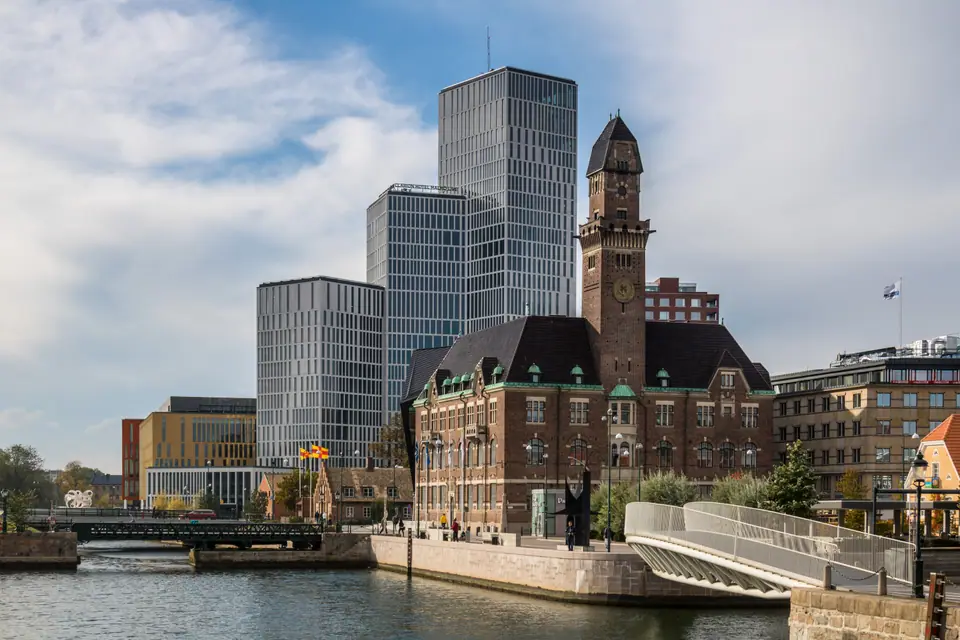
This structural shift remains visible on every walk through the centre. Red-brick factory halls, freight depots, and power stations from the industrial era have been repurposed into art museums, indoor food markets, and university faculties, while the reclaimed waterfront where supertankers once launched now hosts timber boardwalks, wind-sheltered residential courtyards, and deep-water bathing piers. Major corporate offices, digital media studios, and maritime academic institutions such as the United Nations World Maritime University now occupy dockside plots where heavy steel cranes once stood.
How Malmö Is Organised From Gamla Staden to Västra Hamnen
A loop of 19th-century canals encloses Gamla Staden, split between commercial eastern streets around Stortorget and Sankt Petri kyrka and the low-slung artisan lanes of Gamla Väster. Immediately west across the water sit Slottsholmen and Malmöhus Castle, wrapped by Kungsparken and Slottsparken. North of the central station, Universitetsholmen links the Malmö Live concert complex with the seaside promenades of Västra Hamnen and Ribersborgsstranden, while Triangeln, Möllevången, and 45-hectare Pildammsparken extend south.
Pedestrian spine streets connect these zones from north to south. Starting from the canal bridges opposite Malmö Central Station, shoppers and sightseers follow Södergatan from Stortorget down to Gustav Adolfs torg, cross the southern canal at Davidshallsbron, and continue along the pedestrianised length of Södra Förstadsgatan all the way to Triangeln and the market square of Möllevångstorget without needing a vehicle. Because each neighbourhood transitions smoothly into the next across footbridges and tree-lined paths, newcomers rarely lose their bearings; the twisted silhouette of Turning Torso marks the northwestern coast, while the brick spire of Sankt Petri kyrka anchors the historic core.
Practical Orientation for Visitors
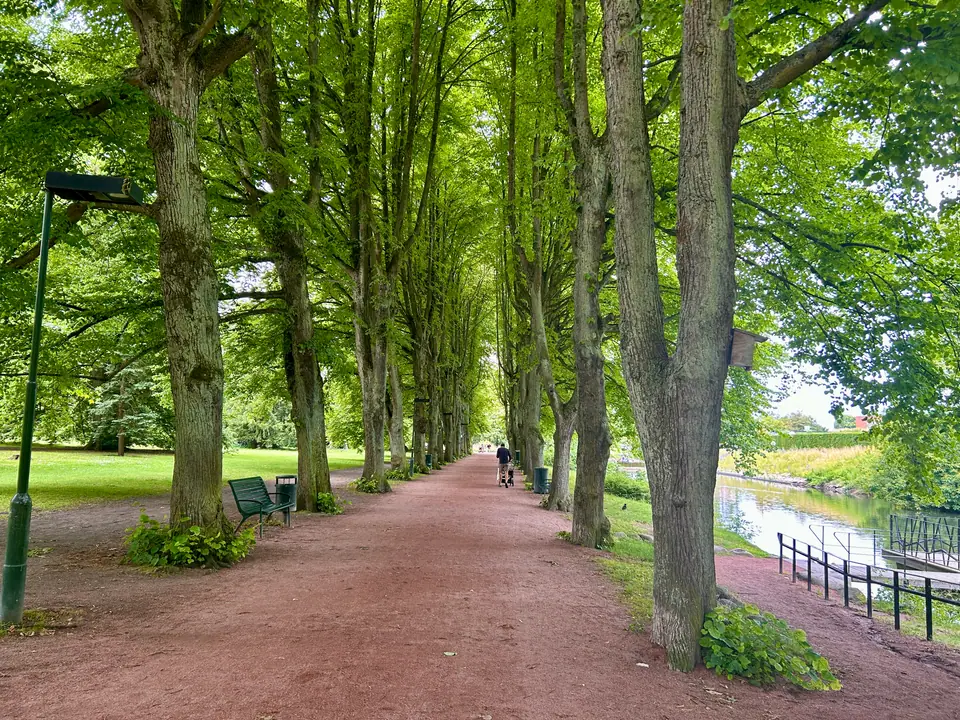
Malmö is flat and compact: 410 kilometres (250 miles) of dedicated cycle paths cross the municipality, and cycling is one of the most common ways to get around. All regional and municipal public transport is cashless, operated by Skånetrafiken with tickets sold through the Skånetrafiken app or contactless payment cards, which are covered in detail in our transport guide. That same cashless habit applies across almost all cafés, museum ticket desks, bakeries, and open-air kiosks, so carrying a contactless bank card or mobile wallet is essential throughout your stay.
Language and everyday etiquette are equally straightforward for international guests. English is spoken fluently across hotels, transport hubs, restaurants, and cultural venues, while signage at railway platforms and museums is clear and easy to follow. Tap water is clean and cold throughout the city, and public parks, beach piers, and waterfront boardwalks remain open to everyone without admission charges. Cyclists have dedicated lanes at almost every junction, so pedestrians should take care to step onto footways rather than marked bike tracks when crossing bridges and canal streets.
Combining Neighbourhoods and Cross-Border Excursions
Because distances between the Old Town canals, the castle moat, and the Öresund shoreline are short, most travellers can combine two or three distinct quarters in a single morning or afternoon. A typical route begins with coffee and Danish-era brick architecture around Stortorget and Lilla Torg, continues west through the botanical paths of Kungsparken and Slottsparken to the Renaissance bastions of Slottsholmen, and finishes along the coastal boardwalks for sunset over the strait.
When you are ready to explore beyond the municipal boundaries, regional trains from the three City Tunnel stations put the medieval university town of Lund, the sandy southern peninsula of Skanör and Falsterbo, and central Copenhagen within effortless reach, making staying in Malmö a flexible base for discovering the wider Scanian and Danish coastline across all seasons of the year. Travellers planning a structured visit can also follow our three-day Malmö route to balance urban landmarks with coastal walks, traditional Scanian dining, and regional rail trips across the province. Whether your focus is contemporary architecture, medieval history, or open-air sea swimming, the compact scale of the city keeps every experience close at hand.
Traveller tips
Real advice from people who have been to Malmö: Essential Planning for Sweden's Öresund Gateway. Every tip is read by our team before it goes live.
No tips yet. Been here? Yours could be the first.
Thank you! Your tip will appear here after a quick review.
More in Malmö
Continue exploring Malmö with related neighbourhood, food, and planning guides
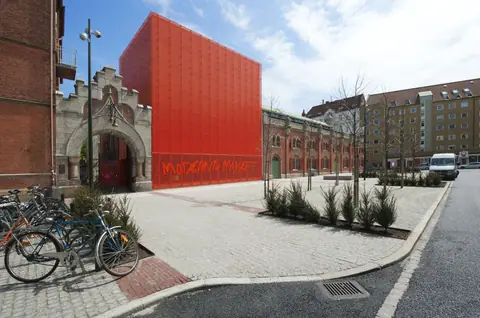
Moderna Museet, Malmö Konsthall & Malmö Live: Arts & Architecture
Malmö, Sweden
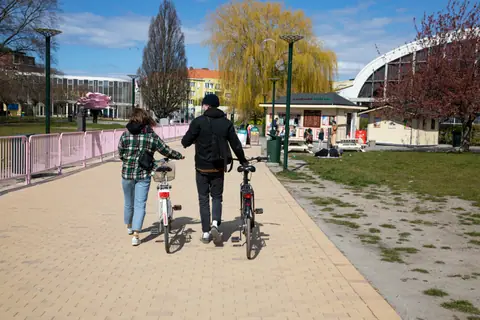
Möllevången & Folkets Park: Open-Air Markets, Jugendstil & Nightlife
Malmö, Sweden
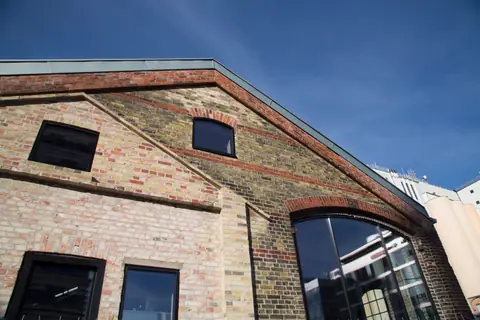
What to Eat in Malmö: Scanian Äggakaka, Spettekaka & Falafel
Malmö, Sweden
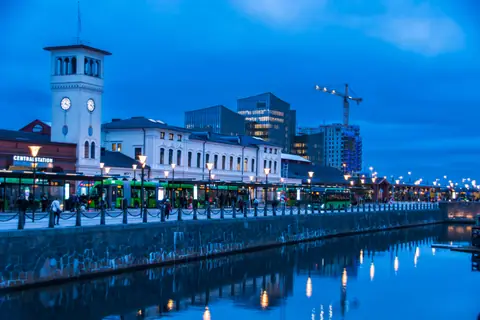
How to Get to Malmö & Get Around: CPH Trains, City Tunnel & Bikes
Malmö, Sweden
