


























Malmöhus Castle & Malmö Museums: Nordic Renaissance Fortress
Visit Malmöhus Castle on Slottsholmen, built between 1526 and 1539 as the oldest preserved Renaissance castle in the Nordic region and home to Malmö Museer.
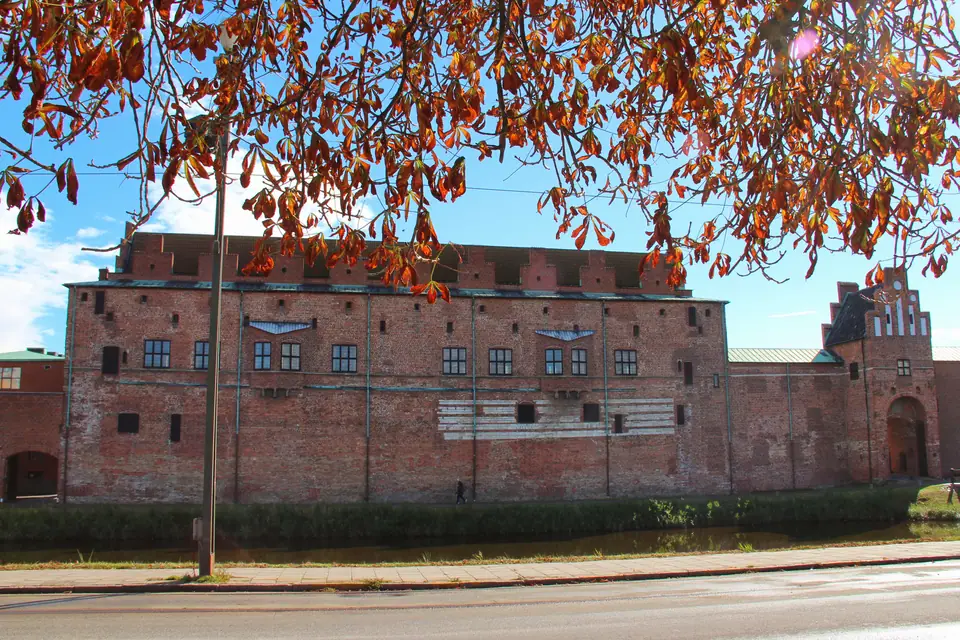
Set on the fortified island of Slottsholmen just west of Gamla Staden, Malmöhus Castle (Malmöhus slott) was built between 1526 and 1539, making it the oldest preserved Renaissance castle in the Nordic region. Owned by the Swedish state through the National Property Board and operated as the centrepiece of Malmö Museer, the fortress complexes trace six centuries of Sound Dues customs enforcement, royal minting, Danish-Swedish warfare, and museum curation.
Approached across a wooden bridge spanning the wide water moat, the red-brick main building and its flanking circular cannon towers anchor a green cultural campus sandwiched between the seafront of Ribersborgsstranden and the botanical gardens of Kungsparken and Slottsparken. Visitors can easily spend half a day exploring the interconnected castle halls, art galleries, natural history displays, and maritime pavilions on either side of Malmöhusvägen.
From Eric of Pomerania's Mint Citadel to Danish Royal Fortress
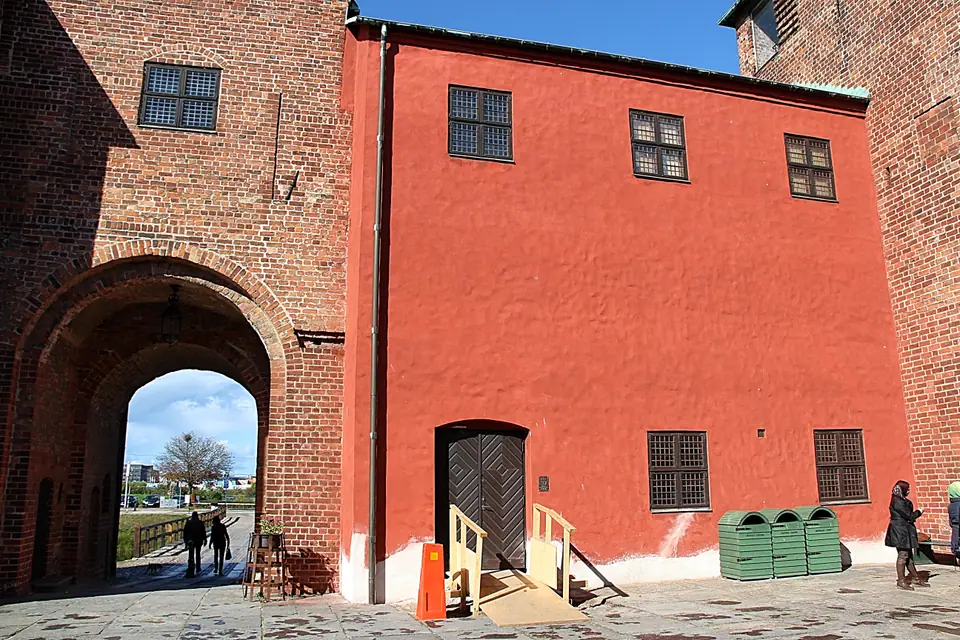
In 1429 King Eric of Pomerania introduced the Sound Dues (Öresundstullen), requiring every foreign vessel passing the strait to pay a royal toll. To guard the seaward flank of Malmö and house the royal Danish mint, Eric ordered the construction in 1434 of a rectangular walled castellum known as Møntergaarden ("The Mint"). Following the tumultuous end of the Kalmar Union, Danish King Frederick instructed his lord of Malmöhus, Albert Jepsen Ravensberg, in 1525 to replace the medieval stronghold with a modern artillery fortress.
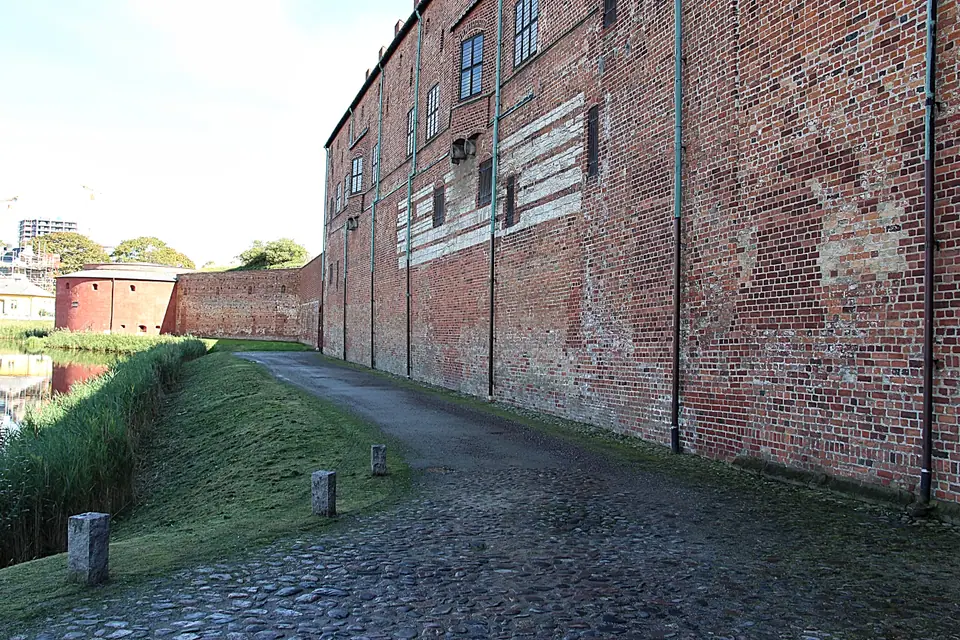
Between 1526 and 1539 (with 5,690 marks paid to Ravensberg in 1530 for four years of building work), masons raised the current rectangular brick main building, dug the deep water-filled moat, and added low circular corner cannon towers and earthen ramparts. During the Count's Feud civil war in the 1530s, the citizens of Malmö briefly demolished parts of the outer walls before King Christian III of Denmark completed the heavy fortifications to keep both foreign fleets and rebellious townspeople in check. In the sixteenth century, Danish crown princes held court here, and Mary, Queen of Scots' third husband, the Earl of Bothwell, was held prisoner inside the castle walls. After Scania passed to Sweden in 1658, the fortress withstood the 1677 Danish siege and later served from the 19th century until 1914 as a state prison before being restored in the 1930s to house the city's museums.
Malmö Museer and the Castle Galleries
Today a single admission ticket covers the exhibitions spread across Slottsholmen and neighbouring Malmöhusvägen. When functionalist museum wings designed to integrate with the historic courtyard opened in 1937, the former prison barracks were cleared away, allowing visitors to circulate between the sixteenth-century royal rooms and purpose-built exhibition halls:
- Malmöhus Castle & Malmö Art Museum: Inside the 16th-century royal apartments and modern museum wings built in 1937, galleries display medieval archaeological finds from Scania, royal history, Nordic art and handicrafts in the Malmö Art Museum (Malmö konstmuseum), natural history dioramas, and a refurbished Tropicarium and aquarium in the basement levels. The art collection holds major works of Nordic painting, Russian art acquired at the 1914 Baltic Exhibition, and southern Swedish decorative arts, alongside Carl Fredrik Hill's drawings and landscapes.
- Technology and Maritime Museum (Teknikens och sjöfartens hus): Directly opposite the castle moat, this museum showcases Scania's aviation, shipping, and industrial past, where visitors can walk through the cramped interior of the Second World War Swedish coastal submarine U3 and view one of the original White Buses (Vita bussarna) used in the spring 1945 Red Cross rescue operation that brought concentration camp survivors to Malmö.
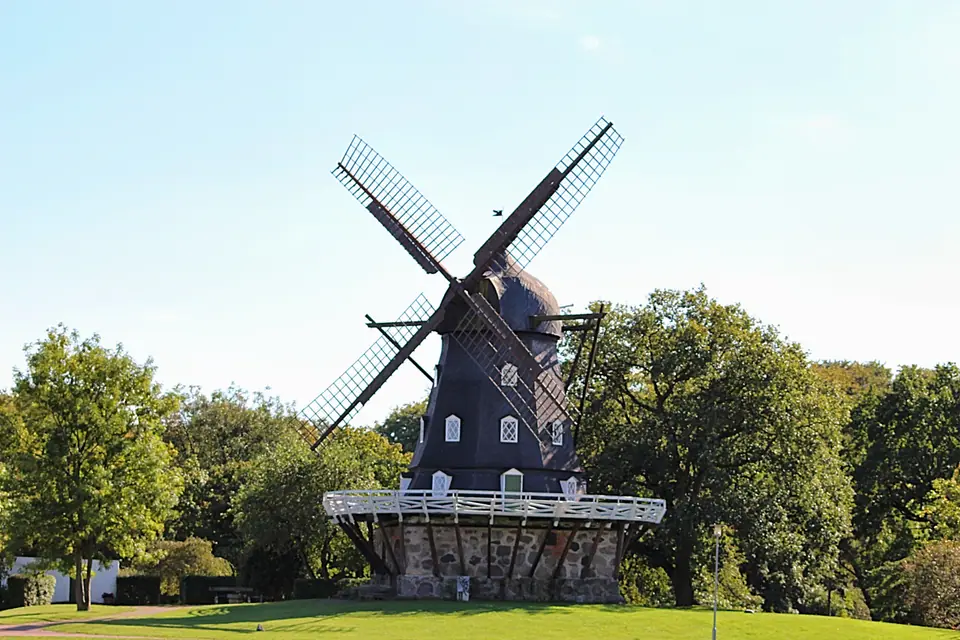
- Kommendanthuset and Slottsmöllan: Beside the castle stand the 18th-century stone Commandant's House and the black-tarred 1851 Dutch smock windmill Slottsmöllan on bastion Capricornus inside Slottsparken. Originally erected as an arsenal for cannons and ammunition, Kommendanthuset now hosts temporary photography and history exhibitions.
Inside the U3 Submarine and the 1945 White Bus
Two historical vehicles at the Technology and Maritime Museum draw particular attention from families and history enthusiasts. Outside the hall rests U3, a coastal submarine built at the Karlskrona naval shipyard during the Second World War; guided by narrow gangways, visitors step down through the hatches to inspect the diesel engines, periscope station, crew bunks, and forward torpedo tubes at close quarters. Inside the museum, a preserved ambulance bus painted stark white with red crosses documents the humanitarian expedition led by Count Folke Bernadotte in the spring of 1945, when thousands of Scandinavian and European prisoners were evacuated from German camps and received medical care in Malmö. Upper floors of the building also feature interactive science experiments, early steam engines, aircraft suspended from the ceiling, and ship models from the Kockums shipyard era, making the pavilion engaging for both adults and younger visitors.
Walking the Castle Bastions and Moat Gardens
Even outside museum opening hours, the outer courtyard of Slottsholmen and the grassy rampart paths above the moat remain open for walking. Following the water's edge around the corner cannon towers connects you directly to the organic flowerbeds and seasonal greenhouse café of Slottsträdgården, where volunteers cultivate vegetables, herbs, and dahlias in the shadow of the black windmill sails. Taking a slow circuit around the outer moat bank also reveals how the brick corner towers were angled to command every approach across the flat coastal ground, while the reed-lined water reflects the red brick walls and steep tiled roof in every season. Because the castle island sits right between the historic streets of Gamla Väster and the seaside lawns of Ribersborg, you can easily combine a morning inside the fortress galleries with an afternoon walk to the coast. From the northern bridge of the castle island, a brief walk brings you to Malmö Saluhall for lunch or northwest into Västra Hamnen, making the fortress a cornerstone of any Malmö sightseeing route and our three-day Malmö itinerary. Few places in southern Sweden illustrate the shift from Danish royal stronghold to modern Swedish cultural centre as vividly as Slottsholmen and its surrounding moat parks, and the combined museum ticket allows you to move between the castle and the maritime exhibits at your own pace throughout the day.
Traveller tips
Real advice from people who have been to Malmöhus Castle & Malmö Museums: Nordic Renaissance Fortress. Every tip is read by our team before it goes live.
No tips yet. Been here? Yours could be the first.
Thank you! Your tip will appear here after a quick review.
More in Malmö
Continue exploring Malmö with related neighbourhood, food, and planning guides
Ribersborg Beach & Kallbadhus: Malmö's 1898 Open-Air Sea Bath
Malmö, Sweden
Moderna Museet, Malmö Konsthall & Malmö Live: Arts & Architecture
Malmö, Sweden
Möllevången & Folkets Park: Open-Air Markets, Jugendstil & Nightlife
Malmö, Sweden
What to Eat in Malmö: Scanian Äggakaka, Spettekaka & Falafel
Malmö, Sweden
