
Marrakech
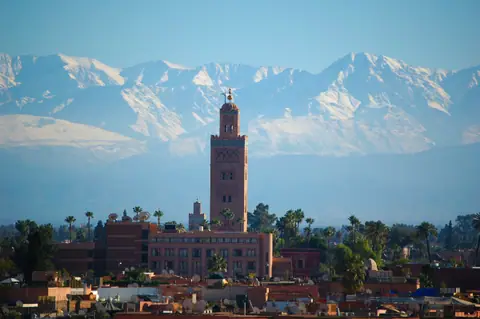
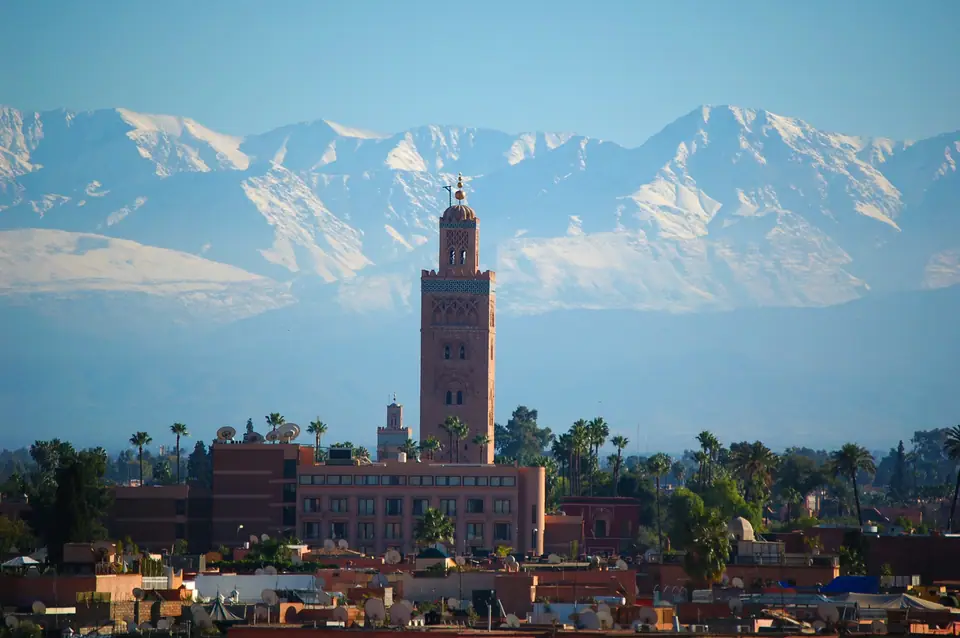
A walled medina of souks and riads, a square that turns into an open-air theatre at dusk, and the High Atlas on the horizon.
Quick decisions
How many days?
3 days: the medina, the palaces, Jardin Majorelle and two evenings on Jemaa el-Fna. 4 to 5 days: add a day in the High Atlas and a slow afternoon in a hammam. 6 days or more: add a night in the mountains or the long drive over the Tizi n'Tichka pass to Aït Benhaddou.
Where should I stay?
The medina: a riad around a courtyard, in the thick of things. Gueliz or Hivernage: modern hotels, wide streets, a taxi ride from the souks. The Palmeraie or Agafay: pools and quiet, well outside town. More in our where to stay guide.
Do I need a car?
No. Cars can't enter most of the medina, and petit taxis are cheap for everything else. For the mountains, a driver or an organised day trip is easier than driving yourself.
Best for
First-timers to North Africa: the obvious starting point. Couples: riad rooftops and hammams. Families: yes, though the souk crowds and motorbikes take patience. Shoppers: rugs, leather, lanterns and ceramics, if you enjoy bargaining.
Before you go
Tickets: Jardin Majorelle sells online only. Dress: cover shoulders and knees in the medina. Ramadan: its dates move earlier each year, so check before you book. Cash: the souks run on dirhams.
Getting around
From the airport: bus 19 to Jemaa el-Fna, or a taxi (agree the fare first). In the city: walking inside the walls, beige petit taxis outside them. Details in our getting there guide.
Continue your trip
Trains run north to Casablanca, Rabat and Fez. The Atlantic town of Essaouira is about three hours west by road, and the desert routes to Ouarzazate and the Dades valley cross the mountains to the south-east.
Overview
Marrakech is loud, crowded and slightly overwhelming for the first few hours, and then it clicks. Inside the red pise walls of the medina, lanes barely wider than a donkey cart run between carved cedar doors, spice stalls and workshops where men hammer brass lanterns by hand. Step through the right door and you're in a riad courtyard with an orange tree and total silence. At dusk the city's great square, Jemaa el-Fna, fills with food stalls, storytellers and musicians.
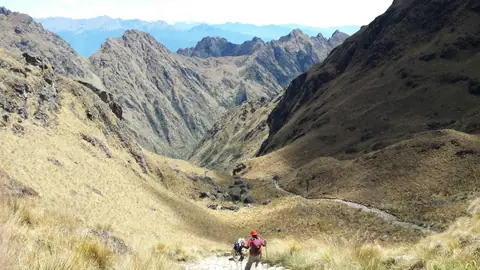
Three or four days is enough for the city itself. Walk the souks in the morning, rest in the heat of the afternoon, and go back out when the light turns gold. Then give a day to the High Atlas, whose snowy peaks you can see from the rooftops in winter. Start with our Marrakech travel guide.
Getting there
Marrakech Menara airport is only a few kilometres south-west of the medina, so the transfer is short. Bus 19 runs to Jemaa el-Fna and the train station, and taxis wait outside arrivals. Trains arrive from Casablanca, Rabat and Tangier. Our getting there guide covers every option.
Where to stay
A riad in the medina is the classic choice: a traditional house turned inward around a courtyard, often with a roof terrace. Gueliz and Hivernage suit anyone who prefers big hotels and quieter streets, and the Palmeraie is for pool days. We compare them in our where to stay guide.
Things to do
Most trips revolve around three things: the souks and monuments of the old city, the square at night, and the mountains. We have full guides to the medina, Jemaa el-Fna and an Atlas Mountains day trip. For palaces, gardens and museums, see our things to do list.
Food and drink
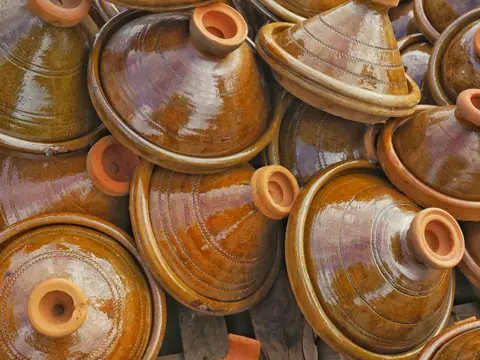
The city's own dish is tanjia, beef or lamb slow-cooked with preserved lemon and cumin in a clay urn buried in the ashes of a hammam furnace. Try it near the spice market. Elsewhere, look for harira (a tomato and lentil soup), msemen (flaky square pancakes) at breakfast, and mint tea poured from a height.
Culture
Marrakech was founded by the Almoravid dynasty around 1070 and gave its name to the whole country for centuries (Morocco comes from it). It is a Muslim city with deep Amazigh (Berber) roots, and you'll hear Darija, the Moroccan Arabic dialect, alongside Tamazight and French. The call to prayer from the Koutoubia minaret sets the rhythm of the day.
In-depth Marrakech guides
Practical guides for planning your visit.
- Marrakech Travel Guide: What to Know Before You Go
- Best Things to Do in Marrakech
- How to Get to Marrakech
- Best Time to Visit Marrakech
- What to Wear in Marrakech
- Marrakech Medina Guide: A Walk Through the Souks
- Jemaa el-Fna Guide: The Square From Morning to Night
- Atlas Mountains Day Trip From Marrakech
- Where to Stay in Marrakech: Riads, Hotels and Areas
- Marrakech 3-Day Itinerary
Reviews
Log in to write a review.
No reviews yet.