


























Chapultepec Park, Chapultepec Castle and the National Museum of Anthropology
Navigating the 686-hectare Bosque de Chapultepec, the imperial halls of hilltop Chapultepec Castle, and the Mexica and Maya galleries of the Anthropology Museum.
Stretching west from the end of Paseo de la Reforma across 686 hectares (more than 1,695 acres) divided into four connected sections, Bosque de Chapultepec (from Nahuatl Chapoltepēc, meaning "at the grasshopper hill") is one of the largest urban parks in the Western Hemisphere. Long before Spanish rule, Mexica rulers retreated to its sacred ahuehuete (Montezuma cypress) groves and channelled fresh spring water from Chapultepec along an aqueduct into Tenochtitlan. Today the First Section alone contains nine museums, two artificial lakes, botanical gardens, and shaded promenades linking Roma and Condesa with Polanco.
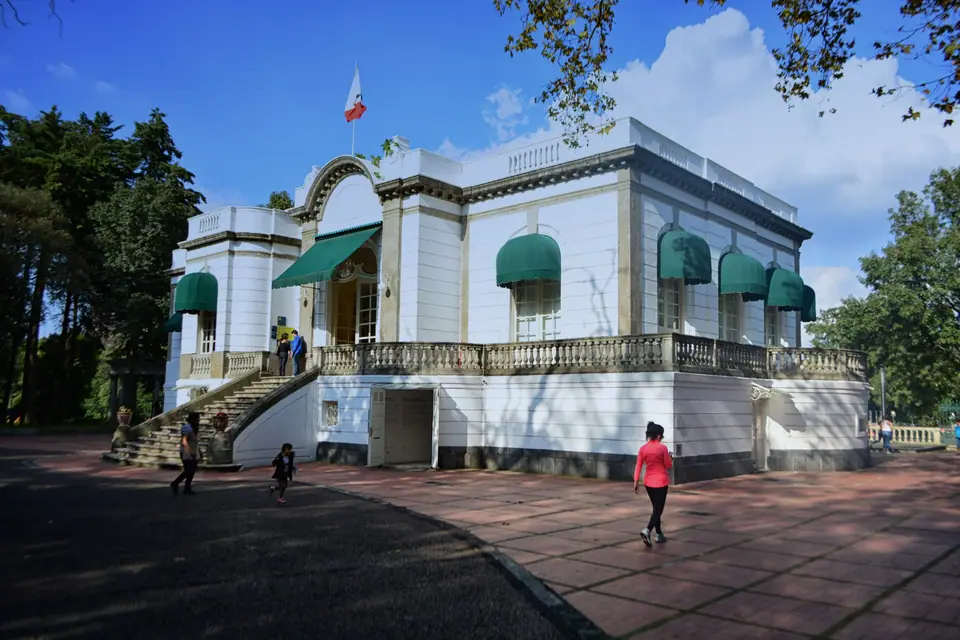
Chapultepec Castle (Museo Nacional de Historia)
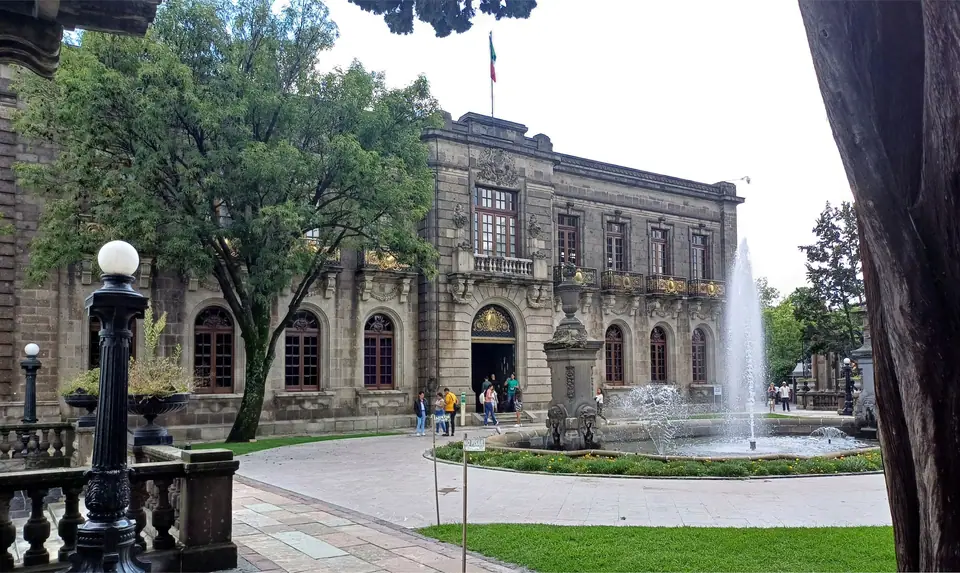
Crowning the rocky volcanic outcrop of Chapultepec Hill at 2,325 metres above sea level, Chapultepec Castle (Castillo de Chapultepec) is the only castle in North America that served as the official residence of reigning monarchs. Begun in 1785 as a country retreat for Spanish Viceroy Bernardo de Gálvez, the building later housed the Military College where six teenage Mexican cadets (the Niños Héroes, commemorated by the six white marble columns at the foot of the hill) died defending the fortress against United States troops on 13 September 1847.
In 1864, Austrian Archduke Maximilian of Habsburg and his Belgian wife Empress Carlota transformed the hilltop fortress into their imperial palace (Castillo de Miravalle) and commissioned the tree-lined boulevard now known as Paseo de la Reforma (originally Paseo de la Emperatriz) to link the castle directly with the Centro Histórico. After serving as the official residence of Mexican presidents from Porfirio Díaz until Lázaro Cárdenas relocated the presidency to Los Pinos in 1939, the castle opened in September 1944 as the National Museum of History. Walk up the paved fifteen-minute hillside ramp to explore the nineteen historical halls of the former military college (complete with murals by David Alfaro Siqueiros, Juan O'Gorman, and José Clemente Orozco) and the upper Alcázar terraces, where period carriages, stained-glass galleries, and hanging gardens overlook the Reforma skyline.
The National Museum of Anthropology (Museo Nacional de Antropología)
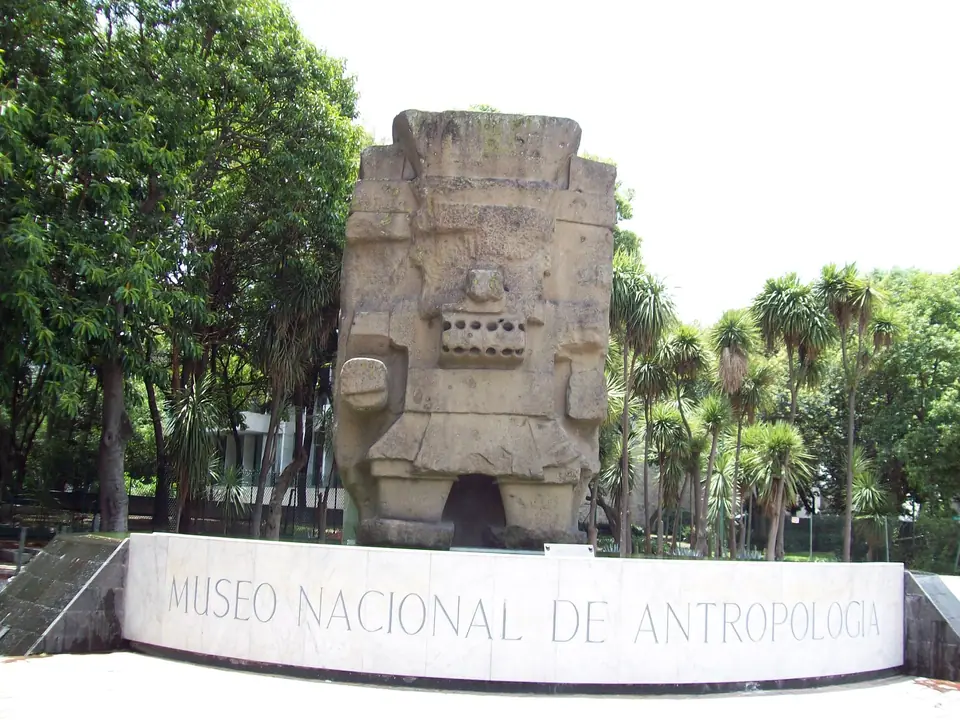
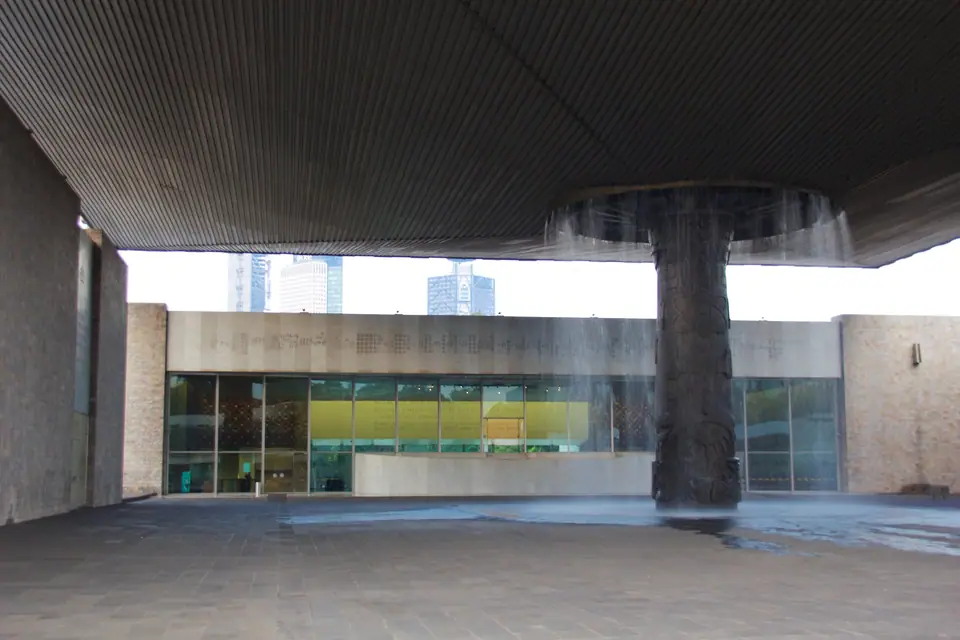
Directly across Paseo de la Reforma in the northern half of the First Section stands the Museo Nacional de Antropología (MNA), designed by architect Pedro Ramírez Vázquez (with Jorge Campuzano and Rafael Mijares) and inaugurated on 17 September 1964. Guarded out on Paseo de la Reforma by the seven-metre, 168-tonne carved stone monolith of the rain god Tlaloc (moved from Coatlinchán in 1964), the museum wraps twenty-two permanent exhibition halls across 79,700 square metres around a vast open rectangle shaded by El Paraguas (The Umbrella), a monumental cantilevered roof supported by a single bronze-clad column carved by José and Tomás Chávez Morado that sends a curtain of water cascading into the courtyard below.
Ground-floor halls trace the archaeology of Mesoamerica in chronological and geographical sequence, while upper-floor halls present the ethnography of contemporary Indigenous peoples of Mexico. If you have two to three hours, prioritise these four ground-floor galleries:
- Mexica (Aztec) Hall (Hall 6): Situated at the central axis opposite the entrance, housing the twenty-four-tonne basalt Aztec Sun Stone (Piedra del Sol) (3.58 metres in diameter, discovered under the Zócalo on 17 December 1790), the towering serpent-skirted statue of earth goddess Coatlicue, the Stone of Tizoc, and a scale reconstruction of the sacred precinct of Tenochtitlan.
- Teotihuacan Hall (Hall 4): Essential preparation before a Teotihuacan pyramids day trip, featuring a full-scale painted polychrome reproduction of the Temple of the Feathered Serpent facade and original fresco murals.
- Oaxaca and Gulf Coast Halls (Halls 8 and 9): Showcasing the jade bat mask of Monte Albán alongside colossal basalt Olmec heads from San Lorenzo and La Venta.
- Maya Hall (Hall 10): Featuring the recreated burial chamber and jade funerary mask of King K'inich Janaab' Pakal from the Temple of the Inscriptions at Palenque alongside lintels from Yaxchilán and step-reconstructions of Bonampak murals inside the garden.
Visiting Rules, Other Park Museums and Transport
Both Chapultepec Castle and the National Museum of Anthropology close every Monday (and become very crowded on Sundays when admission is free for Mexican citizens and residents). Large backpacks must be checked at the free cloakroom, and tripod or flash photography is prohibited inside the galleries. Elsewhere in the First Section, you can visit the Rufino Tamayo Museum, the Museum of Modern Art (Museo de Arte Moderno), the Audiorama quiet reading hollow behind the castle hill, and the Cencalli corn museum at Complejo Cultural Los Pinos, or ride Metro Line 1 (Chapultepec), Line 7 (Auditorio), Metrobús Line 7, or Cablebús Line 3.
Traveller tips
Real advice from people who have been to Chapultepec Park, Chapultepec Castle and the National Museum of Anthropology. Every tip is read by our team before it goes live.
No tips yet. Been here? Yours could be the first.
Thank you! Your tip will appear here after a quick review.
More in Mexico City
Continue exploring Mexico City with related neighbourhood, food, and planning guides
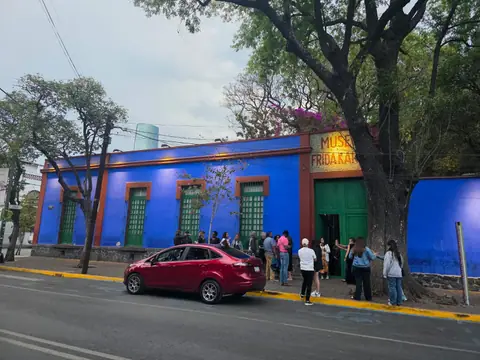
Coyoacán, Frida Kahlo Museum (La Casa Azul) and San Ángel Guide
Mexico City, Mexico
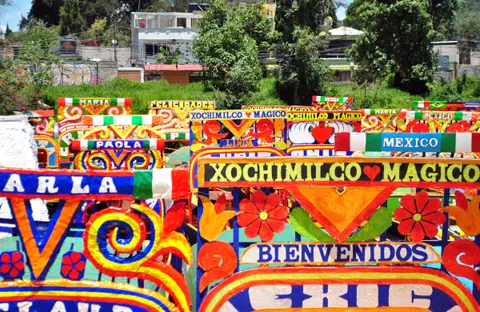
Xochimilco Floating Gardens: Chinampas, Trajineras, Embarcaderos and Canal Fares
Mexico City, Mexico
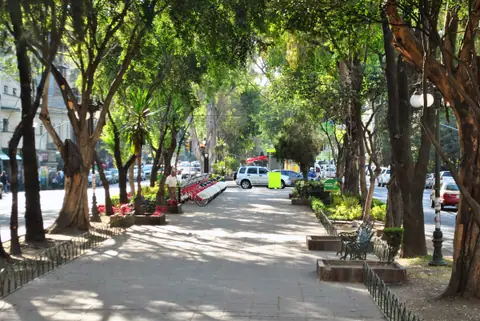
Roma Norte and Condesa Guide: Art Deco Parks, Porfirian Plazas and Café Streets
Mexico City, Mexico
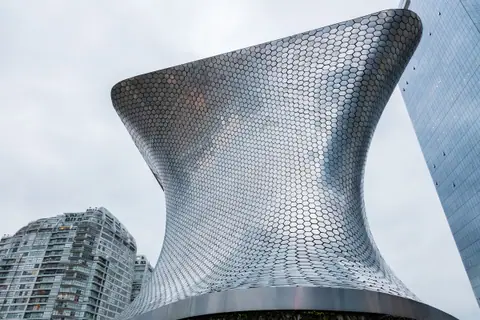
Polanco, Museo Soumaya and Museo Jumex Guide: Architecture, Galleries and Parks
Mexico City, Mexico
