


























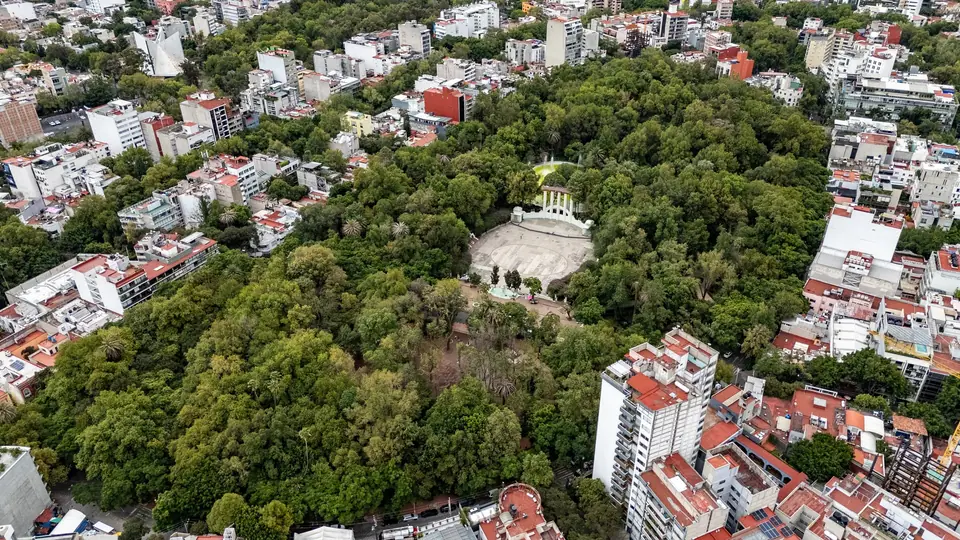
Where to Stay in Mexico City: Comparing Roma Norte, Condesa, Reforma, Polanco and Centro
How to choose the right neighbourhood base in CDMX by walking character, Metro and Metrobús links, dining access, and museum proximity.
Because Greater Mexico City stretches across an immense highland valley where cross-town car journeys can double in duration during weekday rush hours, where you sleep shapes the rhythm of your trip. Virtually all visitors do best staying within the central east-to-west corridor running from the Centro Histórico through Paseo de la Reforma, Roma Norte, and Condesa to Polanco, where tree-lined streets connect directly with the Mexico City Metro, Metrobús, and Ecobici bike-share.
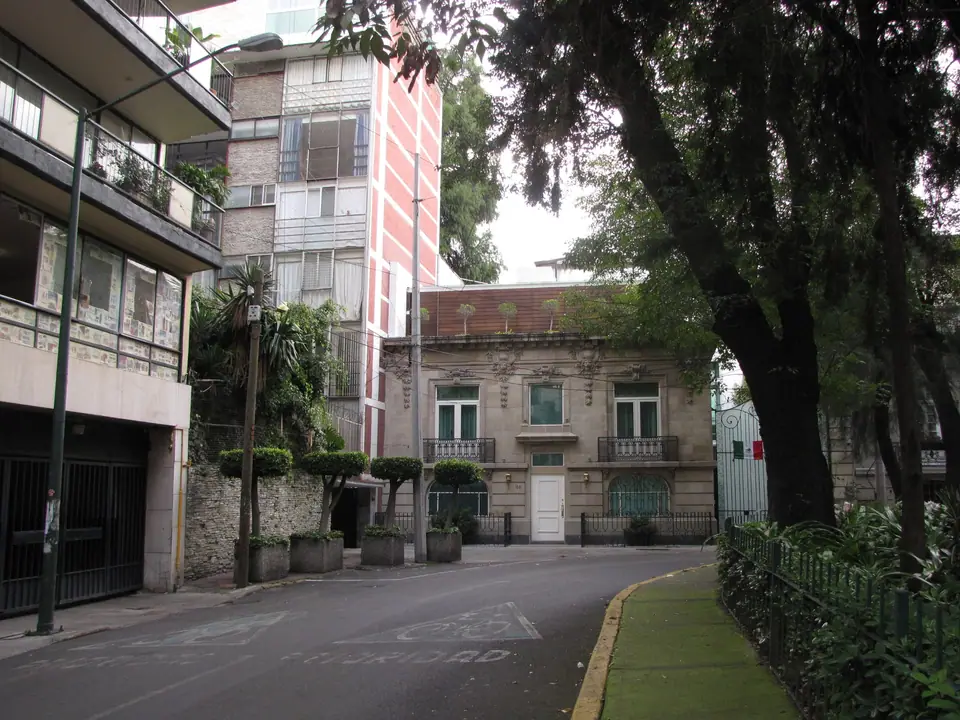
Roma Norte: Best for First-Timers, Cafés and Central Transit
Developed at the turn of the twentieth century under President Porfirio Díaz as an upper-class Porfirian suburb modelled on Parisian boulevards, Colonia Roma Norte combines Belle Époque townhouses, Art Nouveau facades, and shaded plazas such as Plaza Río de Janeiro and Plaza Luis Cabrera. Staying here puts you within walking distance of specialty coffee roasters, panaderías, contemporary bistros, and late-night taquerías featured in the Mexico City food guide, while Metrobús Line 1 along Avenida Insurgentes and Metro Line 1 along Avenida Chapultepec connect easily to both the Zócalo and Chapultepec Park.
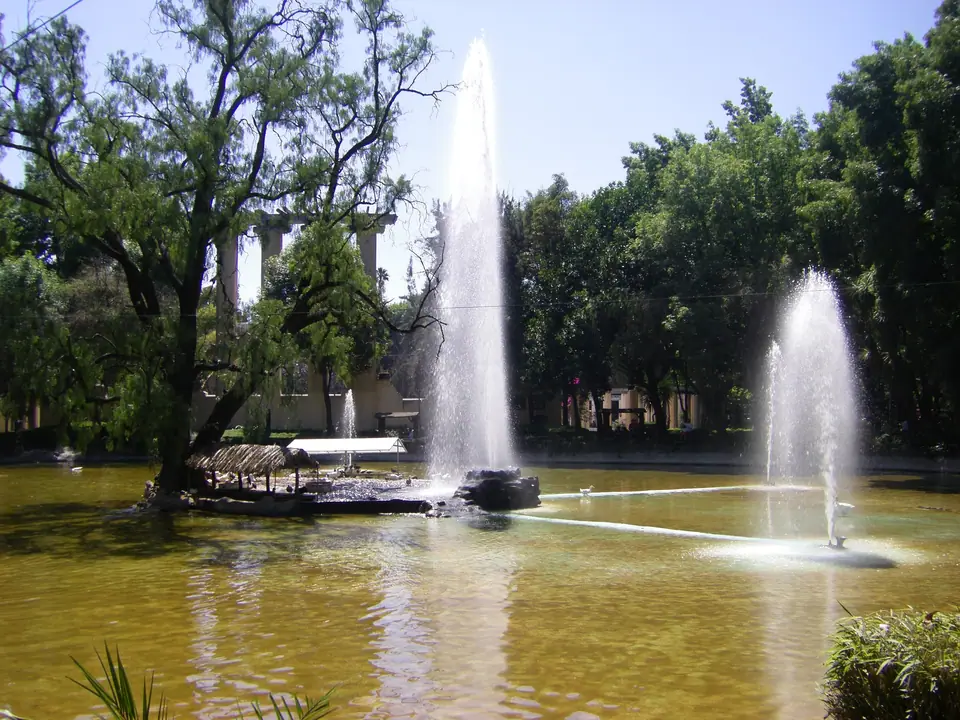
Condesa (Hipódromo): Best for Leafy Parks and Quiet Strolls
Immediately west of Avenida Insurgentes, the adjoining colonias of Condesa, Hipódromo, and Hipódromo Condesa trace the oval footprint of the early twentieth-century Jockey Club racecourse, converted in the 1920s into Parque México and the circular pedestrian median of Avenida Ámsterdam. Low-rise 1930s Art Deco apartment buildings and small design hotels face ficus-shaded footpaths where locals walk dogs and cycle on Ecobici bikes. Condesa is slightly quieter and greener than Roma Norte, lies a fifteen-minute walk south-east of Bosque de Chapultepec, and suits travellers who prioritise calm morning walks.
Paseo de la Reforma (Juárez and Cuauhtémoc): Best for Sightseeing Efficiency
Flanking the grand avenue between the Angel of Independence and the Diana the Huntress fountain, Colonia Juárez (to the south) and Colonia Cuauhtémoc (to the north) house international high-rise hotels alongside quieter side streets such as Calle Río Lerma and Plaza Río Grijalva. Double-decker Metrobús Line 7 buses run the length of Reforma between Campo Marte (past the National Museum of Anthropology) and the historic centre, and every Sunday morning the Muévete en Bici programme closes Reforma to motor traffic for cyclists, runners, and skaters.
Polanco, Centro Histórico and Coyoacán Compared
- Polanco: Located immediately north of Chapultepec Park around Parque Lincoln and Avenida Presidente Masaryk, Polanco is the capital's most affluent district, home to embassies, luxury international hotels, Museo Soumaya and Museo Jumex, and internationally acclaimed fine-dining restaurants. Note that Polanco sits slightly further from the Zócalo and southern boroughs, requiring Metro Line 7 (Polanco or Auditorio stations) or longer ride-hailing trips.
- Centro Histórico: Staying within two or three blocks of the Zócalo, Calle Francisco I. Madero, or Alameda Central places you right beside the Metropolitan Cathedral, Templo Mayor, and Palacio de Bellas Artes. Stick to the western and central pedestrian streets between the Zócalo and Alameda Central, as commercial market streets further east and north empty out rapidly after shops close in the evening.
- Coyoacán: If this is a repeat visit focused on southern museums and UNAM, boutique guesthouses near Jardín Centenario in Coyoacán offer a tranquil village atmosphere, though you will spend thirty to forty-five minutes commuting north to Reforma sights.
Practical Hotel Booking Advice for Mexico City
Because daytime highs reach 26 °C to 27.5 °C in April and May while winter nights in December and January dip to 8.5 °C, check whether older boutique guesthouses in Roma, Condesa, or Coyoacán provide both heating and air conditioning, and request a courtyard-facing room if your hotel sits on a busy night-life street such as Avenida Álvaro Obregón or Avenida Tamaulipas.
Traveller tips
Real advice from people who have been to Where to Stay in Mexico City: Comparing Roma Norte, Condesa, Reforma, Polanco and Centro. Every tip is read by our team before it goes live.
No tips yet. Been here? Yours could be the first.
Thank you! Your tip will appear here after a quick review.
More in Mexico City
Continue exploring Mexico City with related neighbourhood, food, and planning guides
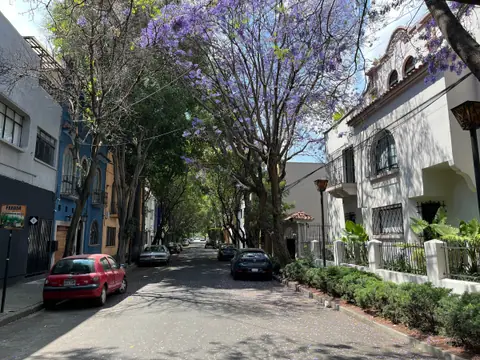
Best Time to Visit Mexico City: Subtropical Highland Climate, Jacarandas and Festivals
Mexico City, Mexico
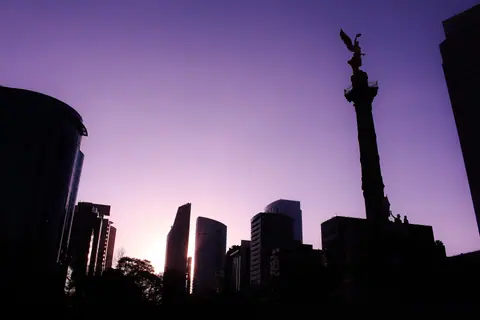
3 Days in Mexico City Itinerary: Centro, Chapultepec, Roma, Coyoacán and Xochimilco
Mexico City, Mexico

What to Eat in Mexico City: Tacos al Pastor, Chilaquiles, Pozole, Tlacoyos and Churros
Mexico City, Mexico
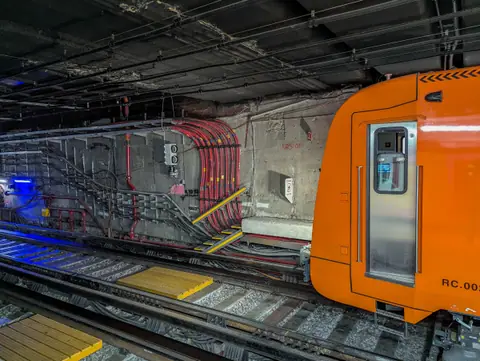
Getting Around Mexico City: Metro, Metrobús, Tarjeta MI, Ecobici and Cablebús
Mexico City, Mexico
