


























Best Time to Visit Mexico City: Subtropical Highland Climate, Jacarandas and Festivals
Why the 2,240-metre altitude keeps daytime highs mild year-round, when purple jacarandas bloom, how summer afternoon rains work, and Día de Muertos dates.
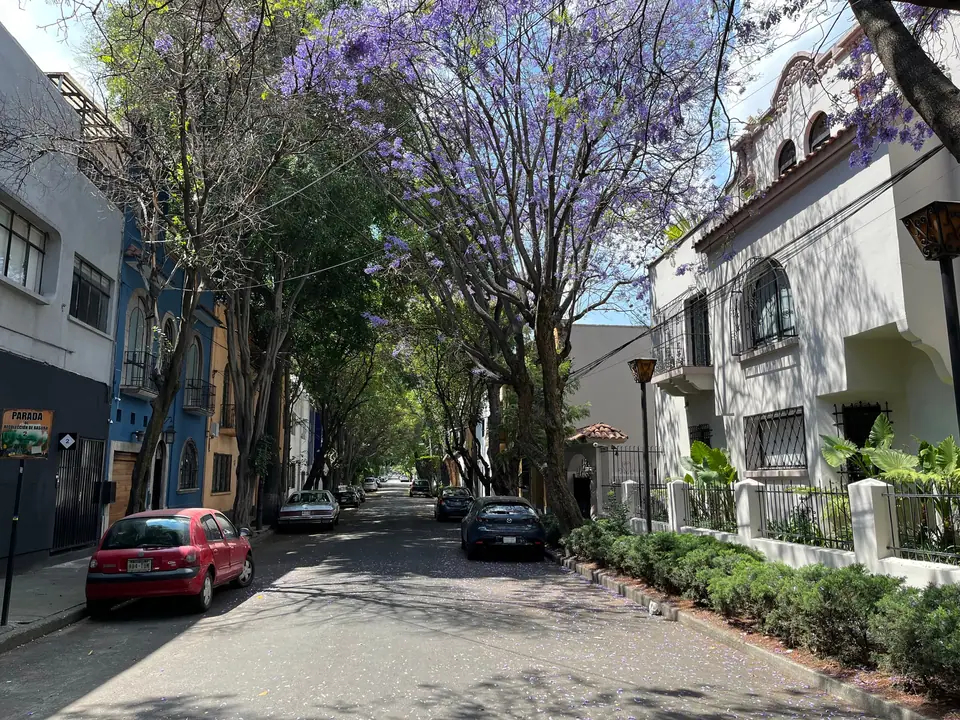
Because Mexico City sits in a subtropical highland basin at 2,240 metres (7,350 feet) above sea level (Köppen classification Cwb), it experiences neither tropical coastal heat nor freezing winter snow. According to Servicio Meteorológico Nacional (SMN) 1991 to 2020 climate normals recorded at the historic Tacubaya Observatory, average afternoon highs stay within a narrow band between 22.4 °C in December and January and 27.5 °C in April. Instead of four European-style temperature seasons, the calendar divides cleanly into a dry season from November to April and a wet season from May to October.
Spring (March to May): Jacaranda Blossoms and Warmest Afternoons
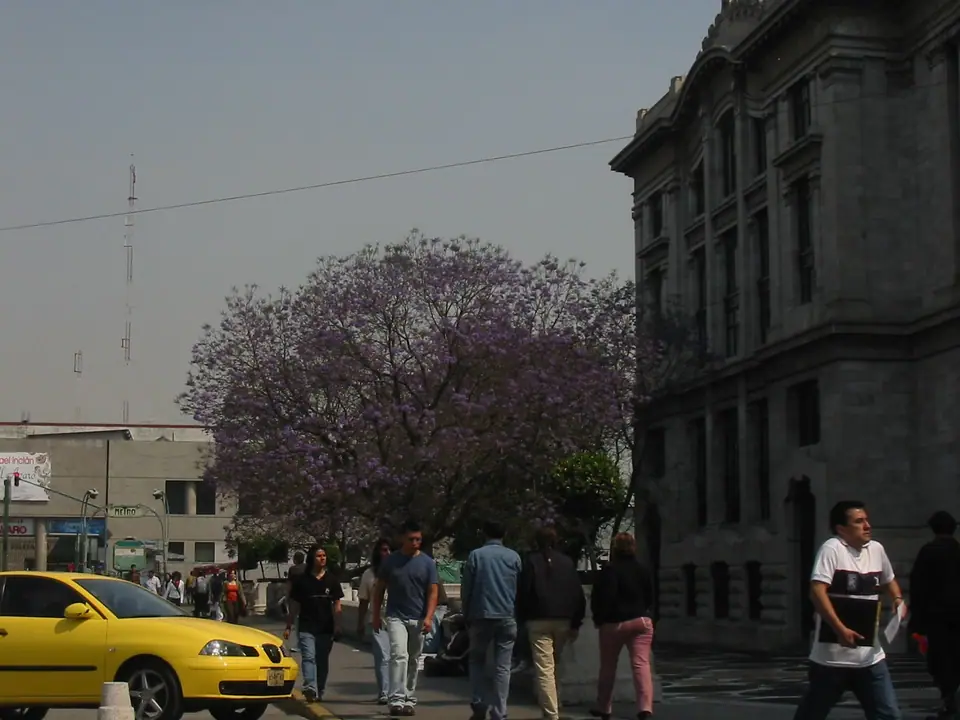
Late February through April brings the capital's signature visual transformation, when thousands of Jacaranda mimosifolia trees burst into violet-purple canopy along Roma Norte and Condesa, Paseo de la Reforma, Alameda Central, and Polanco. The trees were popularised in the early twentieth century by Japanese landscape gardener Tatsugoro Matsumoto and his son Sanshiro Matsumoto, who advised President Pascual Ortiz Rubio that purple jacarandas would thrive far better in Mexico City's mild spring climate than short-lived cherry blossoms.
April and May are the warmest months of the year, with mean daily highs of 27.5 °C and 27.2 °C and overnight lows around 13.1 °C to 13.7 °C. Early mornings remain crisp and sunny, making spring ideal for open-air climbs on a Teotihuacan pyramids day trip before late-May afternoon showers begin.
Rainy Season (June to September): Sunny Mornings and Afternoon Downpours
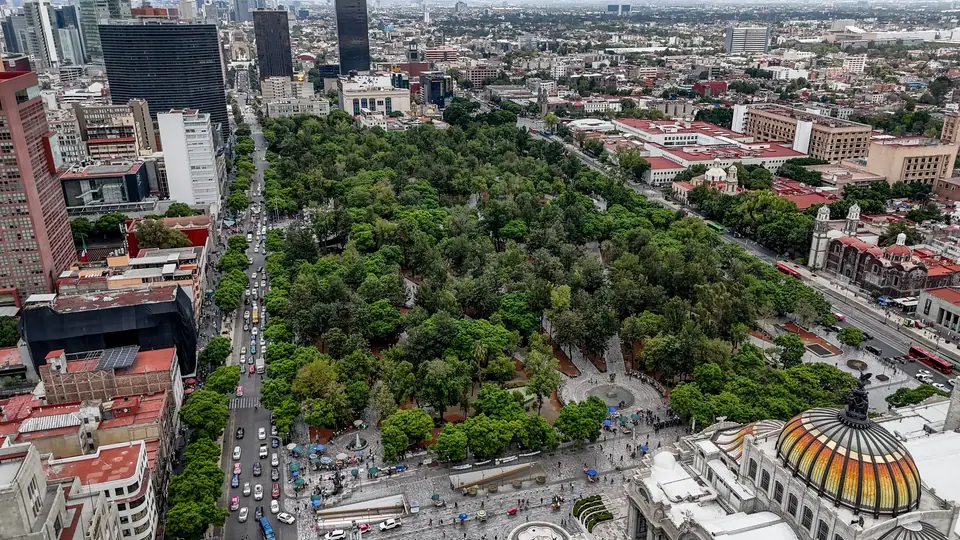
Nearly eighty per cent of Mexico City's 846.9 mm of annual rainfall falls between June and September. July (174 mm across 21.8 wet days) and August (176 mm across 20.8 wet days) are the wettest months, followed closely by September (158 mm) and June (133 mm). Crucially for sightseeing, the rainy season rarely brings all-day grey drizzle. Mornings typically dawn bright and clear with highs of 23.7 °C to 25.8 °C, before convective clouds build over the surrounding volcanic ridges and release heavy showers or thunderstorms in the mid-to-late afternoon.
If you visit in summer, schedule outdoor walks in Chapultepec Park, Xochimilco, or the Zócalo in the morning, and step inside major museums such as the National Museum of Anthropology, Museo Soumaya, or Palacio de Bellas Artes when afternoon rain arrives. The rain also scrubs dust from the basin and turns the chinampa canals and parks vivid green. On 15 and 16 September, Mexican Independence Day celebrations fill the Zócalo for the presidential Grito de Dolores.
Autumn and Winter (October to February): Día de Muertos and Crisp Dry Days
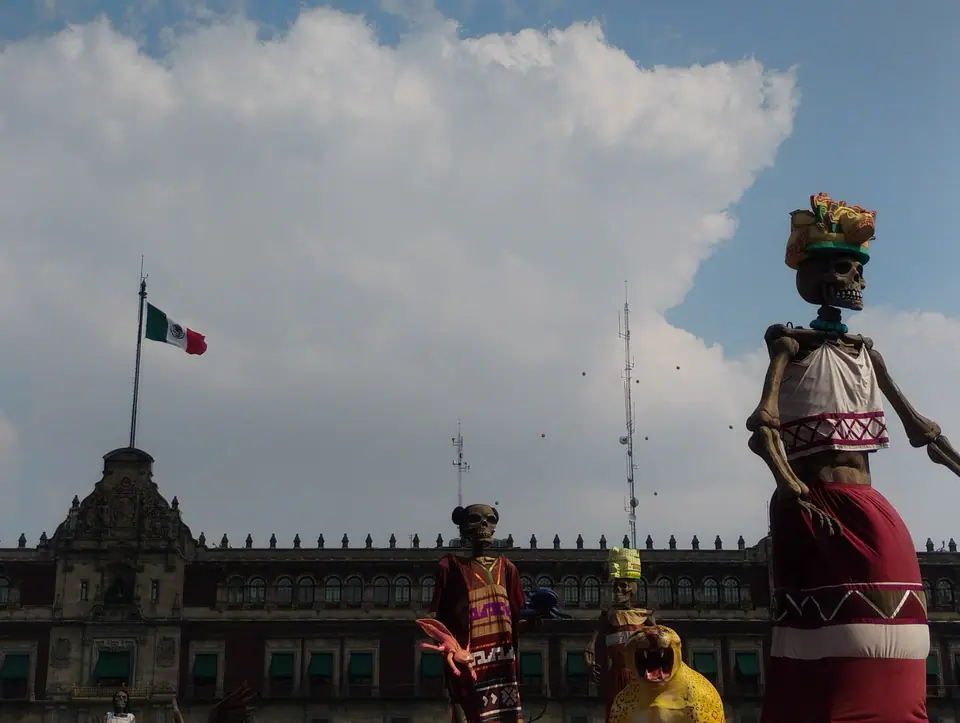
Rain tapers off through October (71 mm across 10.1 wet days), ushering in the most sought-after cultural weeks on the calendar. Between late October and 2 November, orange cempasúchil (Mexican marigold) petals line Paseo de la Reforma, monumental ofrendas (altars) fill the Zócalo and Coyoacán, and the Grand Día de Muertos Parade marches from Chapultepec to the historic centre alongside the Mexico City Formula 1 Grand Prix at Autódromo Hermanos Rodríguez. Book hotels in the where to stay in Mexico City guide several months ahead for late October.
From November through February, rainfall drops to between 5 mm and 17 mm per month (with December averaging just 1.2 wet days). Afternoons stay comfortably mild at 22.4 °C to 24.3 °C under bright highland sun, but clear skies allow heat to escape rapidly after sunset, dropping overnight lows to 8.5 °C in December and January; pack a warm sweater or light down jacket for mornings and evenings.
Traveller tips
Real advice from people who have been to Best Time to Visit Mexico City: Subtropical Highland Climate, Jacarandas and Festivals. Every tip is read by our team before it goes live.
No tips yet. Been here? Yours could be the first.
Thank you! Your tip will appear here after a quick review.
More in Mexico City
Continue exploring Mexico City with related neighbourhood, food, and planning guides
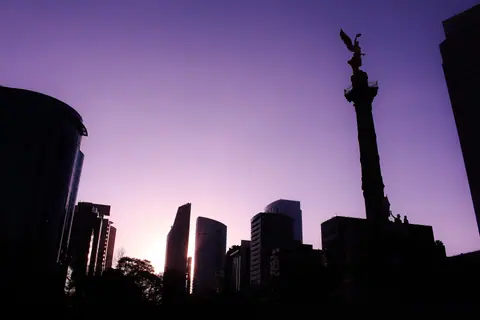
3 Days in Mexico City Itinerary: Centro, Chapultepec, Roma, Coyoacán and Xochimilco
Mexico City, Mexico
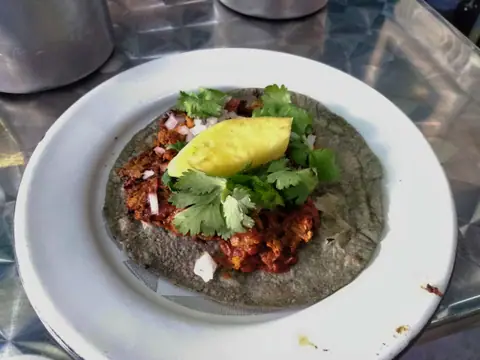
What to Eat in Mexico City: Tacos al Pastor, Chilaquiles, Pozole, Tlacoyos and Churros
Mexico City, Mexico
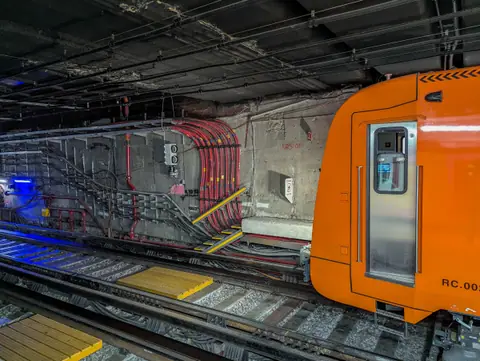
Getting Around Mexico City: Metro, Metrobús, Tarjeta MI, Ecobici and Cablebús
Mexico City, Mexico
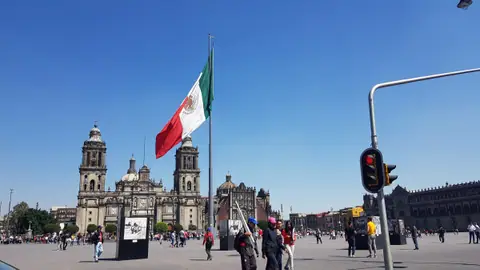
Zócalo and Centro Histórico: Tenochtitlan's Templo Mayor, Cathedral and Palaces
Mexico City, Mexico
