


























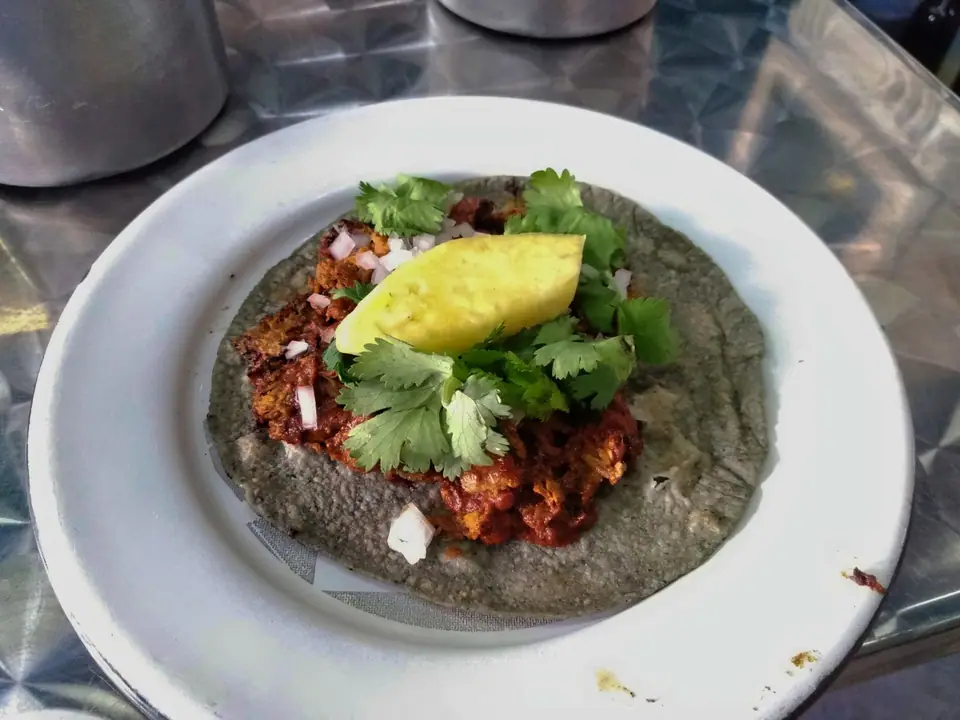
What to Eat in Mexico City: Tacos al Pastor, Chilaquiles, Pozole, Tlacoyos and Churros
Essential dishes of the Mexican capital, from spit-roasted tacos al pastor and blue-corn tlacoyos to morning chilaquiles, pozole rojo, and crisp churros.
In 2010, UNESCO inscribed Traditional Mexican Cuisine on the Representative List of the Intangible Cultural Heritage of Humanity, recognising the ancient agricultural triad of nixtamalised maize (corn), beans, and chillies alongside indigenous cooking tools such as the volcanic-stone metate and flat clay or iron comal griddle. Nowhere do those regional traditions converge more richly than in Mexico City, where street stalls, neighbourhood mercados (such as Mercado de San Juan in the Centro Histórico, Mercado de Medellín in Roma, and Mercado de Coyoacán), and daytime fondas serve dishes cooked to order from dawn until past midnight.
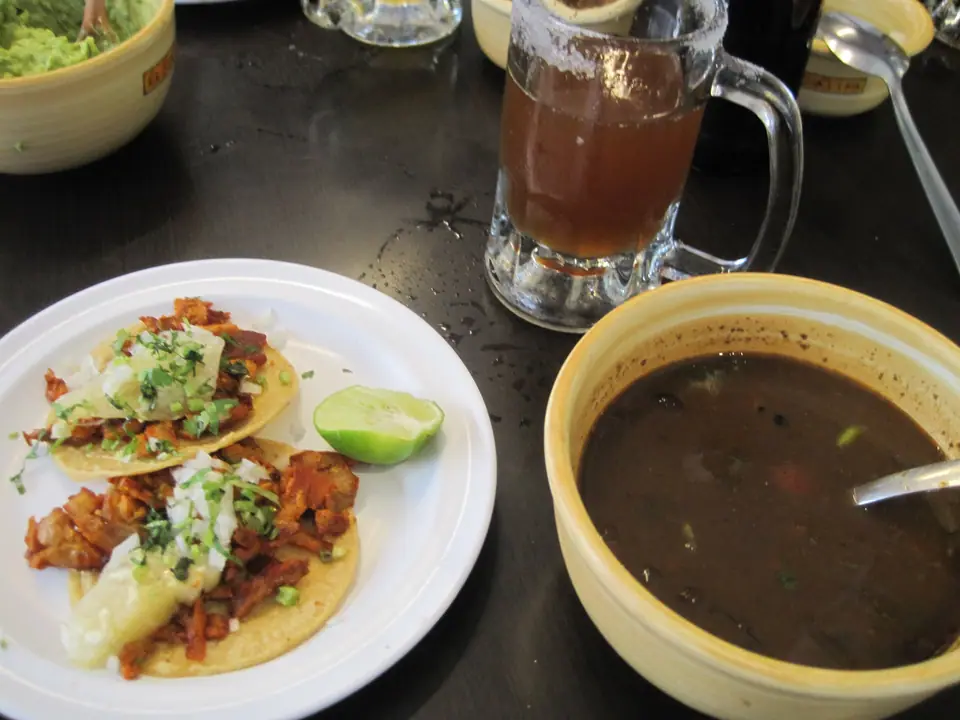
Tacos al Pastor and Taquería Counter Culture
The signature night-time dish of the capital is the taco al pastor (shepherd-style taco), descended from the vertical lamb shawarma spits introduced to central Mexico by Lebanese Christian immigrants in the early twentieth century. Taqueros replace lamb with thin slices of pork shoulder marinated in dried guajillo and ancho chillies, achiote (annatto seed), vinegar, garlic, oregano, and cumin, stacked onto a vertical gas-fired spit called a trompo (spinning top) crowned with a peeled fresh pineapple and onion. As the outer edges crisp, the taquero shaves charred ribbons of pork directly onto small, warm corn tortillas, flicks a wedge of roasted pineapple from the top of the trompo into the tortilla with a flick of the knife, and garnishes each taco with finely chopped white onion, fresh coriander, a squeeze of key lime, and red or green salsa.
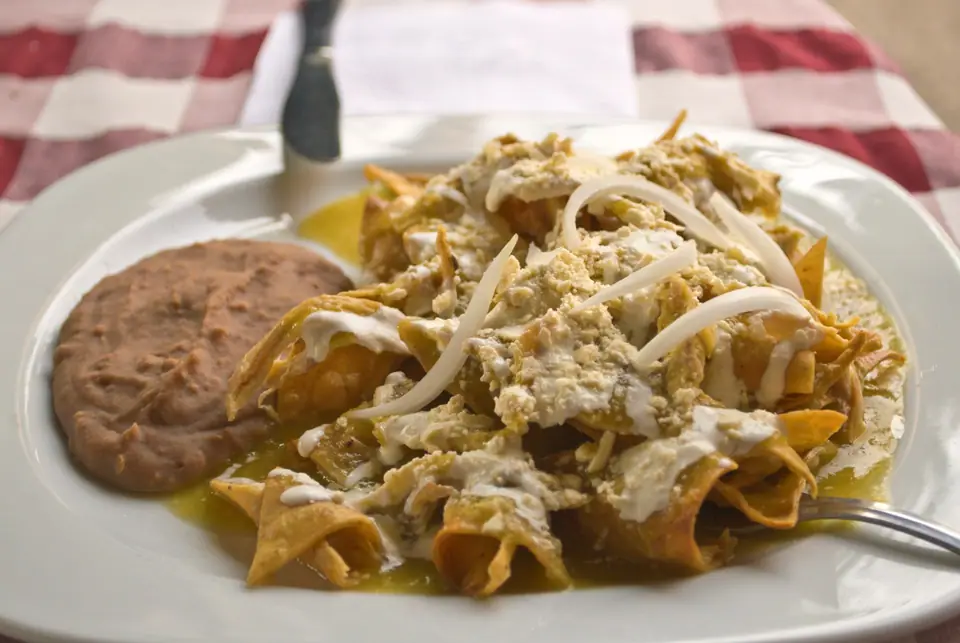
Chilaquiles Verdes and Morning Tamales
Breakfast in Mexico City centres on two corn classics. Chilaquiles (a name derived from the Nahuatl chīlāquilitl, meaning herbs or greens in chilli broth) consist of quartered corn tortillas lightly fried into crisp totopos, simmered briefly in tangy green tomatillo-serrano salsa (chilaquiles verdes) or smoky red guajillo-tomato salsa (chilaquiles rojos), and plated with Mexican crema, crumbled queso fresco or Cotija cheese, raw onion rings, refried beans (frijoles), and a fried egg or shredded chicken. At street corners outside Metro stations each morning, vendors also ladle steaming tamales (nixtamalised corn masa steamed inside corn husks or banana leaves with green salsa and pork, mole, sweet pink raisins, or rajas with cheese) alongside mugs of warm corn-masa atole, or tuck a whole tamale inside a crusty bolillo roll to make a guajolota.
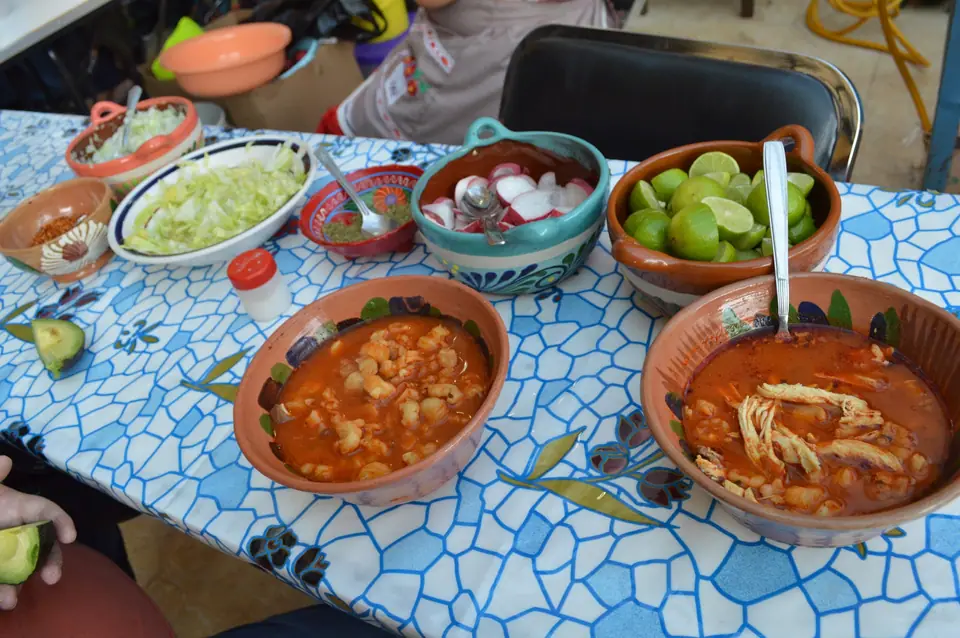
Pozole Rojo
Simmered in deep clay pots at specialized pozolerías across the city, pozole (from the Nahuatl pozolli) is a hearty broth built on large-kernel white cacahuazintle hominy corn that bursts open like a flower during nixtamalisation and slow boiling. Served as red (rojo, seasoned with guajillo and ancho chillies), white (blanco), or green (verde, with pumpkin seeds and tomatillos in Guerrero style), the soup comes with pork or chicken and a platter of crisp garnishes: shredded lettuce, sliced radishes, diced onion, dried oregano, chilli powder, lime, and crisp tostadas coated with sour cream.
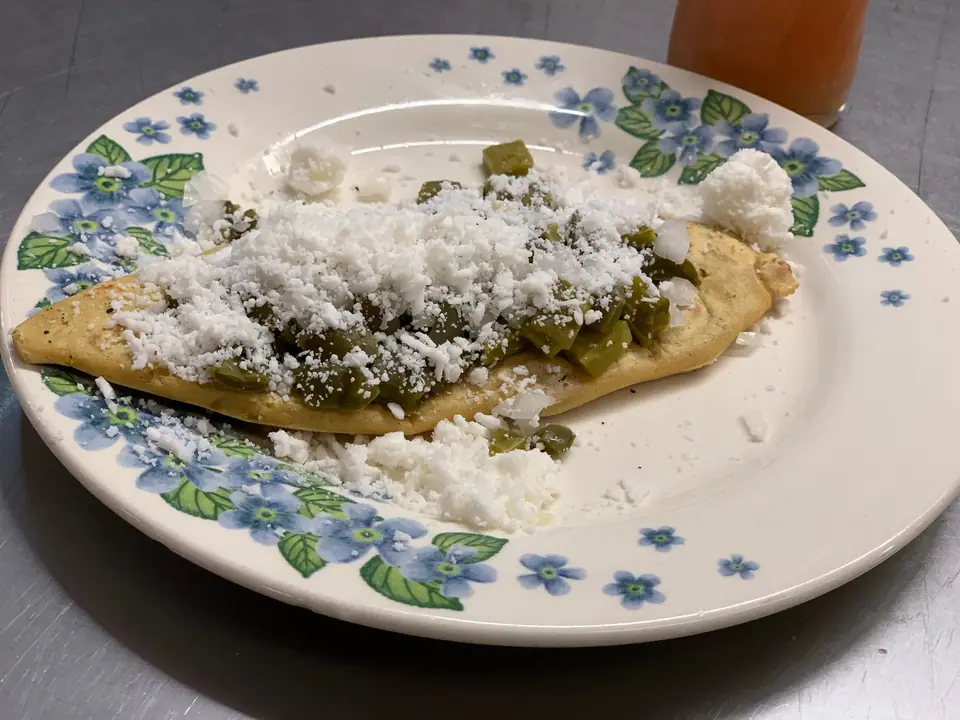
Pre-Hispanic Blue-Corn Tlacoyos on the Comal
Long before the Spanish conquest, Mexica market women sold tlacoyos (from Nahuatl tlahtlaōyoh) in the markets of Tlatelolco and Tenochtitlan. Still pressed by hand on street corners from Coyoacán to Chapultepec, a tlacoyo is a thick, torpedo-shaped patty of blue or white nixtamalised corn masa stuffed before cooking with mashed black or fava beans (haba), requesón curd cheese, or chicharrón prensado, blistered dry on a hot comal without oil, and topped with diced boiled nopales (prickly-pear cactus paddles), onion, coriander, queso fresco, and fiery salsa.
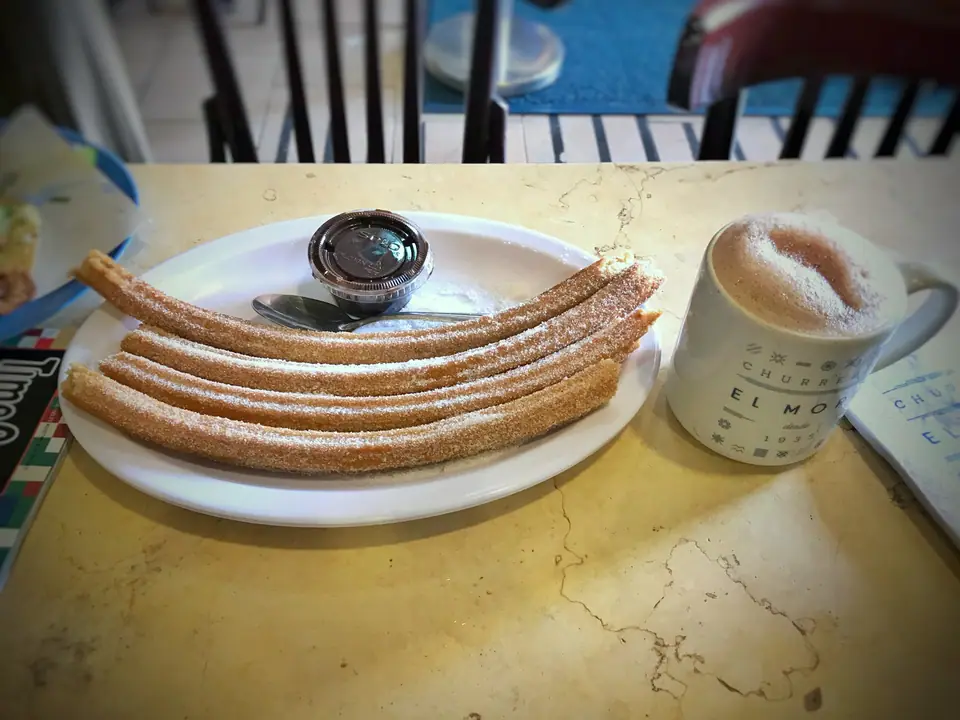
Churros and Mexican Hot Chocolate
On cool highland evenings, join the queue at a traditional churrería (most famously Churrería El Moro, founded on Eje Central Lázaro Cárdenas near Palacio de Bellas Artes in 1935 by Spanish immigrant Francisco Iriarte). Long spirals of choux-style dough are piped into bubbling oil, cut into ridged sticks, tossed in caster sugar and ground cinnamon, and served with thick cups of spiced Mexican, French, or Spanish-style hot chocolate for dipping.
Traveller tips
Real advice from people who have been to What to Eat in Mexico City: Tacos al Pastor, Chilaquiles, Pozole, Tlacoyos and Churros. Every tip is read by our team before it goes live.
No tips yet. Been here? Yours could be the first.
Thank you! Your tip will appear here after a quick review.
More in Mexico City
Continue exploring Mexico City with related neighbourhood, food, and planning guides
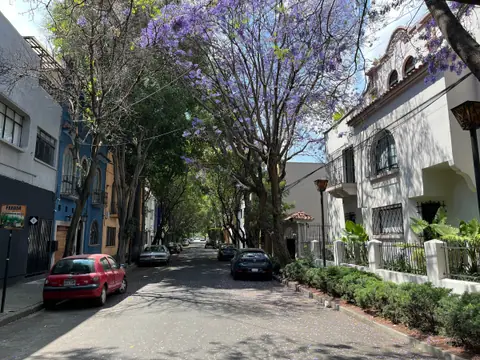
Best Time to Visit Mexico City: Subtropical Highland Climate, Jacarandas and Festivals
Mexico City, Mexico
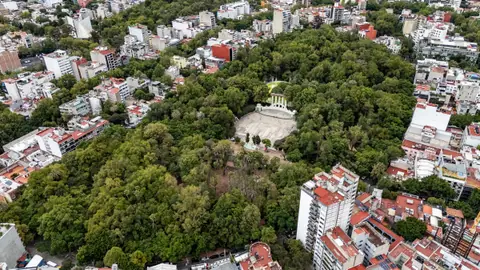
Where to Stay in Mexico City: Comparing Roma Norte, Condesa, Reforma, Polanco and Centro
Mexico City, Mexico

3 Days in Mexico City Itinerary: Centro, Chapultepec, Roma, Coyoacán and Xochimilco
Mexico City, Mexico

Getting Around Mexico City: Metro, Metrobús, Tarjeta MI, Ecobici and Cablebús
Mexico City, Mexico
