


























Mexico City: High-Altitude Basin, Boroughs and Planning Essentials
How the 2,240-metre Valley of Mexico is organised across sixteen boroughs, how to pace your first day at altitude, and practical essentials for visiting CDMX.
Mexico City (officially Ciudad de México, abbreviated CDMX) sits in the endorheic Valley of Mexico (Anáhuac) at an average elevation of 2,240 metres (7,350 feet) above sea level. Founded by the Mexica on 13 March 1325 as Mexico-Tenochtitlan on an island in the western waters of Lake Texcoco, the city was conquered by Hernán Cortés and his Indigenous allies on 13 August 1521 after a siege that levelled the ceremonial precinct, and rebuilt as the capital of New Spain. According to the 2020 national census, the city proper is home to 9,209,944 residents across 1,485 square kilometres, while the wider Greater Mexico City metropolitan area encompasses more than twenty-one million inhabitants.
How the Sixteen Boroughs and Main Corridors Fit Together
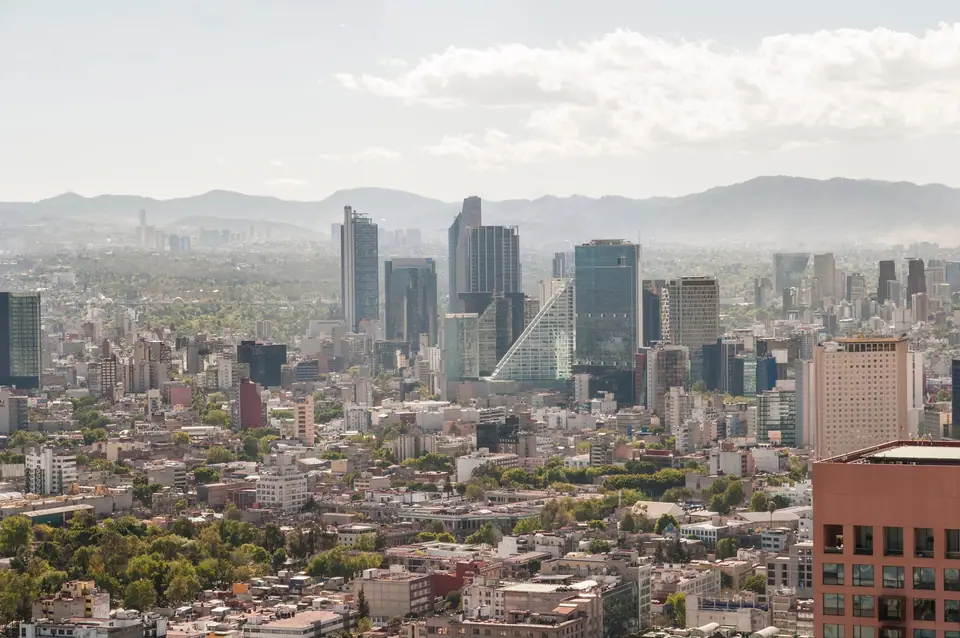
Since the 2016 constitutional reform that elevated the former Federal District (Distrito Federal) to an autonomous federal entity, Mexico City has been divided into sixteen alcaldías (boroughs) and hundreds of smaller colonias (neighbourhoods). Almost every first-time itinerary concentrates on four connected boroughs:
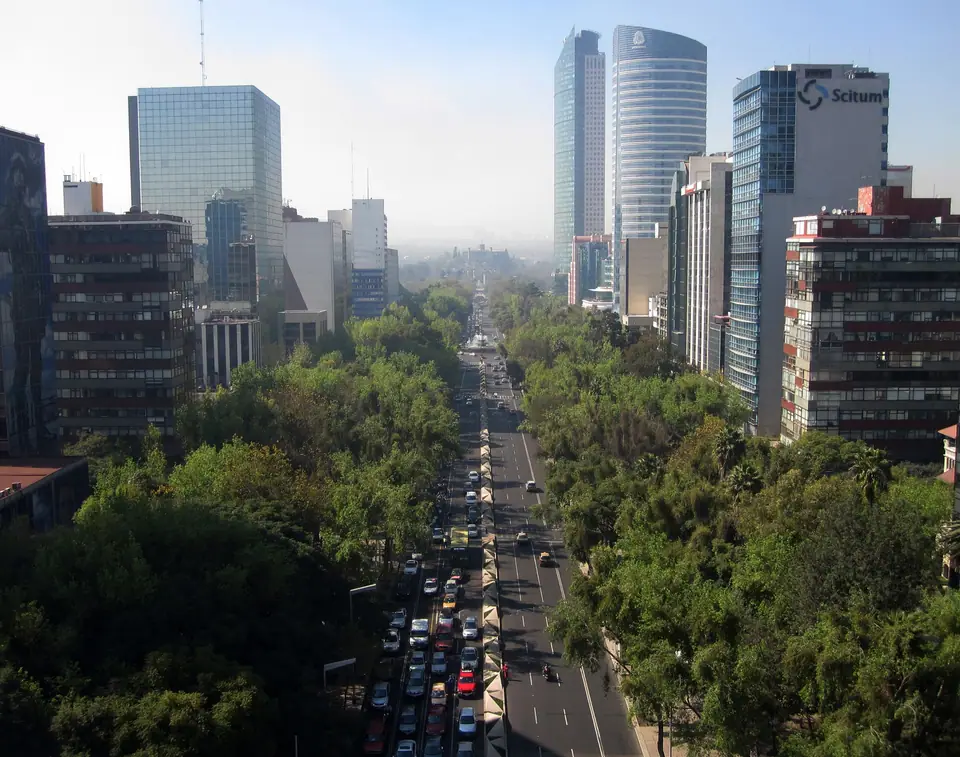
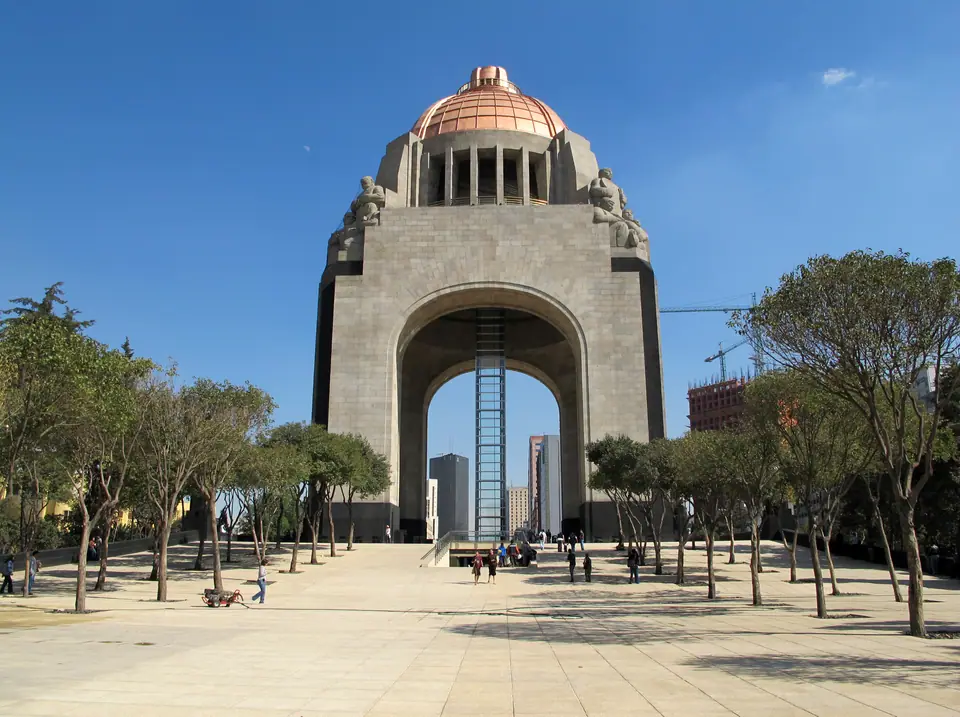
- Cuauhtémoc: The central borough containing the UNESCO-protected Centro Histórico and Zócalo, the copper-domed Monumento a la Revolución in Colonia Tabacalera, the skyscraper boulevard of Paseo de la Reforma, and the walkable streets of Roma Norte and Condesa.
- Miguel Hidalgo: Immediately west of Cuauhtémoc, home to the 686-hectare Bosque de Chapultepec and the museums and embassies of Polanco.
- Coyoacán and Álvaro Obregón: Southern boroughs preserving sixteenth-century plazas and colonial mansions across Coyoacán and San Ángel, alongside the UNESCO-inscribed Central University City Campus of UNAM.
- Xochimilco: In the far south of the basin, where remnants of the ancient lakebed survive as the chinampa agricultural islands and canals of Xochimilco.
Pacing for Altitude, Water and Daily Practicalities
At 2,240 metres above sea level, atmospheric oxygen pressure is roughly twenty-two per cent lower than at sea level. Most travellers feel mild shortness of breath when climbing museum stairs or walking uphill to Chapultepec Castle during their first twenty-four to forty-eight hours. Schedule flat walks around the Zócalo or Alameda Central on arrival day, drink plenty of bottled or filtered water (tap water in Mexico City is not potable for drinking), and go lightly on alcohol and heavy late-night meals on your first evening.
After your arrival via the how to get to Mexico City guide, Mexico uses the Mexican Peso (MXN; check whether hotel rates are quoted in pesos or US dollars) and standard North American Type A and Type B electrical sockets at 127 volts and 60 Hz. While museums, hotels, and sit-down restaurants in Roma, Condesa, and Polanco accept contactless Visa and Mastercard payments, street taquerías, market stalls, and Xochimilco food boats operate strictly in cash, so withdraw pesos from bank-branch ATMs rather than standalone street machines.
Essential Advance Reservations and Transit Connections
Three major sights require forward planning before you land via the how to get to Mexico City guide. First, the Frida Kahlo Museum (La Casa Azul) in Coyoacán sells zero tickets at the door; timed-entry tickets must be purchased online in advance. Second, major national museums managed by INAH and INBAL (including the National Museum of Anthropology, Templo Mayor, Chapultepec Castle, and Palacio de Bellas Artes) close every Monday. Third, pick up a rechargeable Tarjeta de Movilidad Integrada smartcard at any Metro or Metrobús machine to move smoothly across the Mexico City public transport system.
Traveller tips
Real advice from people who have been to Mexico City: High-Altitude Basin, Boroughs and Planning Essentials. Every tip is read by our team before it goes live.
No tips yet. Been here? Yours could be the first.
Thank you! Your tip will appear here after a quick review.
More in Mexico City
Continue exploring Mexico City with related neighbourhood, food, and planning guides
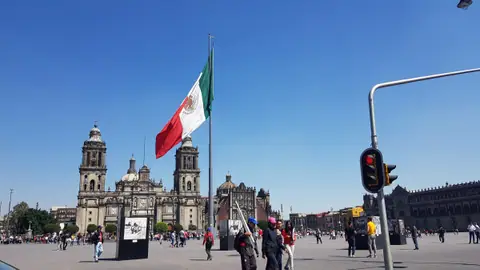
Zócalo and Centro Histórico: Tenochtitlan's Templo Mayor, Cathedral and Palaces
Mexico City, Mexico
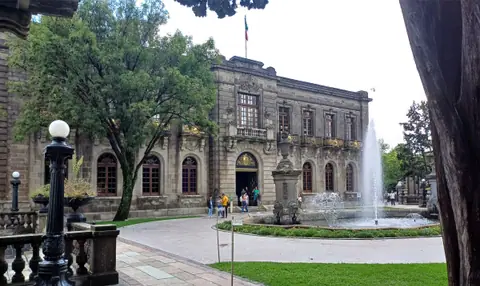
Chapultepec Park, Chapultepec Castle and the National Museum of Anthropology
Mexico City, Mexico
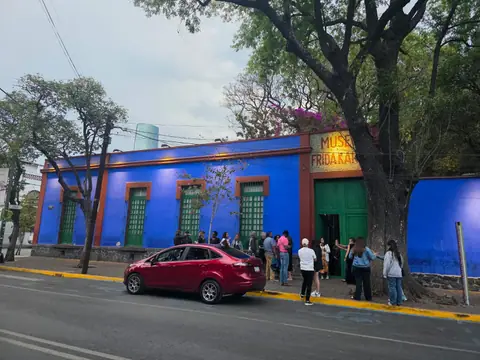
Coyoacán, Frida Kahlo Museum (La Casa Azul) and San Ángel Guide
Mexico City, Mexico
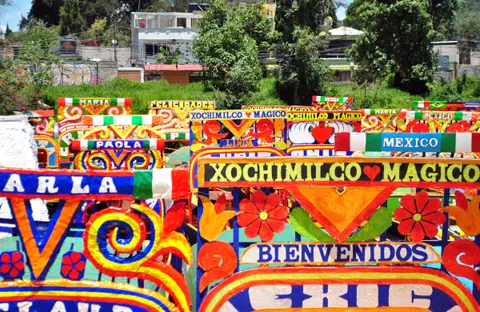
Xochimilco Floating Gardens: Chinampas, Trajineras, Embarcaderos and Canal Fares
Mexico City, Mexico
