


























Polanco, Museo Soumaya and Museo Jumex Guide: Architecture, Galleries and Parks
Visiting the free six-storey Museo Soumaya and David Chipperfield's Museo Jumex at Plaza Carso, plus Parque Lincoln and Avenida Presidente Masaryk.
Bordered on the south by Paseo de la Reforma and Bosque de Chapultepec, Polanco (in the borough of Miguel Hidalgo) grew in the late 1920s and 1930s when the lands of the former Hacienda de San Juan de los Morales were subdivided into a residential garden suburb named after the Río Polanco. Streets were named systematically after international writers, philosophers, and scientists (such as Horacio, Homero, Sócrates, Molière, Anatole France, Galileo, and Newton). Today the district splits into two distinct zones: classic low-rise Polanco around Parque Lincoln and Avenida Presidente Masaryk, and the converted industrial museum quarter of Nuevo Polanco (Colonia Granada and Ampliación Granada) to the north.
Museo Soumaya at Plaza Carso: Free Admission and Six Floors of Art
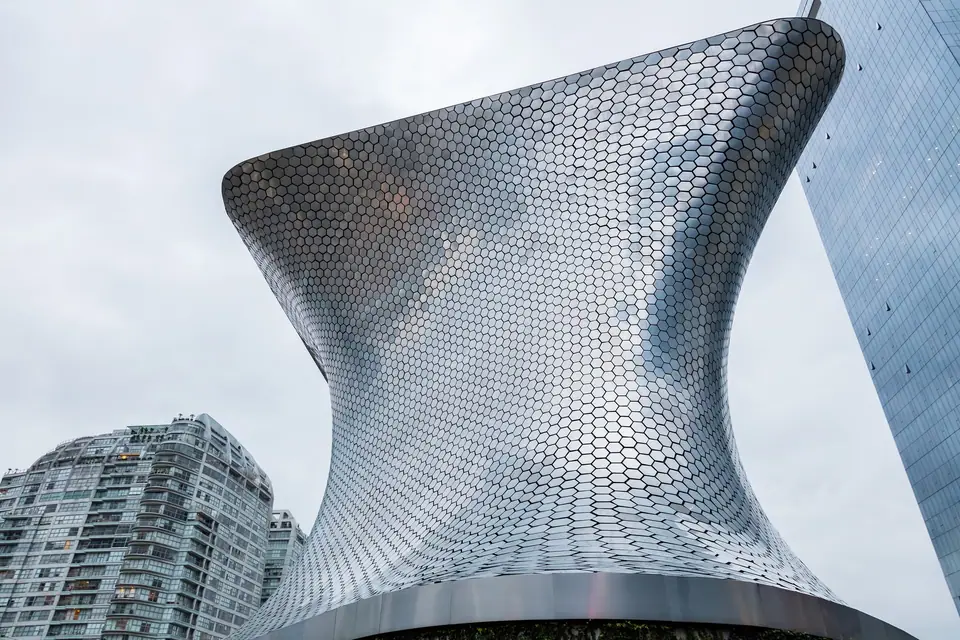
Anchor your morning in Nuevo Polanco at the corner of Boulevard Miguel de Cervantes Saavedra and Calle Presa Falcón, where the windowless, curving, 46-metre-tall silhouette of Museo Soumaya rises above Plaza Carso. Designed by Mexican architect Fernando Romero (FR-EE) with structural engineering by Ove Arup and opened on 29 March 2011, the asymmetric building is clad externally in 16,000 hexagonal extruded-aluminium tiles that catch the highland sunlight at different angles, and takes its name from Soumaya Domit, the late wife of Fundación Carlos Slim founder Carlos Slim.
Admission to Museo Soumaya is permanently free for all visitors, and unlike state INAH and INBAL museums across Mexico City, the Plaza Carso building stays open seven days a week (including Mondays). Walk up or take the lift to the sunlit top floor (Hall 6) and work your way down the white spiral ramp through more than sixty thousand works from the Fundación Carlos Slim collection:
- Hall 6 (Julián and Linda Slim Gallery): Flooded with natural light beneath a suspended canopy roof, housing one of the largest collections of Auguste Rodin bronzes and marbles outside France (including The Thinker, The Gates of Hell, and The Three Shades) alongside sculptures by Camille Claudel, Honoré Daumier, and Salvador Dalí.
- Halls 3 to 5: European old masters (Tintoretto, El Greco, Rubens, Cranach, and Murillo), French Impressionism and Post-Impressionism (Monet, Renoir, Degas, Pissarro, Van Gogh, and Cézanne), and pre-Hispanic and twentieth-century Mexican art, including a late mural by Diego Rivera (Río Juchitán) in the ground-floor lobby.
- Halls 1 and 2: Gold and silver coins of New Spain, Asian ivory carvings, and temporary thematic exhibitions.
Museo Jumex and Acuario Inbursa
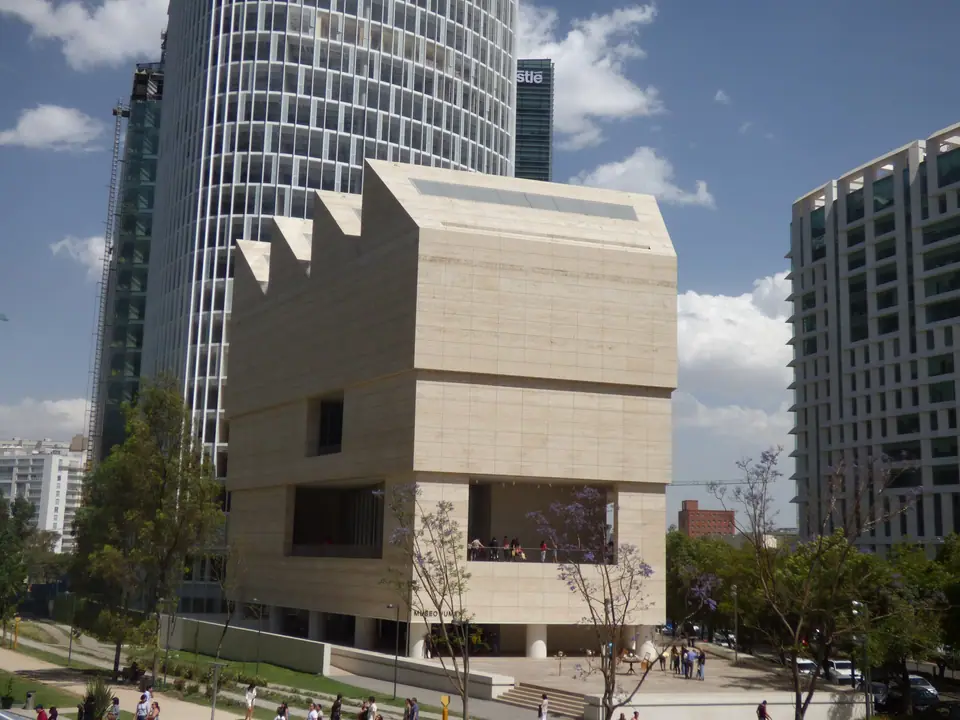
Directly across the paved square from Museo Soumaya stands Museo Jumex, designed by British architect Sir David Chipperfield and opened in November 2013 as the public exhibition platform for the Colección Jumex, one of Latin America's foremost private collections of contemporary art (founded by Eugenio López Alonso). Clad in pale local Xalapa travertine marble and topped by a geometric sawtooth skylights roof that filters daylight into the third-floor gallery, Museo Jumex stages rotating exhibitions of Mexican and international post-war and contemporary artists alongside public plaza installations. Immediately downstairs beneath Plaza Carso lies the subterranean Acuario Inbursa, designed on four underground levels inside a former industrial site.
Parque Lincoln, Avenida Presidente Masaryk and Auditorio Nacional
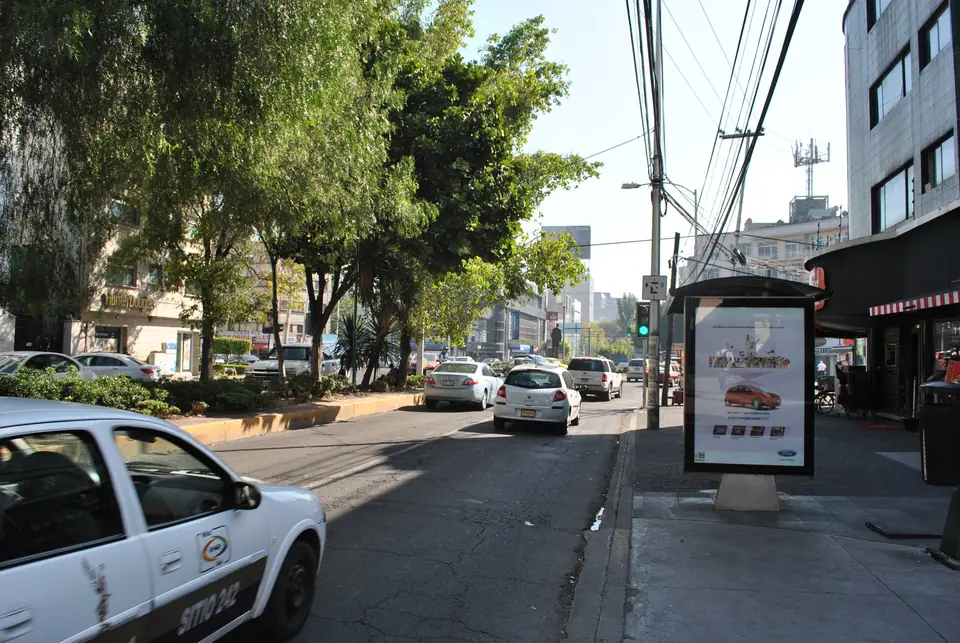
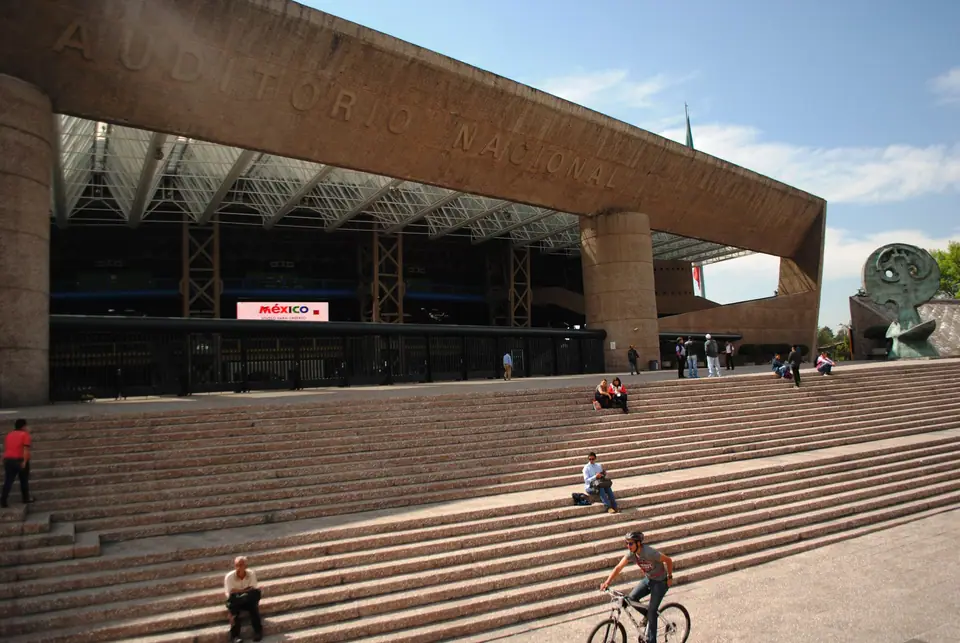
From Plaza Carso, walk twenty minutes south down Calle Molière or Avenida Horacio into the heart of classic Polanco (comparing hotel bases here with Roma Norte and Condesa in the where to stay in Mexico City guide). Named after Czech president Tomáš Garrigue Masaryk by President Lázaro Cárdenas in 1936, Avenida Presidente Masaryk stretches roughly three kilometres east-west as the capital's premier luxury shopping and dining boulevard. Two blocks south of Masaryk, Parque Lincoln centres on twin rectangular reflecting pools where local families sail model boats on weekends, an aviary, a clock tower art gallery, statues of Abraham Lincoln and Martin Luther King Jr., and the open-air Teatro Ángela Peralta, surrounded by the pavement cafés and terraces of the Polanquito dining enclave. At the southern edge of the park on Paseo de la Reforma sits the 10,000-seat Auditorio Nacional alongside Auditorio and Polanco stations on Metro Line 7 and Metrobús Line 7.
Traveller tips
Real advice from people who have been to Polanco, Museo Soumaya and Museo Jumex Guide: Architecture, Galleries and Parks. Every tip is read by our team before it goes live.
No tips yet. Been here? Yours could be the first.
Thank you! Your tip will appear here after a quick review.
More in Mexico City
Continue exploring Mexico City with related neighbourhood, food, and planning guides
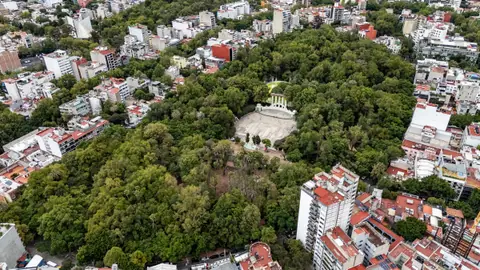
Where to Stay in Mexico City: Comparing Roma Norte, Condesa, Reforma, Polanco and Centro
Mexico City, Mexico
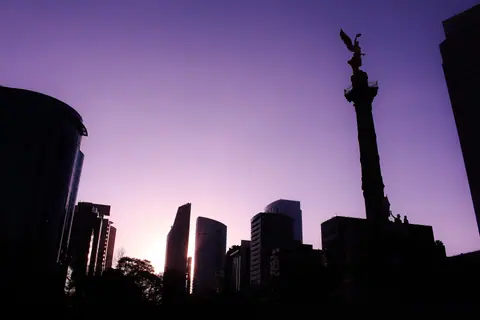
3 Days in Mexico City Itinerary: Centro, Chapultepec, Roma, Coyoacán and Xochimilco
Mexico City, Mexico
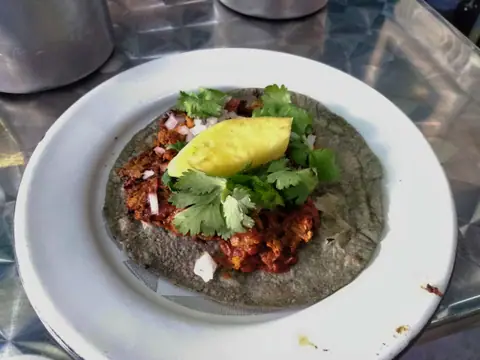
What to Eat in Mexico City: Tacos al Pastor, Chilaquiles, Pozole, Tlacoyos and Churros
Mexico City, Mexico
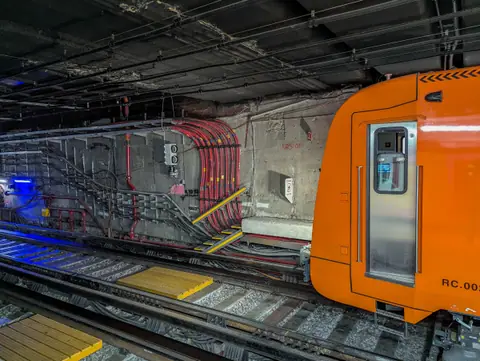
Getting Around Mexico City: Metro, Metrobús, Tarjeta MI, Ecobici and Cablebús
Mexico City, Mexico
