


























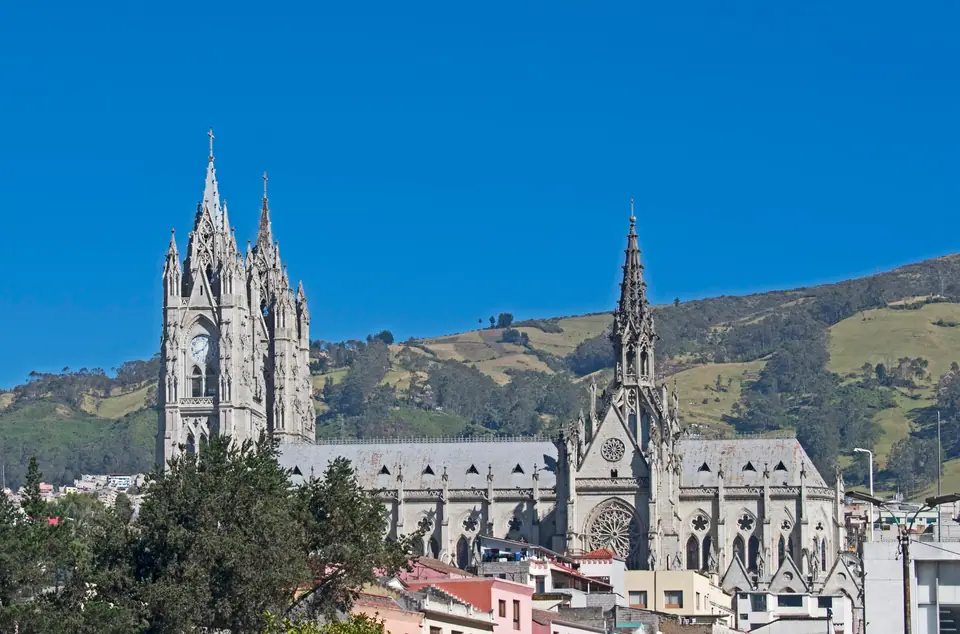
Basilica del Voto Nacional and the Virgin of El Panecillo
Bookend the Historic Centre of Quito between its two monumental landmarks: the 115-metre neo-Gothic spires of Basilica del Voto Nacional in the north and the 41-metre winged Virgin on El Panecillo in the south.
Two hilltop monuments bookend the north-south axis of Quito's Historic Centre along Calle Venezuela, gazing directly at one another across the colonial rooftops. On the northern ridge of San Juan stands the towering neo-Gothic Basilica del Voto Nacional, while 2.2 kilometres directly south rises the volcanic cone of El Panecillo, crowned by the colossal aluminium sculpture of the Winged Virgin of Quito. Visiting both gives you the two finest low-altitude vantage points over the UNESCO core before riding the TeleferiQo gondola up Pichincha Volcano or touring Plaza Grande below.
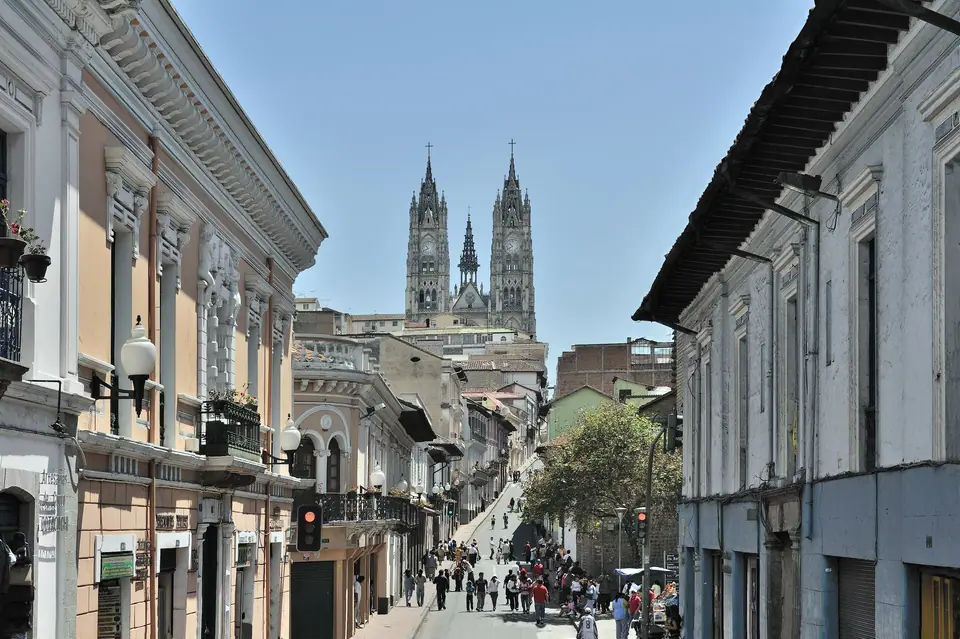
Basilica del Voto Nacional: Neo-Gothic Scale and Legend
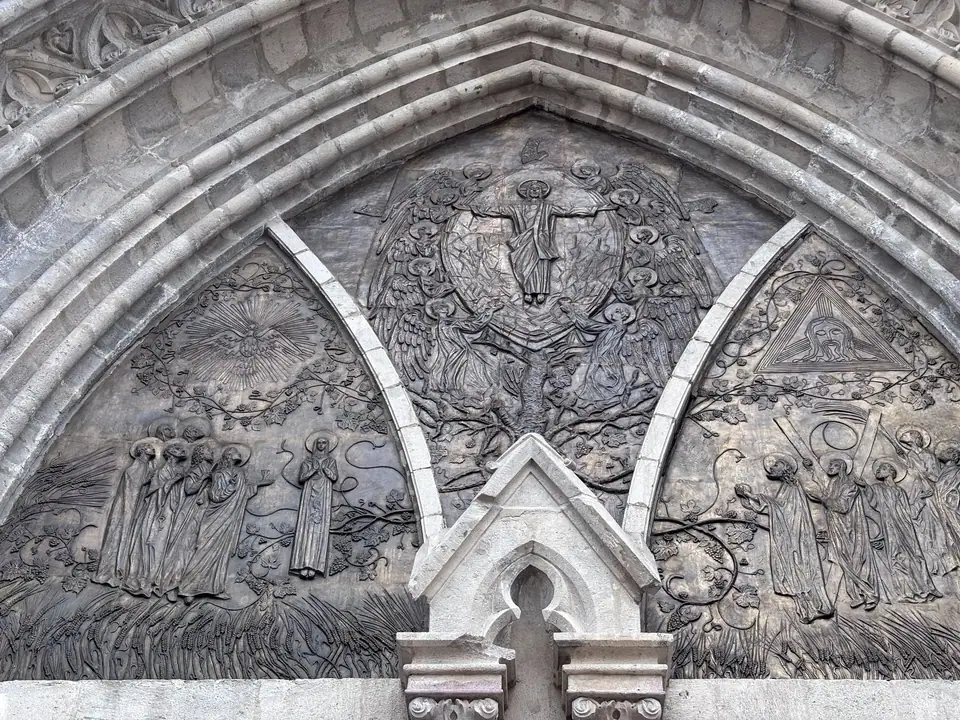
Conceived in the 1880s by Father Julio Matovelle as a national monument and designed by French architect Emile Tarlier after Bourges Cathedral in France, the Basilica del Voto Nacional was begun in 1892, blessed by Pope John Paul II in 1985, and consecrated on 12 July 1988. Measuring 140 metres in length, 35 metres in width, and 30 metres high along its central vault, with two frontal clock towers rising 115 metres, it is the largest neo-Gothic basilica in the Western Hemisphere. Popular Quito folklore holds that the basilica remains deliberately unfinished in minor decorative details because the world will end the day the last stone is laid.
Ecuadorian Fauna Gargoyles and High Roof Catwalks
- Native Ecuadorian gargoyles: Instead of mythological monsters, stone carvers adorned the exterior buttresses and cornices with native Ecuadorian wildlife, including Galápagos giant tortoises, marine and land iguanas, armadillos, pumas, howler monkeys, dolphins, and Andean condors.
- Climbing the towers and nave catwalk: Ladders and spiral stairs inside the towers lead past the bronze bells and stained-glass rose windows (patterned with native Andean orchids) onto a timber plank walkway over the rafters of the nave roof, leading to an iron ladder up the central condor spire.
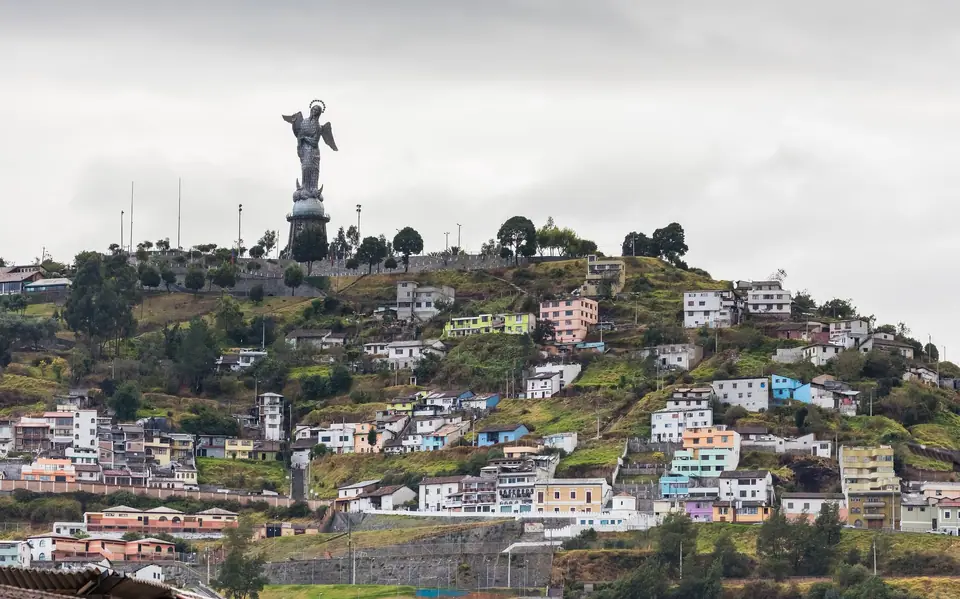
El Panecillo Hill and the 41-Metre Aluminium Virgin of Quito
Rising 200 metres above the southern edge of the Old Town to an elevation of 3,016 metres (9,895 feet), rounded volcanic hill El Panecillo ("The Little Bread Loaf", named by Spanish settlers for its bun-like shape and known to the Quitu-Cara and Incas as Yavirac or Shungoloma) divides southern and central Quito. On 28 March 1975, the hilltop was crowned by the Virgen de El Panecillo, a 41-metre-tall sculpture (45 metres including its stone base) assembled from 7,000 numbered pieces of cast aluminium crafted in Madrid by Spanish sculptor Agustin de la Herran Matorras as a monumental enlargement of Bernardo de Legarda's 1734 Winged Virgin in San Francisco Church. Inside the 18-column base sits a small museum and an observation deck looking straight back across the Historic Centre. Always take a taxi all the way up and down the hill rather than climbing the pedestrian stairs through the surrounding residential slopes.
Traveller tips
Real advice from people who have been to Basilica del Voto Nacional and the Virgin of El Panecillo. Every tip is read by our team before it goes live.
No tips yet. Been here? Yours could be the first.
Thank you! Your tip will appear here after a quick review.
More in Quito
Continue exploring Quito with related neighbourhood, food, and planning guides
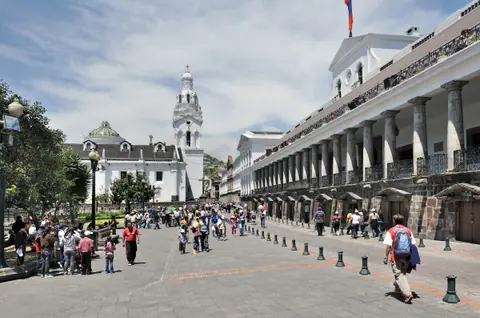
3-Day Quito Itinerary: Historic Centre, TeleferiQo, Equator and Cotopaxi
Quito, Ecuador
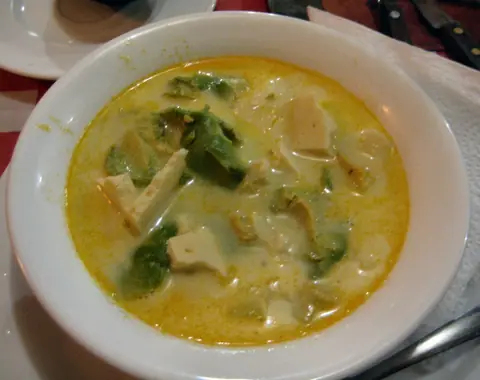
What to Eat in Quito: Locro de Papa, Hornado, Empanadas de Viento and Canelazo
Quito, Ecuador
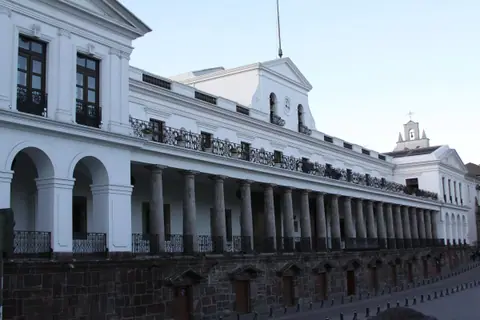
Plaza Grande, Carondelet Palace and the Metropolitan Cathedral of Quito
Quito, Ecuador
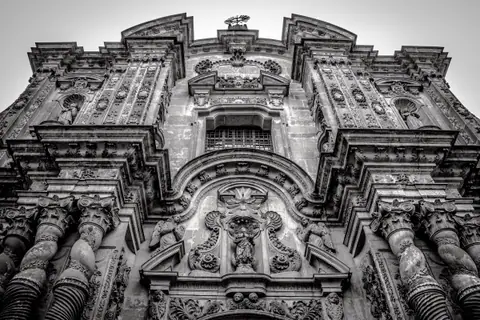
La Compania de Jesus and Quito's Baroque Gold Churches
Quito, Ecuador
