


























Capilla del Hombre, Guayasamin Museum, MuNa and La Floresta
Discover twentieth-century Ecuadorian art at Oswaldo Guayasamin's Capilla del Hombre in Bellavista, pre-Columbian treasures at Museo Nacional del Ecuador, and leafy La Floresta.
While the UNESCO Historic Centre showcases three centuries of colonial religious art, the northern districts of Bellavista, El Ejido, La Floresta, and La Carolina reveal Ecuador's pre-Columbian roots and modern artistic identity. Foremost among these landmarks is the hilltop cultural complex created by master expressionist painter and sculptor Oswaldo Guayasamin (1919 to 1999) in the Bellavista neighbourhood, overlooking northern Quito and the snow peak of Cayambe. Pair these northern stops with our where to stay guide and Quito food guide.
La Capilla del Hombre and Casa-Taller Guayasamin in Bellavista
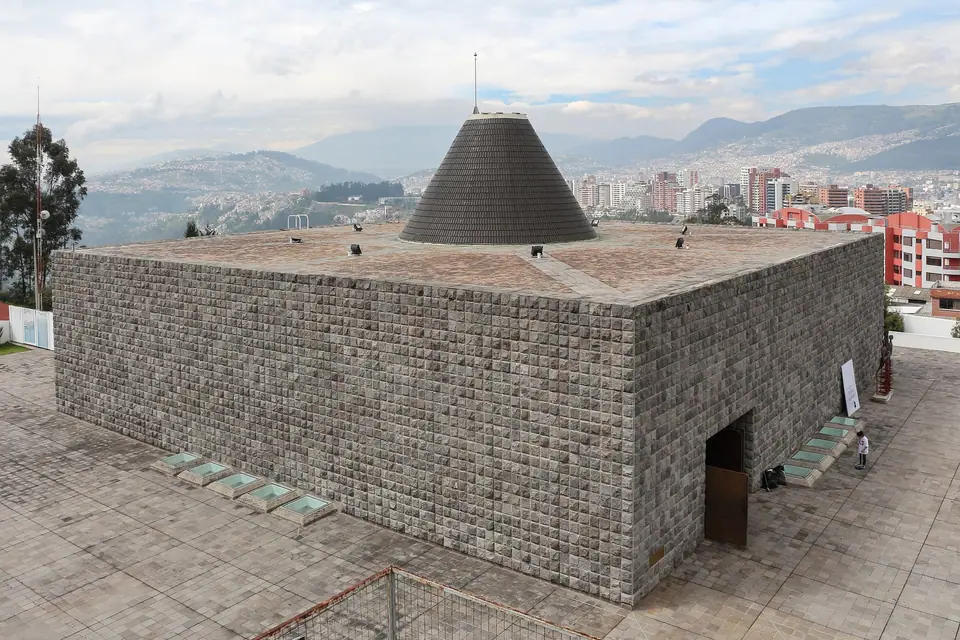
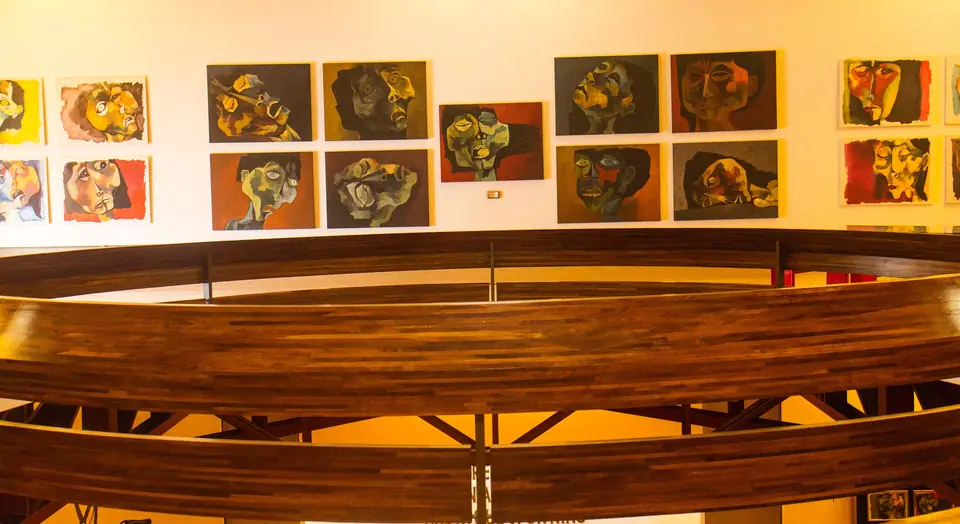
Conceived by Oswaldo Guayasamin in 1985 alongside architect Handel Guayasamin and inaugurated on 29 November 2002, three years after the artist's death, La Capilla del Hombre ("The Chapel of Man") stands as an architectural monument dedicated to the suffering, resilience, and dignity of the indigenous, mestizo, and Afro-descendant peoples of Latin America. Built as a windowless stone cube Measuring 30 by 30 metres crowned by a truncated copper cone that floods the two interior levels with zenithal light, the chapel displays massive murals and canvases from Guayasamin's life cycles: Huacaynan ("The Trail of Tears" in Kichwa), La Edad de la Ira ("The Age of Wrath"), and La Edad de la Ternura ("The Age of Tenderness"), centred around an Eternal Flame for Peace and Human Rights. Immediately adjacent stands his hillside residence and studio (Casa-Taller), where visitors walk past his vast private collection of pre-Columbian ceramics and Quito School sculptures before pausing beneath the Arbol de la Vida (Tree of Life) pine tree in the courtyard where his ashes rest alongside those of his friend, architect Jorge Swett.
Museo Nacional del Ecuador (MuNa), La Floresta and Quito Botanical Garden
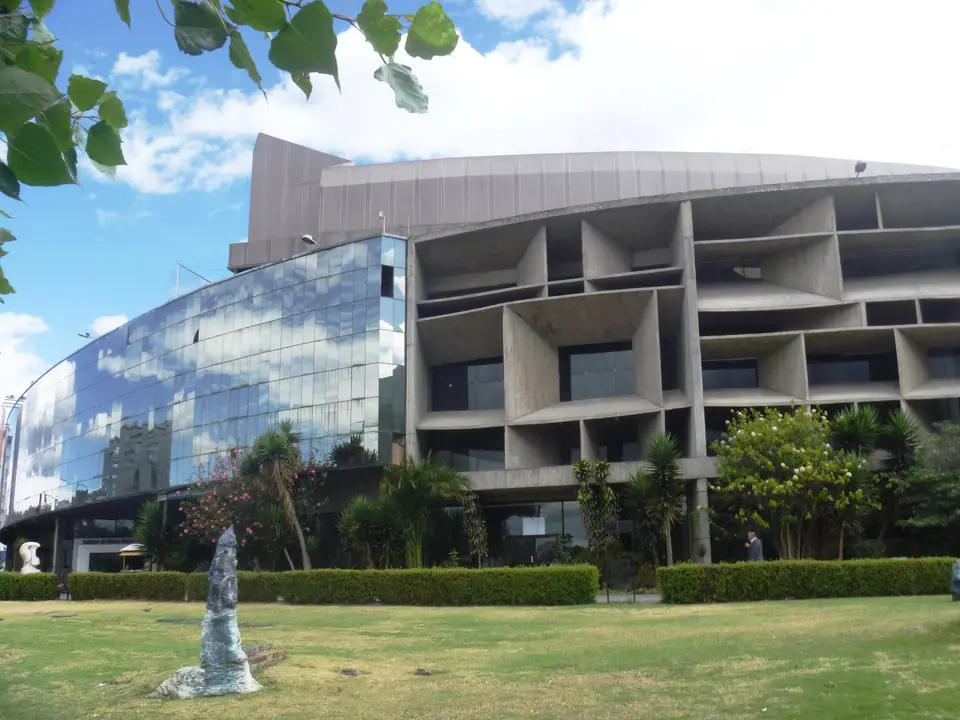
- Museo Nacional del Ecuador (MuNa): Located inside the mirrored circular headquarters of the Casa de la Cultura Ecuatoriana beside Parque El Ejido (at El Ejido Metro station), Ecuador's national archaeological museum traces 12,000 years of human history across the Andes, Pacific coast, and Amazon. Highlights include ceramic female figurines of the Valdivia culture (circa 3500 to 1800 BC, among the oldest pottery in the Americas), whistling anthropomorphic vessels of the Chorrera culture, and the famous golden-and-platinum Sun Mask of the La Tolita culture, which studied platinum metallurgy centuries before Europe.
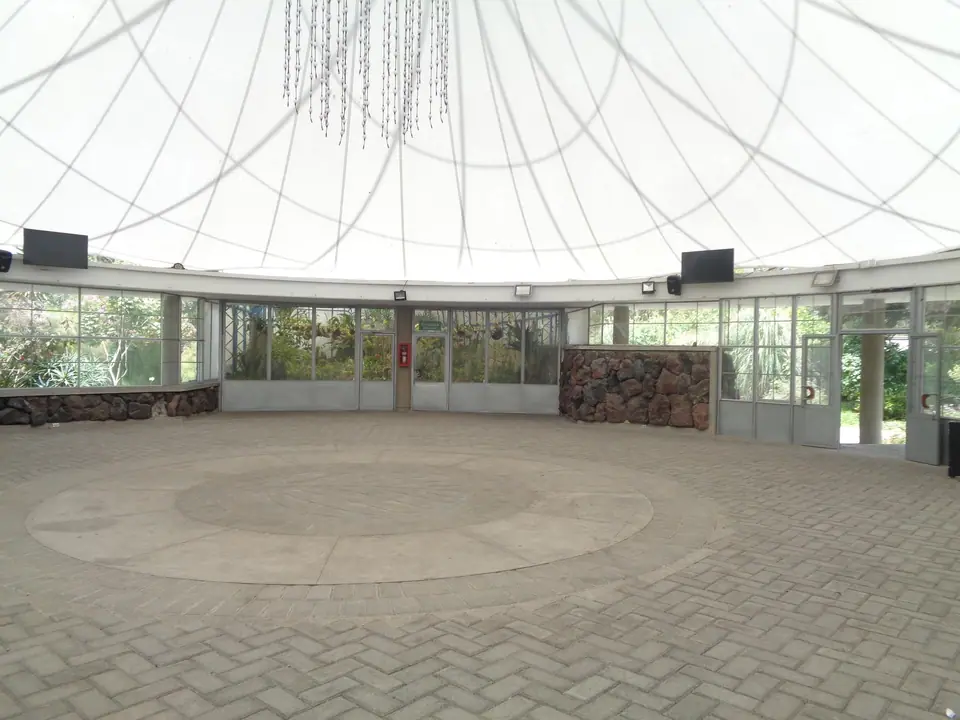
- La Floresta and Parque La Carolina Botanical Garden: Just east of the museum, walk the tree-lined streets of La Floresta, founded in 1917 as a suburban Garden City and now celebrated for contemporary street murals and independent cafés. Further north inside the 64-hectare Parque La Carolina, the Jardin Botanico de Quito (spanning 18,600 square metres) recreates cloud-forest, paramo, and Amazonian habitats alongside two glass orchidaria housing hundreds of native Ecuadorian orchid species.
Traveller tips
Real advice from people who have been to Capilla del Hombre, Guayasamin Museum, MuNa and La Floresta. Every tip is read by our team before it goes live.
No tips yet. Been here? Yours could be the first.
Thank you! Your tip will appear here after a quick review.
More in Quito
Continue exploring Quito with related neighbourhood, food, and planning guides

What to Eat in Quito: Locro de Papa, Hornado, Empanadas de Viento and Canelazo
Quito, Ecuador
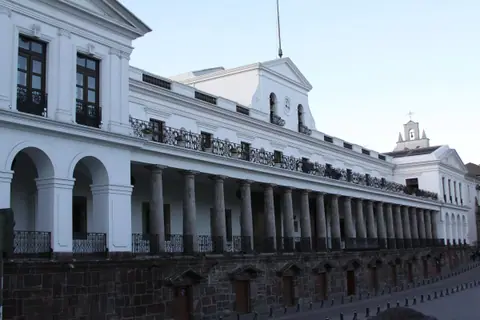
Plaza Grande, Carondelet Palace and the Metropolitan Cathedral of Quito
Quito, Ecuador
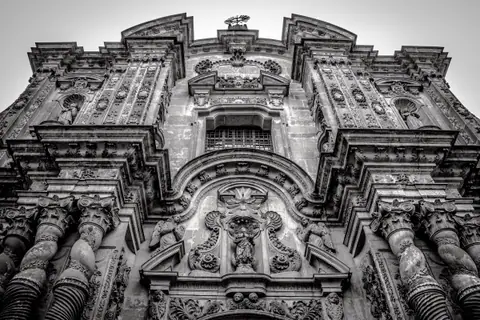
La Compania de Jesus and Quito's Baroque Gold Churches
Quito, Ecuador
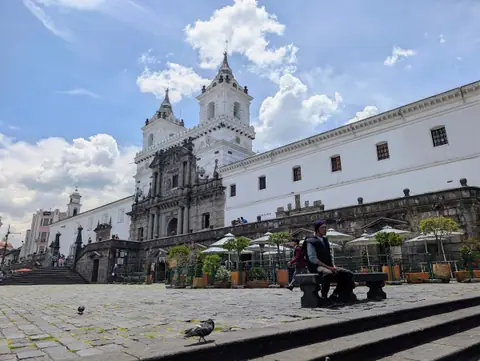
Plaza San Francisco, the 1535 Franciscan Convent and Calle La Ronda
Quito, Ecuador
