


























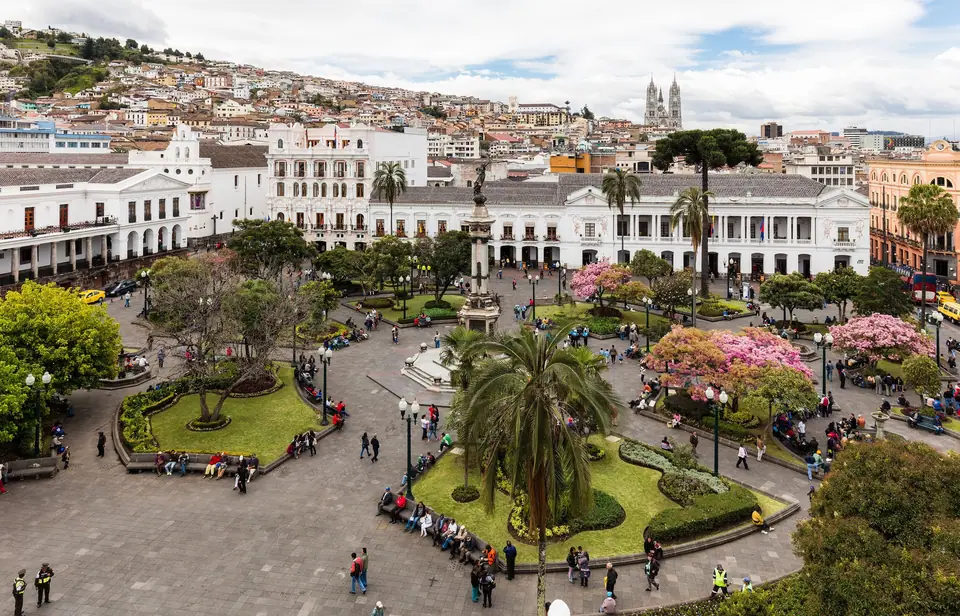
Best Time to Visit Quito: Dry Verano, Equatorial Sunshine and Climate Data
Month-by-month weather breakdown for Quito using official 1991-2020 WMO climate normals, comparing the sunny June-September dry season with the greener wet months.
Despite lying only 25 kilometres south of the Equator, Quito experiences a cool subtropical highland climate (Koppen Cfb) shaped by its 2,850-metre altitude rather than tropical heat. According to official 1991 to 2020 World Meteorological Organization (WMO) climate normals for Quito, average daytime highs remain remarkably steady all year between 20.1°C in November and 21.6°C in August, while overnight lows hover between 8.1°C and 9.0°C every single month. Because temperatures barely shift from month to month, locals divide the calendar by rainfall rather than temperature, calling the drier months from June to September verano (summer) and the wetter months from October to May invierno (winter). Combine this climate guide with our TeleferiQo and Pichincha guide and our 3-day Quito itinerary.
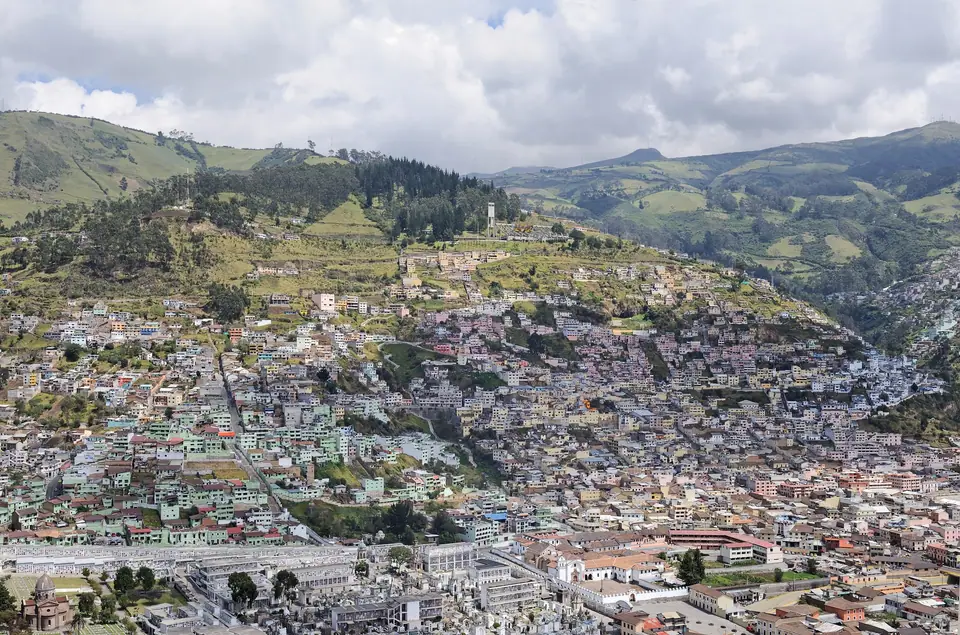
June to September: The Sunny Dry Season (Verano)
The clearest skies and lowest rainfall arrive between June and September, when eastbound winds bring crisp, dry conditions across the Inter-Andean valley. July is the driest and sunniest month of the year, averaging just 22.0 millimetres of precipitation across 5 rain days and 221.2 hours of bright sunshine, followed closely by August (31.5 millimetres across 6 rain days) and June (41.3 millimetres across 8 rain days). These four months offer the highest probability of cloud-free panoramas from the TeleferiQo at Cruz Loma and unobscured views of the glacier cone in Cotopaxi National Park.
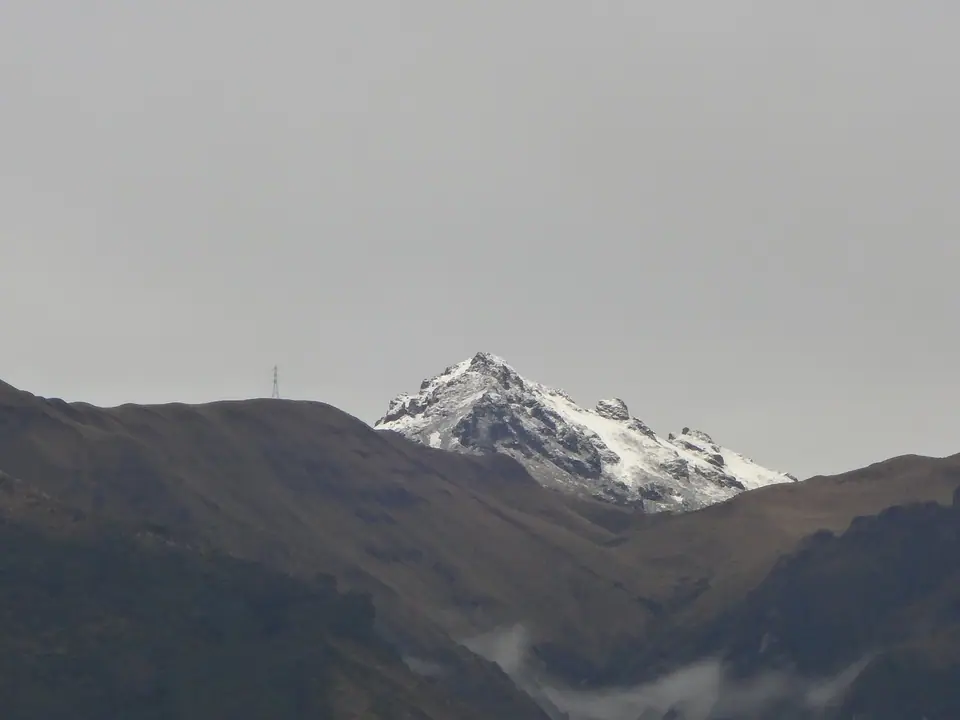
October to May: Morning Sun and Afternoon Showers (Invierno)
From October through May, annual precipitation builds toward a primary peak in April (168.2 millimetres across 20 rain days) and March (142.4 millimetres across 18 rain days), with a secondary peak in October (112.1 millimetres across 17 rain days) and a brief mid-season dip around December and January (81.3 millimetres across 14 rain days in January). Even during the wettest weeks, Quito follows a dependable diurnal pattern: mornings typically dawn crisp and sunny before convective clouds roll down from Pichincha after 13:00 or 14:00, bringing afternoon rain or mist.
Packing for Equatorial Altitude and Festival Dates
- What to pack for four seasons in one day: Direct equatorial sunshine at 2,850 metres feels warm by mid-morning, yet shade and evening mountain breezes drop the temperature by 12°C within an hour of sunset. Dress in breathable layers with a windproof rain shell, sunglasses, and high-SPF sunscreen.
- Cultural calendar highlights: Semana Santa (Holy Week) brings the centuries-old Good Friday Procesion de Jesus del Gran Poder starting from Plaza San Francisco, featuring purple-robed Cucuruchos, while the week leading up to 6 December celebrates the Fiestas de Quito marking the city's 1534 foundation.
Traveller tips
Real advice from people who have been to Best Time to Visit Quito: Dry Verano, Equatorial Sunshine and Climate Data. Every tip is read by our team before it goes live.
No tips yet. Been here? Yours could be the first.
Thank you! Your tip will appear here after a quick review.
More in Quito
Continue exploring Quito with related neighbourhood, food, and planning guides
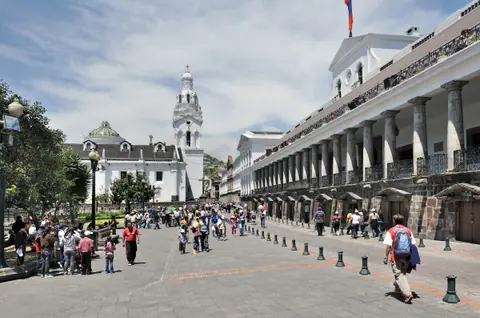
3-Day Quito Itinerary: Historic Centre, TeleferiQo, Equator and Cotopaxi
Quito, Ecuador

What to Eat in Quito: Locro de Papa, Hornado, Empanadas de Viento and Canelazo
Quito, Ecuador
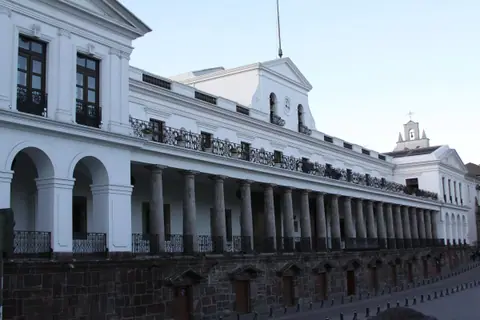
Plaza Grande, Carondelet Palace and the Metropolitan Cathedral of Quito
Quito, Ecuador
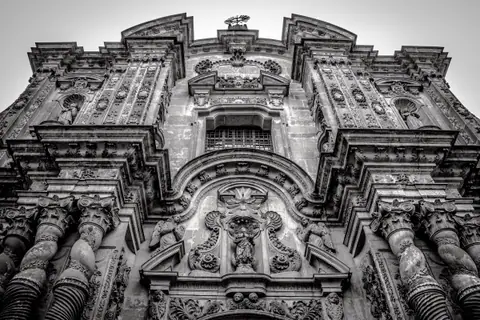
La Compania de Jesus and Quito's Baroque Gold Churches
Quito, Ecuador
