


























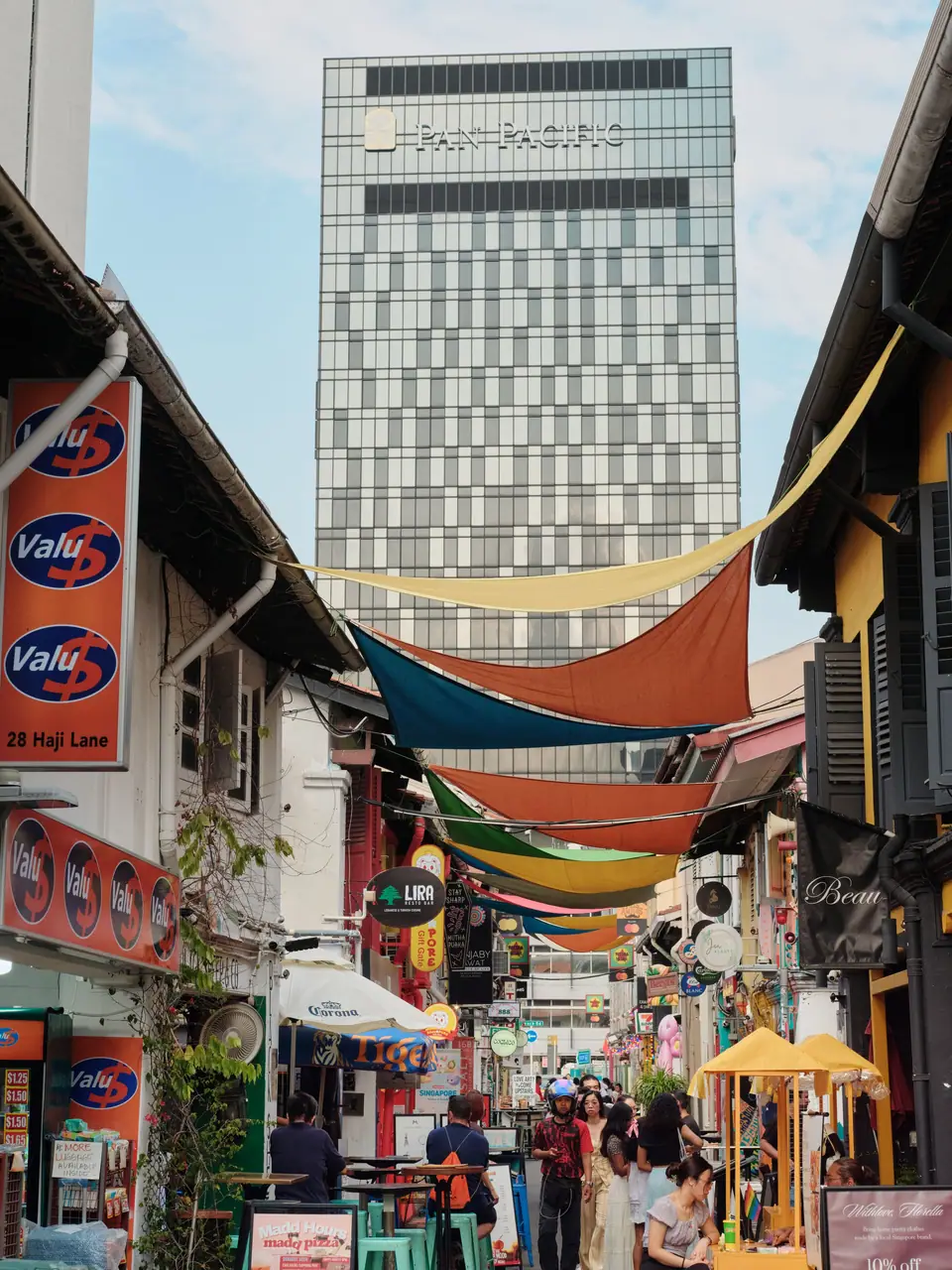
Haji Lane: Shophouse Street Art, Independent Boutiques and Cafe Lanes
What Haji Lane offers, when to visit and what to explore next to it.
Haji Lane is one of the narrowest streets in Kampong Gelam, a short, crooked lane of old shophouses that has turned into a hub for independent shops, cafes and street art. It is only a couple of hundred metres long, but it is dense with detail, and it contrasts nicely with the older Malay and Arab streets around it. Most visitors need under an hour to see it, and a little longer if they stop to shop or eat.
What you find there
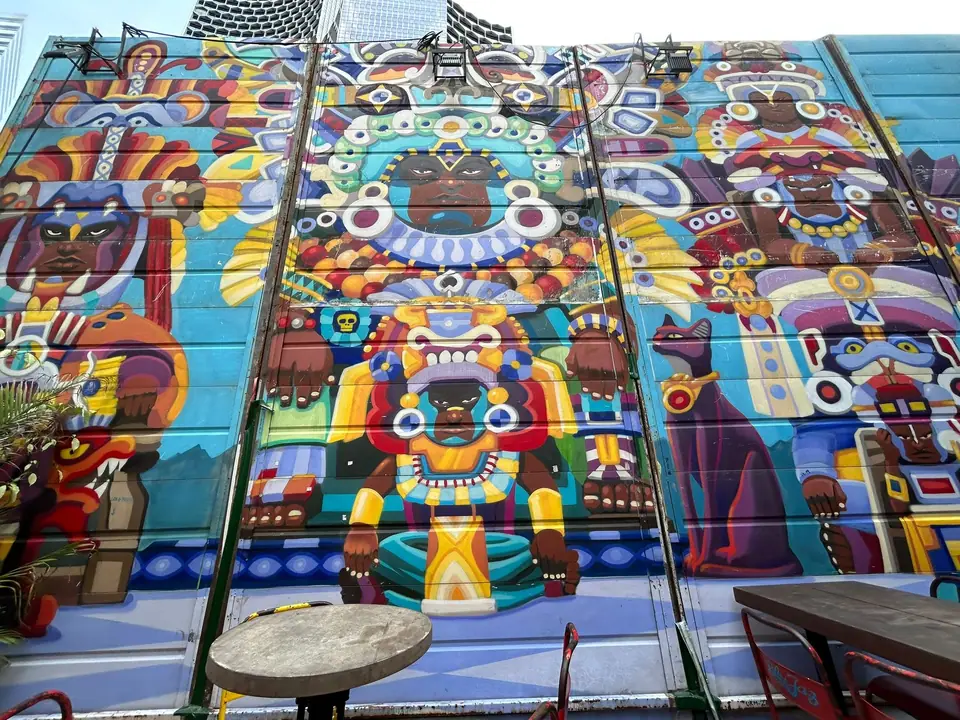
The ground floors hold small boutiques that sell local designers, vintage clothes, handmade jewellery, prints and offbeat gifts. Upstairs, rooftop bars and cafes serve coffee, cocktails and Middle Eastern snacks. The walls are covered with murals that change over the years, so a visit one year looks different from the next. Some shopfronts have colourful tiles and old shutters that repay a look in their own right. The mood is creative and slightly bohemian, a fit for visitors who like street photography.
When to go
Late morning and early afternoon are quiet and the best time for photographs and unhurried browsing. Many shops open late in the day, so a very early visit can feel empty. Evenings are the liveliest, with bars full and music playing from open doors, and weekend nights can be crowded and loud. If you want to see the murals without crowds, go on a weekday afternoon.
What to try around it
The side lanes, Bali Lane and Muscat Street, hold smaller cafes and restaurants, with a slower pace than the main lane. Arab Street, one block away, is the place for fabrics and carpets, and the area around the Sultan Mosque has Turkish and Lebanese restaurants. For a more local meal, head to the food stalls on nearby streets or take a short ride to a hawker centre.
What the lane says about the quarter
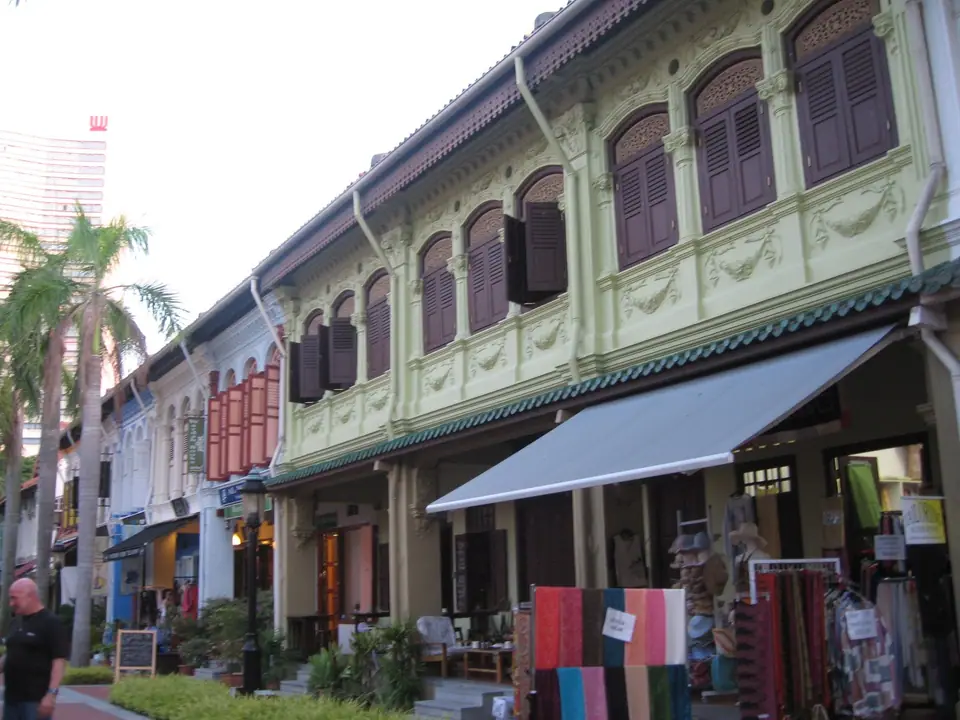
The street shows how heritage districts change without losing their shape. Fifty years ago the shophouses here held trading firms, tailors and small family workshops, and some of those businesses survive behind the boutiques. The narrow plots, the shared walls and the tall shutters are all original, and the new tenants have mostly kept them. Look for older signboards that still sit above newer shopfronts, and for the faded advertising painted on side walls. These layers make the lane feel like a street that has grown, not one that was designed for visitors, which is why it holds its charm even when it is crowded.
Respect and practical tips
The lane sits next to a mosque and a residential area, so dress sensibly and keep noise down during the day. Do not block the narrow pavement when you photograph the murals, and ask permission before photographing people or shop interiors. Prices in the boutiques are fixed and there is no need to haggle. Public toilets are limited, so use the facilities in a cafe before you walk on.
What to skip
Skip the lane if you only have a short time in the district and prefer heritage to shopping, since the mosque and the museum tell more of the story. If you dislike crowds, avoid weekend evenings. And if you are looking for traditional crafts, the shops on Arab Street are a better match than the fashion boutiques.
Why it belongs on your route

The lane is a lively counterpoint to the quieter heritage streets that surround it. It is a place to browse, take a coffee and see how a new generation uses old buildings, rather than a place to learn the history of the neighbourhood. Combine it with a morning at the mosque and a lunch on Arab Street, and you have a rounded half-day.
It also fits well before a short walk to Little India, where the colours and smells change again within ten minutes.
Traveller tips
Real advice from people who have been to Haji Lane: Shophouse Street Art, Independent Boutiques and Cafe Lanes. Every tip is read by our team before it goes live.
No tips yet. Been here? Yours could be the first.
Thank you! Your tip will appear here after a quick review.
More in Singapore
Continue exploring Singapore with related neighbourhood, food, and planning guides
Haw Par Villa: Tiger Balm Folklore Dioramas and Ten Courts of Hell
Singapore, Singapore
Pulau Ubin by Bumboat: Chek Jawa Boardwalk, Village Bikes and Quarries
Singapore, Singapore
Singapore: Districts, Transit, Climate and First-Time Planning
Singapore, Singapore
Things to Do in Singapore: Gardens, Heritage Quarters, Hawker Centres and Museums
Singapore, Singapore
