


























Haw Par Villa: Tiger Balm Folklore Dioramas and Ten Courts of Hell
What to see at Haw Par Villa, plus advice for families and a short history.
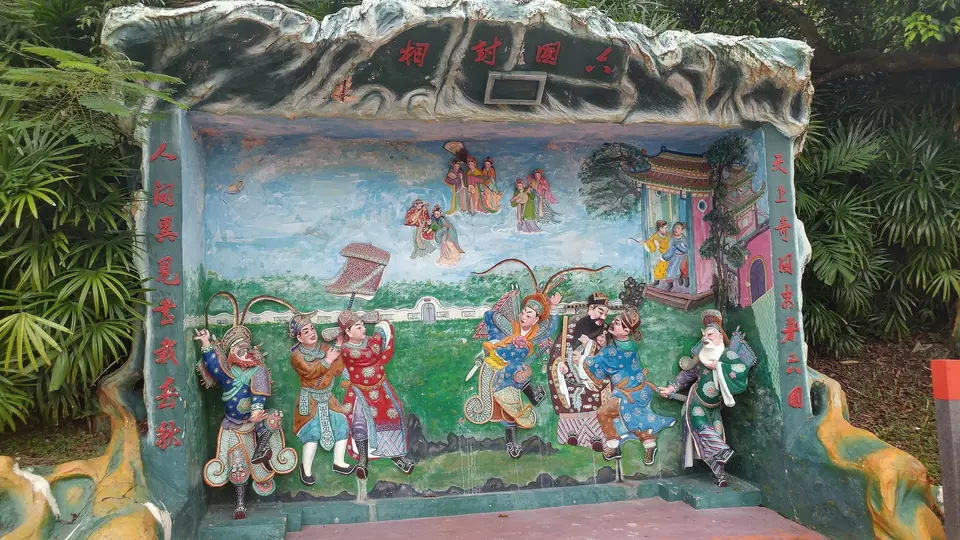
Few places in Singapore are as strange or as memorable as Haw Par Villa, a hillside park packed with brightly painted statues and dioramas of Chinese mythology, folklore and moral tales. It was built in 1937 by the Aw brothers, who made their fortune from Tiger Balm, as a gift to the community and a place to teach traditional values. The park holds more than a thousand statues, and it feels unlike any other attraction in the country.
A short history
The villa began as a private garden, and it opened to the public as a sculptural park that illustrated Chinese stories. After a long period as a popular family day out, it was taken over as a heritage site and later renovated, with a visitor centre and clearer information. The park suffered during the war and then slowly lost its crowds, but a revival in recent years has brought many new visitors, including those who enjoy offbeat sights.
The Ten Courts of Hell
The park's most famous section is the Ten Courts of Hell, a series of tableaux showing punishments for sins according to Chinese Buddhist and folk belief. The scenes are graphic and sometimes frightening, with tortured figures, demons and judges. They were designed as moral lessons, and each court has an explanation. Parents should know that some scenes are intense, and young children may be upset, so preview the area before deciding whether to enter with them.
Other highlights
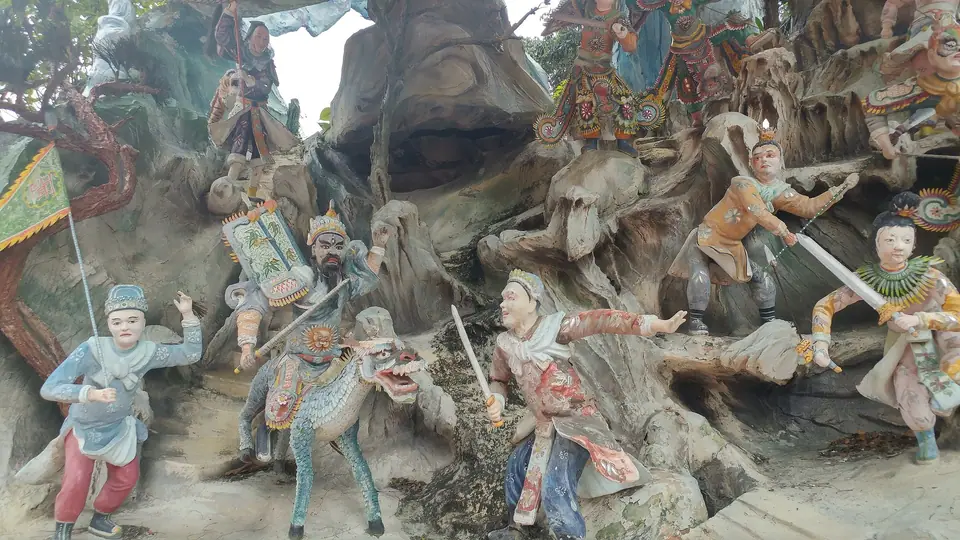
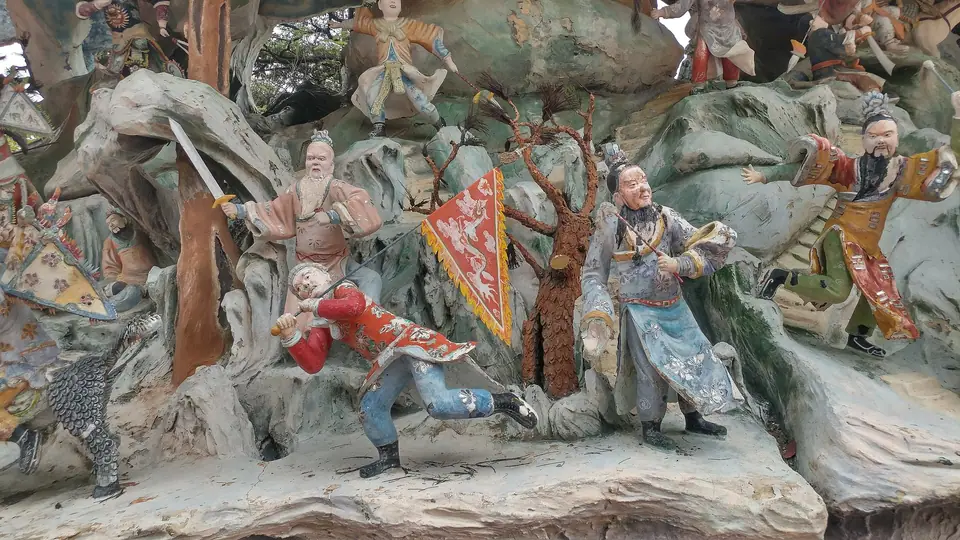
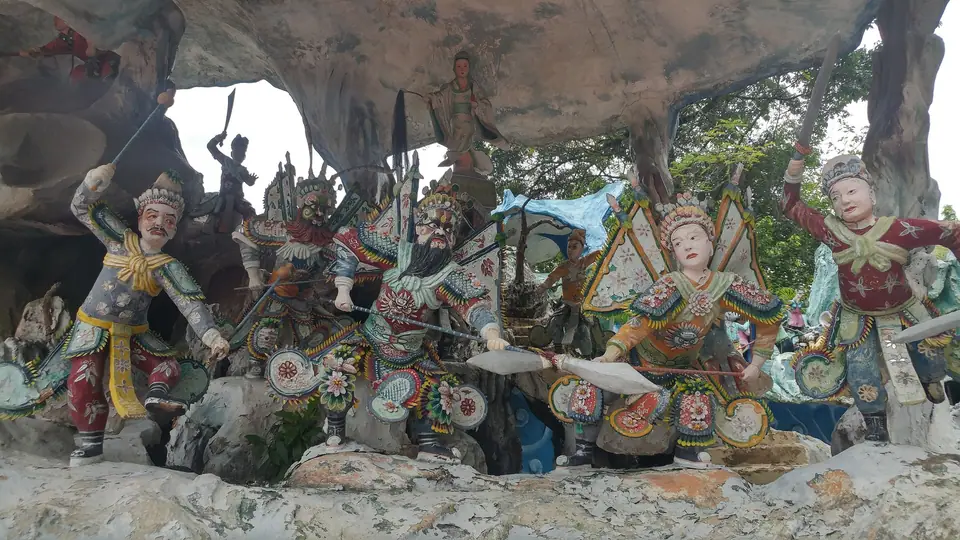
Beyond the courts, the park holds scenes from famous stories such as the journey to the west, tales of filial piety, animals dressed as people and strange, humorous figures. Look for the giant clam, the dragons and the twelve zodiac statues. Many of the sculptures show a mix of Chinese and local influences, and the colours and detail are a delight for photographers. The park rewards curiosity, since every corner offers another surprise.
How long to allow
Plan one to two hours for a thorough walk. The park is on a slope, with paths and steps, so wear comfortable shoes. Bring water and a hat, as shade varies. The hills offer some views, and a small museum explains the history of the site. Check the official site for opening arrangements and any closures.
Getting there
The park has its own MRT station on the Circle Line, which makes the trip simple, and a short walk leads to the entrance. The station itself has decorations that echo the park's theme. The journey from the city centre takes around thirty minutes. Entry is simple, and no booking is usually required, but check the official information.
The statues and what they teach
The sculptures follow a long tradition of using images to teach children and illiterate adults. Each scene carries a lesson: respect for elders, honesty, kindness to animals, the consequences of greed. Look for small plaques and carved captions, which explain the story in Chinese and English. Some figures show humour, such as a pair of animals dressed in clothes, and others are dramatic, with fierce guardians and mythical beasts. The craftsmen who made them used cement over wire frames and painted them by hand, and repainting is a regular job even today, so the colours stay bright.
Who it suits
Haw Par Villa suits curious travellers, photographers, history lovers and families with older children. It is less suitable for people who dislike graphic imagery or who need level, paved paths. If you like unusual places, it is among the most memorable stops in the city.
Pairing it well
The park is far from the central sights, near the Tiong Bahru side of the island, so it works best as a half-day trip on its own, with a late lunch at a nearby hawker centre. You can add the Southern Ridges for a walk, or take the MRT to Chinatown to see how temple culture appears in the city today. For more on faith and community, see the Buddha Tooth Relic Temple.
What to skip
You do not need to see every statue. Choose the Ten Courts, the mythology scenes and a few favourite corners. Skip the midday sun, and avoid bringing young children to the hell scenes if you think they might be frightened.
Traveller tips
Real advice from people who have been to Haw Par Villa: Tiger Balm Folklore Dioramas and Ten Courts of Hell. Every tip is read by our team before it goes live.
No tips yet. Been here? Yours could be the first.
Thank you! Your tip will appear here after a quick review.
More in Singapore
Continue exploring Singapore with related neighbourhood, food, and planning guides

Jewel Changi Airport: Rain Vortex, Shiseido Forest Valley and Layover Rules
Singapore, Singapore
Pulau Ubin by Bumboat: Chek Jawa Boardwalk, Village Bikes and Quarries
Singapore, Singapore

Singapore: Districts, Transit, Climate and First-Time Planning
Singapore, Singapore
Things to Do in Singapore: Gardens, Heritage Quarters, Hawker Centres and Museums
Singapore, Singapore
