


























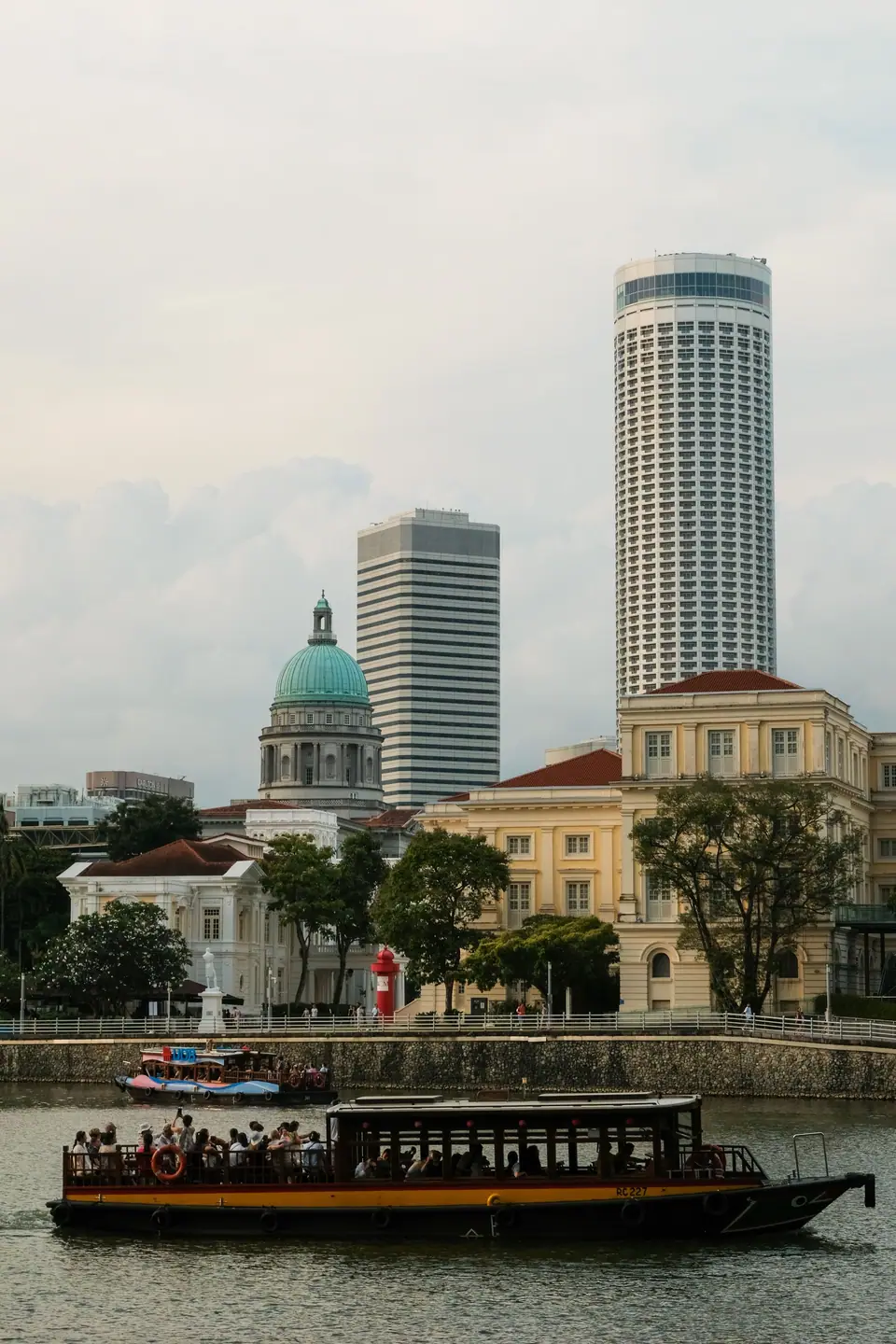
Singapore River Walk: Boat Quay, Clarke Quay and Robertson Quay Route
A river walk through the story of the city, with the bridges and quays in order.
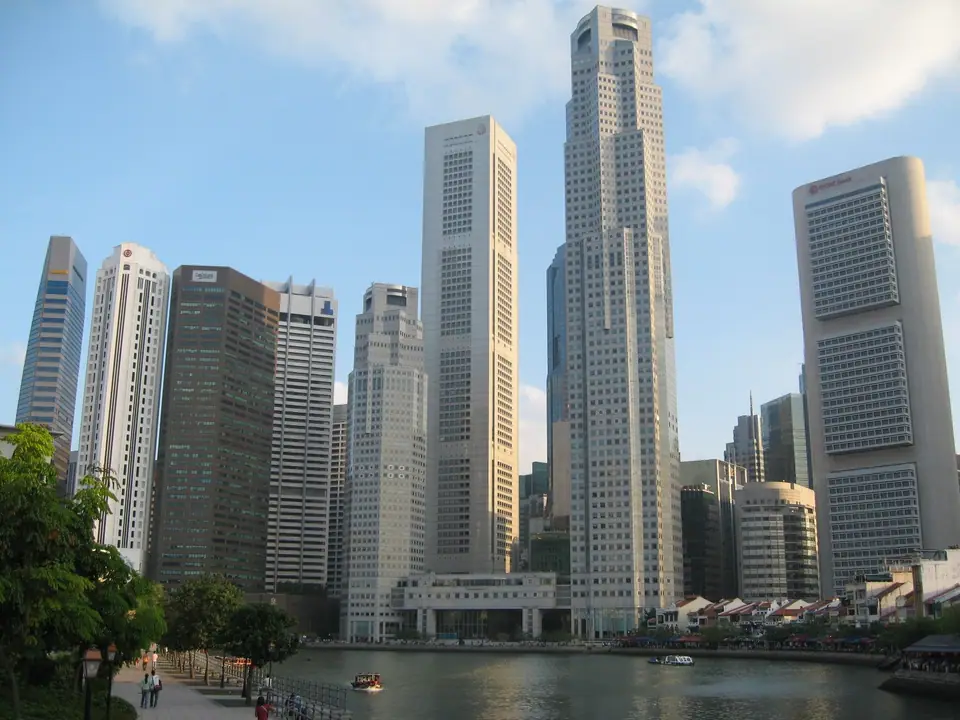
The Singapore River is short, but it explains the city well. In the early nineteenth century this was the harbour of a trading post, and the warehouses and shophouses along the banks stored goods that arrived by boat. Today the same buildings hold restaurants, hotels and galleries, and the river has become a calm promenade between the glass towers of the financial district.
Starting at the river mouth
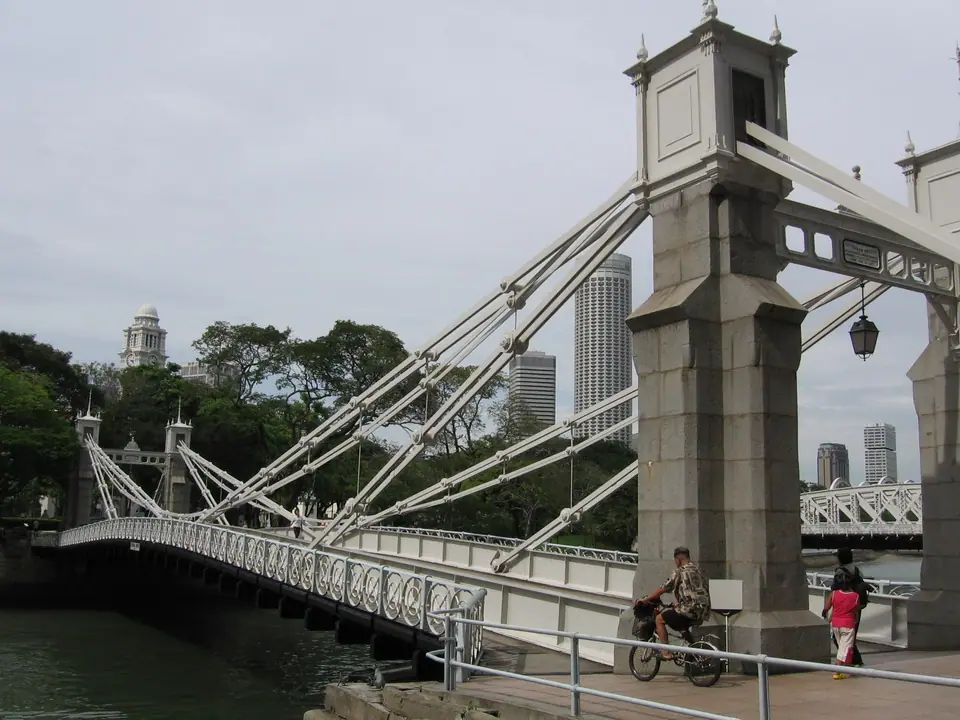
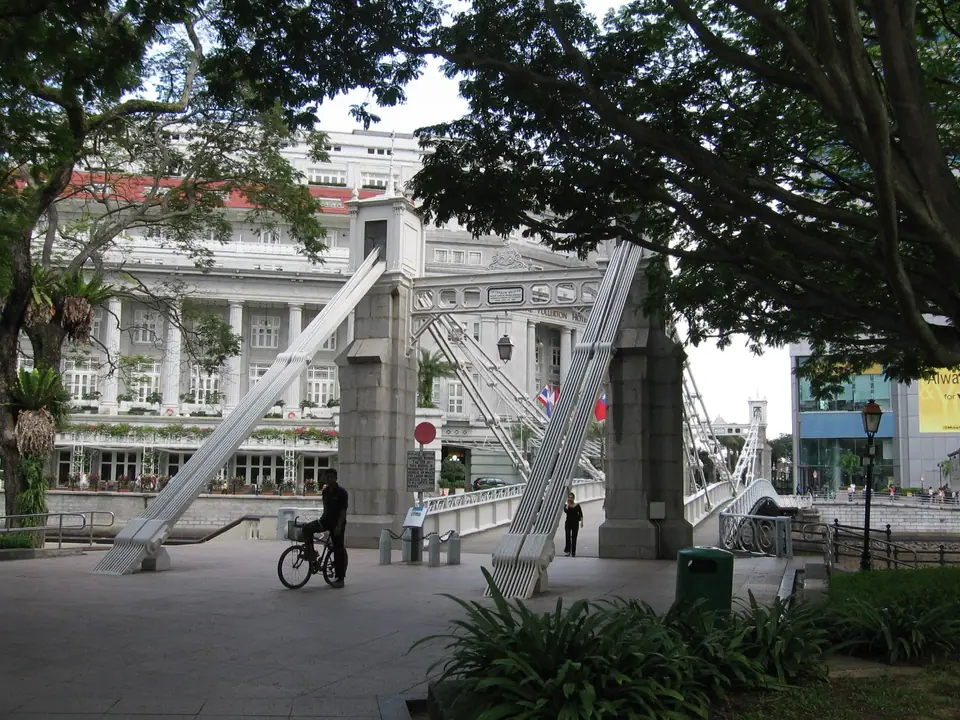
Begin near the Merlion and walk inland. The first stretch passes the old Fullerton Building and the pedestrian Cavenagh Bridge, a suspension bridge from the 1860s that is still used by walkers. On the north bank stands a white statue of Stamford Raffles, placed at the spot where he is said to have landed in 1819, and the area behind it was the early centre of the colony. From here you can see how a tiny river mouth grew into one of the busiest ports.
The quays along the route
Upstream the river passes three quays with different moods. Boat Quay is the first, lined with narrow shophouses that now hold restaurants with terraces on the water. Clarke Quay follows, with restored godowns painted in bright colours and a livelier evening scene. Robertson Quay, the furthest, is quieter, with a residential feel and long shaded paths that suit a stroll. Each stop shows a different layer of the river life, from commerce to entertainment to calm living.
Bridges to observe
Several bridges cross the river in quick succession. Anderson Bridge and Elgin Bridge are older road crossings with iron and stonework. The curved pedestrian bridges at Clarke Quay give fine vantage points, and Read Bridge is a link to the hills behind. Stand on one at dusk and watch the lights come on along the banks.
Taking a river cruise
Bumboat cruises run the length of the river and out into the bay, giving a view of the shophouses and the skyline from the water. The boats are replicas of the wooden lighters that once carried cargo, and a trip takes a short time, with a recorded commentary. It is a way to see the route, and it gives you a rest if you have walked a long way. Check the official operator for current schedules and booking arrangements.
Planning your river walk
A typical walk starts at the river mouth and ends at Robertson Quay, covering about three kilometres with stops. Allow two hours if you linger at the bridges and one and a half if you keep moving. Return by MRT from Fort Canning or Clarke Quay, or by taxi from Robertson Quay. In the evening, end the day with a hawker dinner in Chinatown for a cheaper meal than the waterfront restaurants offer.
Walking tips and logistics
Midday is hot and shade is patchy on the open stretches, so start early or go late. Some of the waterfront restaurants try hard to attract passing visitors with menus on the pavement, and you will do better if you read the options calmly before you sit. The path is flat, and wheelchairs and strollers can use most of it, although a few bridges have stairs.
The river also links naturally to Chinatown on the south side, where the early Chinese settlers lived and worked, and to the museums of the Civic District on the north side. Keep a flexible plan and add a detour if you wish.
What to avoid
Avoid the tourist menus right on the quay if you want local food, and skip the cruise if you already plan to walk the banks. The strongest part of the experience is the walk itself, with the stories carried by the buildings, the bridges and the water.
Traveller tips
Real advice from people who have been to Singapore River Walk: Boat Quay, Clarke Quay and Robertson Quay Route. Every tip is read by our team before it goes live.
No tips yet. Been here? Yours could be the first.
Thank you! Your tip will appear here after a quick review.
More in Singapore
Continue exploring Singapore with related neighbourhood, food, and planning guides
Asian Civilisations Museum: Tang Shipwreck Treasure and Riverfront Galleries
Singapore, Singapore
National Museum of Singapore: Island History Gallery and Stamford Rotunda
Singapore, Singapore
Tiong Bahru: Streamline Moderne Flats, Hawker Market and Indie Bookshops
Singapore, Singapore
Singapore Botanic Gardens: UNESCO Grounds and Rainforest
Singapore, Singapore
