


























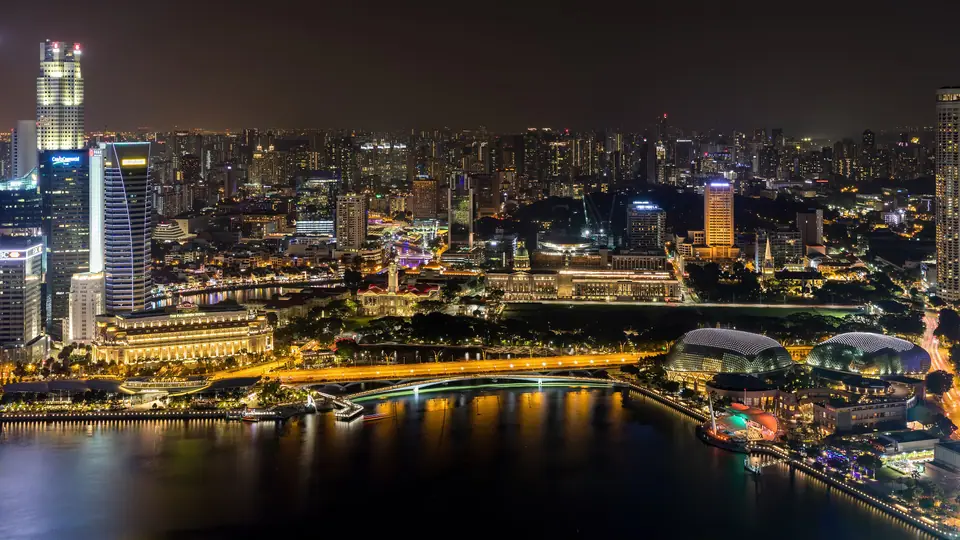
Singapore: Districts, Transit, Climate and First-Time Planning
How Singapore's neighbourhoods, MRT lines, tropical weather and local rules work for first-time visitors.
Singapore sits just one degree (about 137 kilometres) north of the Equator at the southern tip of the Malay Peninsula. Although the diamond-shaped main island measures only about 50 kilometres from east to west, it packs futuristic bayfront architecture, UNESCO-listed gardens, four official languages (English, Malay, Mandarin, and Tamil), historic ethnic quarters, and protected rainforest reserves along a single integrated metro network. English is the language of street signs, transport announcements, and menus across the island, making independent travel straightforward from the moment you land.
How the island is laid out
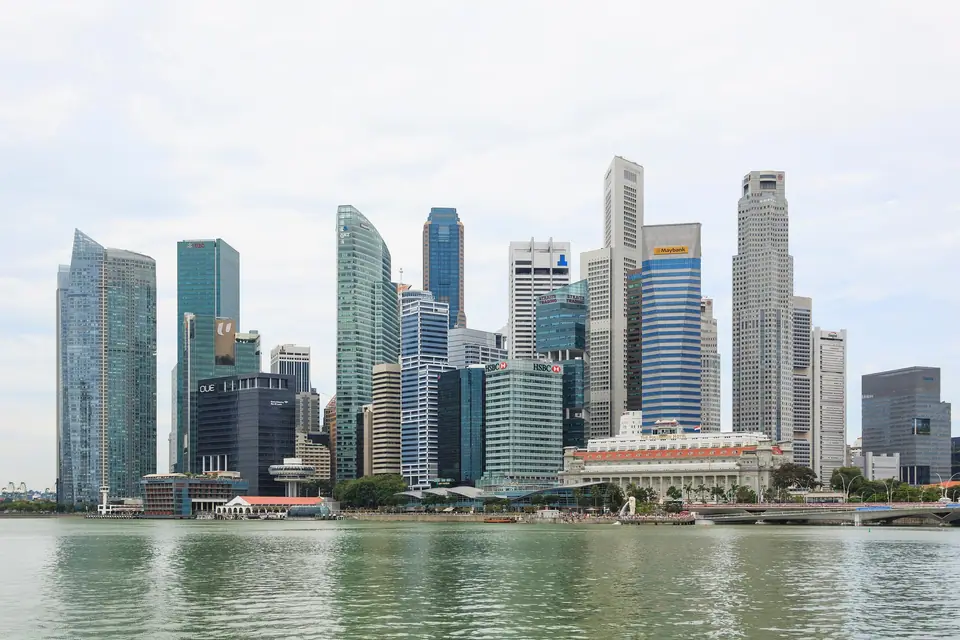
For a first visit, think of central Singapore as a compact ring around the mouth of the Singapore River. Marina Bay and Gardens by the Bay anchor the reclaimed southern waterfront. Immediately north across the river lies the colonial Civic District, while Chinatown and Tiong Bahru sit to the southwest. North of the Civic District, Kampong Gelam and Little India sit within a ten-minute walk of each other, while Orchard Road and the Singapore Botanic Gardens stretch northwest. To the east lie the Peranakan streets of Joo Chiat, East Coast Park, and Jewel Changi Airport; to the south, a short monorail or cable car crossing leads to Sentosa.
Entry rules and the SG Arrival Card
Every foreign visitor entering Singapore by air, land, or sea must submit the electronic SG Arrival Card (including a health declaration) within three days before arrival via the official Immigration and Checkpoints Authority (ICA) website or the MyICA mobile app. Submission on the official government portal is completely free; avoid third-party commercial websites that charge processing fees. Most travellers clear automated biometric immigration lanes at Changi Airport in a few minutes without receiving a physical ink stamp in their passport.
Money, SimplyGo transit and connectivity
The local currency is the Singapore Dollar (SGD). Singapore is almost entirely cashless: foreign contactless Visa and Mastercard bank cards and mobile wallets work directly at MRT train gates and on public buses through the SimplyGo system, so you do not need to queue for a separate stored-value transit card. Still, carry a small stash of Singapore dollar notes for older stalls in traditional hawker centres and for wooden bumboat fares to Pulau Ubin. Tap water across Singapore meets World Health Organization drinking standards straight from the tap, so carry a refillable bottle and use the free water coolers at parks, museums, and Changi Airport. Power sockets use the three-pin rectangular British Type G plug at 230 volts, and local eSIM data plans or tourist SIM cards can be picked up in the arrival halls at Changi.
Weather rhythm and packing
Singapore has an equatorial rainforest climate with daytime highs around 29 to 31°C and high humidity every month of the year. November to January brings the Northeast Monsoon with more frequent afternoon and evening downpours, while February is typically the driest month. Schedule outdoor walks such as the Southern Ridges or MacRitchie Reservoir early in the morning, use air-conditioned museums and conservatories over midday, and always carry both a compact umbrella and a light cardigan for chilly indoor air conditioning.
Local laws and everyday etiquette
- Vaping and chewing gum: Importing or possessing e-cigarettes and vaporisers is strictly illegal in Singapore, as is importing chewing gum.
- MRT rules: Eating or drinking (even a sip of plain water) and carrying pungent durian fruit are prohibited inside MRT stations and trains.
- Smoking zones: Smoking is banned in all air-conditioned spaces, parks, hawker centres, and across the Orchard Road Smoke-Free Zone except inside yellow-painted Designated Smoking Areas.
- Hawker trays: Always return your tray and used crockery to the rack after eating at any hawker centre or coffee shop.
Traveller tips
Real advice from people who have been to Singapore: Districts, Transit, Climate and First-Time Planning. Every tip is read by our team before it goes live.
No tips yet. Been here? Yours could be the first.
Thank you! Your tip will appear here after a quick review.
More in Singapore
Continue exploring Singapore with related neighbourhood, food, and planning guides

Jewel Changi Airport: Rain Vortex, Shiseido Forest Valley and Layover Rules
Singapore, Singapore
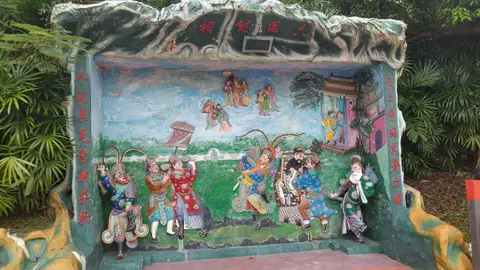
Haw Par Villa: Tiger Balm Folklore Dioramas and Ten Courts of Hell
Singapore, Singapore
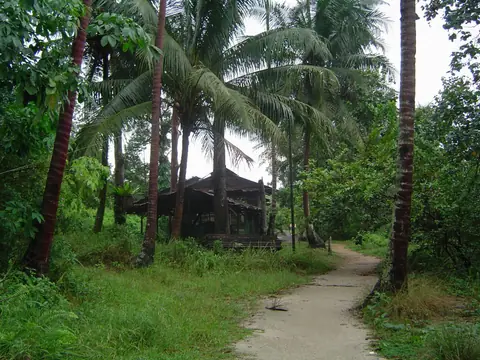
Pulau Ubin by Bumboat: Chek Jawa Boardwalk, Village Bikes and Quarries
Singapore, Singapore
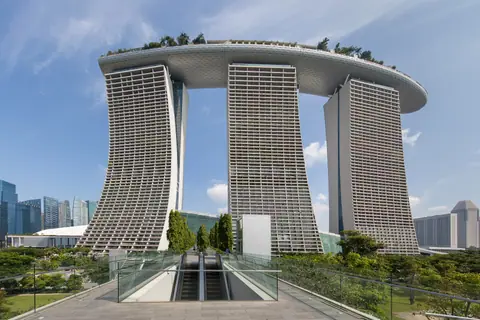
Things to Do in Singapore: Gardens, Heritage Quarters, Hawker Centres and Museums
Singapore, Singapore
