


























Carouge: Geneva's Sardinian Quarter, Courtyards & Artisan Workshops
Cross the Arve river to explore Carouge, the 18th-century royal town built by the Kingdom of Sardinia with neoclassical arcades and shaded squares.
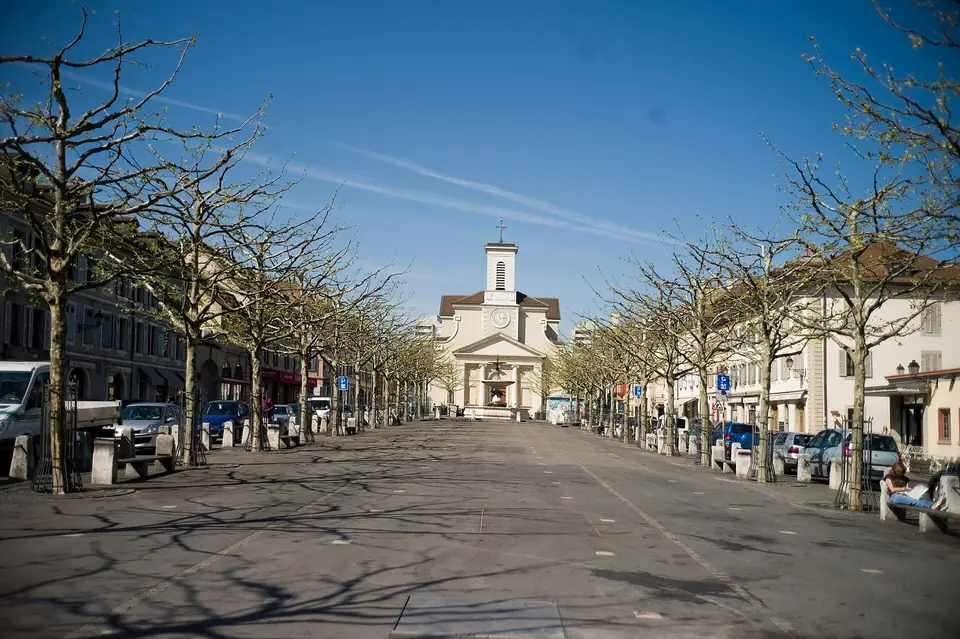
Directly south of the Arve river, a short ride from Gare de Genève-Cornavin or Place de Neuve on TPG tram lines 12 and 18, the municipality of Carouge feels like a Piedmontese market town transplanted to the gates of Geneva. Covering 2.7 square kilometres with 22,536 residents in December 2020, Carouge is nicknamed the cité sarde ("Sardinian city") because its grid of low houses, shuttered facades, and hidden garden courtyards was built in the late 18th century by the House of Savoy and the Kingdom of Sardinia as a commercial rival to Calvinist Geneva. It pairs naturally with a walk through Parc des Bastions and Plainpalais just north of the Arve.
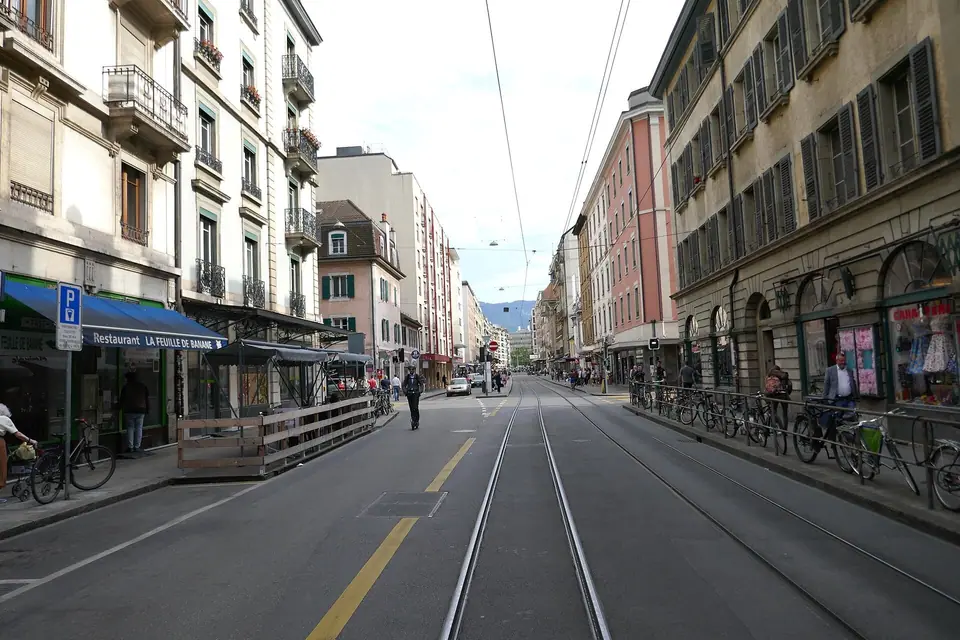
Crossing the Pont de Carouge over the glacier-grey waters of the Arve brings an immediate change in scale and colour. Where central Geneva rises in tall grey sandstone apartments and grand hotel embankments, Vieux Carouge unfolds in two- and three-storey pastel plaster houses topped by shallow tiled roofs, wooden shutters, and wrought-iron shop signs hanging above cobbled streets.
Why the Kings of Sardinia Built a Rival Town Across the Arve
Although Burgundian King Sigismund held court at Quadruvium in the Early Middle Ages and the river-crossing settlement was recorded as Carrogium in 1248, modern Carouge was born from the Treaty of Turin signed on 3 June 1754 between the Republic of Geneva and the Kingdom of Sardinia. To settle centuries of tangled territorial disputes along the Arve, Geneva ceded 6,973 poses of land and paid 50,000 écus in exchange for 5,357 poses, leaving Carouge under Sardinian sovereignty right on Geneva's southern doorstep.
By 1766 Carouge already counted 36 wine taverns profiting from lower Sardinian taxes and cross-border trade with thirsty Genevans walking across the bridge. Starting around 1770, Savoyard nobleman Pierre-Claude de La Fléchère, Count of Veyrier, persuaded King Victor Amadeus III of Sardinia to transform the border hamlet into a planned royal town designed by architects and engineers from Turin. Granted two annual fairs and a weekly market in 1777, Carouge became the administrative capital of the 37,000-inhabitant Province of Carouge by royal edict on 2 May 1780 and received formal city status and its coat of arms (a lion resting at the foot of a tree) by letters patent on 31 January 1786, when its population passed 3,000.
Turin Urban Planning and Hidden Garden Courtyards
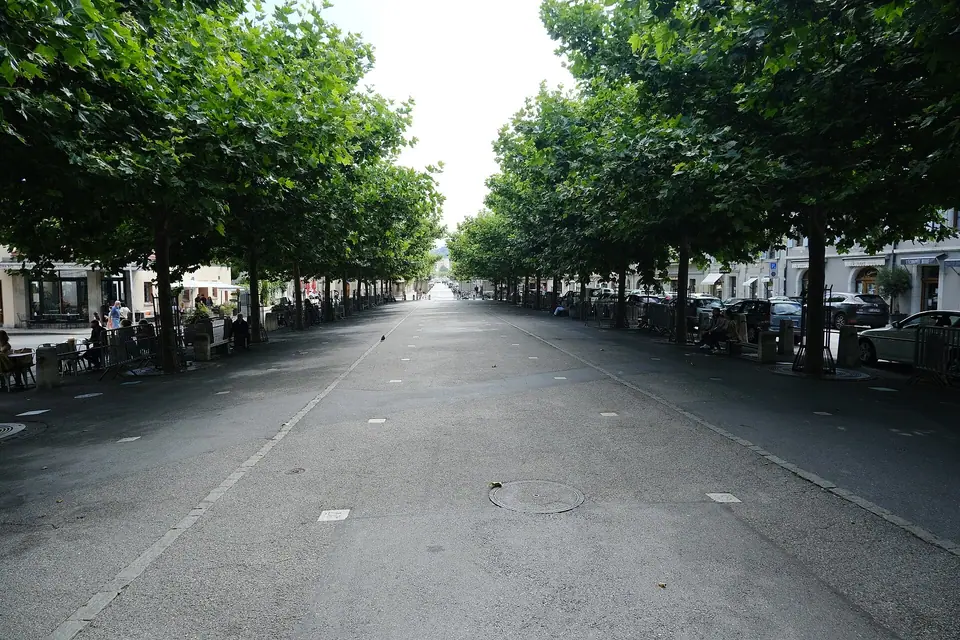
Turin's royal urban planners laid out Carouge on a regular orthogonal grid of straight streets intersecting spacious rectangular squares planted with plane trees. House plots were designed with a clever dual purpose: narrow street frontages housed ground-floor workshops, taverns, and merchant arcades with living quarters above, while arched carriage passages led through to deep rear courtyards planted with fruit trees, vegetable beds, and artisan sheds.
Many of those interior courtyards remain open to quiet exploration during the day. Stepping through an archway off Rue Saint-Joseph or Rue Ancienne reveals gravel gardens, stone wells, outside wooden galleries, and independent studios where ceramicists, glassblowers, bookbinders, watchmakers, and furniture restorers continue the quarter's craft heritage. You can also visit the Musée de Carouge in a late eighteenth-century townhouse to see local pottery made in the town's historic earthenware factories alongside displays on Sardinian architecture.
An 18th-Century Island of Religious Tolerance
To attract enterprising merchants, financiers, and craftsmen away from strict Calvinist Geneva, where citizenship and worship were tightly regulated, the court in Turin pursued a remarkably liberal social policy led by La Fléchère and Intendant General Giovanni-Battista Foassa-Friot. Freemasons established a lodge in Carouge as early as 1777, Protestant families settled in 1779 and received official civil and religious tolerance in 1783, and Jewish families from Alsace arrived in 1779, receiving full freedom of worship and civil rights under Victor Amadeus III's Edict of Tolerance on 27 August 1787.
As a result, late-eighteenth-century Carouge became one of the rare European towns where a Catholic parish church, a Protestant temple, a synagogue, and Masonic lodges coexisted within a few streets, alongside the historic Jewish cemetery established along Rue des Tireurs de Sable. Taken by Revolutionary France in 1792 (and made part of the French Département du Léman in 1798) before returning briefly to Sardinia in 1814, Carouge was transferred to the Canton of Geneva under the second Treaty of Turin in 1816, bringing its Catholic and Savoyard character into the newly enlarged Swiss canton.
Spending an unhurried afternoon wandering the grid of Vieux Carouge rewards visitors who look closely at architectural details preserved from the reign of King Victor Amadeus III. Carved stone lintels, arched wooden carriage doors, classical window mouldings, and interior courtyard galleries reflect the Piedmontese building codes introduced from Turin so the young border town would project royal order and commercial prosperity just across the Arve from the Protestant republic.
Unlike monumental palace districts designed solely for ceremony, Carouge was built on a human domestic scale for shopkeepers, innkeepers, clockmakers, tanners, and market gardeners. That working neighbourhood spirit survives today in its independent bakeries, roasting houses, bookbinders, and shaded square fountains, making a tram ride across the Pont de Carouge an essential counterpoint to the grand lakeside embankments of central Geneva.
Place du Marché, Place du Temple, and the 1777 Market Tradition
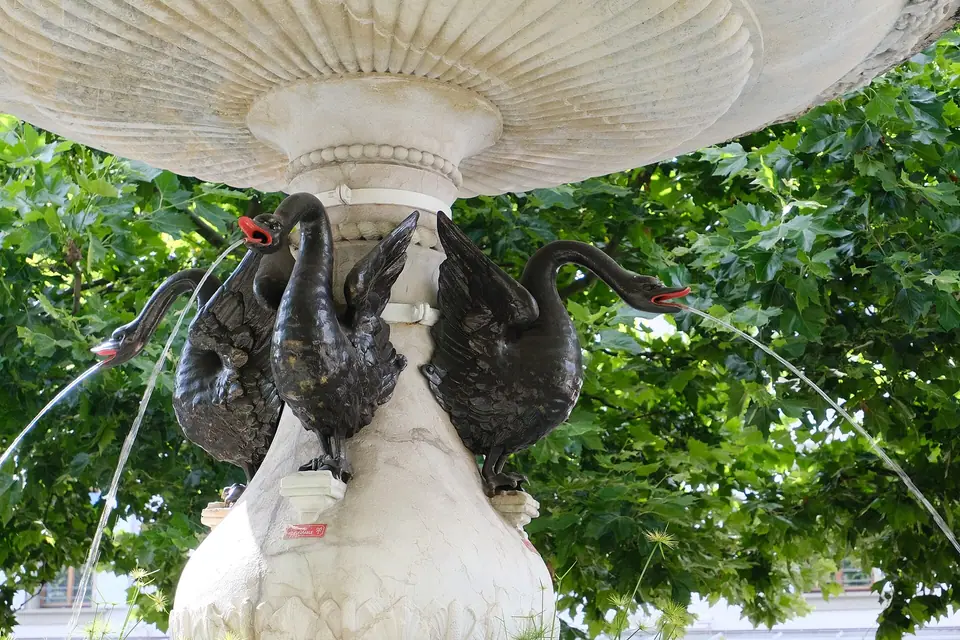
The social heart of Vieux Carouge is Place du Marché and the adjoining Place du Temple, where pollarded plane trees shade stone fountains, café terraces, and the facing facades of the Catholic Church of Sainte-Croix and the Protestant temple. On market days, continuing the royal market charter granted in 1777, growers from the Genevan countryside set up stalls piled with seasonal fruits, cheeses, flowers, and winter cardoons.
Artisan Boutiques, Evening Bistros, and Practical Routing
- Rue Saint-Joseph and Rue Ancienne: Browse independent boutiques, antique dealers, chocolatiers, and craft studios along the two historic axes running parallel to the tram tracks, pausing at the stone fountains carved during the Sardinian era.
- Dining and nightlife: In the evening, Carouge's wine bars, traditional brasseries, and courtyard bistros fill with locals ordering filets de perche, cheese fondue, and Longeole sausage in a relaxed neighbourhood setting.
- Combining sights: Pair an afternoon or evening in Carouge with nearby Plainpalais or follow our 3-day Geneva itinerary and where to stay in Geneva guide.
Traveller tips
Real advice from people who have been to Carouge: Geneva's Sardinian Quarter, Courtyards & Artisan Workshops. Every tip is read by our team before it goes live.
No tips yet. Been here? Yours could be the first.
Thank you! Your tip will appear here after a quick review.
More in Geneva
Continue exploring Geneva with related neighbourhood, food, and planning guides
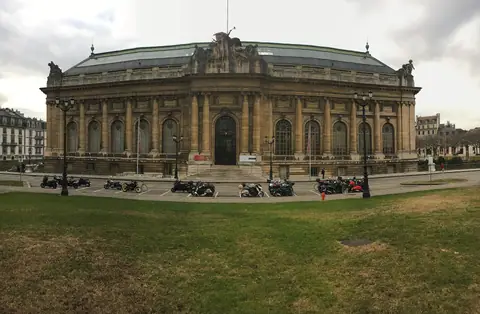
Geneva Museums: Musée d'Art et d'Histoire, Patek Philippe & Red Cross
Geneva, Switzerland
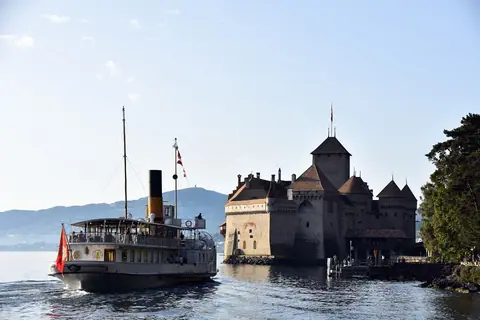
Day Trips from Geneva: Mont Salève, Lausanne & Chillon Castle
Geneva, Switzerland

What to Eat in Geneva: Lake Perch, Cheese Fondue, Longeole & Escalade
Geneva, Switzerland
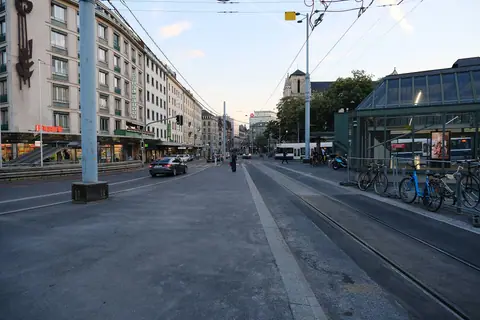
How to Get to Geneva & Get Around: Airport, Cornavin, TPG & Léman Express
Geneva, Switzerland
